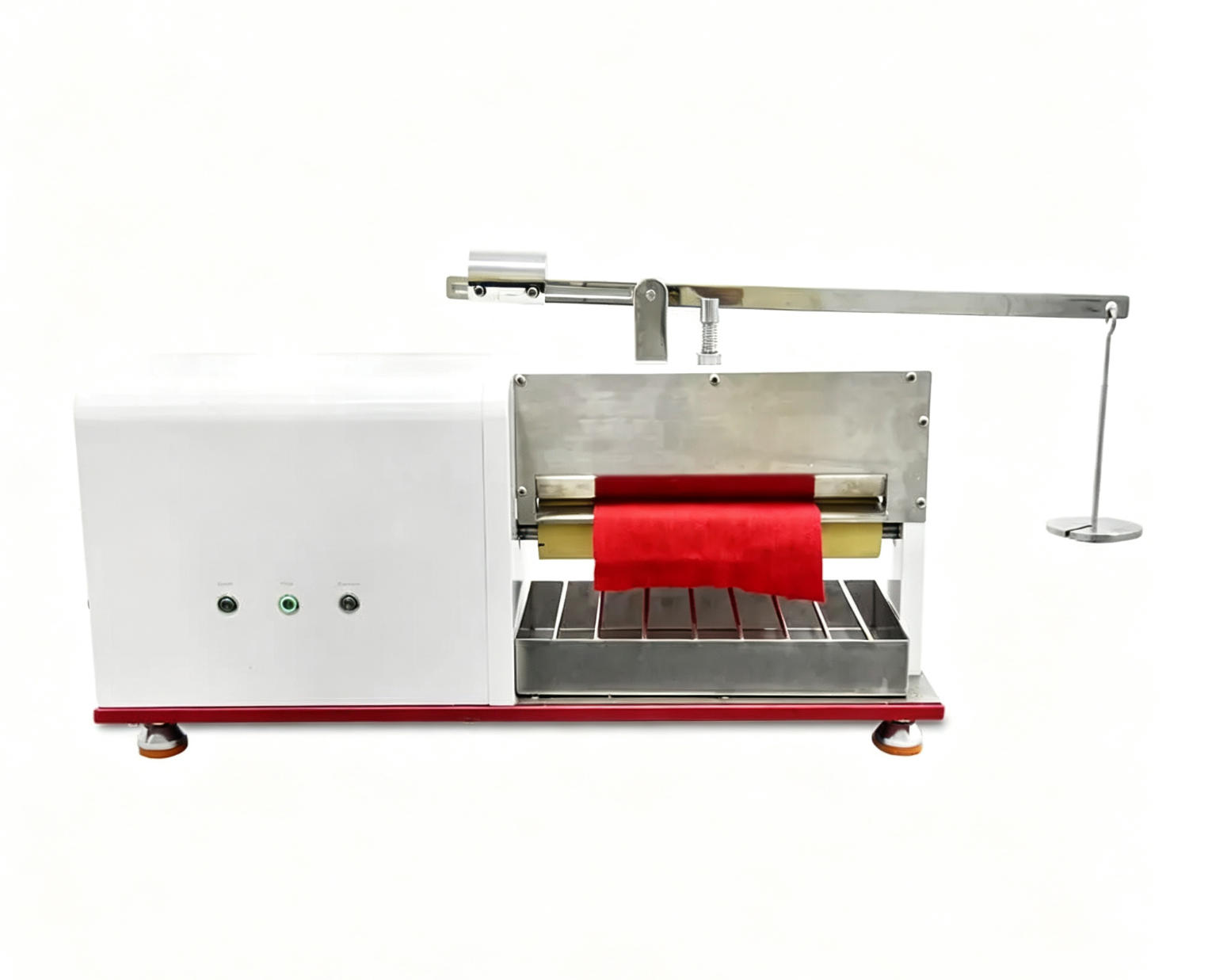
 Wringer (Lab Padder)
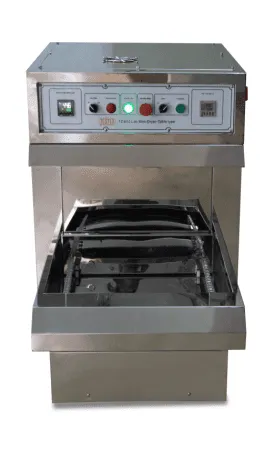
TNG1074
Lab Stenter Machine - TNG1074
The TNG1074 Lab Stenter Machine is designed to measure and simulate drying, setting, and thermosol curing processes in textile materials. It is commonly used in dyeing and finishing laboratories for testing fabric properties and validating dyeing and finishing conditions.
- Specifications
- 7
- Methods
- 0
- Images
- 2
- Supply
- Inquiry only
Inquiry only. No prices are published.
Product overview
The TNG1074 Lab Stenter Machine is a table-top instrument used to perform drying, setting, baking, and thermosoling processes on textile samples. It simulates the conditions of production-scale stenter machines, enabling accurate assessment of dyeing and finishing results. The machine supports various standards including ISO 105-C06, ISO 105-C10, and ISO 105-C11, which relate to color fastness and dyeing performance. The TNG1074 features a high-temperature resistant motor, a circulating hot air system, and an LCD display for precise temperature control. It accommodates sample sizes up to a maximum of 36 x 42 cm and provides even temperature distribution through an air circulation fan. The machine allows adjustment of warp and weft tensions, enabling testing under various conditions. Constructed from brushed stainless steel, it offers good thermal insulation and a long service life. The TNG1074 also includes an audible alarm to signal the end of a test cycle and supports intelligent operation with settable drying times and automatic sample inlet and outlet. It is suitable for testing fabric handfeel, color, color fastness, and other quality parameters.
Application
Lab Stenter Machine, is suitable for dyeing and finishing laboratories for drying, setting, resin processing, etc… Moreover, it is suitable for the laboratory simulation workshop in the dyeing and finishing process for thermosol dyeing of resin curing test, obtaining and validation of dyes, auxiliaries, and so on formulation and process conditions, testing the fabric handle, the degree of dye color, color fastness and related important quality, getting the right product organization model.
This mini stenter textile machine adopts high-quality stainless steel, a motor with resistance to high temperature and an LCD with properties of thermal insulation and timing accurately. Through this mini-stenter, laboratory operators can get the accurate parameters of the dyeing and finish with less effort.
Features
Intelligent operation: settable drying time, automatic sample inlet, and outlet.
Accurate test results: precise temperature control system with circulating hot air system and controlled hot air flow.
Meeting various needs: both warp and weft tensions can be adjusted and samples can be mounted at various tensions as required.
Long service life: brushed stainless steel construction with good thermal insulation; High-temperature resistant motor can withstand long life operation
Technical description
- Heating temperature up to 250 ℃
- Sample size up to max. 36 x 42cm
- Audible alarm for the end of the test
- Even temperature distribution by the air circulation fan
- Automatic pin frame transport with pre-selectable dwell times.
- Suitable for discontinuous operation in conjunction with Lab Padder.
- Specially designed pin frame to hold all types of sample fabric in length and/or width
- A certain thickness of high-grade insulation material ensures good thermal insulation performance.
- Length: 1400 mm
- Width: 730 mm
- Height: 850 mm
- What is a lab textile stenter machine?
- The lab stenter machine is the most important fabric drying and finishing machine for stretching or stentering fabrics. Another name for it in the woolen industry is ‘tenter’. The purpose of the stenter machine is to bring the length and width to pre-determine dimensions and also for heat setting. It is used for applying finishing chemicals and also shade variation is adjusted. The main function of the stenter is to stretch the fabric widthwise and to recover the uniform width.
- Test principle and function
- When dipping and rolling fabrics with various dyeing and chemical materials, they are subjected to various finishings, such as softening, hardening, anti-slip, stretching, etc. Lab textile stenter machines can improve fabric performance, such as handfeel, slip, color, width, strength, appearance, etc.
- Moreover, it can also play a role in stabilizing the size of non-cotton fabrics. First, put the fabric into the stenter for dipping and rolling, and secondly, put it into the oven for high temperature and hot air. The final fabric will have a good feel and stable size.
Key features
- Intelligent operation: settable drying time, automatic sample inlet, and outlet.
- Accurate test results: precise temperature control system with circulating hot air system and controlled hot air flow.
- Meeting various needs: both warp and weft tensions can be adjusted and samples can be mounted at various tensions as required.
- Long service life: brushed stainless steel construction with good thermal insulation; High-temperature resistant motor can withstand long life operation
Working principle
When dipping and rolling fabrics with various dyeing and chemical materials, they are subjected to various finishings, such as softening, hardening, anti-slip, stretching, etc. Lab textile stenter machines can improve fabric performance, such as handfeel, slip, color, width, strength, appearance, etc. Moreover, it can also play a role in stabilizing the size of non-cotton fabrics.
Test method notes
Types of the structure There are many types of stenters. But their basic structures all contain the following combinations of components. Guiding device Used to pull the fabric smoothly into the stenter, which is generally made of a number of guide rollers, slevedge guider, and a bracket with a roller. Drafting device There are two kinds of drafting devices, including clips and needle boards. Generally speaking, the clip device is applicable to cotton and woolen fabrics while the needle board can be used in silks to fasten the fabric surface, making it easy for us to put the tension on both sides for a taut fabric surface. Heating device There are two kinds of heating devices, exposure-type and oven-type respectively. Generally speaking, oven-type devices can be used in cotton while exposure-type applies to the silk, heated by steam and wetted by spray.
Specifications
| 160 kg | — |
|---|---|
| 380 V | 50/60 Hz |
| Length: 1400 mm | Width: 730 mm |
| Weight | 160 kg |
| Length | 1400 mm |
| Width | 730 mm |
| Height | 850 mm |
Related instruments
Wringer (Lab Padder)
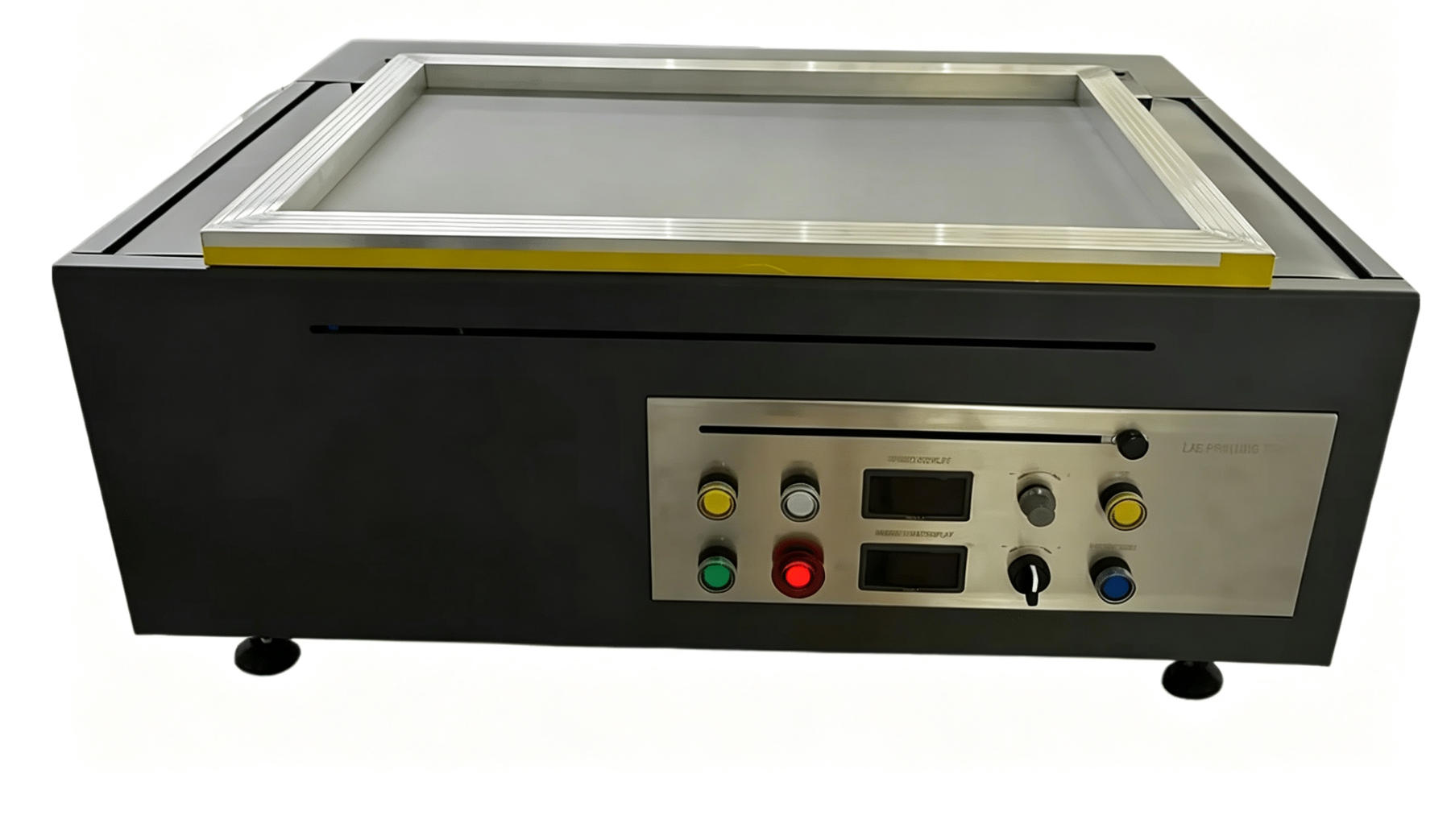 Lab Magnetic Printer (Lab Printing Table)
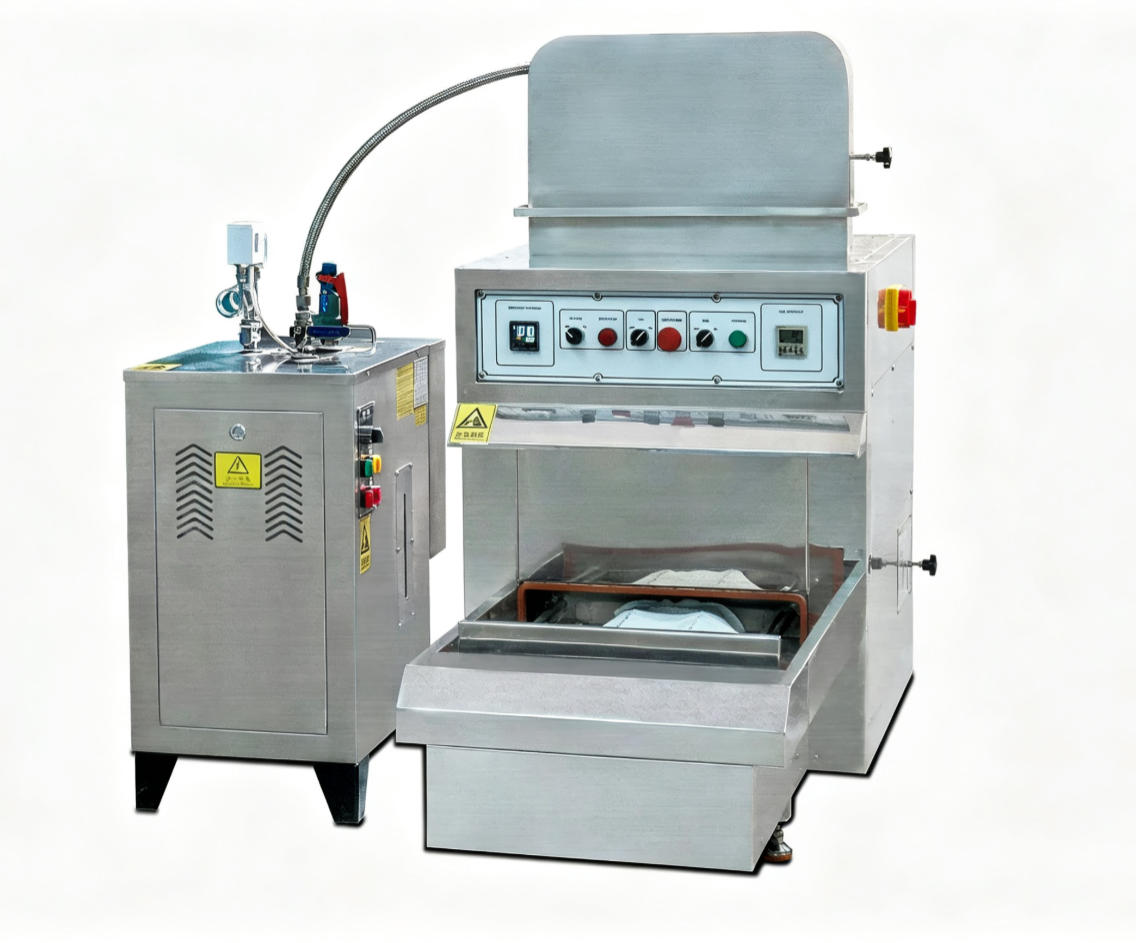 Lab High Temperature Steamer
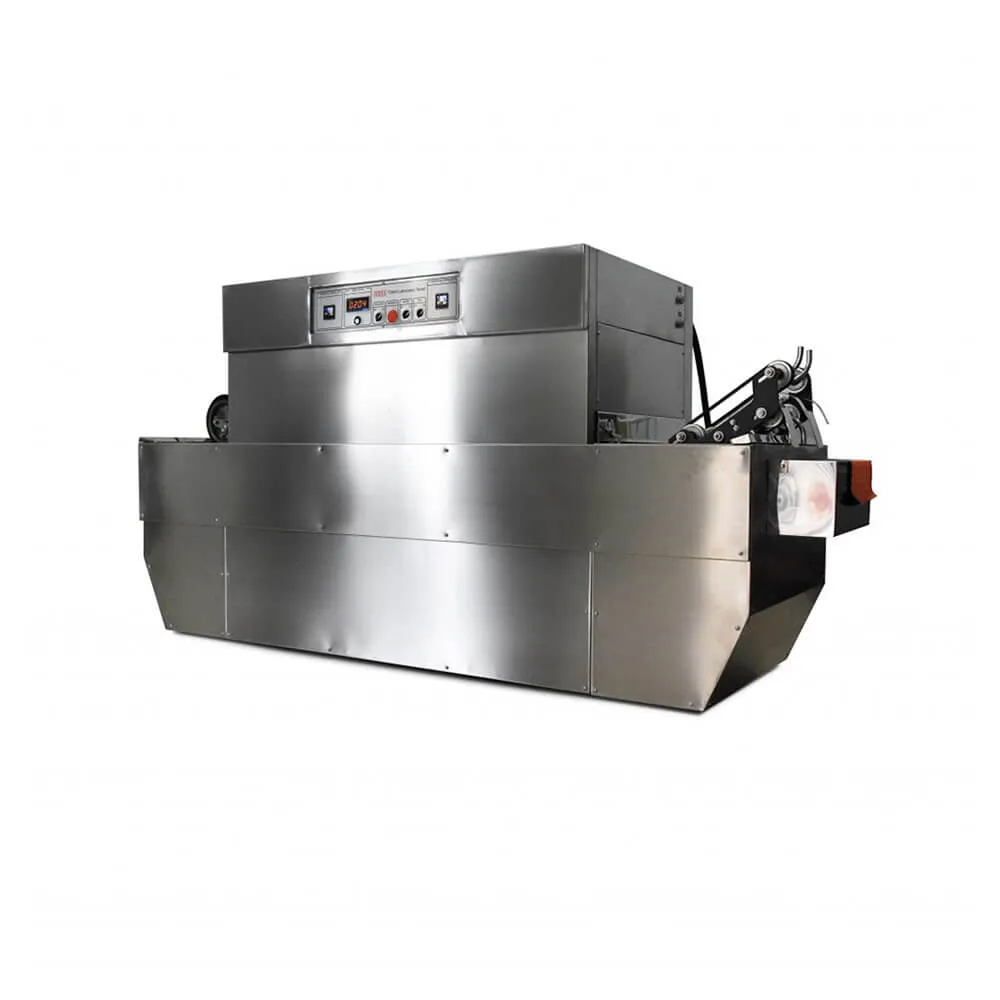 Laboratory Tenter
Why request a quotation from TONNY
Founded in 2012 with a 60-person design and assembly team and worldwide supply. No prices are published and no registration is required to read a specification.
Tell us what you need to test.
Send the test method and the material. We will match the model, attach its specification table and reply with a written quotation - no prices published, no registration.