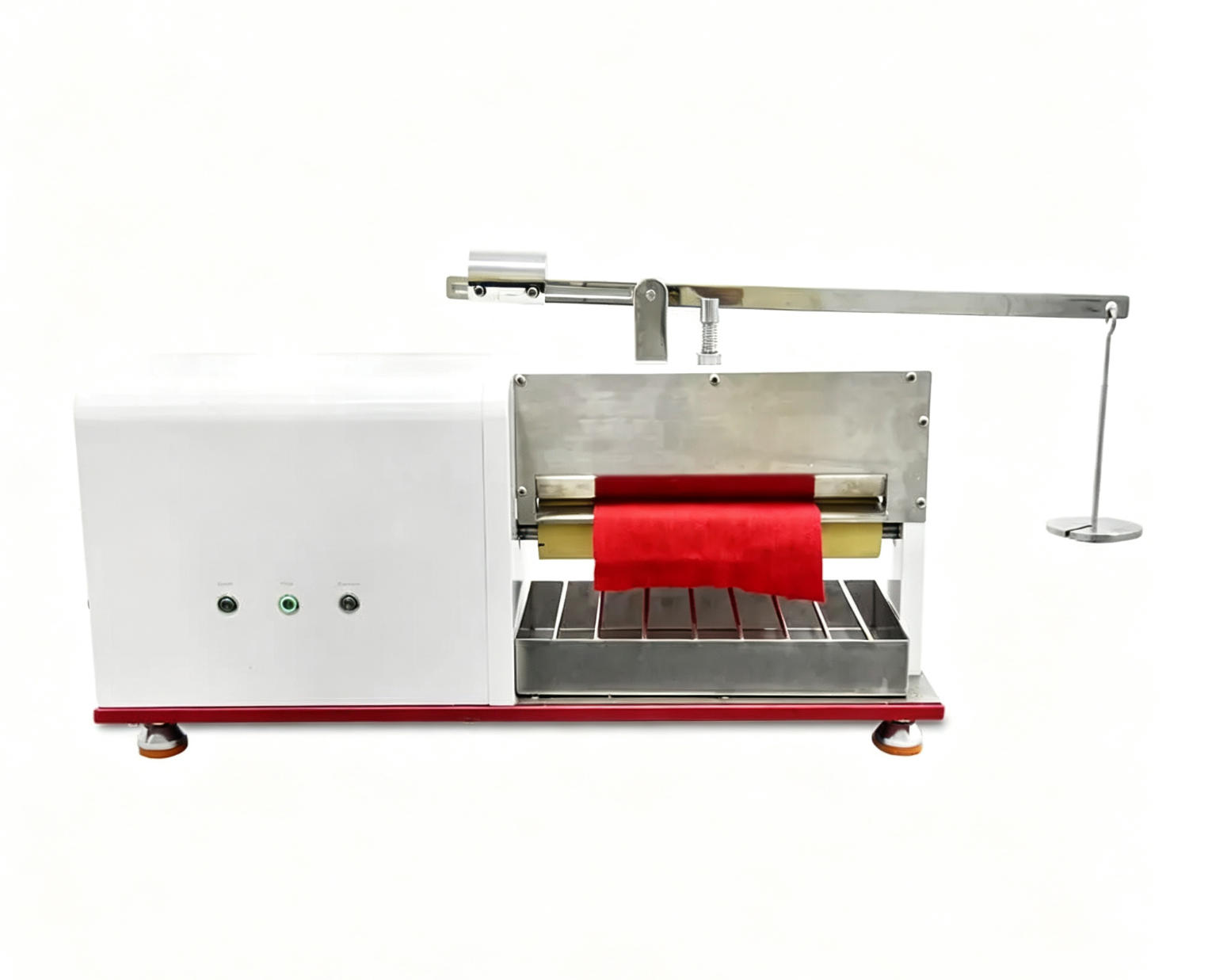
 Wringer (Lab Padder)
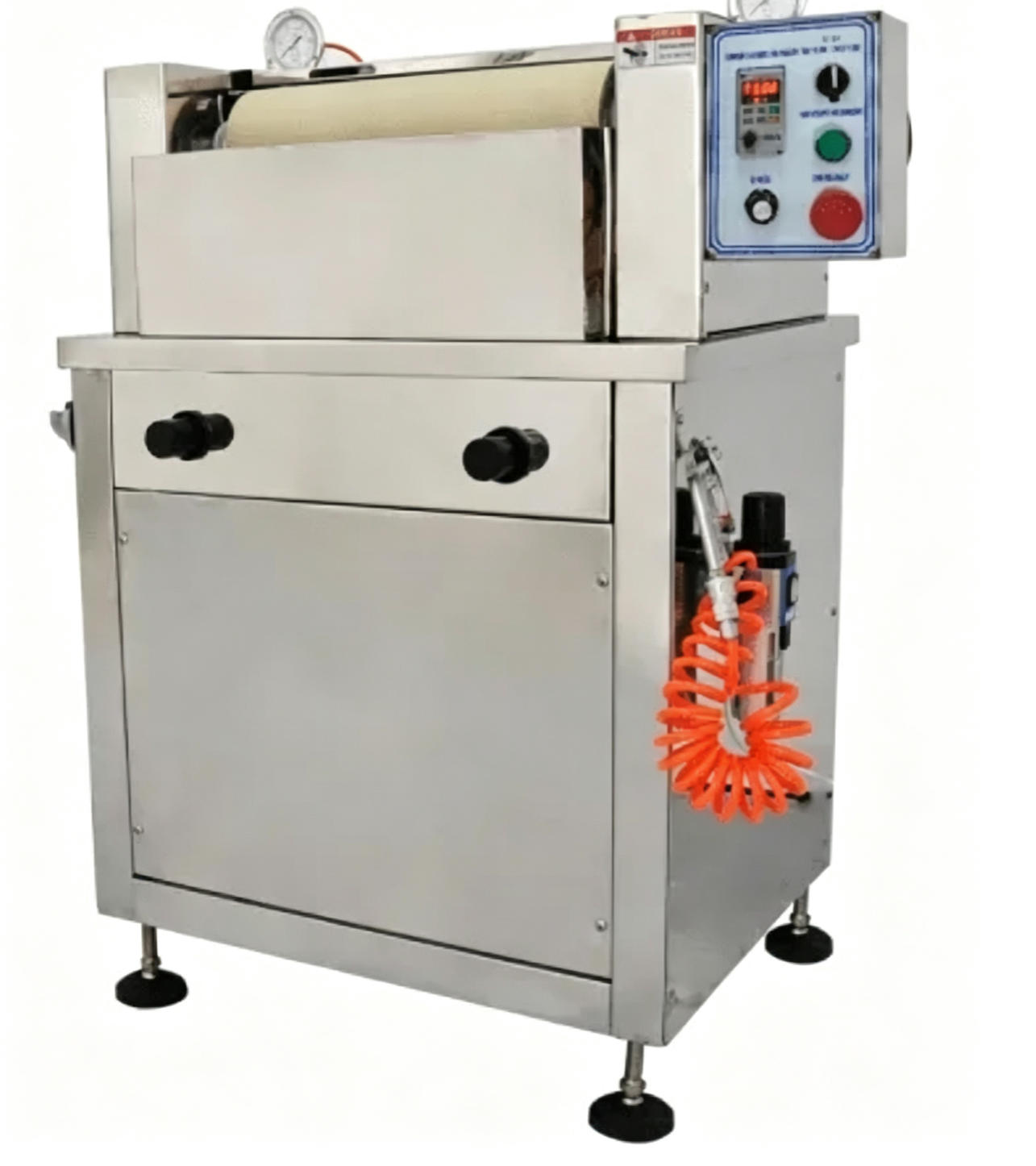
TNG1080
Lab Padder - TNG1080
The TNG1080 Lab Padder measures and controls moisture content in textiles during dyeing, finishing, and impregnating processes. It is used to evenly remove excess water from fabric to improve efficiency and reduce energy consumption during drying.
- Specifications
- 10
- Methods
- 0
- Images
- 3
- Supply
- Inquiry only
Inquiry only. No prices are published.
Product overview
The TNG1080 Lab Padder is a floor-type padding mangle designed for use in textile dyeing, finishing, and impregnating applications. It operates by applying pressure to fabric to remove excess water, ensuring uniform moisture distribution. The instrument features a roller with a diameter of Φ130 mm and a length of 420 mm, with a customized option available at 600 mm. The roller is constructed from high-quality NBR material, offering flexibility and durability. The machine includes an emergency stop button and a knee pedal for safe operation. It requires a power supply of 220 V at 50 Hz and can operate with an air pressure range of 0.1 to 0.6 Mpa. The TNG1080 supports standard practices for moisture control in textile processing. It is compatible with various fabric types and is suitable for laboratory and industrial settings.
Application
Lab Padder plays a very important role in the process of textile dyeing, finishing, and impregnating. The lab padder can smoothly and evenly roll out the excess water in the fabric and reduce energy consumption during drying.
Technical description
- Length: 890 mm
- Width: 610 mm
- Length: 1250 mm
- What can a lab padder do for you?
- The padding machine is used to pad chemical reagents such as dyeing liquid. After padding the fabric, in addition to ensuring a certain margin rate. It is also necessary to ensure that the liquid in the fabric is evenly distributed.
- The uniformity of the rolling liquid in the warp direction of the fabric mainly depends on the stability of process parameters such as vehicle speed and rolling pressure during the padding process, while the uniformity of the rolling liquid in the weft direction of the fabric is mainly related to the structure of the rolling car, especially the roll.
- Rolling Evenness The rolling uniformity of the fabric in the weft direction, referred to as rolling uniformity. It is expressed by the relative error of the overage rate of each point upward of the fabric weft. In the actual production process, select the fabric right in three places (left, center, right), and test the mangle expression for comparison. General mangle expression should be <2%, assuming that between 2% and 5%, the process conditions can be adjusted to compensate. If >5%, generally can not make up.
- Factors affecting the uniformity of the padding machine
Test method notes
Test Method Test procedure: Cleaning the laboratory padder before use. Turn on the power. We press the button of starter motor, rotated direction and pressurizer. After that, the roller needs to be rotated the right direction. Pulling the pressure regulating valve outward lightly to adjust it. The clockwise direction is pressure increase, and the anti-clockwise direction is pressure reduction. Four operations include dipping, roll compacting, weight and calculation of liquor retention should be repeated until the pick-up is suitable for the test requirement. If necessary, we can pad the fabric after we use a small number of liquid rush through the roller.
Specifications
| 125 kg | — |
|---|---|
| 220 V | 50 Hz |
| Length: 890 mm | Width: 610 mm |
| Roller length | 420mm ( 600 mm customized) |
| Roller Dia. | Φ130 mm |
| Shore hardness | 70°±5° |
| Air pressure | 0.1 ~ 0.6 Mpa |
| Weight | 125 kg |
| Width | 610 mm |
| Length | 1250 mm |
Related instruments
Wringer (Lab Padder)
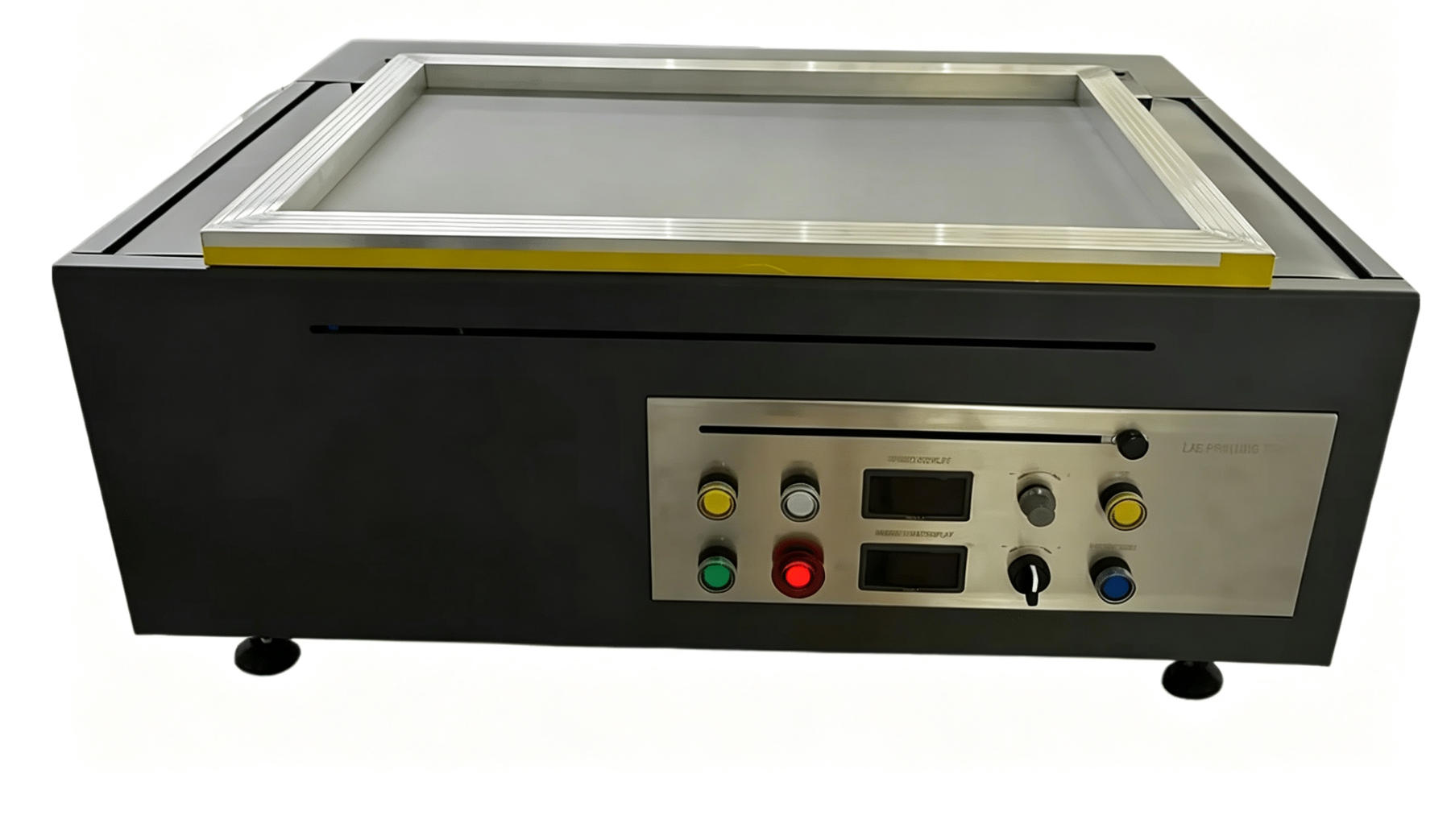 Lab Magnetic Printer (Lab Printing Table)
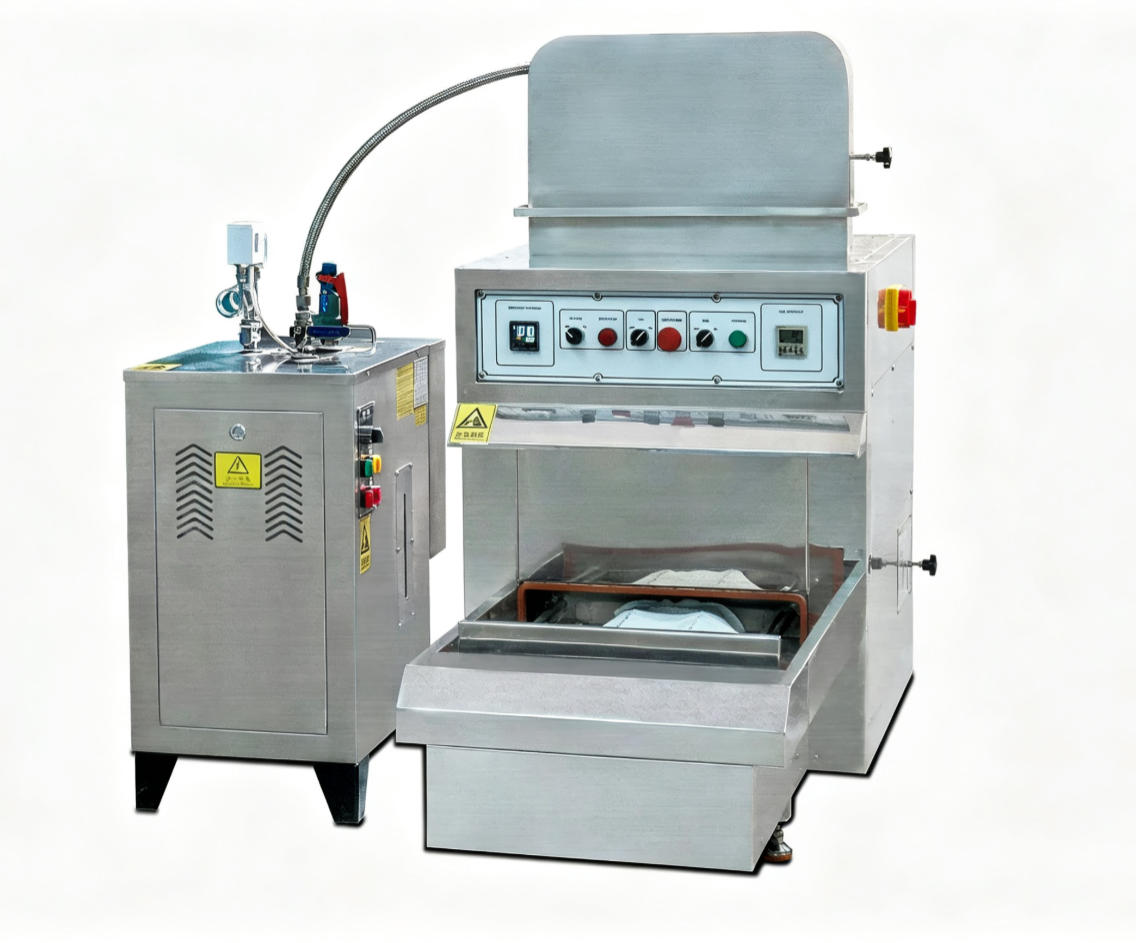 Lab High Temperature Steamer
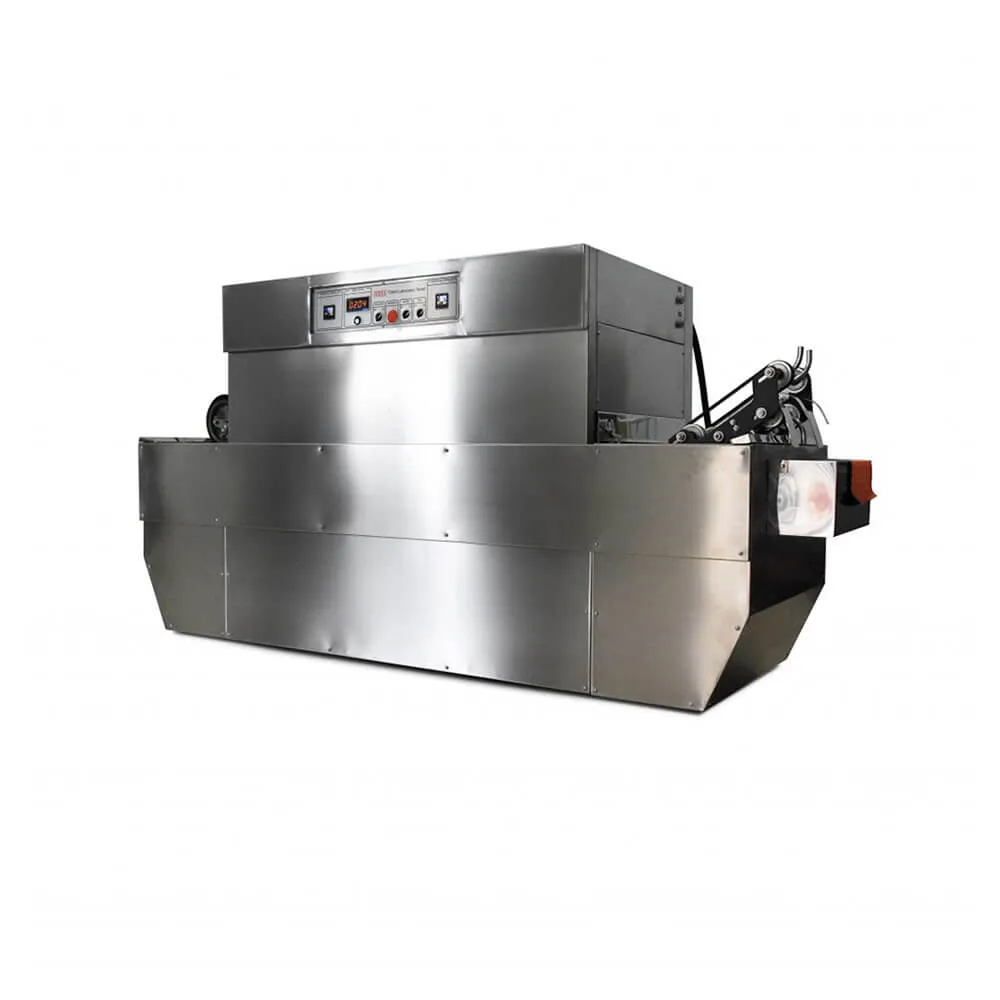 Laboratory Tenter
Why request a quotation from TONNY
Founded in 2012 with a 60-person design and assembly team and worldwide supply. No prices are published and no registration is required to read a specification.
Tell us what you need to test.
Send the test method and the material. We will match the model, attach its specification table and reply with a written quotation - no prices published, no registration.