 Digital Thickness Gauge
TNG1096
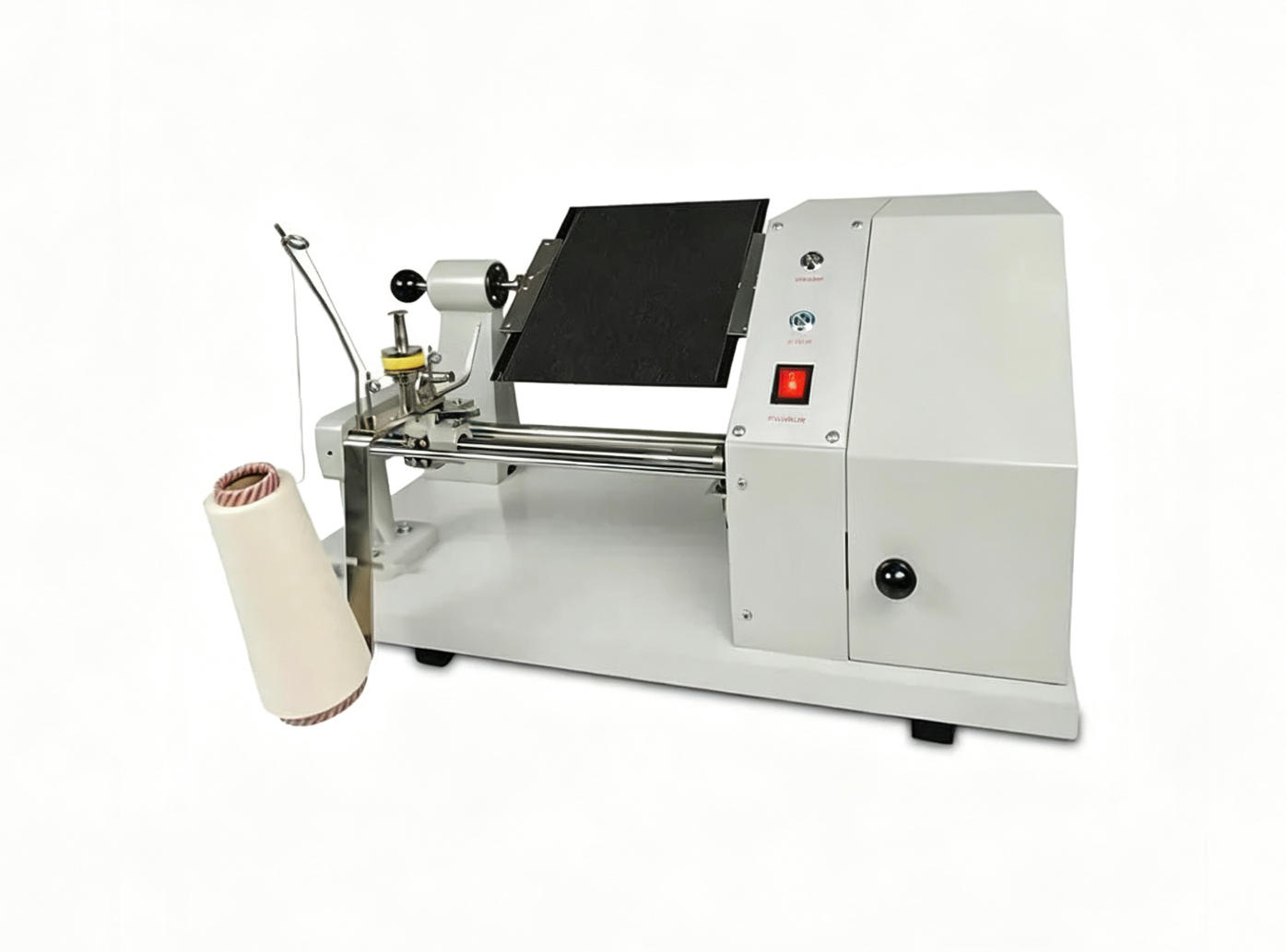
Yarn Appearance Board Winder - TNG1096
The TNG1096 Yarn Appearance Board Winder measures yarn evenness, hairiness, and imperfections. It is used to assess the appearance quality of various yarn types in textile testing.
- Specifications
- 8
- Methods
- 0
- Images
- 3
- Supply
- Inquiry only
Inquiry only. No prices are published.
Product overview
The TNG1096 Yarn Appearance Board Winder is designed to evaluate the physical properties of yarns, including hairiness, neps, and other imperfections. It determines the evenness and appearance of the yarn by winding it onto a blackboard and analyzing the resulting structure. The instrument is suitable for testing combed cotton yarns and yarns produced by rotor spinning. It complies with ASTM D2255 and GB 9996 standards. The blackboard dimensions are 250mm × 180mm × 2mm, and the yarn winding densities are set at 7, 9, 11, 13, 15, and 19 wraps/cm. The rotation speed is adjustable with 7 gears, allowing for precise control during testing. The machine consists of two main components: the winding mechanism for the blackboard and the horizontal movement system for the yarn on the blackboard. The winding is performed using left and right blackboard clamps, while the lateral movement is achieved through the axial displacement of a bridge-shaped half-nut on a screw. The TNG1096 is not applicable for testing woolen yarns.
Application
Yarn Appearance Board Winder measures the yarn’s physical properties, such as hairiness, neps, and other possible imperfections, to determine evenness and appearance. This machine complies with ASTM D2255 and can evaluate the appearance of most yarns, such as combed cotton yarns.
Finally, we can figure out whether the sample is qualified by comparing its appearance quality with that of the standard sample. The application scope of the test method also includes rotor spinning. However, it can not be used to test the appearance quality of woolen yarn.
Note: don’t include assessment against photographic comparison standards.
Features
Aluminum alloy casting housing, black plate rotation with the speed control system, there are 7 speed adjustable, adapt to a wide range of yarns, overcome the drawbacks due to too fast speed for stranded yarns, low twist yarns, small force value yarns, etc. can not be tested
and there are six shaking yarn densities, 7, 9, 11, 13, 15, and 19 wraps/cm, formed by the six-speed pulley replacement belt on the control box.
Technical description
- Blackboard: 250mm × 180mm × 2mm
- Yarn winding density: 7, 9, 11, 13, 15, 19wraps/cm
- Rotation speed: 7 gears (adjustable)
- Blackboard, Belt
- Optional Accessories
- Principle of Yarn Appearance Board Winder
- The Yarn Appearance Board Winder consists of two major parts: the winding of the chalkboard and the horizontal movement of the yarn on the chalkboard.
- The winding of the blackboard is mainly done by the left and right blackboard clamps.
- The lateral movement of the yarn on the blackboard is done by the axial displacement of the bridge-shaped half-nut on the screw. The winding density of the instrument has a variety of options, in order to make the instrument winding speed run smoothly, the choice of two smooth running, speeds should be a good DC servo motor to drive the blackboard winding and yarn transverse movement respectively.
- To select the speed of winding density, the instrument uses a simple transformer tap to achieve different output voltages, through rectification to meet the armature voltage required by the DC motor, so as to achieve the purpose of changing the DC motor speed to meet the speed requirements of various winding densities.
Key features
- Blackboard: 250mm × 180mm × 2mm
- Yarn winding density: 7, 9, 11, 13, 15, 19wraps/cm
- Rotation speed: 7 gears (adjustable)
Working principle
The Yarn Appearance Board Winder consists of two major parts: the winding of the chalkboard and the horizontal movement of the yarn on the chalkboard. The winding of the blackboard is mainly done by the left and right blackboard clamps. The lateral movement of the yarn on the blackboard is done by the axial displacement of the bridge-shaped half-nut on the screw.
Test method notes
Nominal Definition Yarn Appearance: Observe the yarn samples wound on the blackboard following the prescribed requirements by a visual method for obtaining a visual effect. Slub: The projected width (hereafter named diameter) of the yarn segment is thicker than the normal yarn diameter, the slub degree of which can be recognized by the inspector. Thin Place: The segment diameter of yarn is smaller than the normal one, the fineness degree of which can be identified by the inspector. Shadow: Many yarns with thin diameters are arranged together to form dark lumps on the surface. Severe Defects: The diameter of the slub is 1-2 times thicker than the original yarn and the length of the club is 5cm or more. The diameter of the thin place is 0.5 times smaller than the original yarn, and the length of the thin place is more than 10cm.
Specifications
| 30 kg | — |
|---|---|
| 220/110 V | 50/60 Hz |
| Length: | 620 mm |
| ASTMD 2255 | GB 9996 |
| Blackboard | 250mm × 180mm × 2mm |
| Yarn winding density | 7, 9, 11, 13, 15, 19wraps/cm |
| Rotation speed | 7 gears (adjustable) |
| Weight | 30 kg |
Related instruments
Digital Thickness Gauge
 Fabric Thickness Tester(Gauge) /B
 Fiber Fineness & Composition & Content Analyser
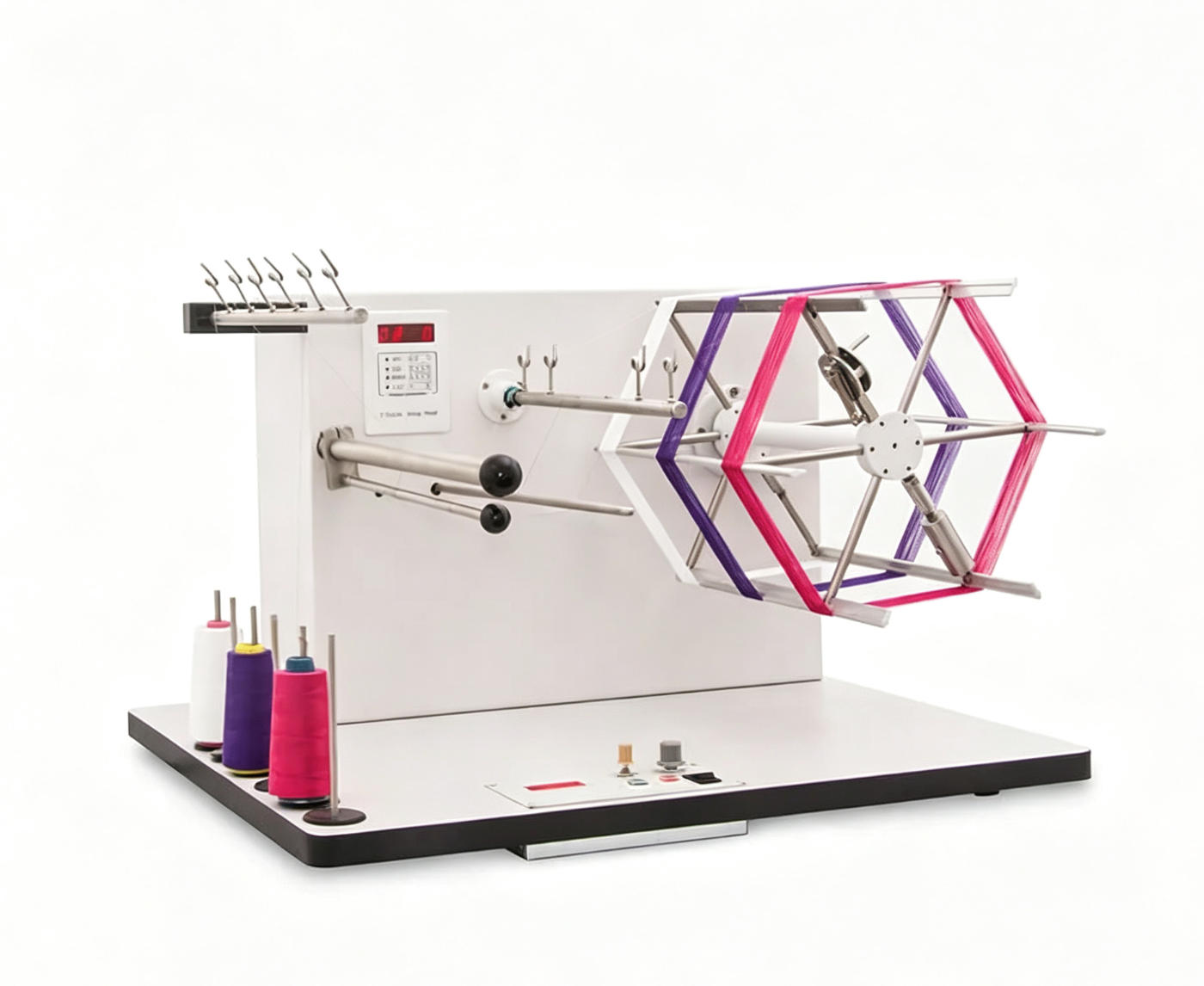 Wrap Reel /B
Why request a quotation from TONNY
Founded in 2012 with a 60-person design and assembly team and worldwide supply. No prices are published and no registration is required to read a specification.
Tell us what you need to test.
Send the test method and the material. We will match the model, attach its specification table and reply with a written quotation - no prices published, no registration.