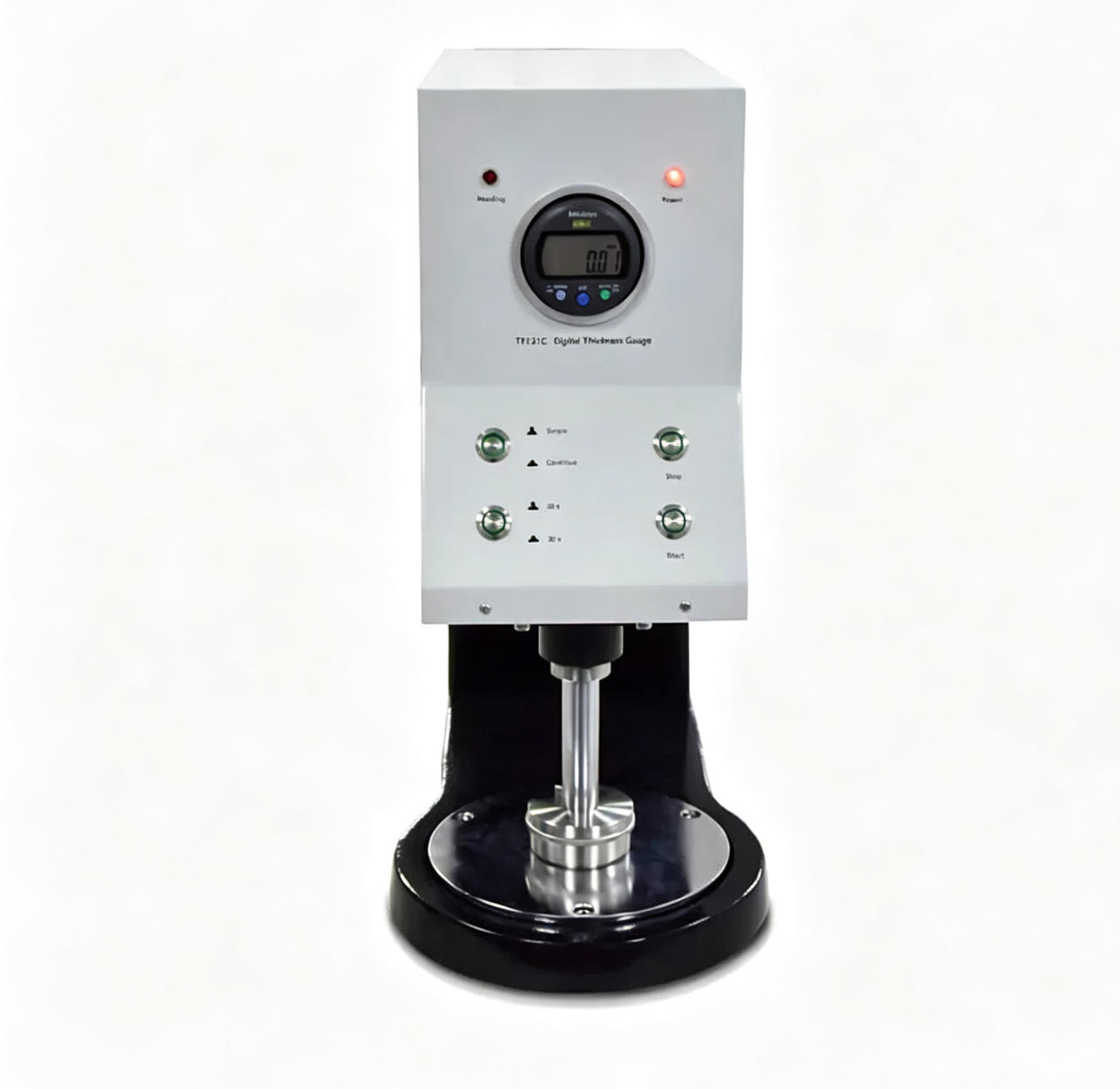
 Digital Thickness Gauge
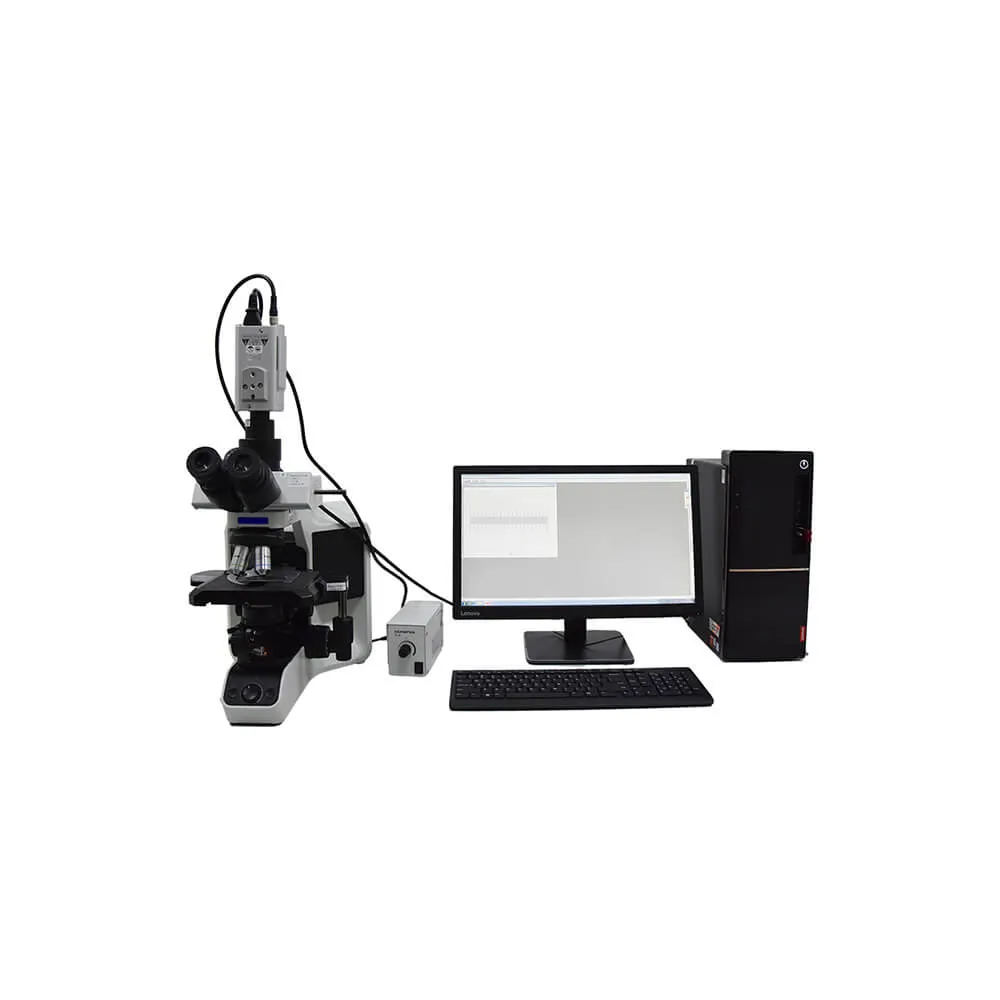
TNG1093
Fiber Fineness & Composition & Content Analyser - TNG1093
The TNG1093 Fiber Fineness & Composition & Content Analyser measures fiber fineness, composition, and content. It is used in textile laboratories for quality control and material analysis.
- Specifications
- 5
- Methods
- 2
- Images
- 5
- Supply
- Inquiry only
Inquiry only. No prices are published.
Product overview
The TNG1093 Fiber Fineness & Composition & Content Analyser is designed to determine fiber fineness and analyze fiber content and composition. It supports ISO 137 and ISO 17751 standards. The instrument uses digital image technology to measure fiber characteristics. Operators select the fiber object, and the system automatically calculates fineness and provides statistical results. It is applicable to natural and synthetic fibers, including cotton, wool, man-made fibers, and others. The system allows for microscopic observation of fiber morphology, enabling the identification of natural fibers based on their unique structural features. The TNG1093 is suitable for analyzing fiber longitudinal and transverse characteristics, aiding in the differentiation of fiber types. The instrument is intended for use in textile testing environments requiring precise fiber analysis.
Description
Fiber Fineness & Composition & Content Analyser for determining the fiber fineness and analyzing fiber content, fiber composition, such as cotton, wool, man-made fiber, etc. It is based on digital image technology, which means that the operator selects the fibre object and then the fibre analysis system automatically measures the fibers and obtains statistical results. It is more advanced than the crude fiber analysis machines in the market.
Fiber Fineness Test
Use the fiber fineness tester to magnify the fibers and project them onto the screen. Then select the fiber object and the system will automatically calculate the fiber fineness. It is a kind of high efficient fiber fineness measurement.
Fiber Composition Test
Use the microscope to magnify the fibers and project them onto a screen, then observe the morphology of the fibers. As different fibers have different morphological characteristics, it is possible to determine the composition of the fibers simply by comparing them with standard fiber photographs.
Fibre Content Test
Test the fiber composition first, then test the fiber diameter or cross-sectional area, as well as the number of fibers. Finally, the software calculates the fiber content automatically.
Note: This system needs a customized PC.
Technical description
- Standard configuration
- Power, Weight, Dimensions
- Fiber Fineness Analyser
- Fiber Fineness Test
- Fiber fineness software
- 220/110V, 50/60Hz
- 600 x 400 x 600 mm (L x W x H)
- Fiber Fineness & Composition & Content Analyser
- Fiber Composition Test
- Fiber Content Test: By checking the fiber longitudinal to test the fiber content.
- Fiber fineness & content software
Working principle
Microscopic observation is a common method of analyzing fibers. Analysis of fibers by magnifying them using a microscope and observing their longitudinal and transverse morphology at certain magnifications. Natural fibers have their own unique morphological characteristics, such as the natural curl of cotton fibers, the scales of wool, the transverse knots and vertical patterns of hemp fibres, the triangular cross-section of silk, etc. Natural fibres are therefore relatively easy to distinguish.
Test method notes
Brief Introduction of Fiber Fineness and Content Fineness is an important index of textile fiber and yarn. The finer the fiber, the higher the yarn strength. The fabric made of fine fiber is softer and softer. In the spinning process, spinning with fine fiber can reduce the broken rate, but the fiber is too thin and easily entangled into a knot. Fiber and yarn fineness have two kinds, direct index, and indirect index. The direct index is the diameter and cross-sectional area, however, because the cross-section of most fibers and yarns is irregular and accompanied by cavities, gaps, and holes, it is difficult to measure the diameter and cross-sectional area. So the fineness of textile fiber and yarn is expressed by indirect index, it is customary to use a unit length of mass or unit mass to denote the fineness of the fiber.
Specifications
| Model | Standards |
|---|---|
| Fiber Fineness Analyser | ISO 137 |
| Fiber Fineness & Composition & Content Analyser | ISO 137 ISO 17751-1 |
| Fiber Fineness & Composition & Content Analyser | AATCC 20/20A ISO 137 ISO 17751-1 |
| Fiber Content Test | By checking the fiber longitudinal and cross section to test the fiber content. |
Test standards supported
Each standard is matched to the instruments that support it.
Related instruments
Why request a quotation from TONNY
Founded in 2012 with a 60-person design and assembly team and worldwide supply. No prices are published and no registration is required to read a specification.
Tell us what you need to test.
Send the test method and the material. We will match the model, attach its specification table and reply with a written quotation - no prices published, no registration.