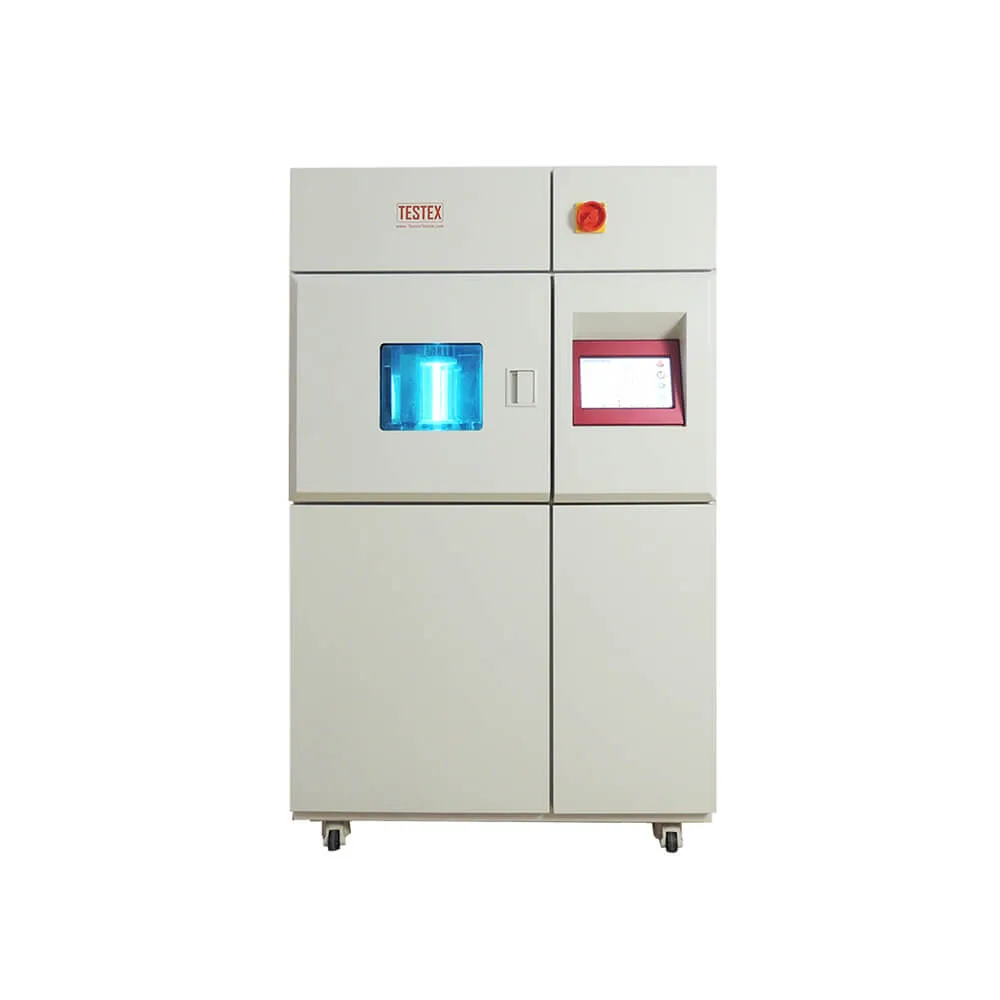
 Light Fastness Tester
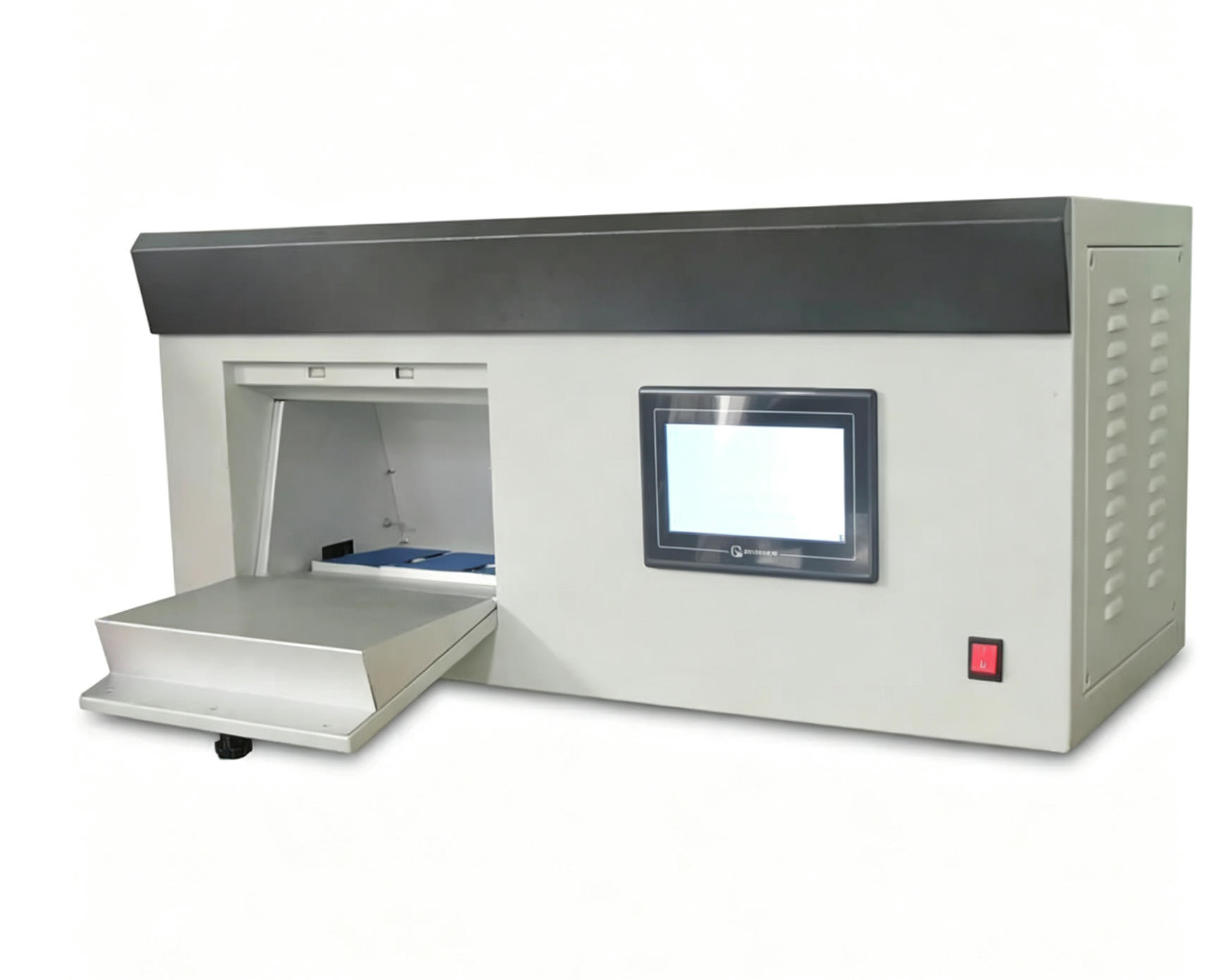
TNG1036
Light Fastness Tester - TNG1036
The TNG1036 Light Fastness Tester measures the light fastness of materials by simulating natural sunlight and artificial aging conditions. It is used for evaluating color fading, discoloration, and degradation in textiles and other colored materials.
- Specifications
- 19
- Methods
- 2
- Images
- 5
- Supply
- Inquiry only
Inquiry only. No prices are published.
Product overview
The TNG1036 Light Fastness Tester is designed to assess the light fastness of materials by replicating natural sunlight and various environmental conditions. It employs a 2500W air-cooled long-arc xenon lamp to simulate daylight, providing irradiance accuracy of ± 0.02W/m2 at 420nm. The instrument supports testing according to AATCC 16-2003 and ISO 105-B02 standards. It features a sample holder compatible with ISO/GB 16 Pcs for 175 x 45mm samples and AATCC 8 Pcs for 175 x 75mm samples. The device operates within a temperature range of 25 to 50 ℃ with a resolution of 0.1 ℃ and humidity ranges of 10 to 70% RH for bright cycles and 30 to 95% RH for dark cycles, with a resolution of 0.1% RH. Test time can be controlled up to 10,000 hours, and the sample holder rotates at 5 rpm. The TNG1036 is suitable for a wide range of materials, including textiles, prints, dyes, leather, plastics, and other colored substances. It offers multiple operating modes, such as light, dark, rain, and alternating cycles, to simulate real-world environmental conditions. The instrument provides real-time monitoring and closed-loop control to ensure accurate and repeatable results.
Features
The Fastness to Light Tester achieves a digital setting of light intensity.
Offering real-time monitoring, closed-loop control, and automatic adjustment to meet diverse standards, the system provides a comprehensive solution for precise testing. Additionally, it supports standard settings of 420nm; moreover, options for 340nm, 300–400nm, and 300–800nm are available upon request. This flexibility allows users to tailor their testing conditions to specific requirements, enhancing the overall efficiency and effectiveness of their processes.
The Fastness to Light Tester effectively simulates natural sunlight and various climate conditions.
It utilizes a 2500W long-arc xenon lamp to replicate the daylight spectrum; furthermore, it offers multiple operating modes, including rain, alternating light, dark, public rotation, and self-rotation. As a result, this versatility allows it to accurately recreate real climate scenarios, enhancing the reliability of the testing process.
The Xenon Tester delivers precise and consistent testing for temperature and humidity.
It features an industrial temperature control system for cooling, a multi-stage ultrasonic humidification system with intelligent control, and the ability to quickly adjust the test chamber’s temperature and humidity, ensuring reliable and stable test conditions.
Why Light Fastness Tester Stands Out?
Application
Textile light fastness is crucial. The Xenon Tester is a key tool for textiles. You can use it to test the color and performance changes of many materials. These include textiles, leather, and fake leather. They also include garments, auto parts, plastics, dyes, paints, and other colored materials. Adjust the temperature, humidity, and rain in the Weatherometer. Use a xenon lamp and light filter to mimic daylight. These tests check the material’s light fastness, sunlight weather fastness, and light aging resistance.
Xenon Test Chamber applies to Light Fastness Test iso 105 b02. It also applies to AATCC16.3 Color Fastness to Light. Five xenon testing methods for ISO 105 B02 can be acquired in this post. Also, you can easily get your sample’s lightfastness rating from this Xenon Tester.
Test Principle of the Fastness to Light Test, How is Colour Fastness to Light tested?
Know More about Fastness to Light Test
Lightfastness, also named “sunlight fastness”. Lightfastness is the ability of a product to keep its color. It must do so after being in the sun. The lightfastness scale ranges from poor to good, divided into 1 ~ 8 levels. Weather fastness is the ability to resist aging from sunlight, heat, cold, wind, and rain. Products like plastic, rubber, coatings, and fibers usually need to do those tests.
Technical description
- Working modes
- To simulate and reinforce the impact of the nature of the measured object, providing light and dark, temperature and humidity, raining and other quantitative indicators.
- 0.80 ~ 1.50W/m2 @ 420nm (340nm, 300~400nm, 300~800nm is offered on request), Digital set, automatic closed-loop compensation
- Irradiance accuracy
- ± 0.02W/m2 @ 420nm
- Light source
- 2500W air-cooled long-arc xenon lamp
- Sample holder
- 16 Pcs, can hold samples 175 x 45mm
- 8 Pcs, can hold samples 175 x 75mm
- Temperature range
- 25 ~ 50 ℃, Resolution 0.1 ℃
- Length: 1050 mm
- Width: 660 mm
- Height: 1680 mm
- GB/T 15102-2006
Working principle
The test simulates natural environmental conditions through a combination of temperature, humidity, rain, and condensation. After the exposure, we evaluate the material for signs of fading, discoloration, brittleness, and cracking, which indicate its light fastness and aging properties. We also check for color peeling and other potential issues. The degree of fading and aging is assessed using a gray sample card and blue wool standard. We would be happy to assist you.
Test method notes
Test principle of Xenon Test In the xenon test, put the textile specimen and the mutually agreed reference standard specimen (blue standard wool) under exposure to sunlight according to the specified requirement. Then compare the degree of their discoloration. At the same time, we can make a determination of the grade of light fastness of the textile specimen, which is based on the blue wool light fastness standard sample exposed to sunlight. Besides, all the light fastness test standards of sunlight fastness apply a relative comparison method. However, the exposure equipment does not directly show the xenon test results. The performance of the Light Fastness Tester mainly depends on the control of the parameters that affect the test environment, including the spectrum, light intensity, temperature, relative humidity, etc.
Specifications
| Working modes | To simulate and reinforce the impact of the nature of the measured object, providing light and dark, temperature and humidity, raining and other quantitative indicators. |
|---|---|
| Irradiance | 0.80 ~ 1.50W/m2 @ 420nm (340nm, 300~400nm, 300~800nm is offered on request), Digital set, automatic closed-loop compensation |
| Irradiance accuracy | ± 0.02W/m2 @ 420nm |
| Light source | 2500W air-cooled long-arc xenon lamp |
| Sample holder | • ISO / GB 16 Pcs, can hold samples 175 x 45mm • AATCC 8 Pcs, can hold samples 175 x 75mm |
| Temperature range | 25 ~ 50 ℃, Resolution 0.1 ℃ |
| Humidity range | Bright cycle 10 ~ 70% RH, Dark cycle 30 ~ 95%, R. H. resolution 0.1% |
| Test time control | ≤ 10000h |
| Rotation speed of sample holder | 5 rpm |
| BPT Range | (40 ~ 80) +/- 2℃ |
| BST Range | (40 ~ 85) +/- 1℃ |
| 250 kg | — |
| 220 V | 50 Hz |
| Length: 1050 mm | Width: 660 mm |
| ISO 105-B02 | ISO 105-B04 |
| Weight | 250 kg |
| Length | 1050 mm |
| Width | 660 mm |
| Height | 1680 mm |
Test standards supported
Each standard is matched to the instruments that support it.
Related instruments
Light Fastness Tester
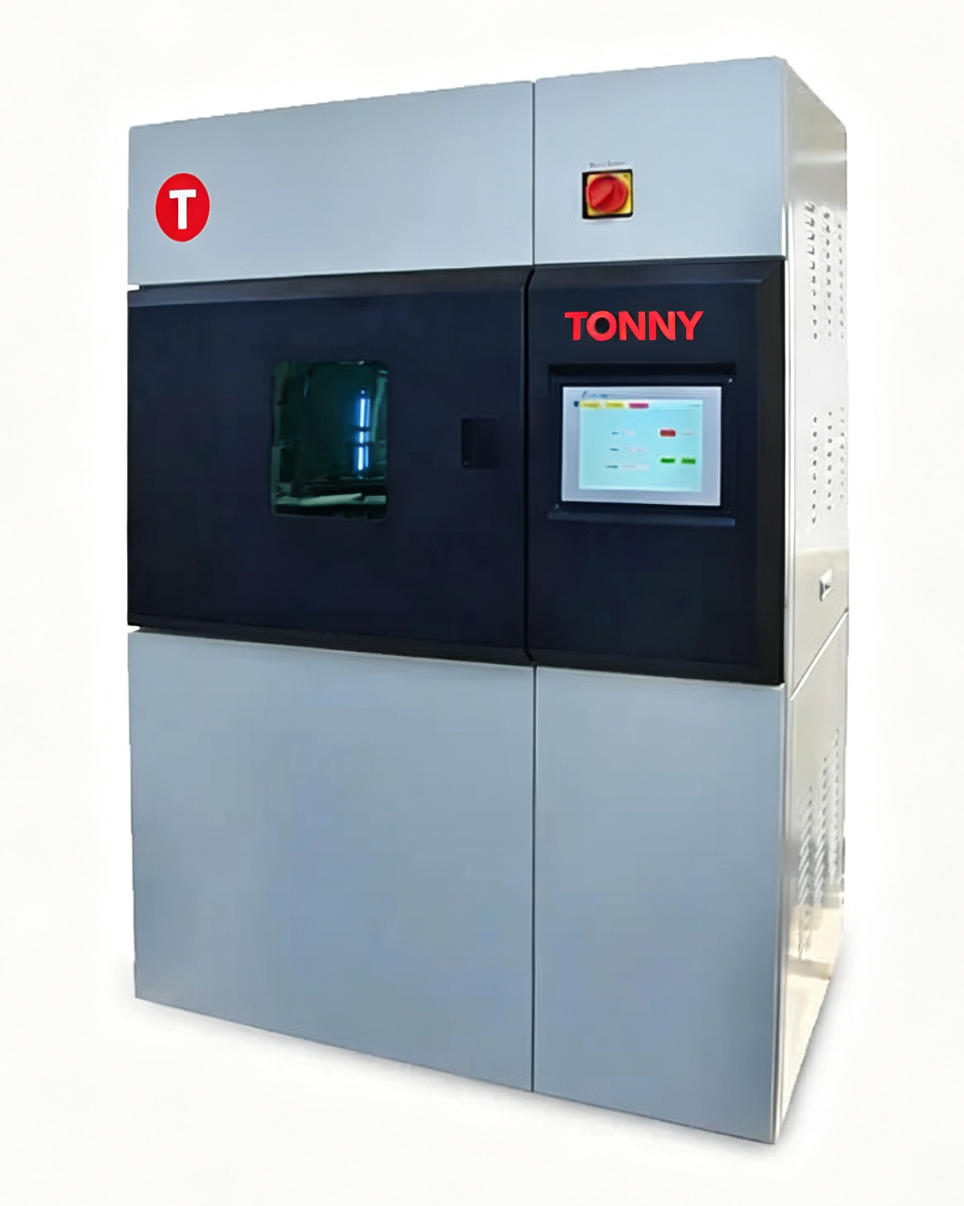 Water-cooled Light Fastness Tester
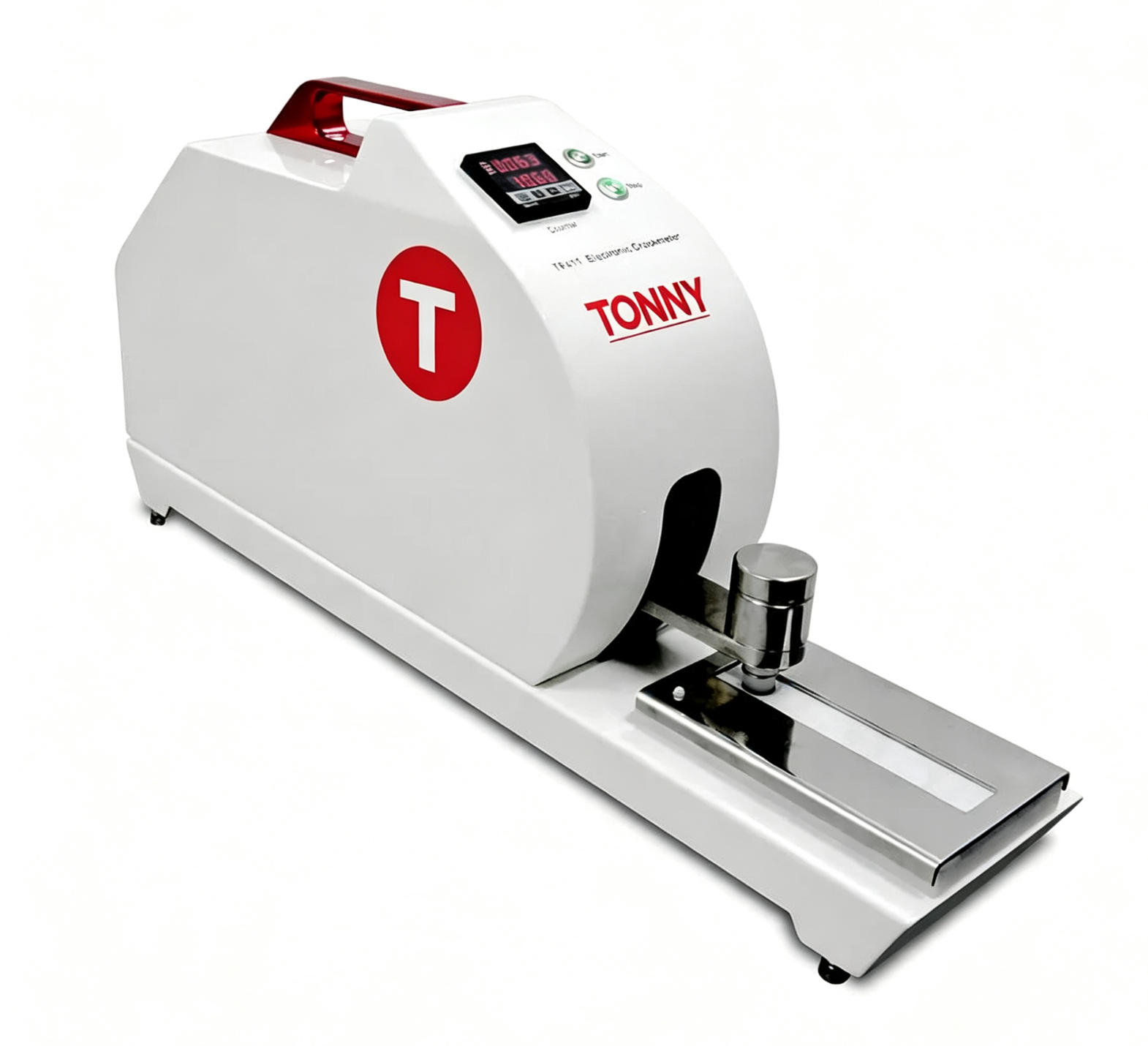 Crockmeter
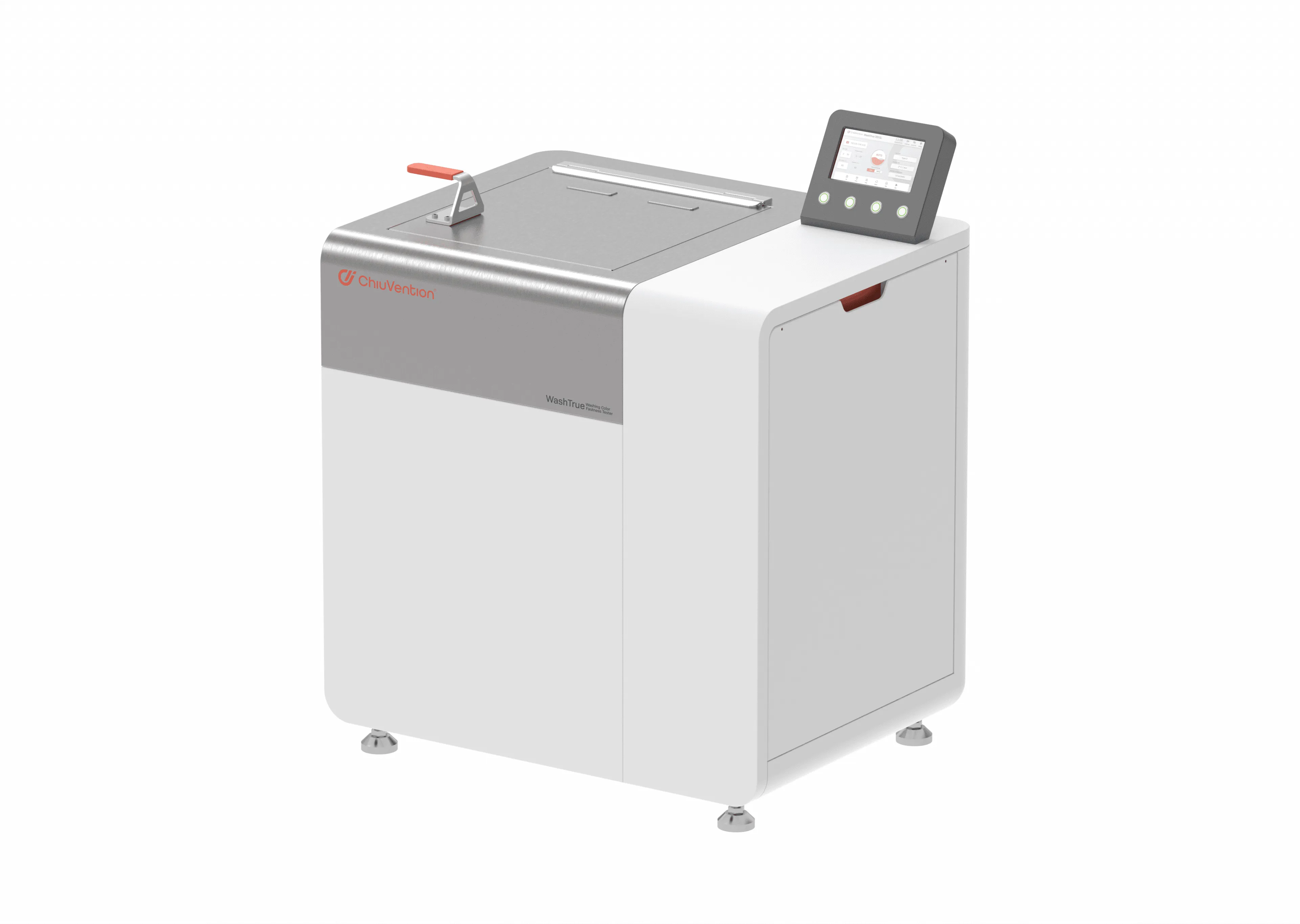 WashTrue Washing Fastness Tester
Why request a quotation from TONNY
Founded in 2012 with a 60-person design and assembly team and worldwide supply. No prices are published and no registration is required to read a specification.
Tell us what you need to test.
Send the test method and the material. We will match the model, attach its specification table and reply with a written quotation - no prices published, no registration.