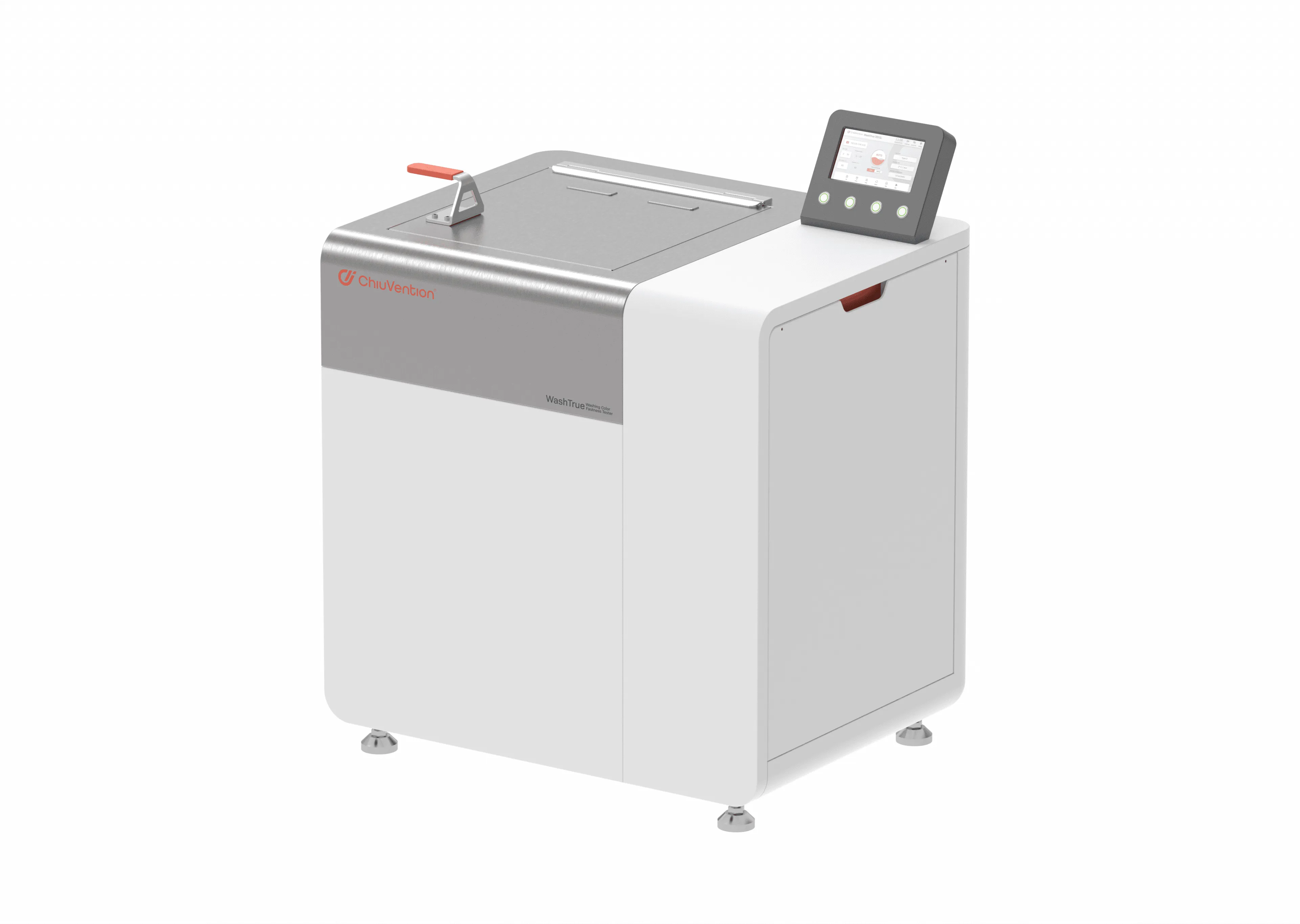
 WashTrue Washing Fastness Tester
TNG1029
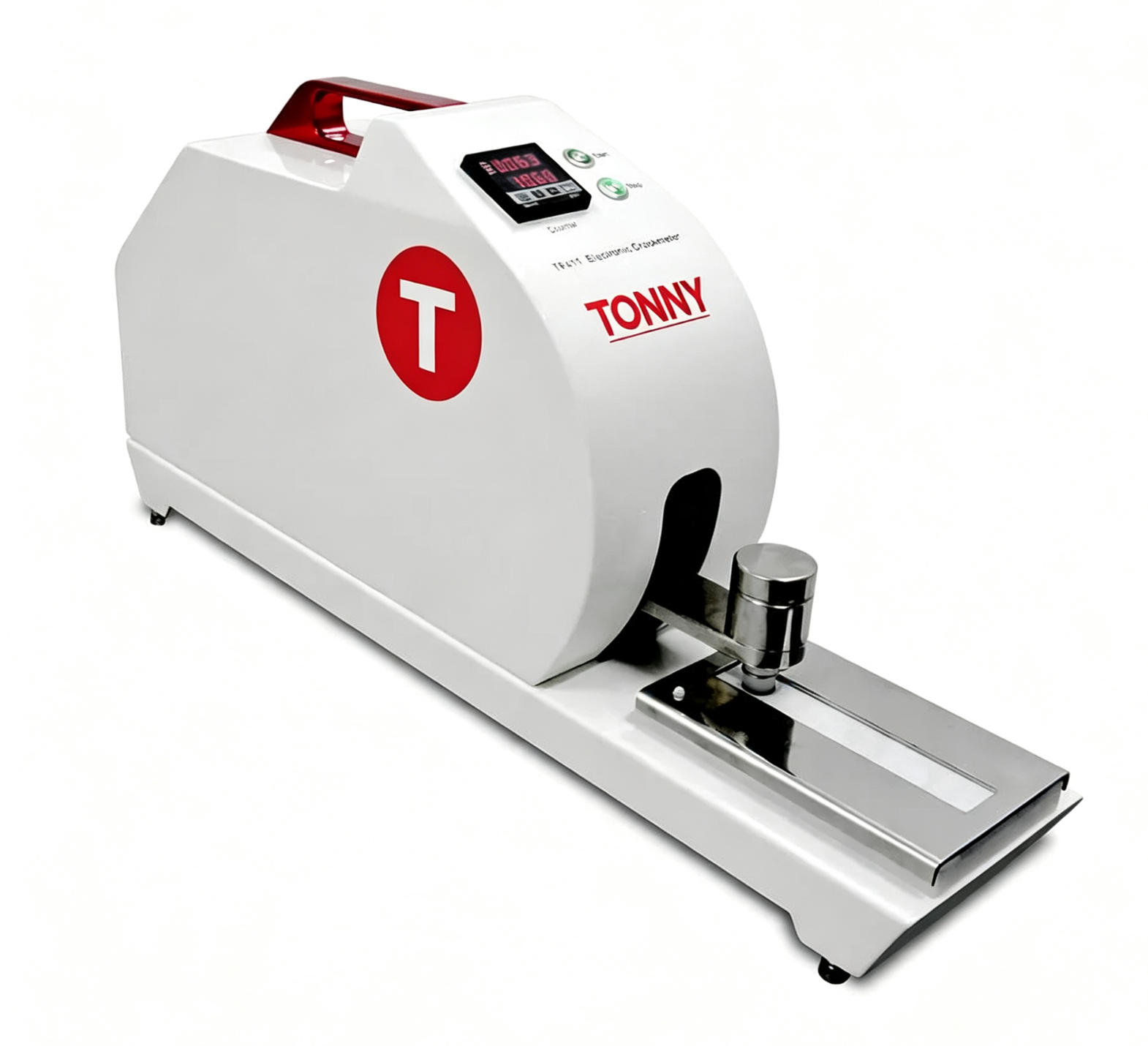
Crockmeter - TNG1029
The TNG1029 Crockmeter measures color fastness to dry and wet rubbing in textiles. It is used in quality control and research to assess the durability of color under friction.
- Specifications
- 10
- Methods
- 4
- Images
- 5
- Supply
- Inquiry only
Inquiry only. No prices are published.
Product overview
The TNG1029 Crockmeter is designed for testing color fastness to rubbing in textiles. It operates by applying a controlled rubbing action to a sample, simulating the effect of repeated friction. The instrument is suitable for woven, knitted, and nonwoven fabrics. It supports testing according to AATCC 8, ISO 105, and ISO 20433 Method C standards. The rubbing head has a diameter of 16 mm, and the vertical pressure is set at 9N with a tolerance of +/-10%. The rubbing stroke is 104 mm, and the counter can record up to 999,999 cycles, automatically stopping when the set number is reached. The device is powered by 220/110 V at 50/60 Hz with a current rating of 3 A. The TNG1029 is built to provide consistent and reliable test results in accordance with specified standards.
Features
- 1. Accurate test result
- The precision slide rail ensures the linear movement of the friction rod and the friction finger, avoiding the uneven staining test result.
- 2. Both wet and dry rubbing testing can be performed.
- 3. Advantageous test sets
- An enormous-sized specimen exerts even pressure on the sample
- getting rid of the wrinkles when rubbing.
- 4. Meet strict standards
- Parts such as switches, buttons, and counting meters are from the US
- and Japan. They meet strict test standards and have stable performance.
- Easy to operate
- Easy lift design makes it easy to change either Abradants or Specimens.
- The unique Handle design makes this crock meter portable and friendly to female operators.
Application
The Crockmeter also named rubbing fastness tester, is mainly used in cotton, wool, hemp, silk, knitting, printing, and dyeing industries, the determination of various types of fabric color resistance to dry, wet friction color fastness.
Moreover, the Crockmeter rubbing fastness tester can apply to textiles made from all fibers in the form of yarn or fabric whether they are in the process of dyeing, printing, or coloring. However, it is unwise to use the Crockmeter for carpets or for prints. Because their singling out of areas may be too small to apply this method. Most importantly, we need to carry out the Crockmeter test before or after some treatments, such as washing, dry cleaning, washing, dry cleaning, shrinkage, ironing, finishing, and other processes about textiles. Otherwise, they may affect the degree of color transfer from a material, making it poor.
Besides, the Crockmeter is equipped with an electronic counter with a handle set on the top to take it easy. And it has a piece of sandpaper set under the test sample. Therefore, it is possible to fix the sample during the test, making the rubbing Color Fastness test repeatable. With the aid of a stable slide, the instrument can offer you even and precise testing results.
Technical description
- 170 mm * 650 mm * 330 mm
- 220/110 V 50/60 Hz 3 A
- ISO 105x12(circular rubbing head), GB/T 3920(circular rubbing head), AATCC8,ISO 20433 Method C
- Optional Standards
- ISO 105xD02,ISO 105x12(rectangular rubbing head),GB/T 3920(rectangular rubbing head),AATCC165
- AATCC rubbing clothing
- Clamping sleeve
- Sampling plate
- Optional Accessories
- AATCC/ISO rubbing cloth
- AATCC/ISO grey card
- Rectangular test heads and clamping rings
- Round clamping rings
- Test Principle of Crockmeter
- The rubbing head (usually weighs 9N) runs with a standard speed in the friction cloth specimen, to do the standard length of reciprocal linear motion, after reaching the set number of times, the Crockmeter automatically stops running. Then use the gray sample card to assess the staining of the friction cloth, so as to assess the rubbing color fastness of the sample.
Test method notes
Terminology Dyeing color fastness: the resistance to transferring the color or stained color to other materials. And the color fading or the transfer may occur during the processing, testing, storage, or usage. Friction Decolorization: The transfer of color from one material to another material by rubbing. Test Specification This method is used to measure the degree of color transfer from colored textile surfaces to other textile surfaces under the effect of friction. It applies to dyed fibers, printed fabrics, or other colored yarns or fabrics. The dry and wet white cotton cloth is used as a friction medium. Sample Preparation Crocking Cloth: This is a white unbleached, undyed cotton lawn material Fabric to be Tested: The sample need not be cut to any specific size as long as an increased portion covers the metallic mounting plate.
Specifications
| Type of Crockmeter | Electronic Crockmeter |
|---|---|
| Rubbing head | 16 mm |
| Vertical pressure | 9N+/-10% |
| Rubbing stroke | 104 mm |
| Counter | 1 ~ 999,999 times, automatically stop |
| Net Weight | 11 kg |
| Dimensions | 170 mm * 650 mm * 330 mm |
| Power | 220/110 V 50/60 Hz 3 A |
| Standards | ISO 105x12(circular rubbing head), GB/T 3920(circular rubbing head), AATCC8,ISO 20433 Method C |
| Optional Standards | ISO 105xD02,ISO 105x12(rectangular rubbing head),GB/T 3920(rectangular rubbing head),AATCC165 |
Test standards supported
Each standard is matched to the instruments that support it.
Related instruments
WashTrue Washing Fastness Tester
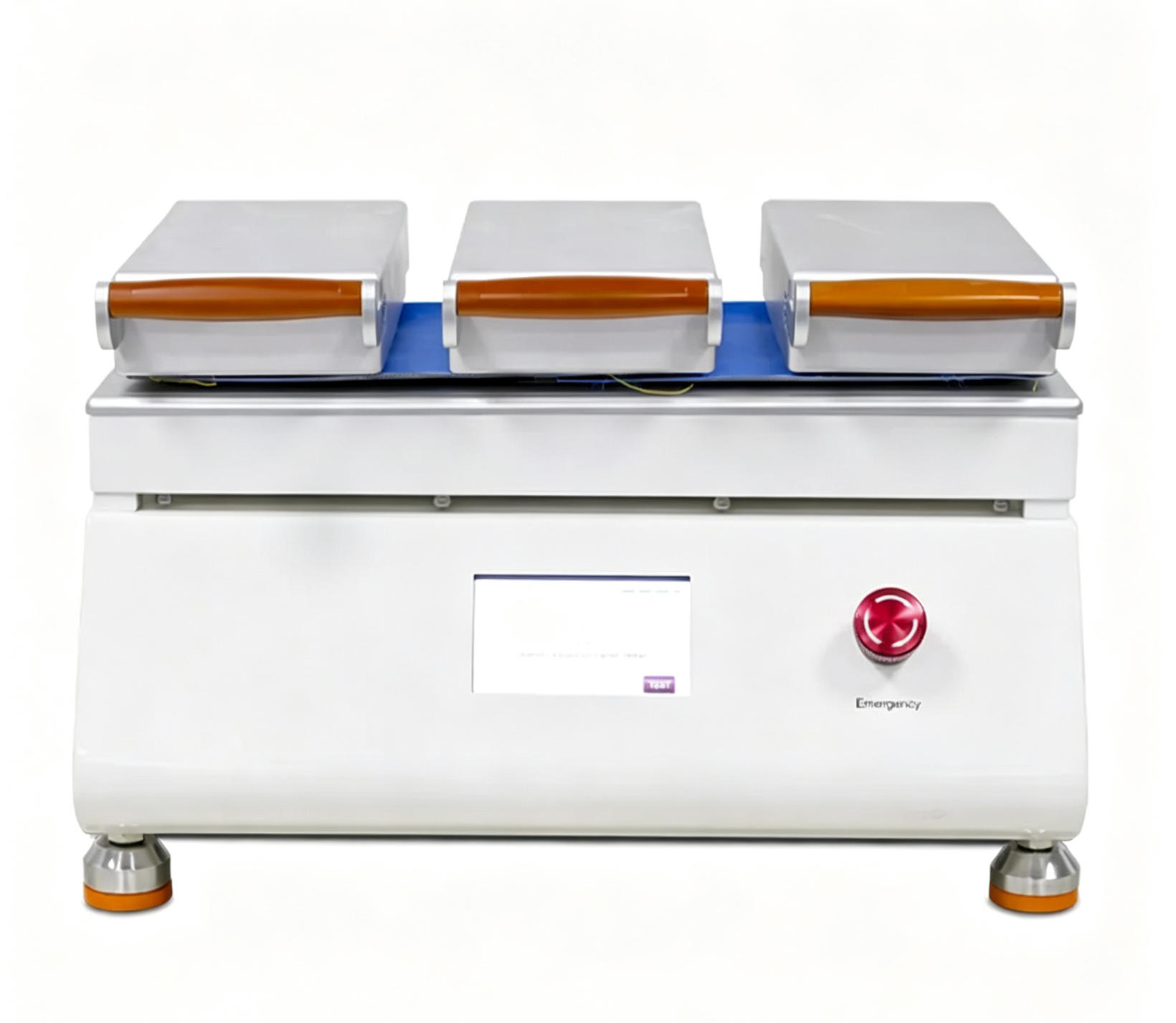 Scorch Tester (Sublimation Fastness Tester)
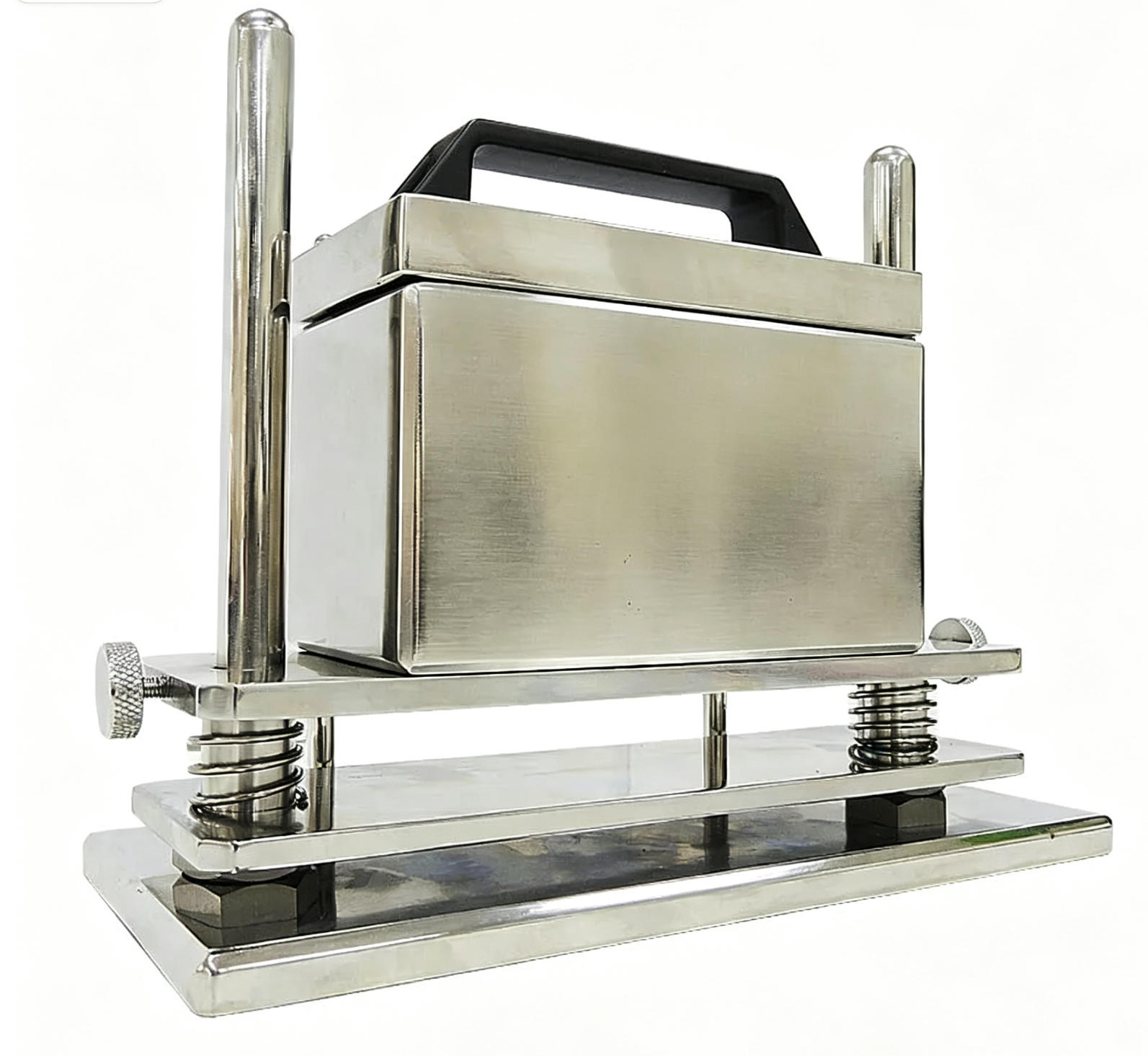 Perspiration Tester / Perspirometer
 Water-cooled Light Fastness Tester
Why request a quotation from TONNY
Founded in 2012 with a 60-person design and assembly team and worldwide supply. No prices are published and no registration is required to read a specification.
Tell us what you need to test.
Send the test method and the material. We will match the model, attach its specification table and reply with a written quotation - no prices published, no registration.