 Salt Spray Tester
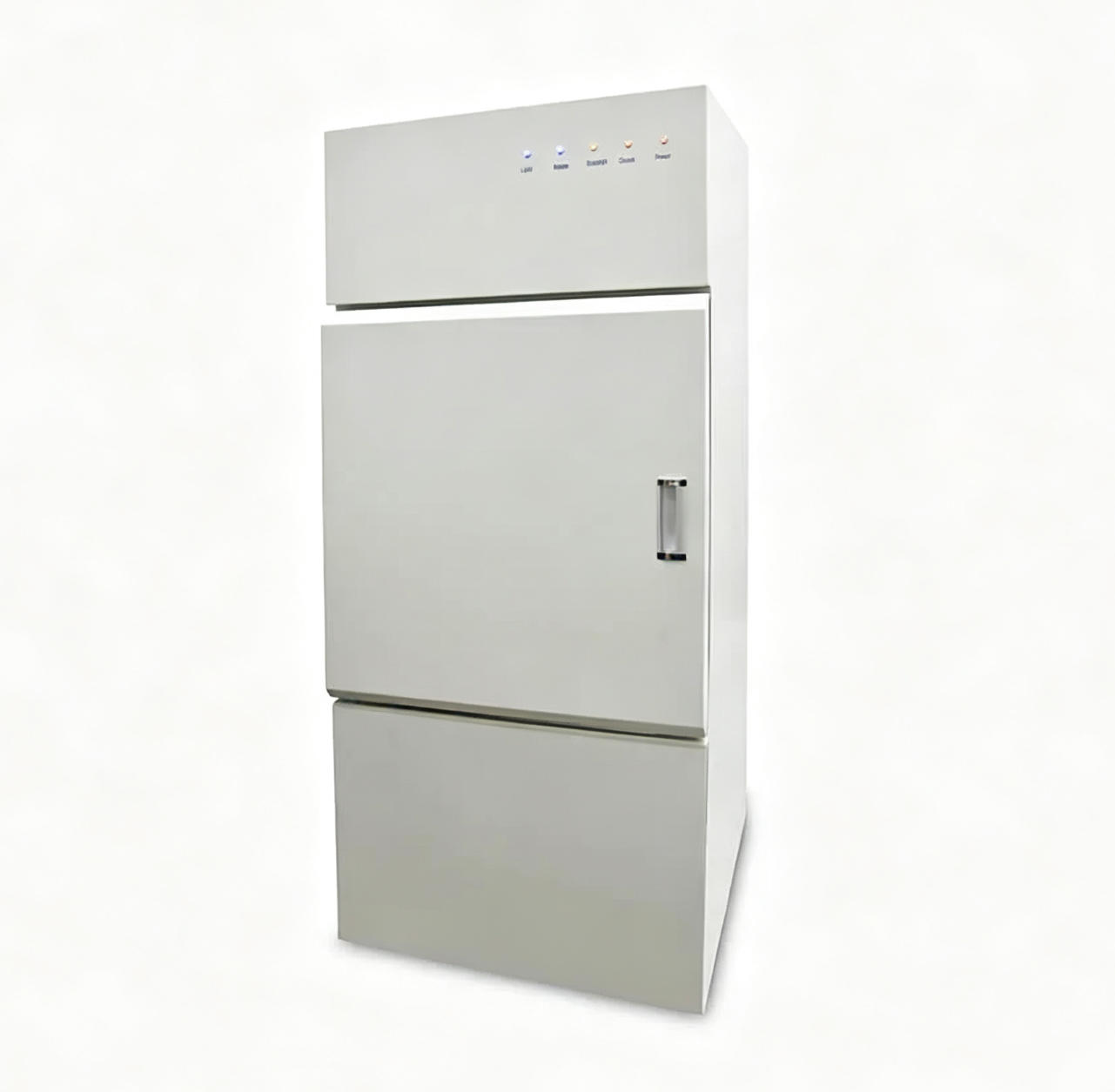
TNG1122
Fabric Drape Tester - TNG1122
The TNG1122 measures the drape coefficient of fabrics by analyzing the projected area of a draped specimen. It is used in quality control and material testing to assess fabric drapability.
- Specifications
- 10
- Methods
- 1
- Images
- 5
- Supply
- Inquiry only
Inquiry only. No prices are published.
Product overview
The TNG1122 is designed to determine the drape coefficient of textiles by capturing and analyzing the shadow of a draped fabric on a paper surface. The instrument operates by placing a circular specimen on a supporting disk and projecting parallel light perpendicular to the horizontal plane. The resulting projection is captured using a CCD imaging system and processed to calculate the percentage of the projected area relative to the original area. This method complies with ISO 9073-9 and supports optional ISO 9073-9 method B. The TNG1122 is suitable for testing a wide range of fabric types, including cotton, denim, and linen. It features a CCD imaging system capable of handling both dynamic and static images. The device also allows for data counting, analysis, storage, and output of graphs. Testing should be conducted under general or natural light conditions, avoiding direct sunlight and strong light. The instrument cover should be closed during testing to ensure accuracy. The system requires a customized PC for operation.
Application
Fabric Drape Tester, to measure and calculate the co-efficiency of the fabric drape using image processing technology. It can test the drape property of all kinds of fabrics, such as cotton, denim, and linen.
The fabric drape tester is equipped with a CCD imaging system capable of handling, dynamic and static images. In addition, it can count, analyze, store and output graphs and data from the test process. Moreover, the instrument can test without changing the background color when there are specimens of different colors. Besides, when testing, there are some notes. This instrument requires a customized PC. The fabric drape tester should be exposed to general light and natural light rather than direct sunlight and strong light. When testing, we should put down the instrument cover to avoid affecting the testing accuracy.
Drape Test Principle
Place the circular specimen in the circular supporting disk first. Then irradiate the sample with a parallel light perpendicular to the horizontal plane, and obtain the projection diagram of the sample. In the end, calculate the percentage of the projection area to the original area by using the image processing method.
Technical description
- Working pattern computer controlled, CCD imaging, full-automatic processing of images and computer data.
- Length: 600 mm
- Width: 460 mm
- Height: 1300 mm
- GB/T 23329 method B
- Optional Standards: ISO 9073-9 method B
- What is a fabric drape and How to Test it?
- Fabric drape is the property of fabric to sag by its own gravity and forms a smooth and evenly curved surface.
- The test principle: prepare a stiff fabric with less drape, more light shading, and less light current. Conversely, the soft fabric with more drape, shade less, and have a higher photocurrent. Thus the fabric drape is indirectly reflected by the change in photocurrent.
- As shown in the diagram, 1 is the specimen, 2 is the pillar, 3 and 5 are the reflectors, 4 is the light source (on the focal point of reflector 3) and 6 is the photocell (on the focal point of reflector 5).
Working principle
Place the circular specimen in the circular supporting disk first. Then irradiate the sample with a parallel light perpendicular to the horizontal plane, and obtain the projection diagram of the sample. In the end, calculate the percentage of the projection area to the original area by using the image processing method.
Test method notes
The significance of Fabric Drape and its Definition Fabric drape refers to the performance of fabric draping due to its own gravity. The drape of the fabric is one of the important contents of the fabric’s visual form and aesthetic comfort. Draping reflects the drape degree and drape shape of the fabric, and it is an important factor to determine the visual beauty of the fabric. And for the living and clothing fabrics, we have a high requirement for their durable wear as well as other characteristics, such as beautiful appearance, wearing comfort, etc. Therefore, the fabric is required to have a relatively good bending performance, which can be shown by the drape and flexibility performance. Only when the fabric meets with the related requirement, can the manufacturer produce them, becoming popular and competitive in the textile market.
Specifications
| 50 kg | — |
|---|---|
| 220 V | 50 Hz |
| Length: 600 mm | Width: 460 mm |
| GB/T 23329 method B | — |
| Optional Standards | ISO 9073-9 method B |
| Weight | 50 kg |
| Length | 600 mm |
| Width | 460 mm |
| Height | 1300 mm |
| Optional Standards | ISO 9073-9 method B |
Test standards supported
Each standard is matched to the instruments that support it.
Related instruments
Why request a quotation from TONNY
Founded in 2012 with a 60-person design and assembly team and worldwide supply. No prices are published and no registration is required to read a specification.
Tell us what you need to test.
Send the test method and the material. We will match the model, attach its specification table and reply with a written quotation - no prices published, no registration.