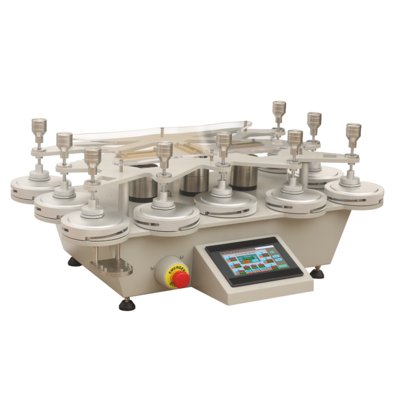
 Martindale Abrasion and Pilling Tester
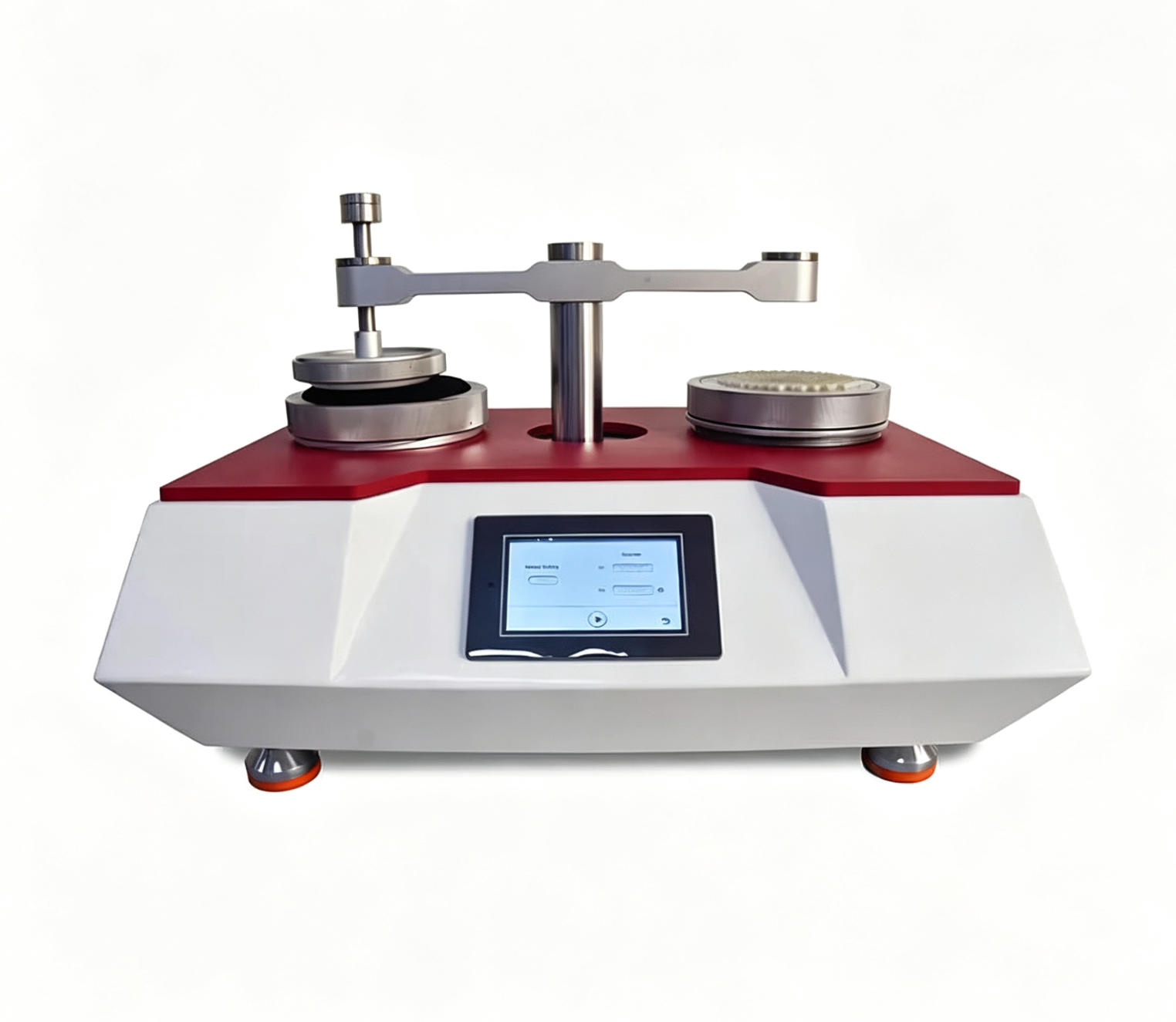
TNG1010
Circular Locus Tester - TNG1010
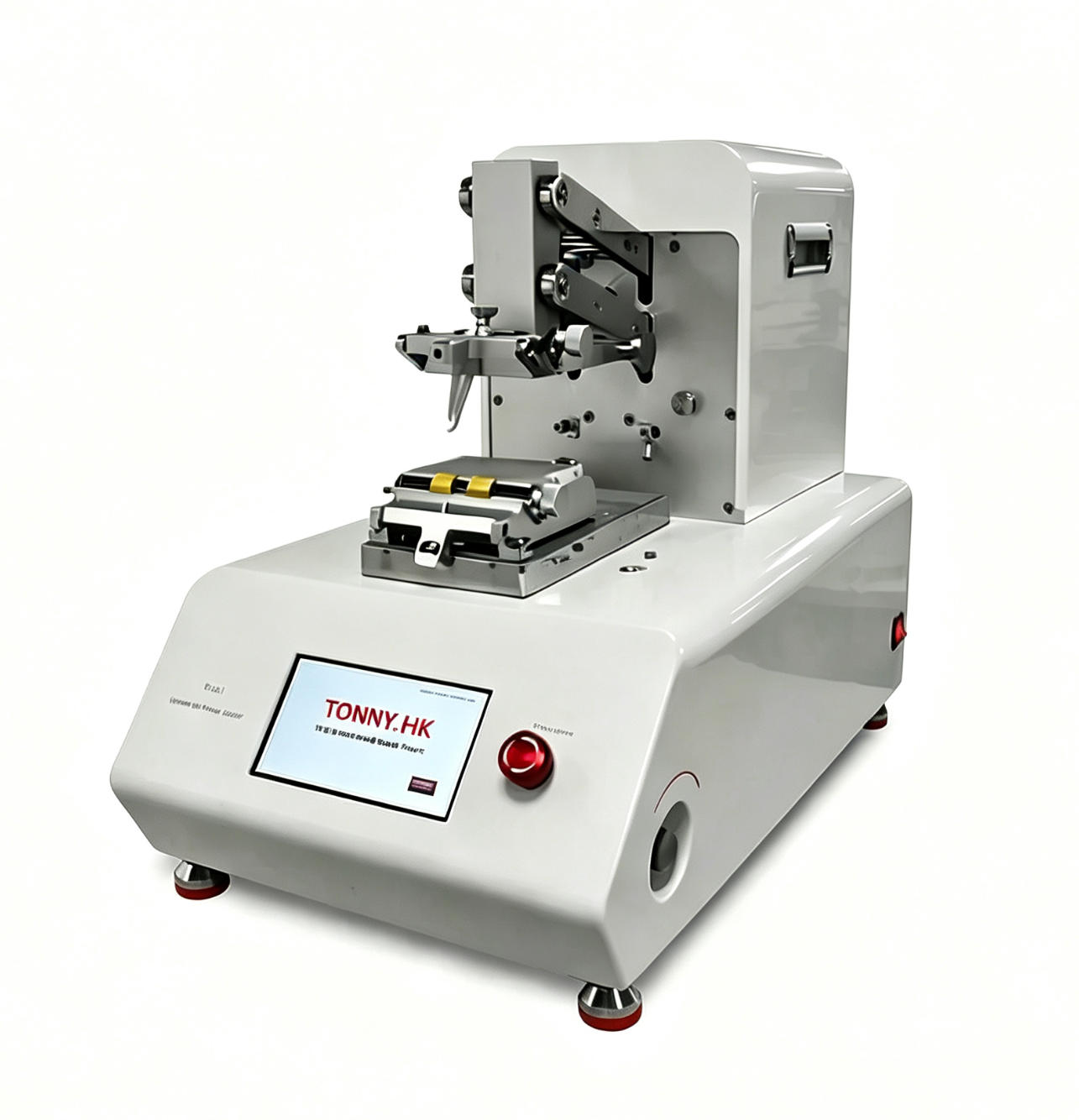
The TNG1010 Circular Locus Tester measures surface deterioration of fabrics through controlled abrasion. It is used to assess the quality of wool, chemical fiber, mixed, kitted, and woven fabrics.
- Specifications
- 14
- Methods
- 0
- Images
- 5
- Supply
- Inquiry only
Inquiry only. No prices are published.
Product overview
The TNG1010 Circular Locus Tester is designed to evaluate the resistance of fabric surfaces to abrasion and pilling. The instrument operates by rotating a specimen against a nylon brush and abrasive material under controlled conditions. The test motion follows a circular locus with a diameter of 40 mm and a rotational speed of 60 ± 1 revolutions per minute. The machine applies a specified pressure to the specimen, which can be adjusted to 490cN, 590cN, or 780cN with a tolerance of ±1%. A counter displays the number of cycles, ranging from 1 to 9,999, and automatically stops when the limit is reached. The tester is compatible with GB/T 4802.1-2008 and other relevant standards. The unit has dimensions of 550 mm in length, 260 mm in width, and 380 mm in height. It includes a self-stop switch for safety and control. The device is suitable for testing a variety of fabric types, including wool, chemical fiber, mixed, kitted, and woven fabrics.
Application
Circular Locus Tester, to determine surface deterioration and quality of fabrics (wool, chemical fiber, mixed, kitted and woven fabrics). Using an active friction system, fabric is rubbed against a nylon brush and abrasive or an abrasive only under controlled conditions. Results of the test are achieved in minutes. The relative motion of the locus specimen grip and the abrasive platform is a circle with a relative speed of 60+/-1 r/min. The grip offers pressure to the specimen which is adjustable with a tolerance of +/-1%. For added control and safety, the machine is equipped with a self-stop switch.
Technical description
- Test motion: Circular Locus of Dia. 40mm
- Test speed: 60 ± 1 r/min
- Height of Brush: 2 ~ 12mm, adjustable
- Pressure on specimen: 490cN, 590cN, 780cN,.
- Counter: 1 – 9,999 times, stop automatically
- Optional orders
- Standard Abradant gabardine
- Standard Backing Foam
- Standard Brush Set
- Woolen fabric sample photos 3 small sets (total 15 photos)
- Knitted fabric pilling sample photo I, II (a total of 12)
- Length: 550 mm
- Width: 260 mm
- Height: 380 mm
Test method notes
Test Method of Pilling During the pilling test, there is different test method for different material and use of fabric. For example, both Martindale method and pilling box method are aim at the European market, the random tumbling pilling method is aim at the American market and the circular locus method is aim at the Chinese market. Brief Introduction of Circular Locus Method Circular locus method is widely used in China, which is applicable to woven fabrics, part of knitting fabric like sportswear, T-shirt, and underwear. The relevant standard is GB/T4802.1. For filament fabric and short fiber, the specimen should be abraded with nylon brush at first, then it can be abraded with an abrasive cloth. For wool fabric and fabric easy to pilling, they can be abraded with abrasive cloth directly.
Specifications
| 30 kg | — |
|---|---|
| 220/110 V | 50/60 Hz |
| Length: 550 mm | Width: 260 mm |
| GB/T 4802.1 | — |
| Test motion | Circular Locus of Dia. 40mm |
| Test speed | 60 ± 1 r/min |
| Height of Brush | 2 ~ 12mm, adjustable |
| Pressure on specimen | 490cN, 590cN, 780cN,. |
| Counter | 1 – 9,999 times, stop automatically |
| Weight | 30 kg |
| Length | 550 mm |
| Width | 260 mm |
| Height | 380 mm |
| Standards | GB/T 4802.1 |
Related instruments
Martindale Abrasion and Pilling Tester
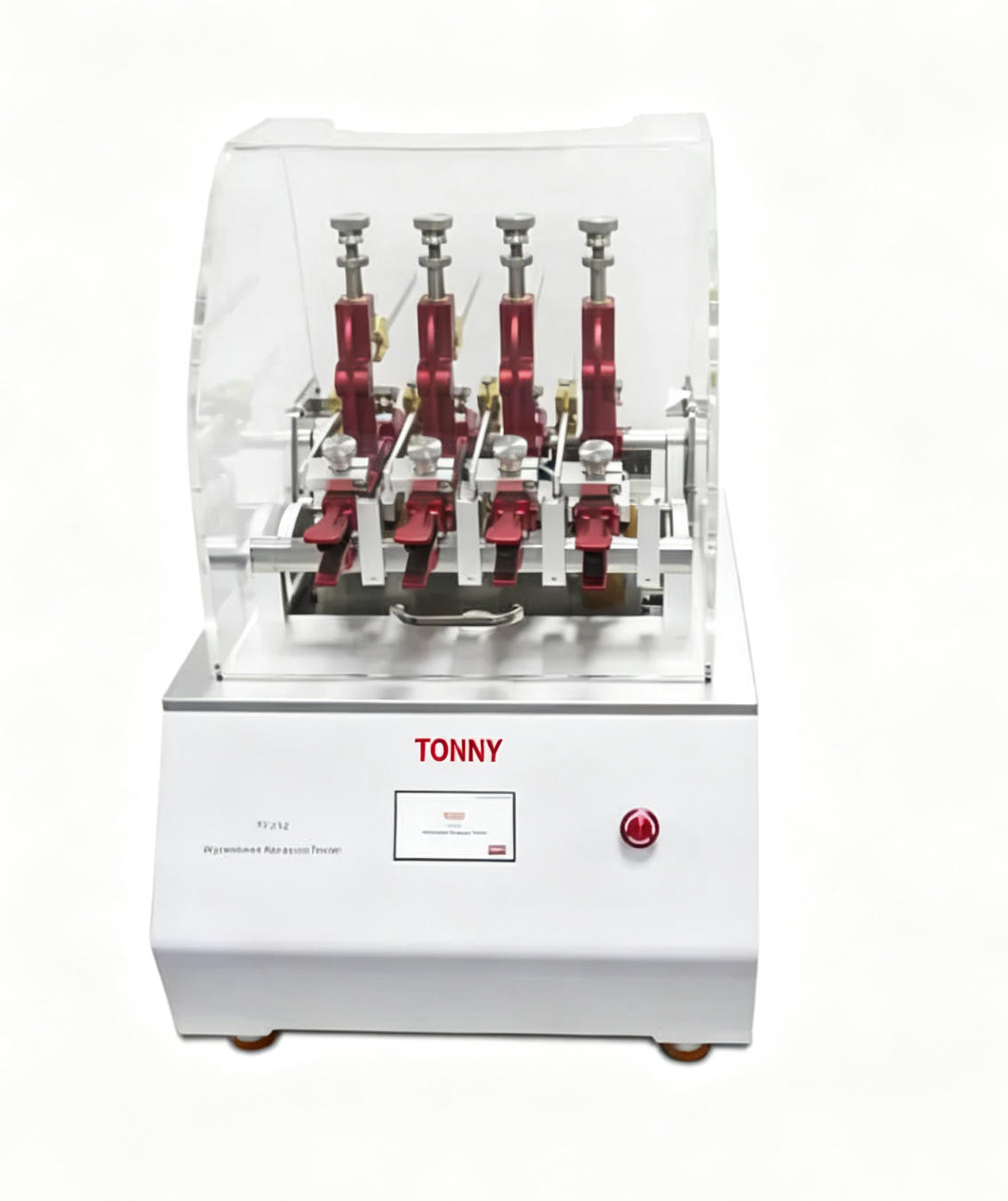 Wyzenbeek Abrasion Tester
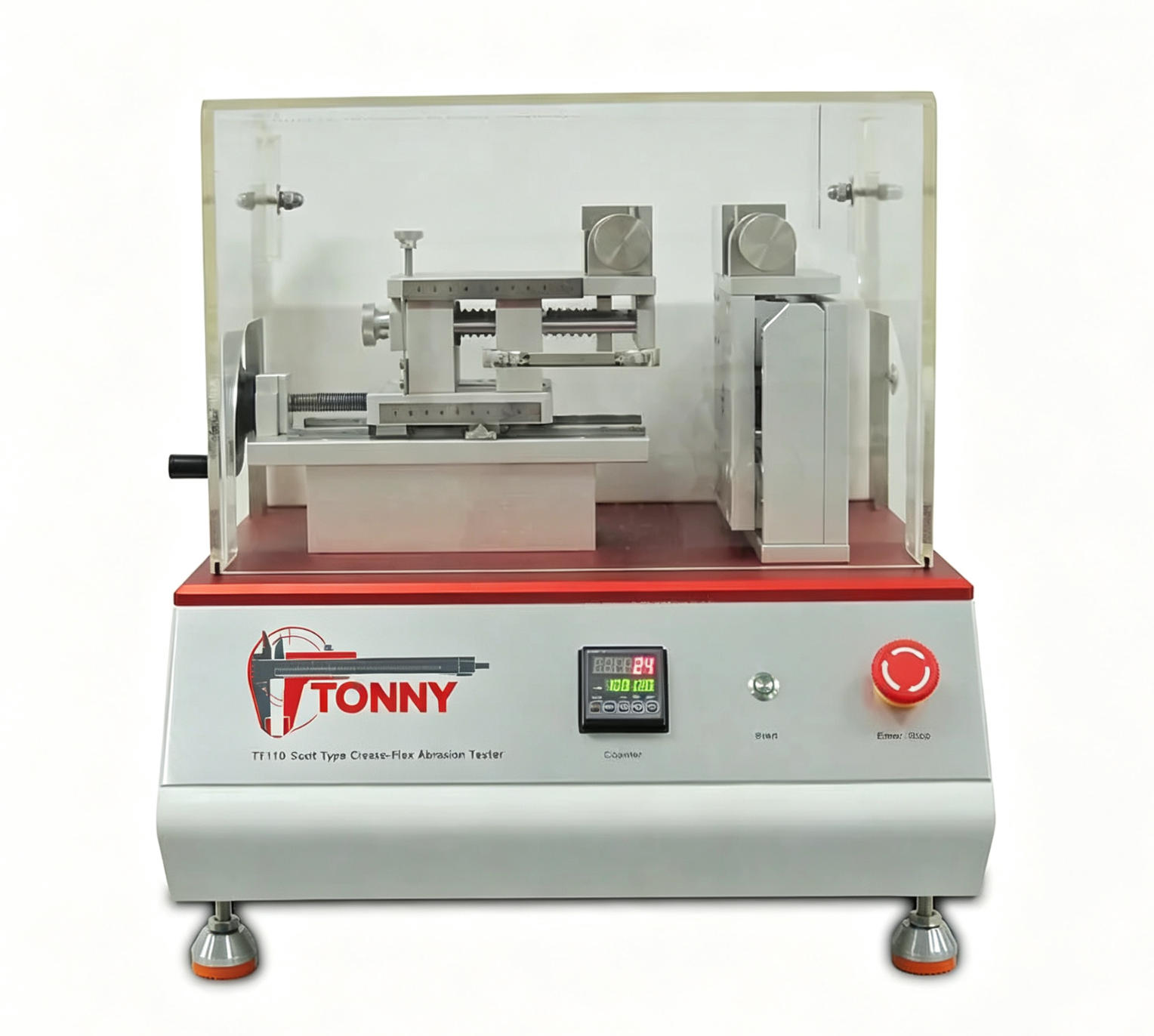 Scott Type Crease-Flex Abrasion Tester
 Universal Wear Tester
Why request a quotation from TONNY
Founded in 2012 with a 60-person design and assembly team and worldwide supply. No prices are published and no registration is required to read a specification.
Tell us what you need to test.
Send the test method and the material. We will match the model, attach its specification table and reply with a written quotation - no prices published, no registration.