ISO 105 tester models and their published ranges
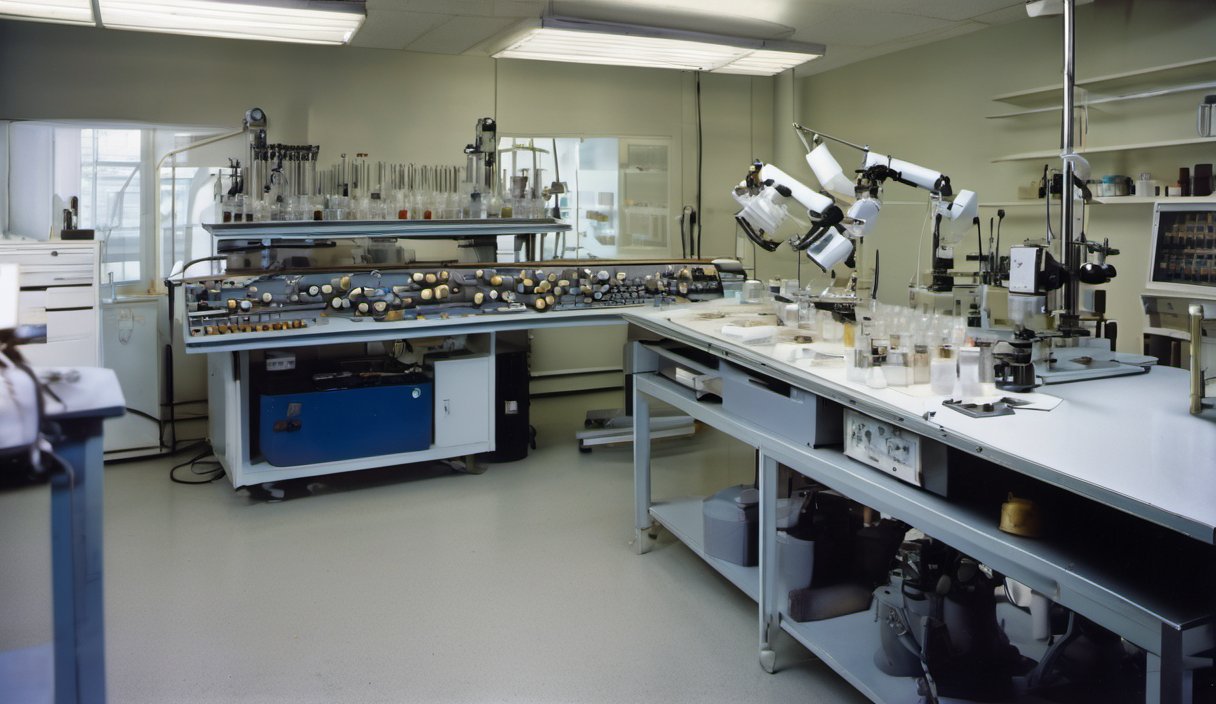
The Crockmeter, WashTrue Washing Fastness Tester, Scorch Tester, and Perspiration Tester are all designed to meet the requirements of ISO 105 for colour fastness testing, each offering specific features that align with the standard's criteria for assessing fabric durability under various conditions.
Colour Fastness Testing: Crockmeter vs. WashTrue Washing Fastness Tester
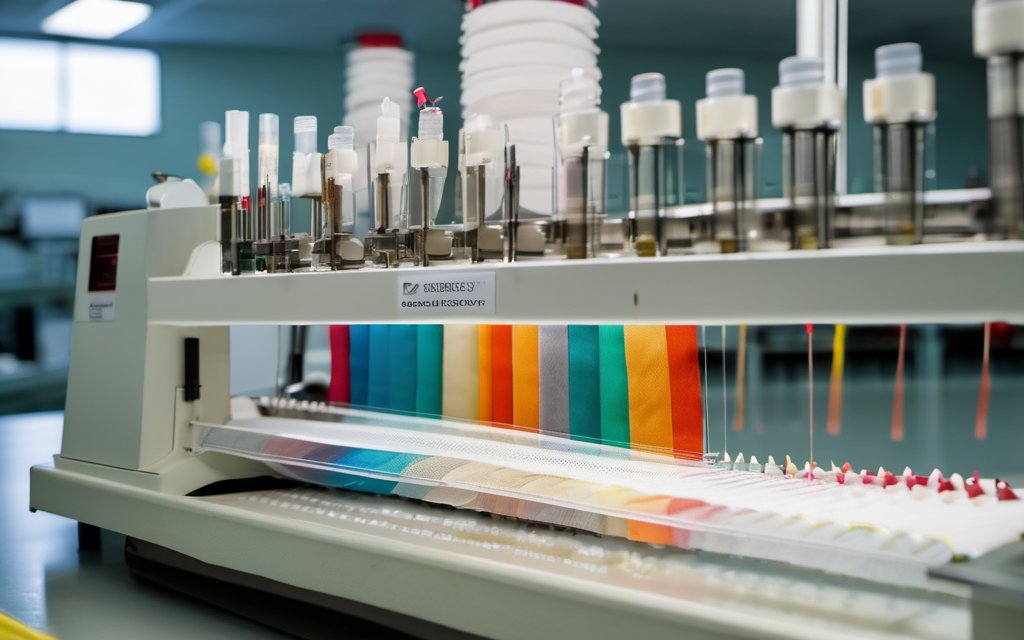
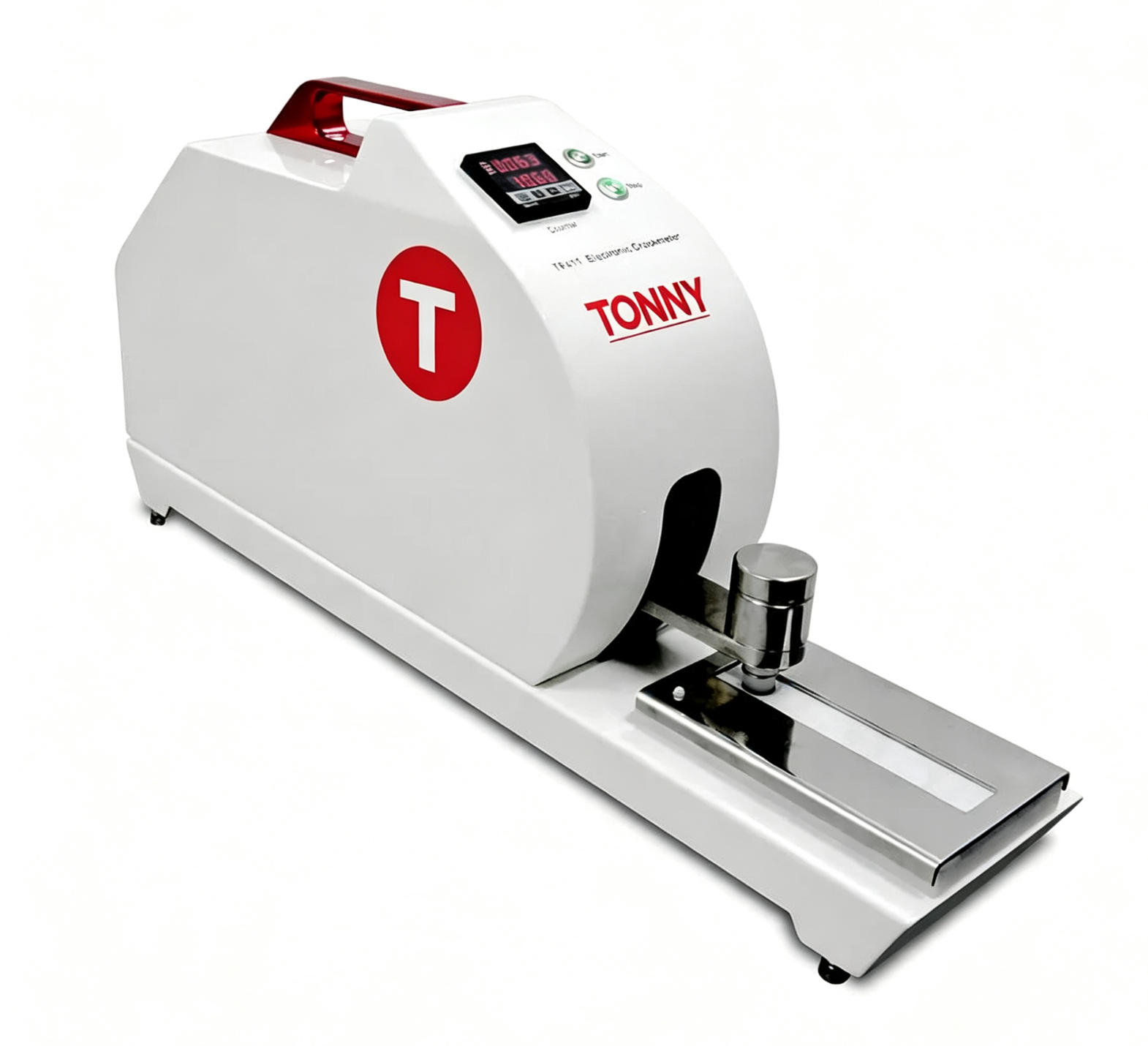
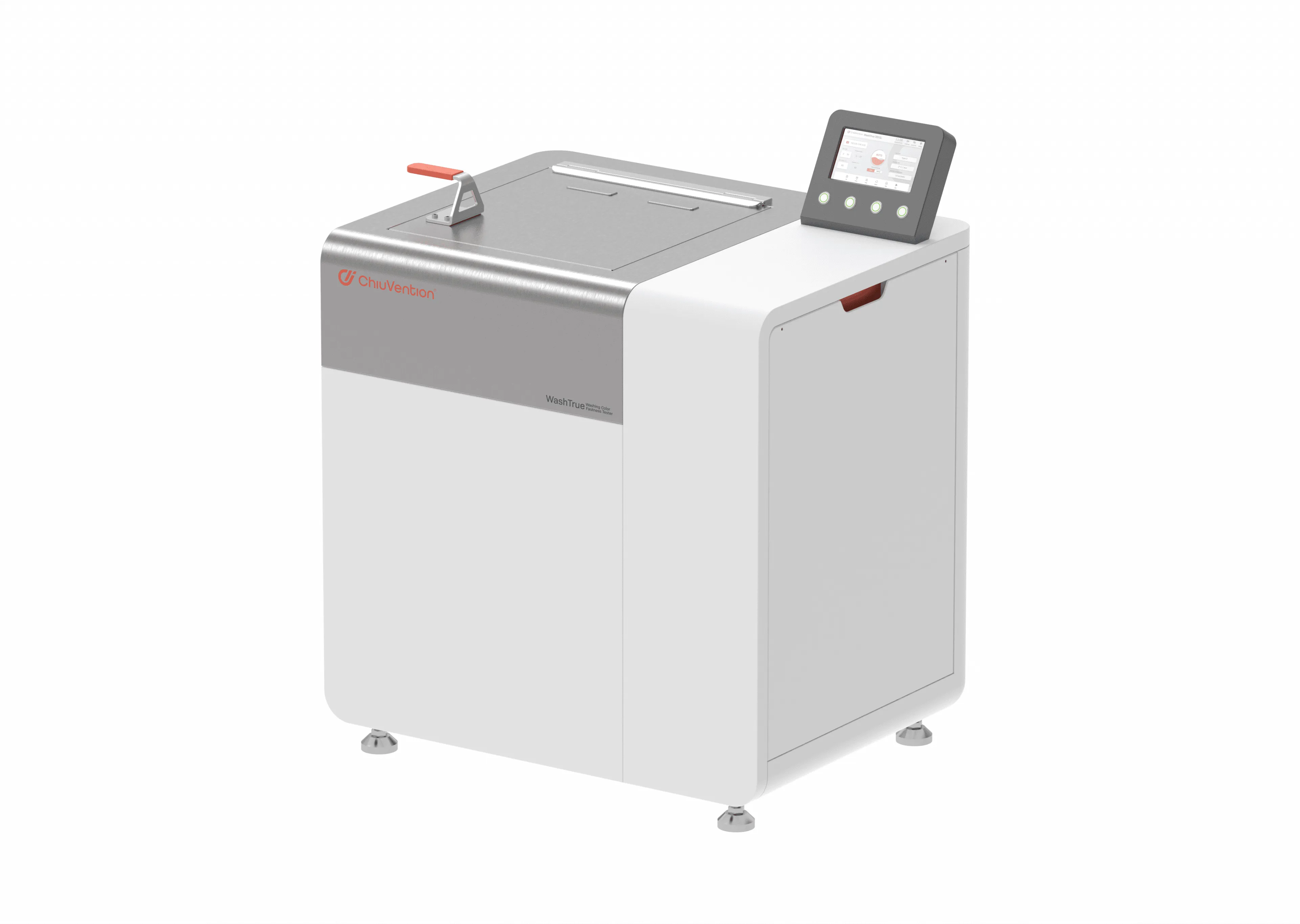
The Crockmeter (TNG1029) is an electronic device specifically designed for evaluating colour fastness to rubbing. It features a 16 mm rubbing head and applies a vertical pressure of 9N±10%, which simulates the mechanical stress experienced by fabrics during normal use. These specifications ensure that the test results are consistent with ISO 105's requirement for standardized rubbing force. The 104 mm rubbing stroke and counter that can record up to 999,999 cycles provide precise control over the test duration and repetition, supporting the standard's emphasis on reproducibility. In contrast, the WashTrue Washing Fastness Tester (TNG1027) is tailored for assessing colour fastness to washing. It operates within a temperature range of 0°C to 95°C, with a heating rate of 1.5±0.5℃/min and a temperature accuracy of ±2°C. These parameters ensure that the washing conditions closely mimic real-world scenarios, as specified by ISO 105. The rotation speed of 40 ± 2 r/min and the distance from the bottom of the cup to the rotary axis of 45 ±10 mm further contribute to the standardization of the test process.
Scorch Tester and Perspiration Tester: Specialized Testing for Sublimation and Sweat Resistance
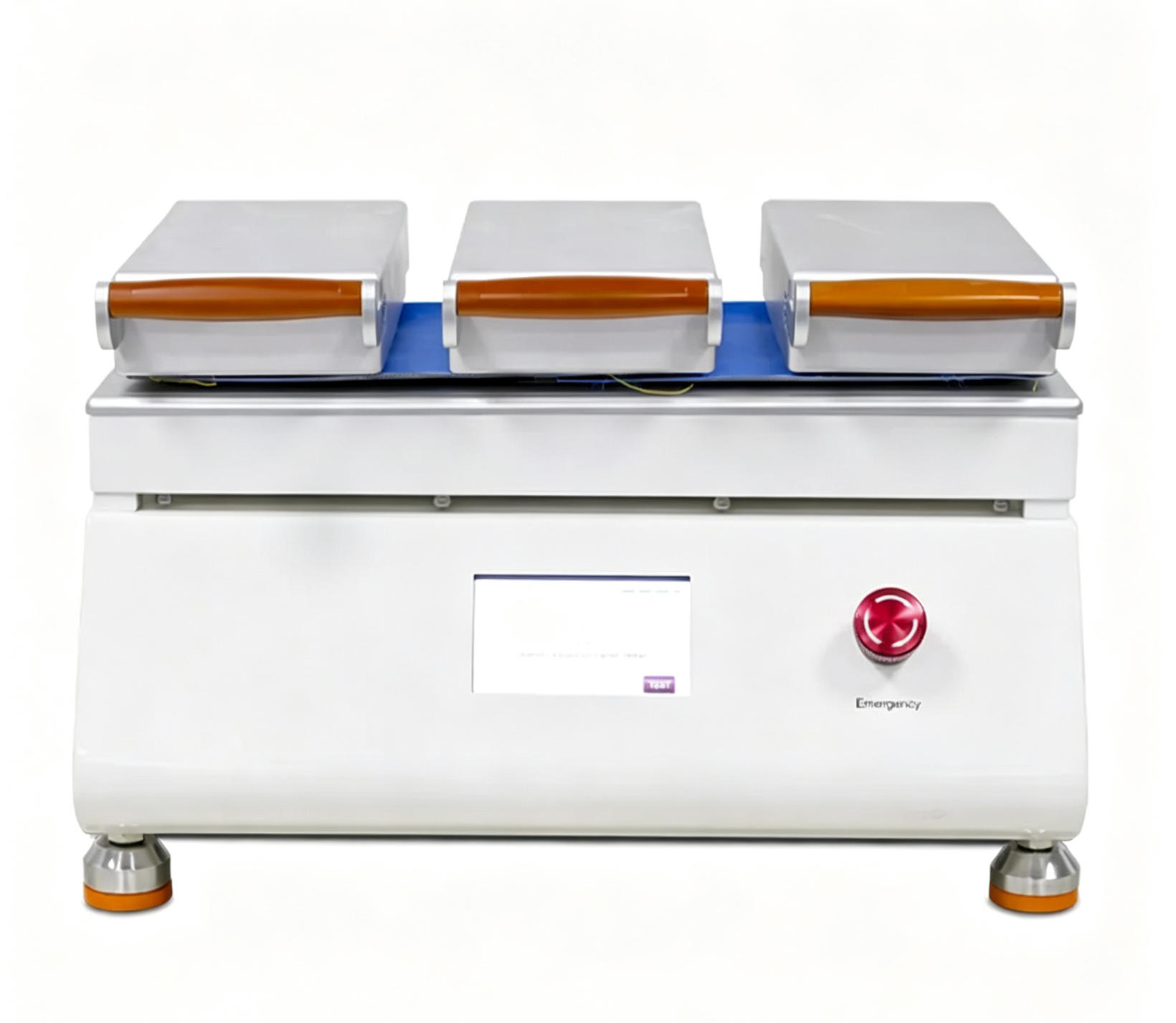
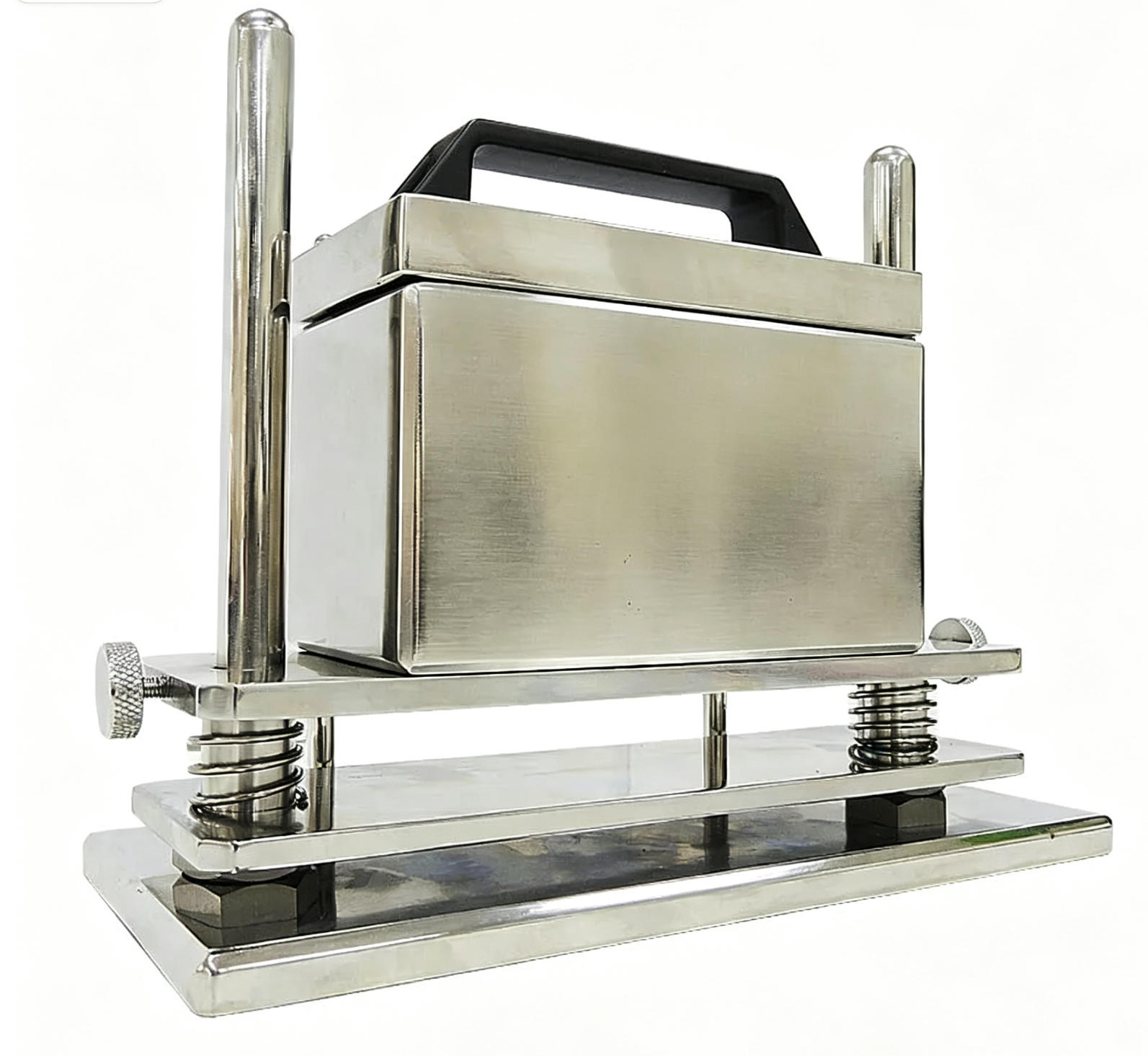
The Scorch Tester (TNG1025) is designed for sublimation fastness testing, using standard accessories like insulation cotton and optional heat-insulating asbestos sheets. It accommodates AATCC NO.10A multi-fiber cloth, which is essential for accurately simulating the conditions described in ISO 105. The device's dimensions of 460 mm in length and 310 mm in width, along with its power requirements of 220 V at 50 Hz, ensure that it can be used in a variety of laboratory settings while maintaining the necessary precision for sublimation testing. The Perspiration Tester / Perspirometer (TNG1034) is used to evaluate colour fastness to perspiration, following AATCC 15, 107, and 106 standards. Its weight of 7 kg and dimensions of 190 mm in length are designed to fit within standard laboratory equipment, allowing for accurate simulation of sweat exposure. These specifications ensure that the Perspiration Tester meets the requirements of ISO 105 by providing a controlled environment for testing fabric resistance to perspiration.
Conclusion: Meeting ISO 105 Standards Through Precision and Standardization
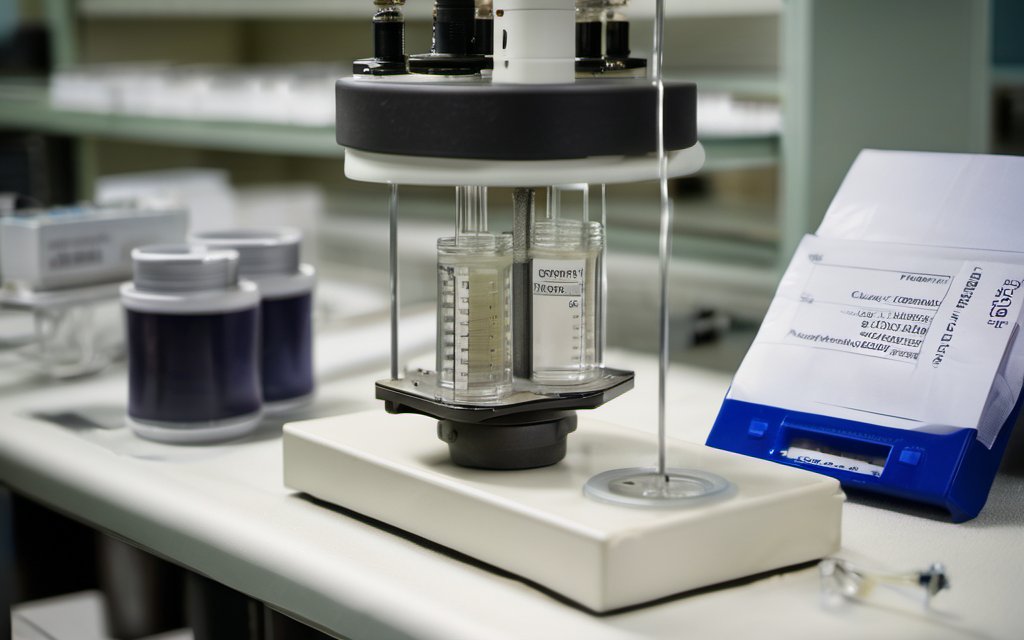
Each of the four instruments—Crockmeter, WashTrue Washing Fastness Tester, Scorch Tester, and Perspiration Tester—plays a unique role in meeting the requirements of ISO 105. Their specifications, such as the rubbing head size, pressure application, temperature control, and simulation of real-world conditions, ensure that the testing process is both accurate and standardized. By adhering to these specifications, laboratories can confidently produce reliable results that align with the international standards for colour fastness testing.
Instrument models referenced
- TNG1029 Crockmeter (Colour Fastness Testing). Published specifications include Type of Crockmeter Electronic Crockmeter; Rubbing head 16 mm; Vertical pressure 9N+/-10%.
- TNG1027 WashTrue Washing Fastness Tester (Colour Fastness Testing). Published specifications include Temperature setting range Normal temperature (>0°C)~ 95°C; Heating Rate 1.5±0.5℃/min; Temperature Accuracy ± 2°C.
- TNG1025 Scorch Tester (Sublimation Fastness Tester) (Colour Fastness Testing). Published specifications include Standard Accessories: Insulation cotton; Optional Accessories: Heat-insulating asbestos sheet; DW multi-fiber cloth AATCC NO.10A multi-fiber cloth.
- TNG1034 Perspiration Tester / Perspirometer (Colour Fastness Testing). Published specifications include Length: 190 mm; Perspiration: AATCC 15.
Editorial note. This application note summarises the published scope of the standard and our documented model data. Configuration requirements vary between standard editions, and instruments support a method only with the appropriate fixtures and accessories. Please confirm the required configuration against the applicable edition of the standard before ordering; conformity of a given test result also depends on the specimen and the procedure followed.
Instruments referenced
Test standards referenced
Need the instrument for this method?
Send the standard number and the material. We reply with the matching model, its full specification table and a quotation.