Preparing for ASTM F2100 testing: from method to instrument setup
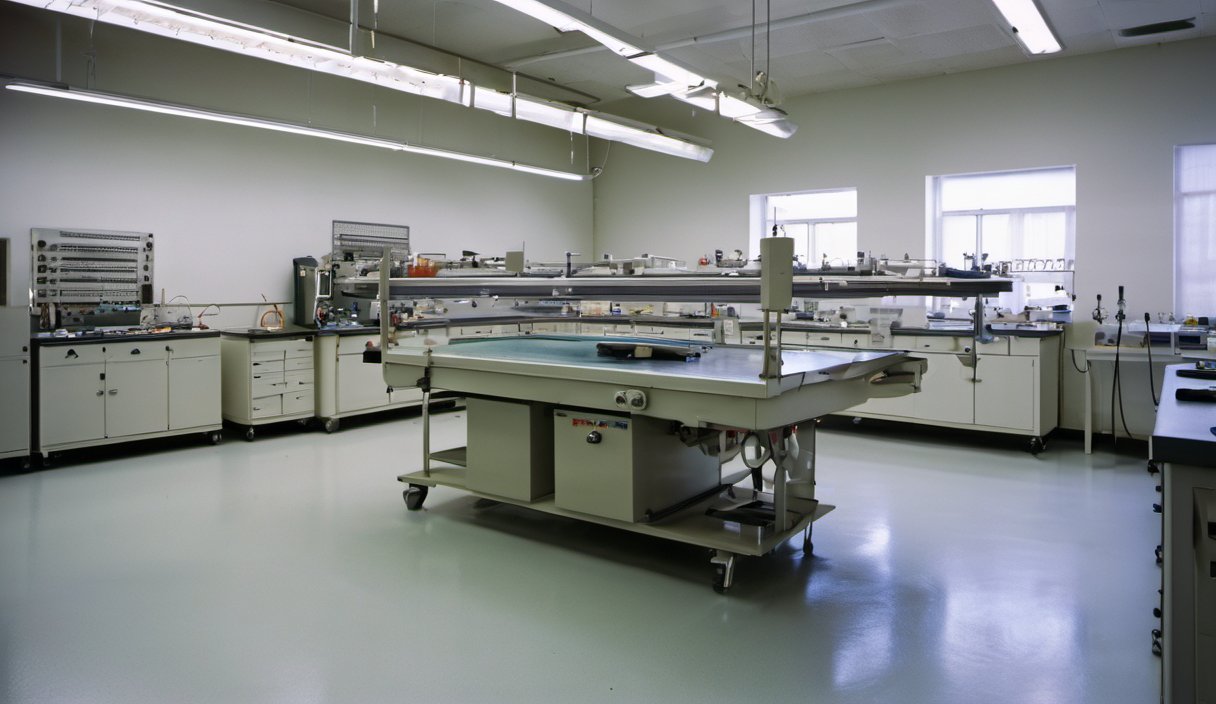
To support testing to ASTM F2100, select instruments with specifications that align with the standard’s requirements for bacterial filtration efficiency, flammability, and synthetic blood penetration testing.
Confirming the Standard and Method Code
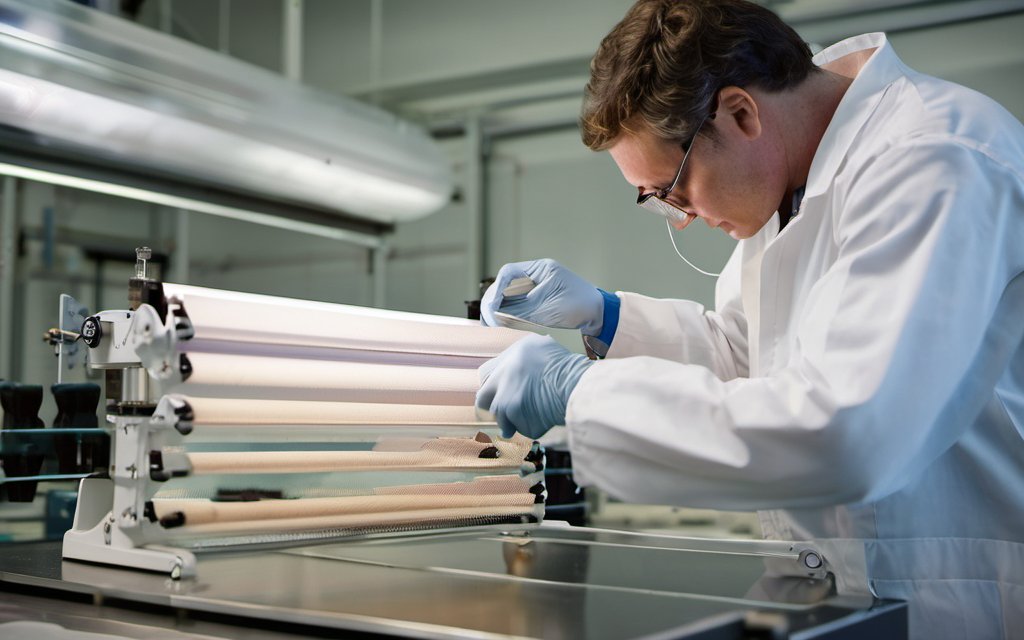
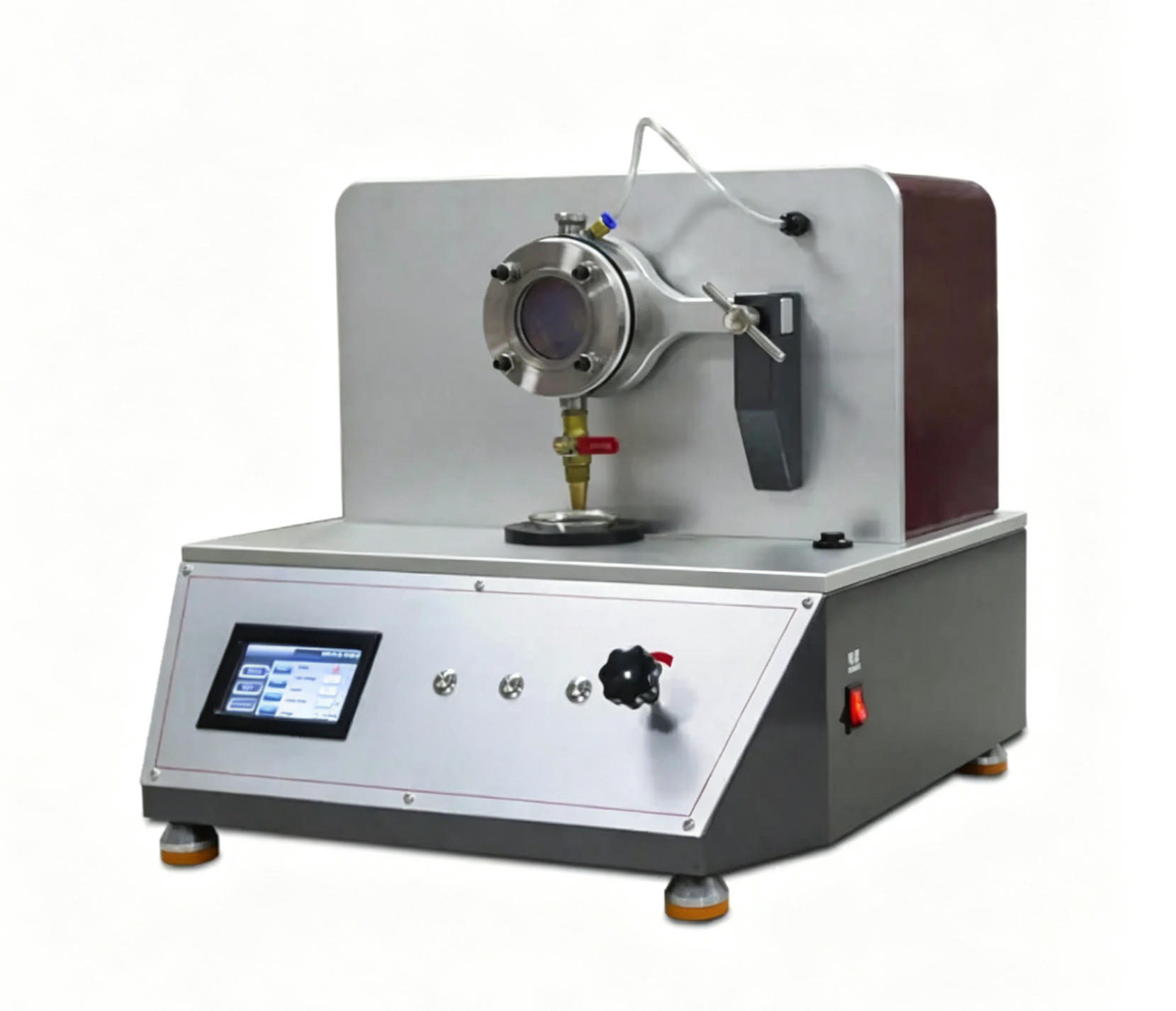
Before procurement, verify that the testing method corresponds to ASTM F2100, which sets the benchmark for respiratory protective devices. This standard mandates specific performance criteria, including bacterial filtration efficiency (BFE), flammability resistance, and fluid resistance. Each instrument must be selected based on its ability to meet these criteria. For example, the TNG1047 Masks Bacterial Filtration Efficiency Tester is designed to evaluate BFE, a critical requirement under ASTM F2100. Its specifications, such as a sample flow rate of 28.3L/min and a front pressure range of (-20~0)kPa, ensure accurate measurement of particle filtration under controlled conditions.
Identifying the Required Measuring Range
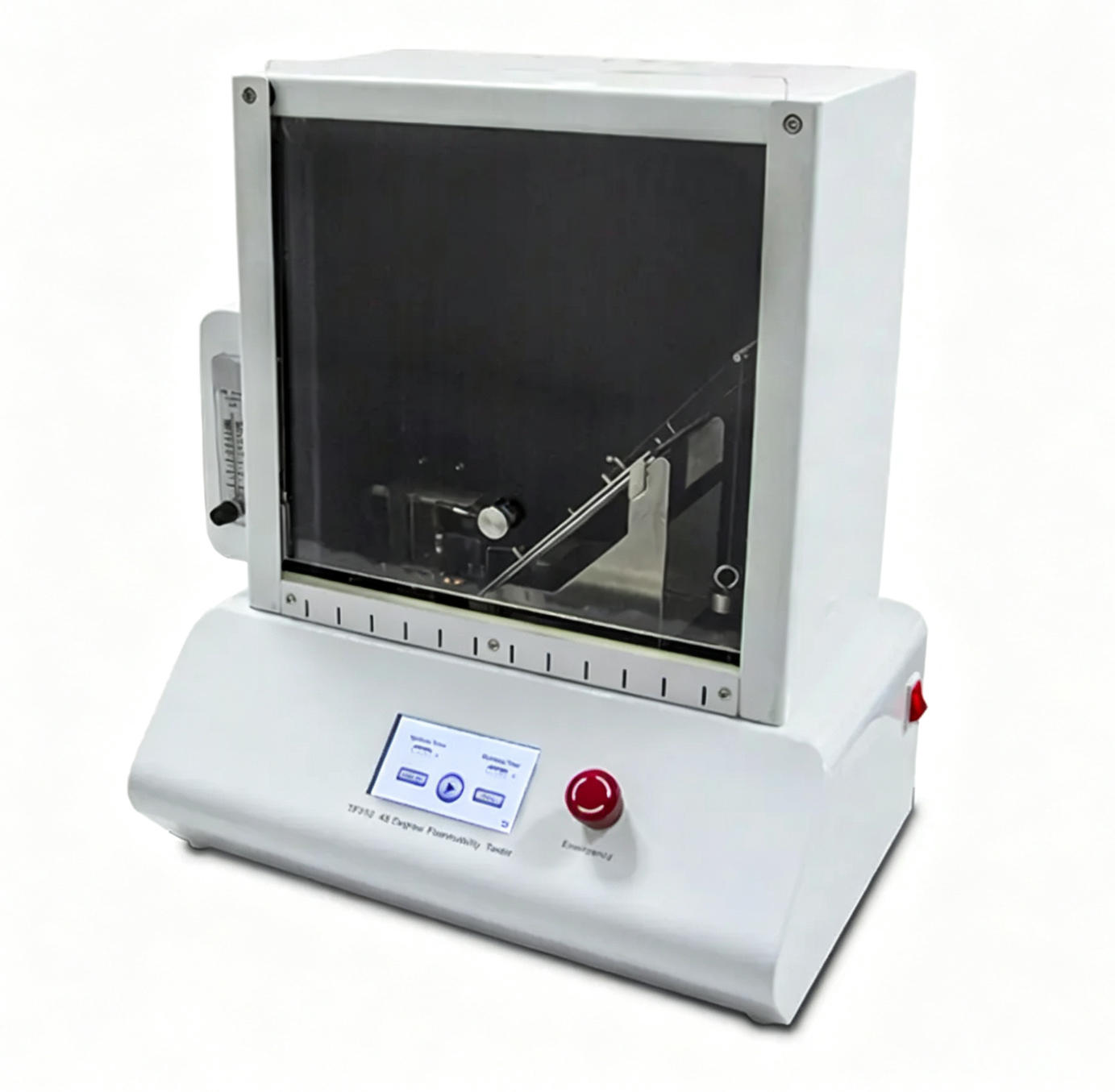
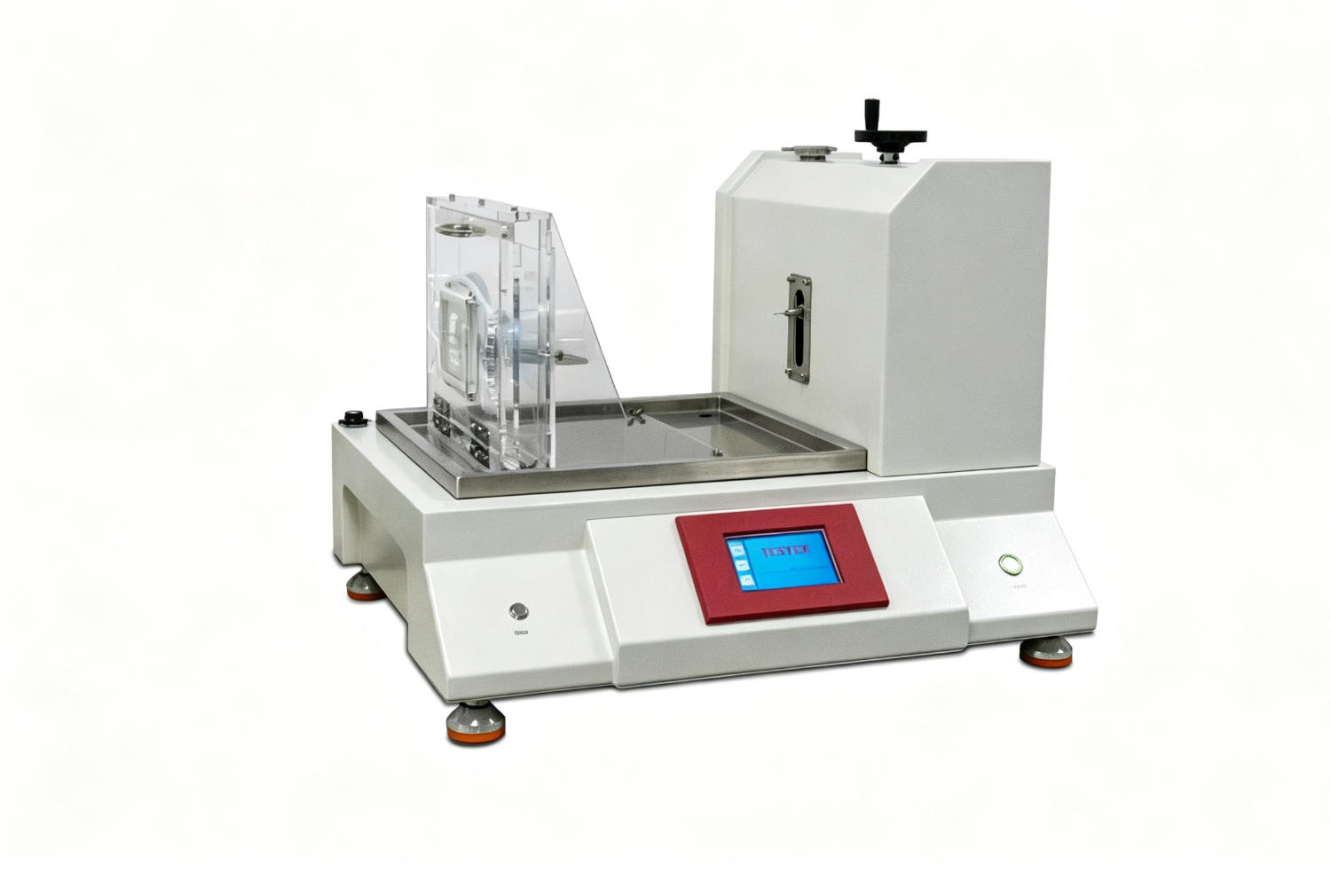
Each test requires a specific measuring range to ensure the instrument can deliver reliable results. For instance, the TNG1062 45 Degree Flammability Tester must be capable of measuring ignition time within (1 ± 0.05) s, as specified by ASTM F2100. This precision is essential for assessing the flammability resistance of materials used in face masks. Similarly, the TNG1044 Face Mask Synthetic Blood Penetration Tester must operate within a spraying distance of (300 ± 10) mm and a nozzle inner diameter of 0.84 mm, ensuring that the synthetic blood is applied under conditions that simulate real-world exposure. These parameters are critical for evaluating the mask’s ability to resist fluid penetration.
Reviewing Published Specifications
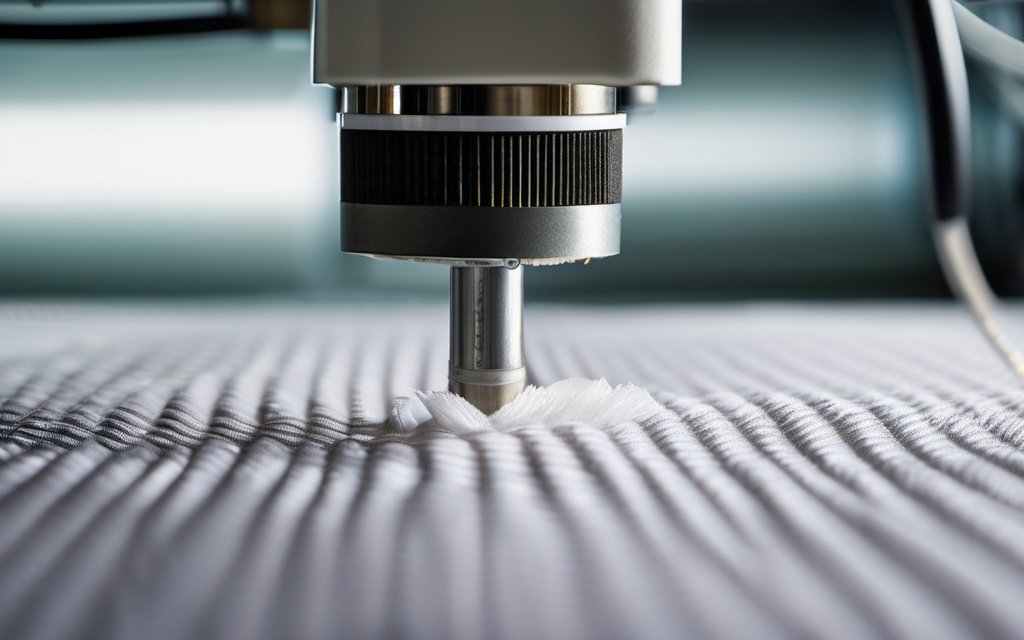
Before requesting a quotation, cross-reference the instrument’s published specifications with the ASTM F2100 requirements. The TNG1047’s peristaltic pump flow range of (0.1~3.0)mL/min and spray flow of (8~10)L/min are designed to replicate standard testing conditions, ensuring consistency and repeatability. The TNG1044’s adjustable watching time of 10 seconds allows for precise observation of fluid penetration, which is vital for compliance. These specifications must be clearly documented and verified to ensure the instrument meets the standard’s expectations.
Requesting a Quotation
Once the method code, measuring range, and specifications are confirmed, proceed to request a quotation. Ensure that the supplier provides detailed information on the instrument’s capabilities, including the model numbers TNG1047, TNG1062, TNG1044, and TNG1049. This step helps ensure that the procurement process is aligned with the ASTM F2100 standard, ensuring that the selected instruments are suitable for accurate and reliable testing.
Instrument models referenced
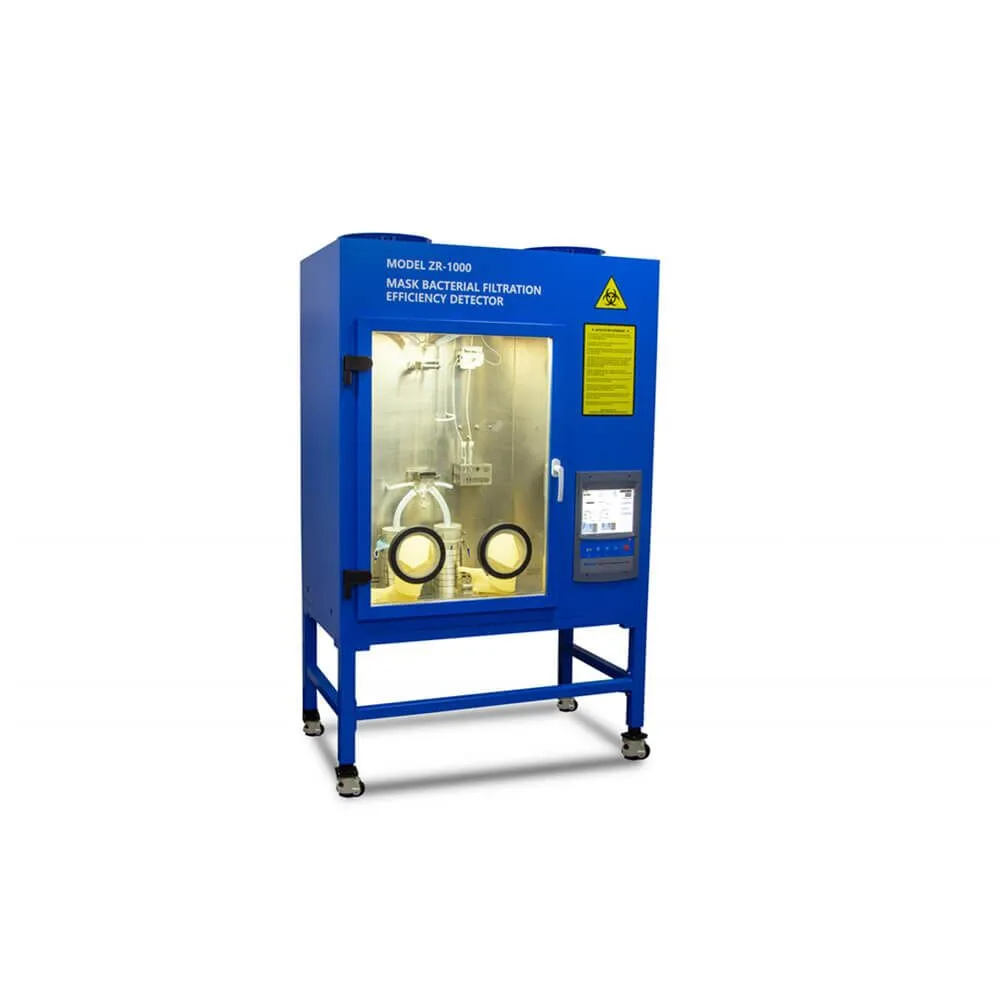
- TNG1047 Masks Bacterial Filtration Efficiency Tester (Air / Water / Vapour Permeability Testing). Published specifications include Main parameters Scope; Sample Flow Rate of A 28.3L/min; Sample Flow Rate of B 28.3L/min.
- TNG1062 45 Degree Flammability Tester (Flammability Testing). Published specifications include Time display and accuracy 0 ~ 999.9 s, 0.1 s; Ignition time (1 ± 0.05) s; Dimension of holder outside 170 * 101 mm, inside 152 * 38 mm.
- TNG1044 Face Mask Synthetic Blood Penetration Tester (Air / Water / Vapour Permeability Testing). Published specifications include Blood spraying distance: (300 ± 10) mm; Nozzle inner diameter: 0.84 mm; Nozzle length: 12.7 mm.
- TNG1049 Synthetic Blood Penetration Tester (Air / Water / Vapour Permeability Testing).
Editorial note. This application note summarises the published scope of the standard and our documented model data. Configuration requirements vary between standard editions, and instruments support a method only with the appropriate fixtures and accessories. Please confirm the required configuration against the applicable edition of the standard before ordering; conformity of a given test result also depends on the specimen and the procedure followed.
Instruments referenced
Test standards referenced
Need the instrument for this method?
Send the standard number and the material. We reply with the matching model, its full specification table and a quotation.