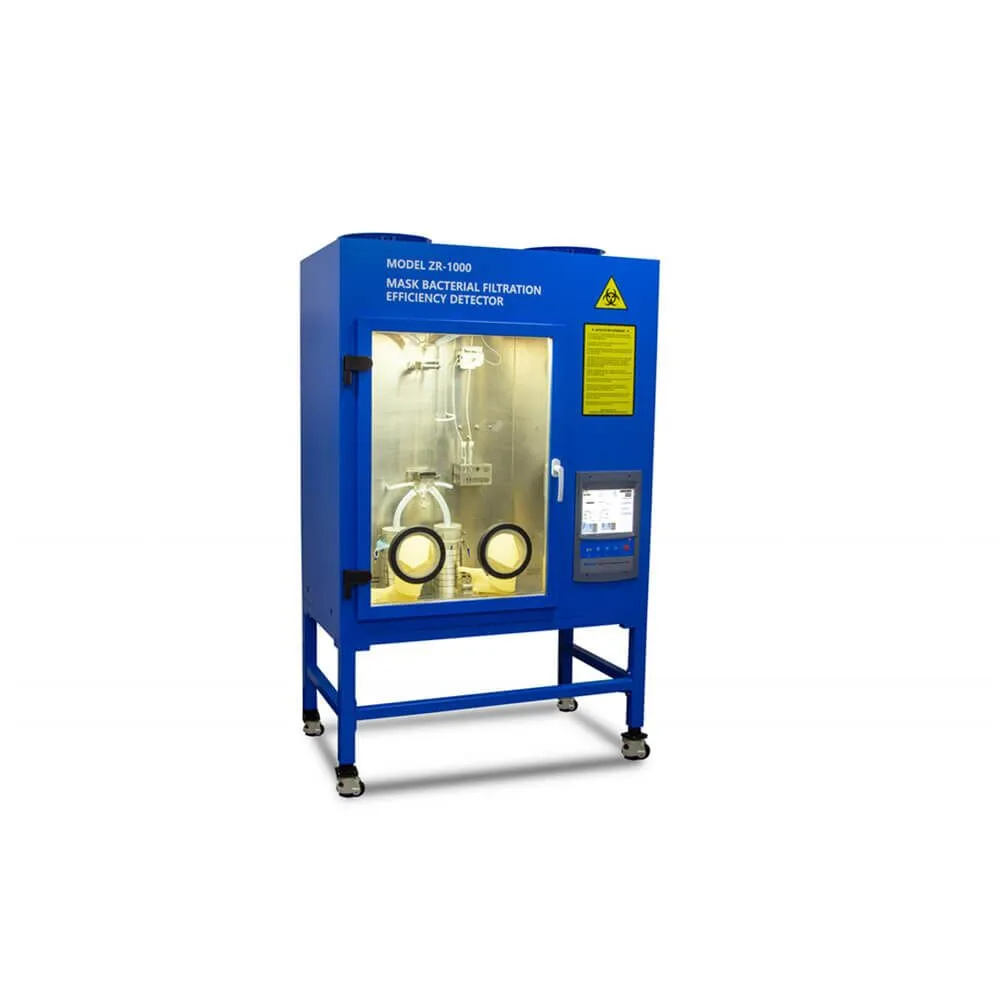
 Masks Bacterial Filtration Efficiency Tester
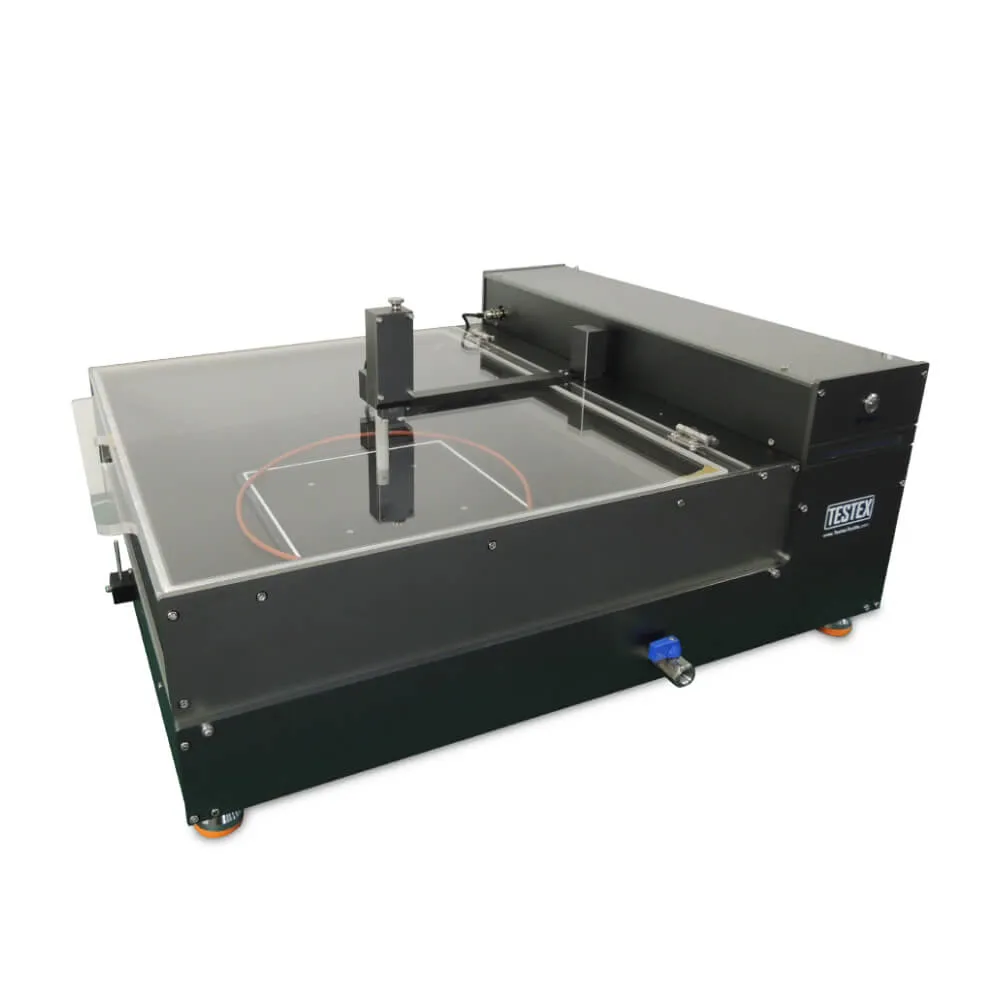
TNG1053
Sweating Guarded Hotplate - TNG1053
The TNG1053 Sweating Guarded Hotplate measures thermal resistance and evaporative resistance of textiles. It is used to evaluate fabric comfort properties under controlled conditions.
- Specifications
- 19
- Methods
- 3
- Images
- 5
- Supply
- Inquiry only
Inquiry only. No prices are published.
Product overview
The TNG1053 Sweating Guarded Hotplate is a test system designed to determine the thermal resistance and evaporative resistance of textile materials. It simulates human skin conditions to assess how fabrics manage heat and moisture transfer. The instrument operates by placing the specimen between a heated test plate and a thermal protection ring, with the bottom of the protection ring maintained at a constant temperature. Air flow over the specimen surface is controlled to simulate real-world conditions. The device supports testing according to ASTM F1868, GB/T 11048, and ISO 11092. The model TNG1053 provides thermal resistance measurements within a range of 0.001-2.0 m²·K/W with a resolution of 0.0001 m²·K/W and evaporative resistance measurements from 1-1000 m²·Pa/W with a resolution of 0.001 m²·Pa/W. It operates on 110/220 V, 50 Hz power supply. The test plate temperature range is 30℃ to 40℃, adjustable with an accuracy of ±0.5℃. Air velocity is adjustable between 0 and 1 m/s with an accuracy of ±1%. The instrument is suitable for samples with thickness up to 50 mm and has a test plate area of 254 mm x 254 mm. The TNG1053 is used for evaluating materials in applications such as outdoor wear, activewear, and protective clothing.
Features
More advanced testing methods
The Sweating Guarded Hot Plate Apparatus utilizes a hot plate along with specialized materials, replacing the traditional porous plate. This machine effectively simulates skin sweating. We produce high-quality Guarded Hot Plate Apparatus.
More reliable test results
The Sweating Guarded Hotplate features an environmental chamber that regulates and monitors air temperature, air velocity, and humidity. This capability enhances the accuracy of Thermal Resistance and Vapor Transmission Test testing on samples.
A variety of automated systems make the test more intelligent and scientific.
This Guarded Hot Plate Apparatus features an automatic water supply and drainage system, a powerful water filling system, and a precise platform movement system.
It also inputs the test sample’s thickness and adjusts the platform to the required position. The wind speed stabilization system ensures uniform and stable wind speed, making the Sweating Guarded Hotplate Test more stable.
The software in this hot plate apparatus is user-friendly and convenient for testing, accurately calculating each index of the specimen, including thermal resistance, water vapor resistance (evaporation resistance), permeability, insulation value, and heat loss. The results and curves are displayed on the computer.
Application
The Sweating Guarded Hotplate is a key tool for fabric comfort testing, measuring thermal resistance and water-vapor resistance. This Thermal Fabric Resistance Test Equipment simulates human skin to assess how well fabrics retain heat and manage moisture, critical for outdoor wear, activewear, and winter clothing. It helps manufacturers and researchers compare fabrics to select materials that balance warmth, breathability, and moisture management. Used for testing protective clothing, workwear, and outdoor gear, it ensures optimal comfort in extreme conditions. Designers also use the Sweating Guarded Hotplate to optimize fabric insulation and moisture-wicking properties.
Test Principle of Sweating Guarded Hotplate
The key idea behind thermal resistance is to cover the specimen with the test plate. You also cover it with its surrounding thermal protection ring. The bottom of the protection plate stays at a constant temperature. This setup ensures that the heat of the test plate can only go through the specimen. Air can flow over the top surface of the specimen under the test conditions. We used this setup to find heat flow through the specimen. This helped us calculate its thermal resistance.
Technical description
- Thermal resistance range: 0.001-2.0 m²·K/W, Resolution: 0.0001 m²·K/W
- Evaporative Resistance range: 1-1000 m²·Pa/W, Resolution: 0.001m²·Pa/W
- Repeatability: ≤ ±2%
- Test plate temperature range: 30℃ ~ 40℃, adjustable, accuracy: ±0.5℃
- Air velocity: 0 ~ 1 m/s, adjustable, accuracy: ±1%
- Sample thickness: 0~50 mm
- Test plate area: 254 mm x 254 mm
- ISO 11092, ASTM F1868, GB/T 11048
- 110/220 V, 50 Hz
- 770 mm x 670 mm x 430 mm
Key features
- GB/T 11048 covers testing thermal and water-vapor resistance under steady-state conditions. It uses the sweating-guarded hotplate test method.
- ISO 11092 covers the effects of textiles on the body. It measures thermal and water-vapor resistance under steady-state conditions. Researchers use the sweating-guarded hotplate test for this purpose.
- ASTM F1868 measures the thermal and evaporative resistance of clothing materials. It uses a sweating hot plate.
Working principle
The key idea behind thermal resistance is to cover the specimen with the test plate. You also cover it with its surrounding thermal protection ring. The bottom of the protection plate stays at a constant temperature. This setup ensures that the heat of the test plate can only go through the specimen. Air can flow over the top surface of the specimen under the test conditions. We used this setup to find heat flow through the specimen. This helped us calculate its thermal resistance.
Test method notes
Why We Need the Thermal Resistance Test? When people wearing clothes in cold or hot climates, the temperature of clothing, especially close-fitting, varies with the temperature of the skin. People should choose suitable clothes to ensure comfort, or at least in adverse weather conditions to protect the human body. The heat transfer property of fabric can ensure the comfort of clothing, for example, the clothing with high thermal resistance has a better function of preventing cold, while the clothes with low thermal resistance can give a cool feeling. Therefore, testing the thermal resistance of fabrics has an important reference for improving people's clothing comfort. Thermal Resistance Test Principle The sweating guarded hot plate instrument produced by our company adopts the constant temperature method.
Specifications
| Thermal resistance range | 0.001-2.0 m²·K/W, Resolution: 0.0001 m²·K/W |
|---|---|
| Evaporative Resistance range | 1-1000 m²·Pa/W, Resolution: 0.001m²·Pa/W |
| Repeatability | ≤ ±2% |
| Test plate temperature range | 30℃ ~ 40℃, adjustable, accuracy: ±0.5℃ |
| Air velocity | 0 ~ 1 m/s, adjustable, accuracy: ±1% |
| Sample thickness | 0~50 mm |
| Test plate area | 254 mm x 254 mm |
| Model | — |
| Standards | ISO 11092, ASTM F1868, GB/T 11048 |
| Power | 110/220 V, 50 Hz |
| Weight | 62 Kg |
| Dimensions | 770 mm x 670 mm x 430 mm |
| Thermal resistance range | 0.001-2.0 m²·K/W, Resolution: 0.0001 m²·K/W |
| Evaporative Resistance range | 1-1000 m²·Pa/W, Resolution: 0.001m²·Pa/W |
| Repeatability | ≤ ±2% |
| Test plate temperature range | 30℃ ~ 40℃, adjustable, accuracy: ±0.5℃ |
| Air velocity | 0 ~ 1 m/s, adjustable, accuracy: ±1% |
| Sample thickness | 0~50 mm |
| Test plate area | 254 mm x 254 mm |
Test standards supported
Each standard is matched to the instruments that support it.
Related instruments
Masks Bacterial Filtration Efficiency Tester
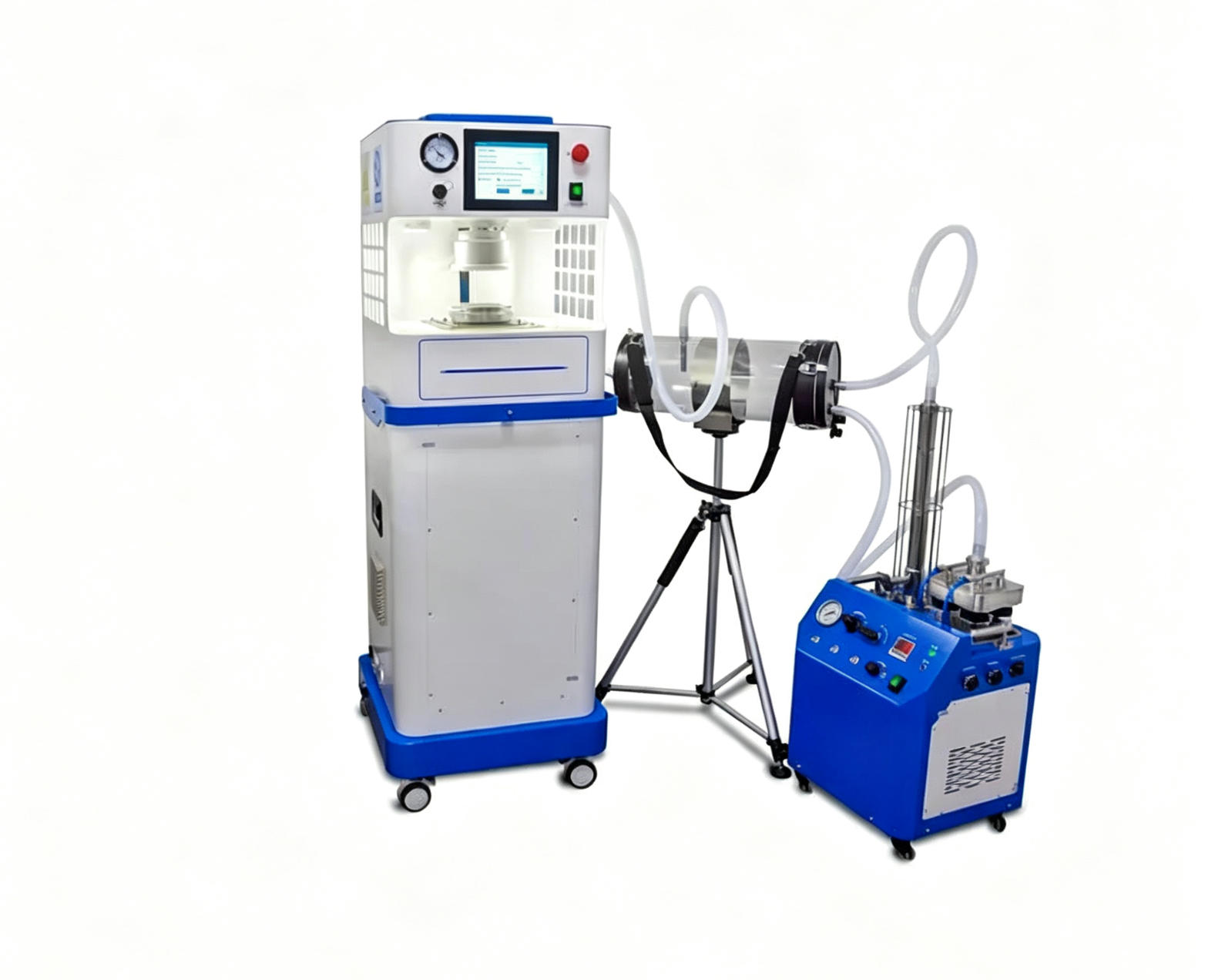 Mask Particulate Filter Efficiency And Air Flow Resistance Tester
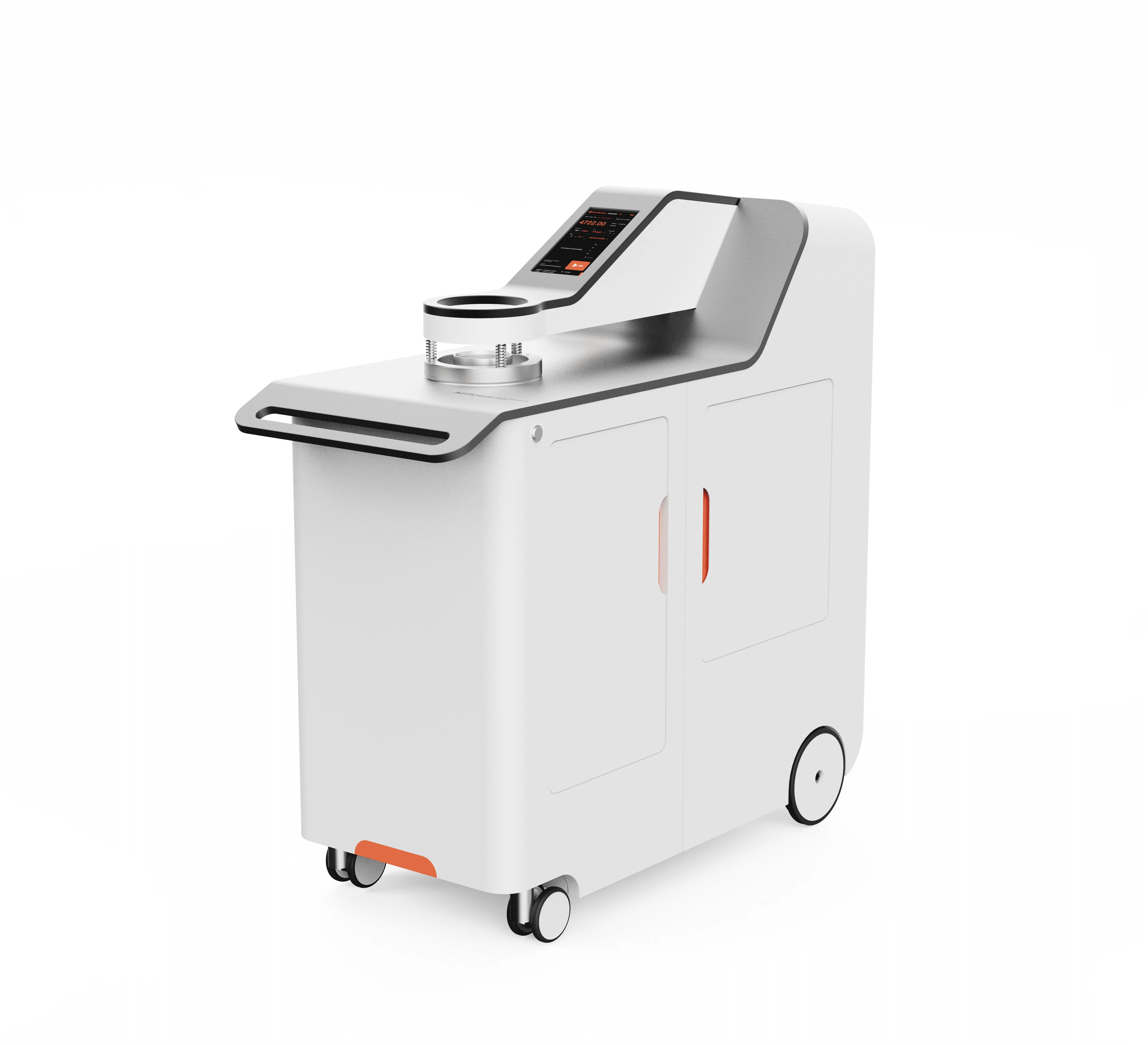 Air Permeability Tester
 Moisture Management Tester
Why request a quotation from TONNY
Founded in 2012 with a 60-person design and assembly team and worldwide supply. No prices are published and no registration is required to read a specification.
Tell us what you need to test.
Send the test method and the material. We will match the model, attach its specification table and reply with a written quotation - no prices published, no registration.