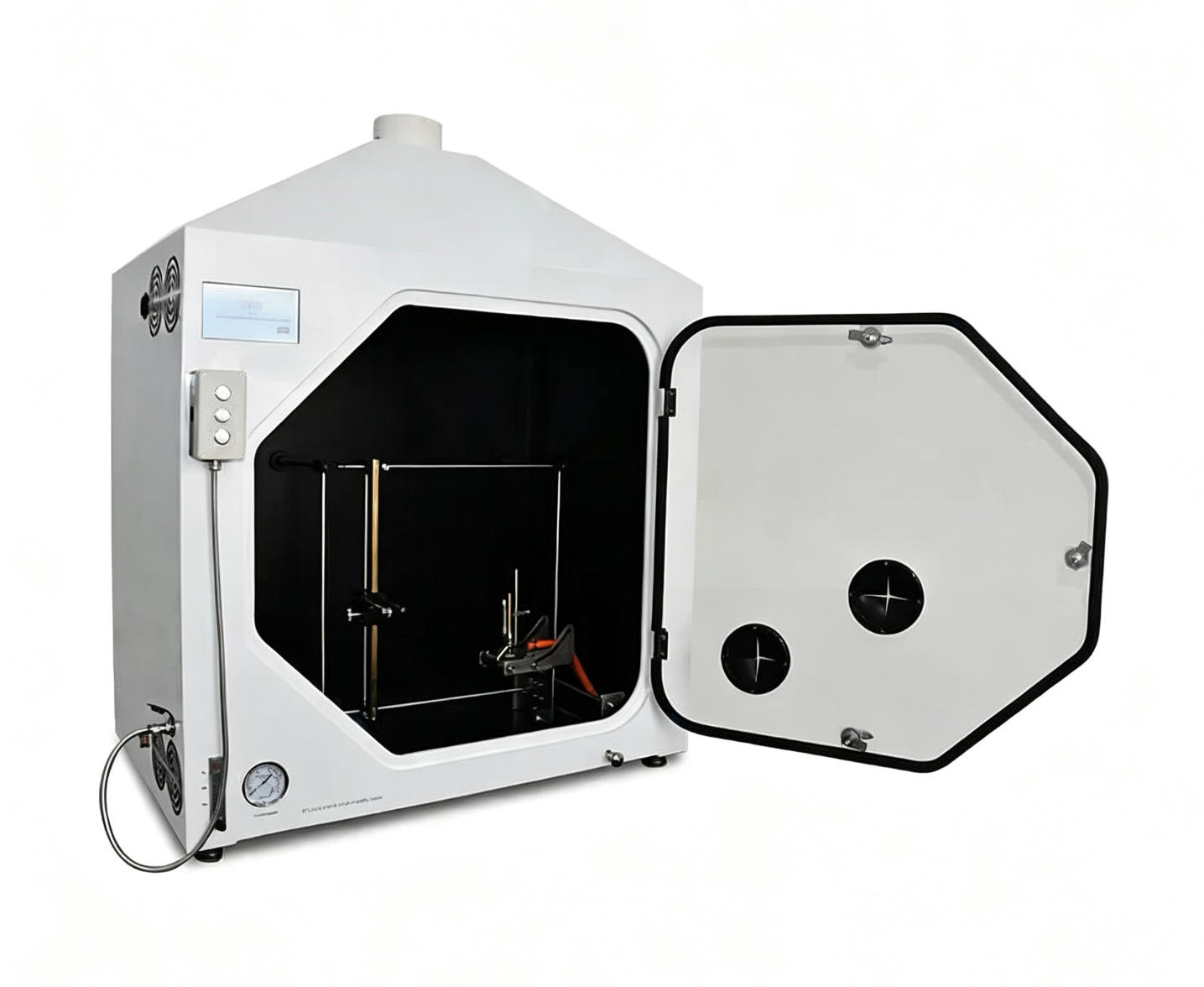
 UL94 Horizontal & Vertical Flammability Tester
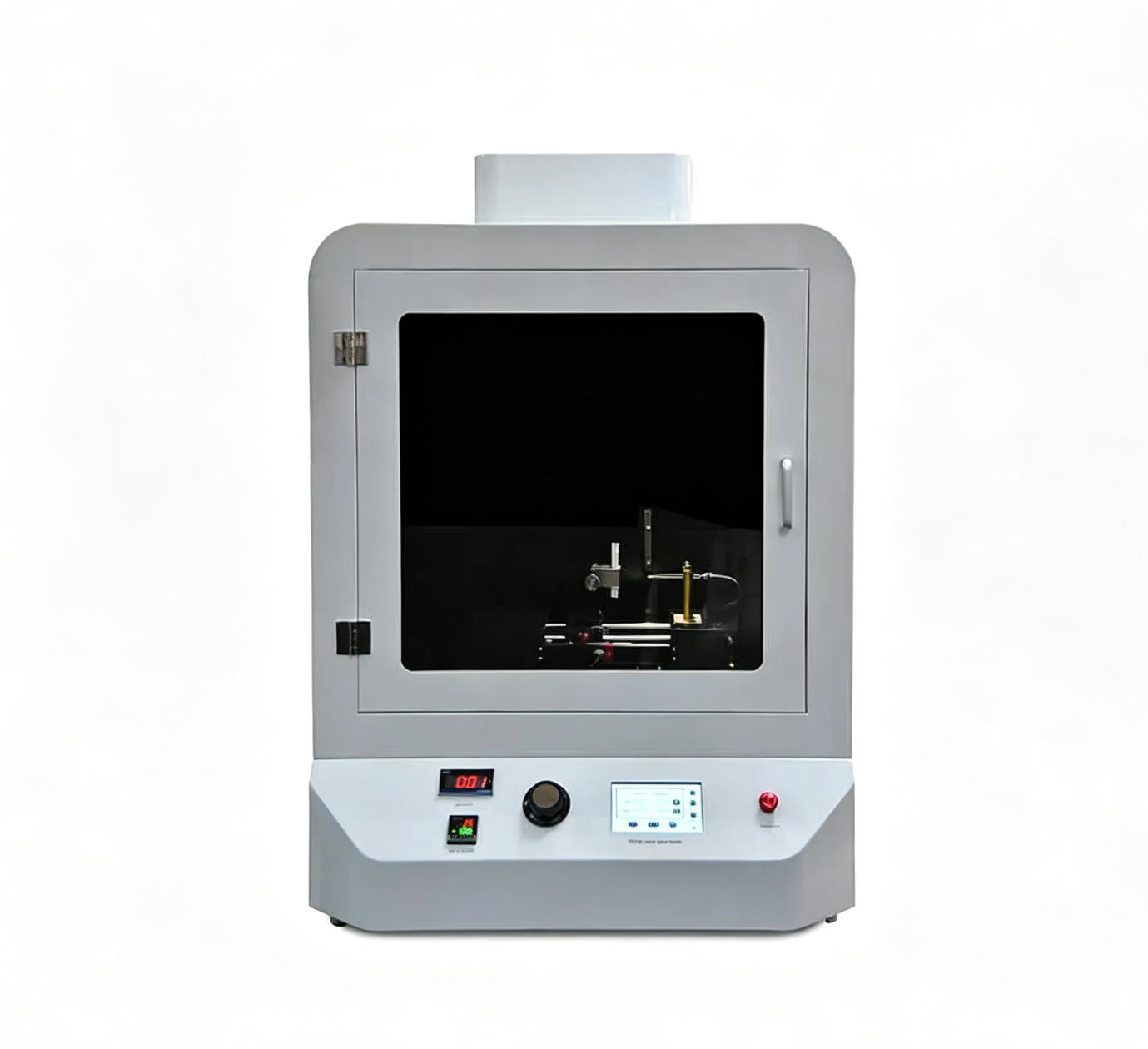
TNG1061
Glow Wire Tester - TNG1061
The TNG1061 Glow Wire Tester measures the flammability of materials by simulating thermal stress from heat sources. It is used to assess the fire hazard of electrical parts and components in various industries.
- Specifications
- 14
- Methods
- 1
- Images
- 5
- Supply
- Inquiry only
Inquiry only. No prices are published.
Product overview
The TNG1061 Glow Wire Tester is designed to evaluate the flammability of materials by simulating the thermal effects of heat sources such as heating elements or resistors. The instrument operates by applying a controlled heat source to a sample, measuring the material's response to thermal stress. It is suitable for testing plastic and non-metallic insulating materials used in electrical and electronic products, including switch housings, relay sockets, and other components. The TNG1061 complies with IEC 60695-2-10 and ASTM D6194 standards. The test involves heating a glow wire to a specified temperature, applying a defined pressure to the sample, and measuring the time until ignition occurs. The glow wire is made of Ni/Cr (80/20) with a diameter of 4mm ± 0.04mm. The temperature range is adjustable from indoor temperature up to 960°C. The sample pressure is set at 1N ± 0.2 N, and the test speed is 18 ± 3 mm/s. The unit features an automatic control system, allowing the trolley with the specimen to move to the glow wire and return after the set time. It includes a digital display for time and temperature, a viewing window, and a thermocouple for accurate temperature measurement. The instrument is equipped with safety features such as fuses and a miniature circuit breaker to ensure operator safety.
Application
Glow Wire Tester to determine the fire hazard of electrical parts and components. For example, overload, short circuits, poor connections, or others that could ignite and spread the flame to the other part. This instrument is suitable for testing plastic and non-metallic insulating material parts for electrical and electronic products, components, and household electrical appliance parts, e.g. switch housings, relay sockets, etc.
In addition, we have other flammability test equipments that cater to different test ranges and requirements, they comply with complies with ASTM D1230, FTMS191-5908, BS EN71-2:2006, ISO 15025, FMVSS 302, ASTM D6413, UL HB, etc.
Test principle
The glow wire test apparatus simulates the possibility of ignition of insulating materials inside the equipment that is susceptible to flame spread due to the hot wire. Under certain conditions, such as fault currents flowing through the conductor, overloading of components, and poor contact, certain components can reach a certain temperature and cause the nearby parts to ignite.
Features
Equipped with an automatic control system. After start-up, the trolley loaded with specimens will automatically run to the scorching wire and then will return automatically after reaching the set scorching time, making it easy to operate.
The unit has an illuminated unit with a digital display of time and temperature, a large viewing window, and black walls, so it is easy to observe and record.
The temperature controller with the thermocouple provided allows for accurate measurement of the glow tablet temperature.
The fully automatic instrument has a control unit circuit fully protected by fuses and a miniature circuit breaker, and also with a large box on the outside for maximum operator safety.
Technical description
- Glow Wire Ø 4mm ± 0.04mm Ni/Cr (80/20), standard
- Temperature Range: indoor temperature ~ 960°C, adjustable
- Sample pressure: 1N ± 0.2 N
- Test speed: 18 ± 3 mm/s
- Test mode automatic control, independent convulsions
- Chamber ≥0.5m³
- Control single chip microcomputer + touch screen control
- Length: 1130 mm
- Width: 570 mm
- Height: 1200 mm
- IEC 60695-2-10
- GB/T 5169.10~13
- The Distinction among GWIT, GWFI, GWT
- GWT consists of three tests from IEC 60335 (GWIT, GWFI, and GWT), which are slightly similar but not the same, and can distinguish as follows.
- GWFI: Glow-wire flammability index
- The GWFI is a test of the ignition temperature. If the flame of the sample is extinguished within 30 seconds after the removal of the glow wire, the sample is not ignited by the packaging paper under the sample, and the sample does not ignite, then this temperature can record as a pass.
- GWT: Glow Wire Test
- The GWT and GWFI tests are similar because they both use the above conditions to determine if the test is passed after a specific temperature has been selected.
- GWIT: Glow-wire Ignitiontemperature
- GWIT is the minimum temperature at which the material ignites and burns for more than 5s when the heating element comes into contact with the sample. (Ignition is judged to be flaming for ≥ 5 seconds).
Key features
- Equipped with an automatic control system. After start-up, the trolley loaded with specimens will automatically run to the scorching wire and then will return automatically after reaching the set scorching time, making i
- The unit has an illuminated unit with a digital display of time and temperature, a large viewing window, and black walls, so it is easy to observe and record.
- The temperature controller with the thermocouple provided allows for accurate measurement of the glow tablet temperature.
- The fully automatic instrument has a control unit circuit fully protected by fuses and a miniature circuit breaker, and also with a large box on the outside for maximum operator safety.
Working principle
The glow wire test apparatus simulates the possibility of ignition of insulating materials inside the equipment that is susceptible to flame spread due to the hot wire. Under certain conditions, such as fault currents flowing through the conductor, overloading of components, and poor contact, certain components can reach a certain temperature and cause the nearby parts to ignite.
Test method notes
IEC 60695-2-10: glow wire test apparatus and common test procedure (glow wire test method) Glow Wire Tester Definition The glow wire tester is designed and manufactured according to the requirements of the "glow wire test method" in IEC60695-2-10, GB/T5169.10, and ASTM D6194 standards to simulate the thermal stress caused by the heat source or ignition source such as a heating element or overload resistance in a short period of time. The glow wire test for plastics is to determine the resistance to fire-insulating parts. And the glow wire test simulates the situation of what the plastic material will happen when contact with an over-heated part.
Specifications
| 123 kg | — |
|---|---|
| 220/110 V | 50/60 Hz |
| Length: 1130 mm | Width: 570 mm |
| IEC 60695-2-10 | ASTM D6194 |
| Temperature Range | indoor temperature ~ 960°C, adjustable |
| Sample pressure | 1N ± 0.2 N |
| Test speed | 18 ± 3 mm/s |
| Weight | 123 kg |
| Length | 1130 mm |
| Width | 570 mm |
| Height | 1200 mm |
| GWFI | Glow-wire flammability index |
| GWT | Glow Wire Test |
| GWIT | Glow-wire Ignitiontemperature |
Test standards supported
Each standard is matched to the instruments that support it.
Related instruments
UL94 Horizontal & Vertical Flammability Tester
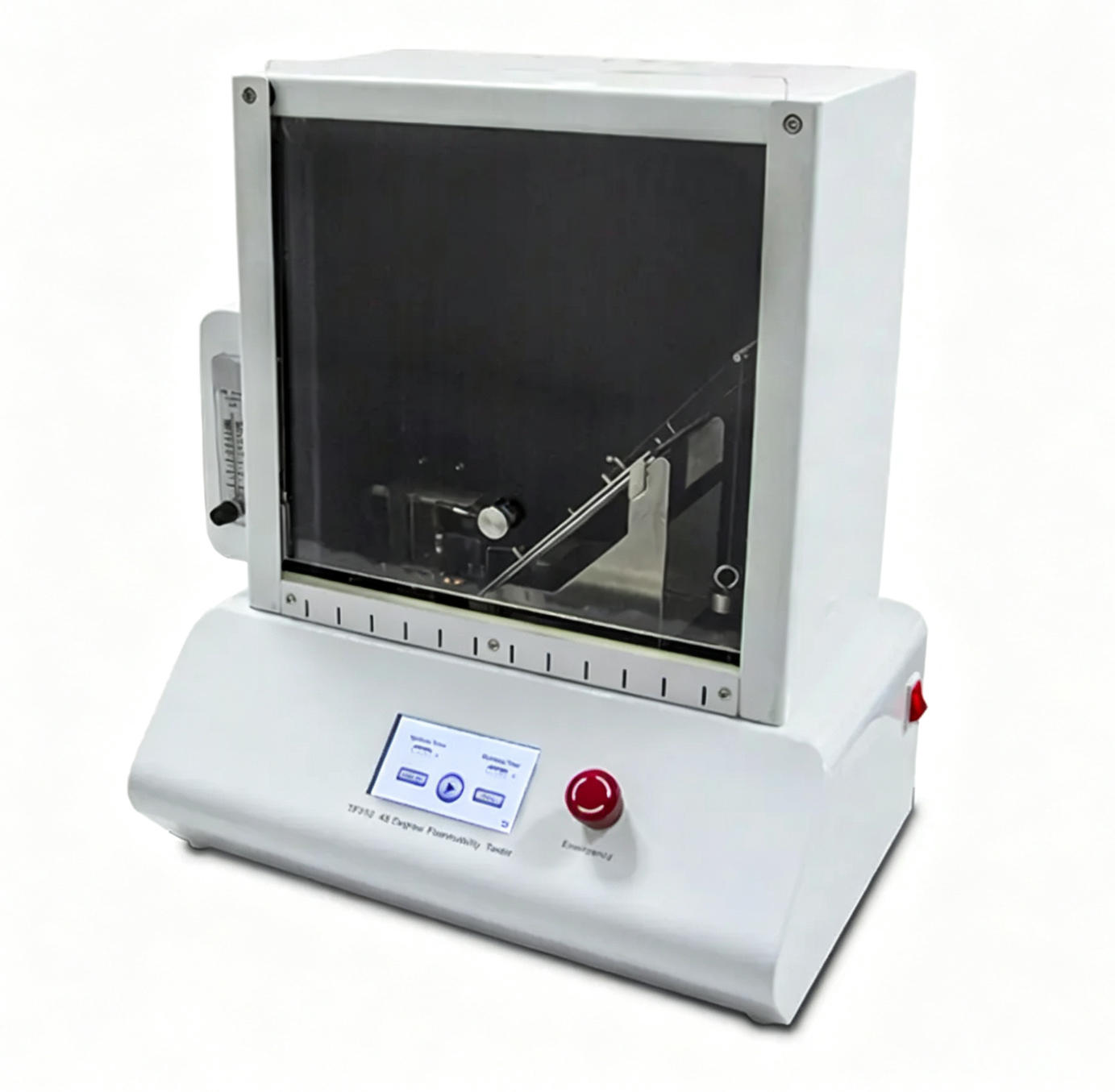 45 Degree Flammability Tester
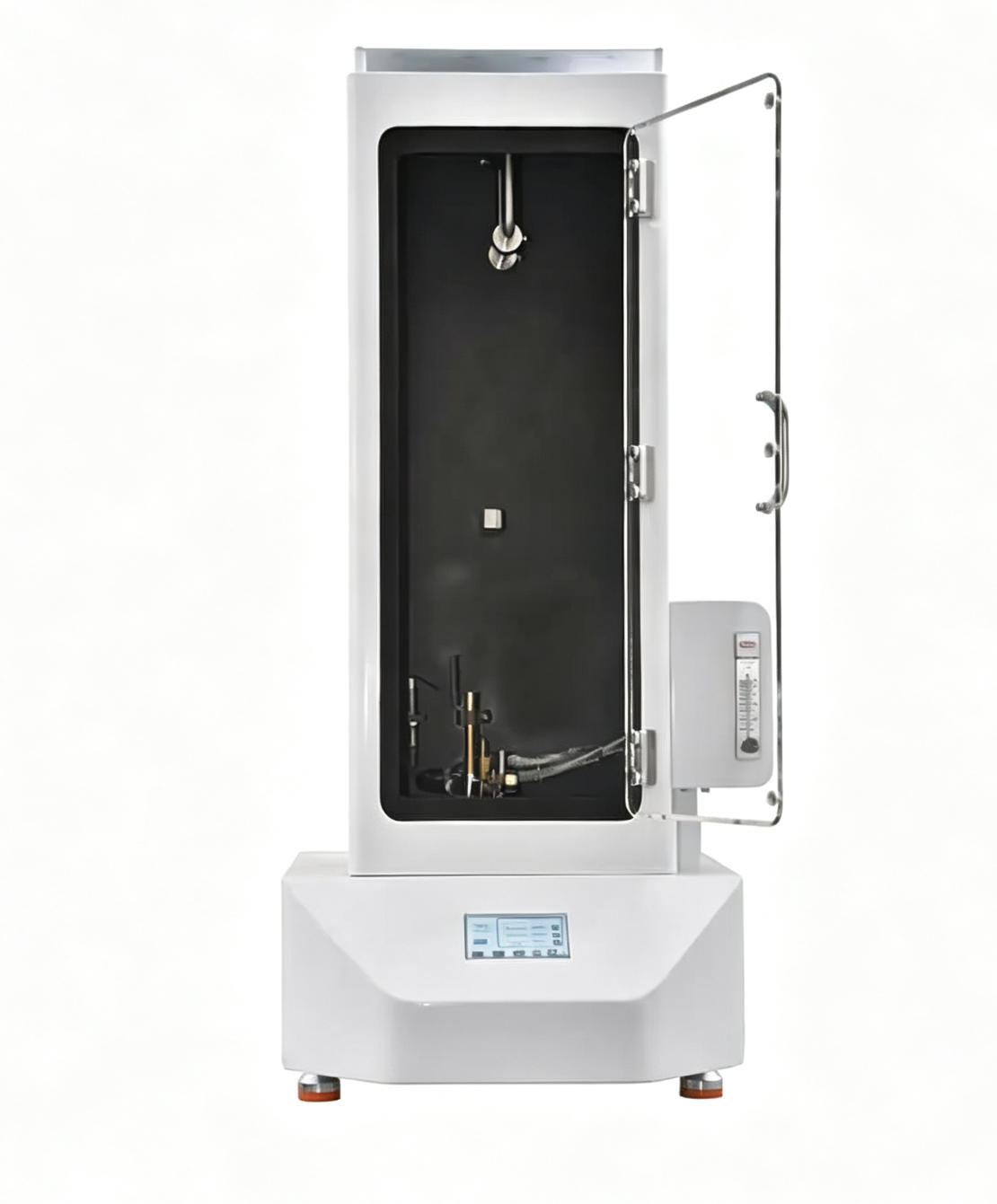 Vertical Flammability Chamber
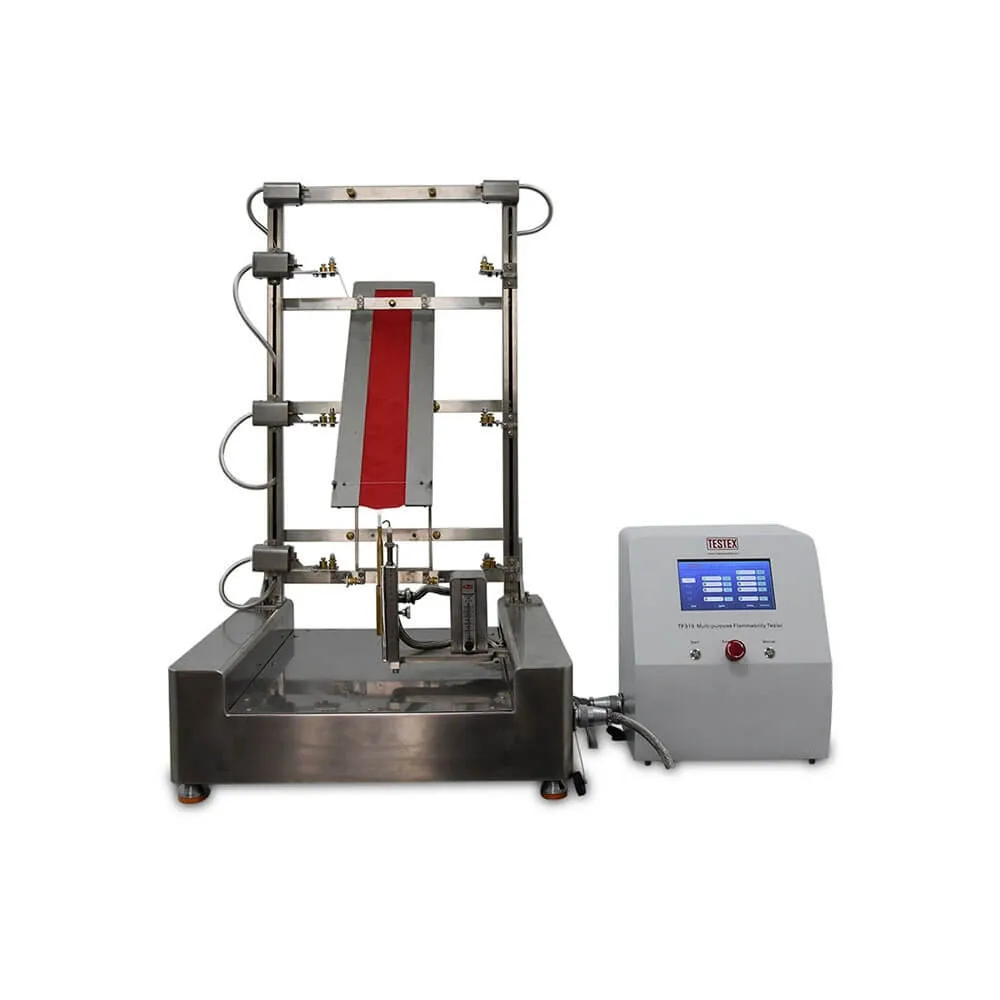 Multi-purpose Textile Flammability Tester
Why request a quotation from TONNY
Founded in 2012 with a 60-person design and assembly team and worldwide supply. No prices are published and no registration is required to read a specification.
Tell us what you need to test.
Send the test method and the material. We will match the model, attach its specification table and reply with a written quotation - no prices published, no registration.