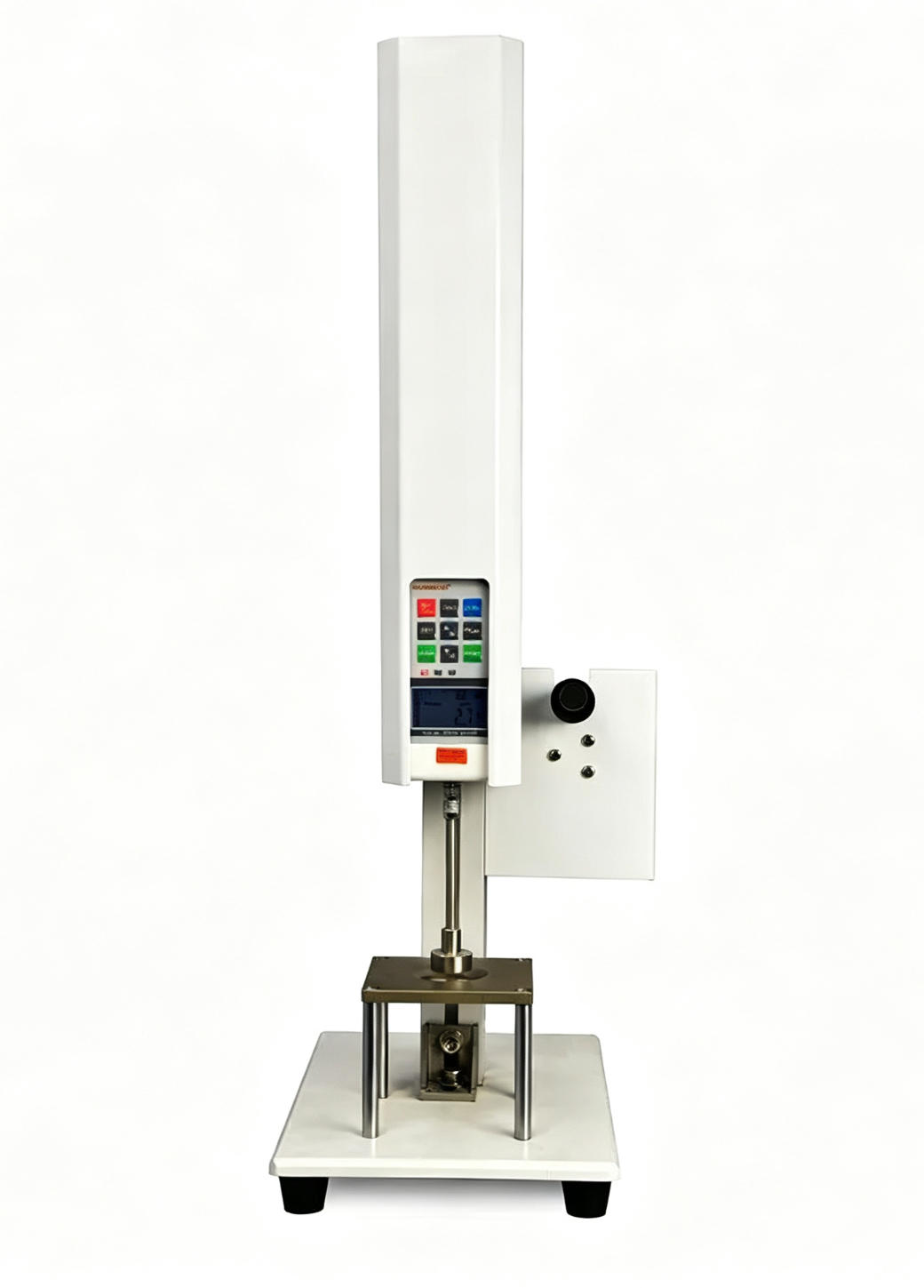
 Stiffness Tester Pneumatic
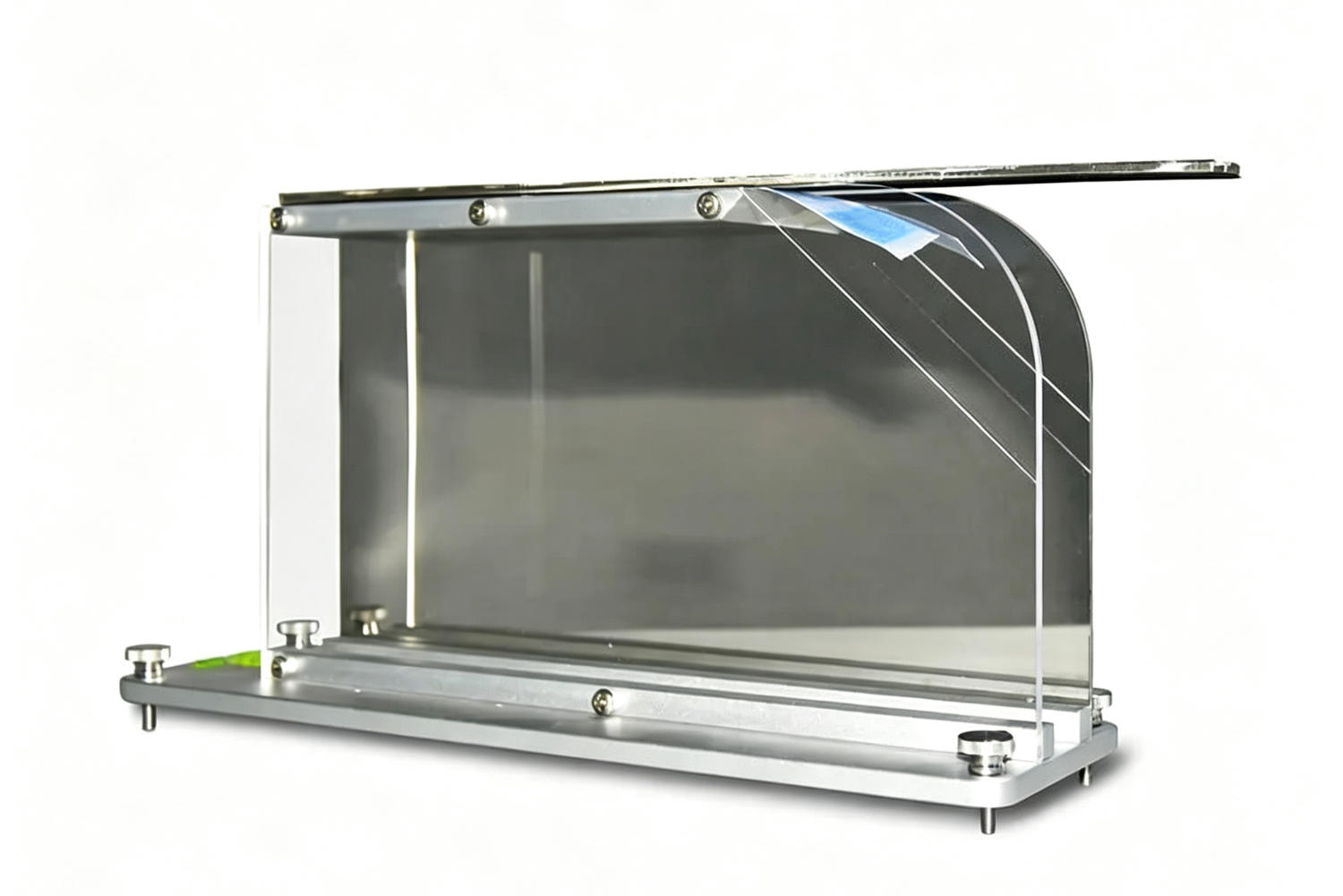
TNG1098
Fabric Stiffness Tester - TNG1098
The TNG1098 measures fabric stiffness by determining bending height, flexural rigidity, and bending modulus. It is used for quality control and material evaluation in textile manufacturing.
- Specifications
- 12
- Methods
- 1
- Images
- 5
- Supply
- Inquiry only
Inquiry only. No prices are published.
Product overview
The TNG1098 is designed to assess the stiffness properties of fabrics through a bending test. The instrument operates by placing the specimen on a measuring plane and allowing one end to gradually lift off the support, enabling the fabric to bend under gravity. The bending length is measured when the fabric contacts an inclined plane, and calculations determine the bending stiffness. The TNG1098 complies with ISO 9073-7 and supports optional standards such as ASTM D1388 Method A, ISO 4604, and BS 3356. It is suitable for woven, layered, napped, knitted, and pile fabrics. The device features a tilt angle of 41.5º and an accuracy of 0.1º. The pressure plate is equipped with a scale for real-time observation of movement, ensuring precise measurement without specimen deformation. The dimensions of the instrument are 350 mm in length, 100 mm in width, and 200 mm in height. The TNG1098 provides a reliable method for evaluating fabric stiffness in a controlled and repeatable manner.
Application
Fabric Stiffness Tester is practical equipment to determine fabric’s bending height, flexural rigidity, and bending modulus. This tester provides a quick and intuitive way to know the stiffness performance of all kinds of fabrics like woven, layered, napped, knitted, pile, etc. Besides, this blog will give you detailed information about fabric stiffness and its measurement.
The Principle of Bending Stiffness Test
Place the specimen on the measuring plane of the instrument, and then slowly move the sample forward. This is done to allow one end of the specimen to gradually break away from the plane support and hang in the air. Under the influence of gravity, one end of the specimen is bent downwards. When bent to the inclined plane, measure the extension length and calculate the bending length and bending stiffness of the fabric according to the formula.
Features
By pressing the platen against the specimen by its own weight, the platen follows the standard very closely, so there is no specimen deformation.
The pressure plate is equipped with a scale for real-time observation of the travel.
Technical description
- Tilt angle: 41. 5 º
- Accuracy: 0.1 º
- Sampling plate
- Optional Accessories
- Length: 350 mm
- Width: 100 mm
- Height: 200 mm
- Standard: ISO 9073-7
- Optional Standard: ASTM D1388 Method A, ISO4604, BS 3356
- Strictly meet standards
- All data for the Bending Stiffness Tester meet the standard parameters, for example, ISO 9073-7, etc.
- Consistency with international third-party laboratories
- The test data are comparable to the test results obtained by well-known international third-party laboratories.
- High reproducibility
- No matter if it’s the same samples or different machines of the same model, the results remain the same.
- Longer service life
- User-friendly transparent warranty policy
- Textile testing machines, 14 months free warranty (12 months normal warranty time + 2 months shipping time). Besides, all spare parts, have 3 months free warranty.
- We provide full life-cycle support for Fabric Stiffness Tester. So feel free to contact our service team with any questions you may have.
Key features
- By pressing the platen against the specimen by its own weight, the platen follows the standard very closely, so there is no specimen deformation.
- The pressure plate is equipped with a scale for real-time observation of the travel.
Working principle
Place the specimen on the measuring plane of the instrument, and then slowly move the sample forward. This is done to allow one end of the specimen to gradually break away from the plane support and hang in the air. Under the influence of gravity, one end of the specimen is bent downwards. When bent to the inclined plane, measure the extension length and calculate the bending length and bending stiffness of the fabric according to the formula.
Test method notes
Test Procedure 1 Take the samples from a representative section of the fabric and should not contain any folds or creases. Cut four samples of meridional and zonal by parallel or trapezoidal method, and the sample size was 200mm*25mm. 2 Adjust the instrument level. Place the sample face up on the platform, one end aligned with the front of the platform. Put up the pressure plate and make the indicator line coincide with the "zero" line of the ruler. 3 Pushing forward the pressure plate at a certain speed and driving the specimen to move forward until the specimen reaches contact with the inclined plane. Record the scale reading. 4 Lift the pressure plate and test the specimen back up again. 5 Calculate the arithmetic mean value by the values measured on the positive and negative sides as a reading of the extension length of the sample.
Specifications
| 2 kg | — |
|---|---|
| Length: 350 mm | Width: 100 mm |
| Standard | ISO 9073-7 |
| Optional Standard | ASTM D1388 Method A, ISO4604, BS 3356 |
| Tilt angle | 41. 5 º |
| Accuracy | 0.1 º |
| Weight | 2 kg |
| Length | 350 mm |
| Width | 100 mm |
| Height | 200 mm |
| Standard | ISO 9073-7 |
| Optional Standard | ASTM D1388 Method A, ISO4604, BS 3356 |
Test standards supported
Each standard is matched to the instruments that support it.
Related instruments
Stiffness Tester Pneumatic
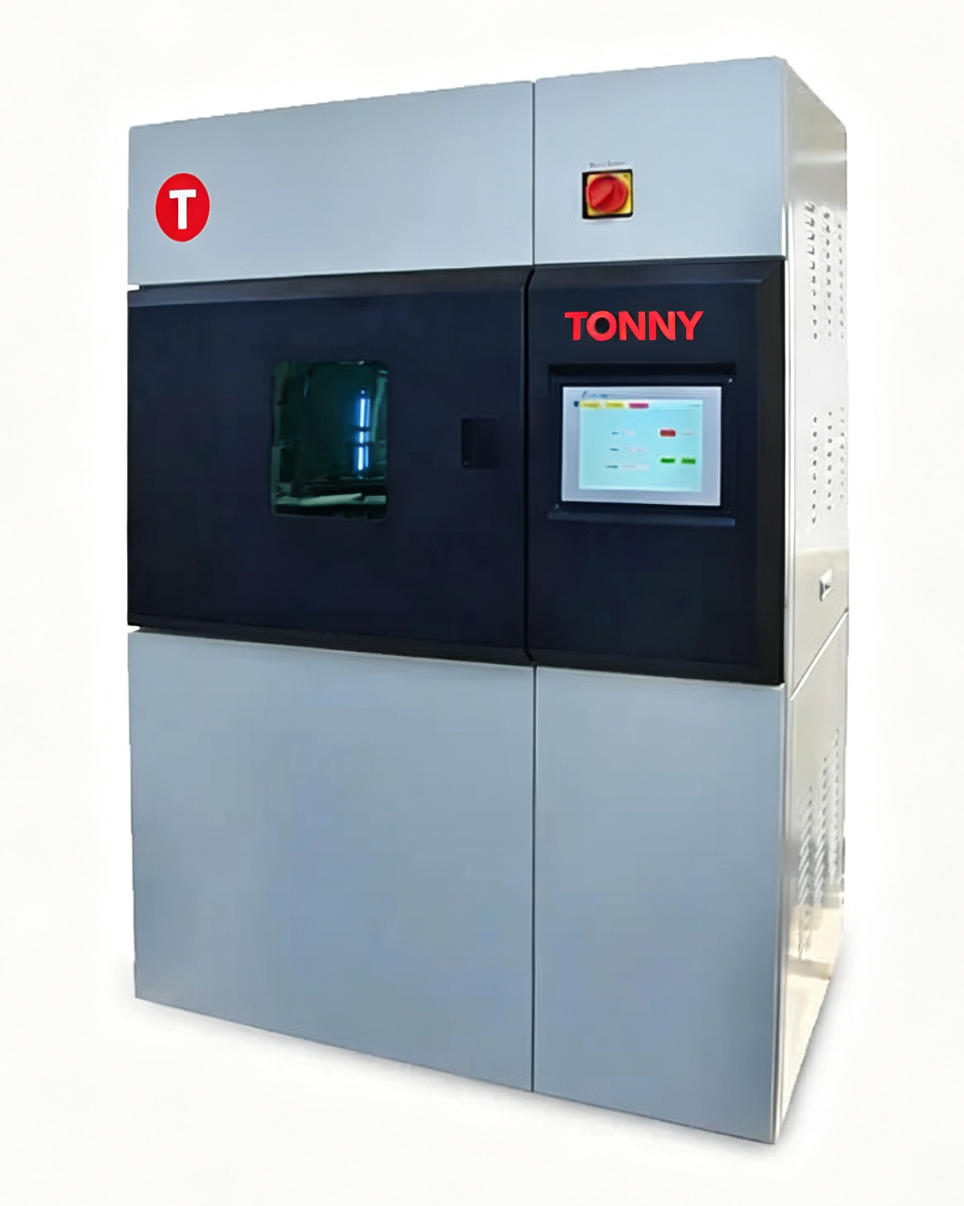 Water-cooled Light Fastness Tester
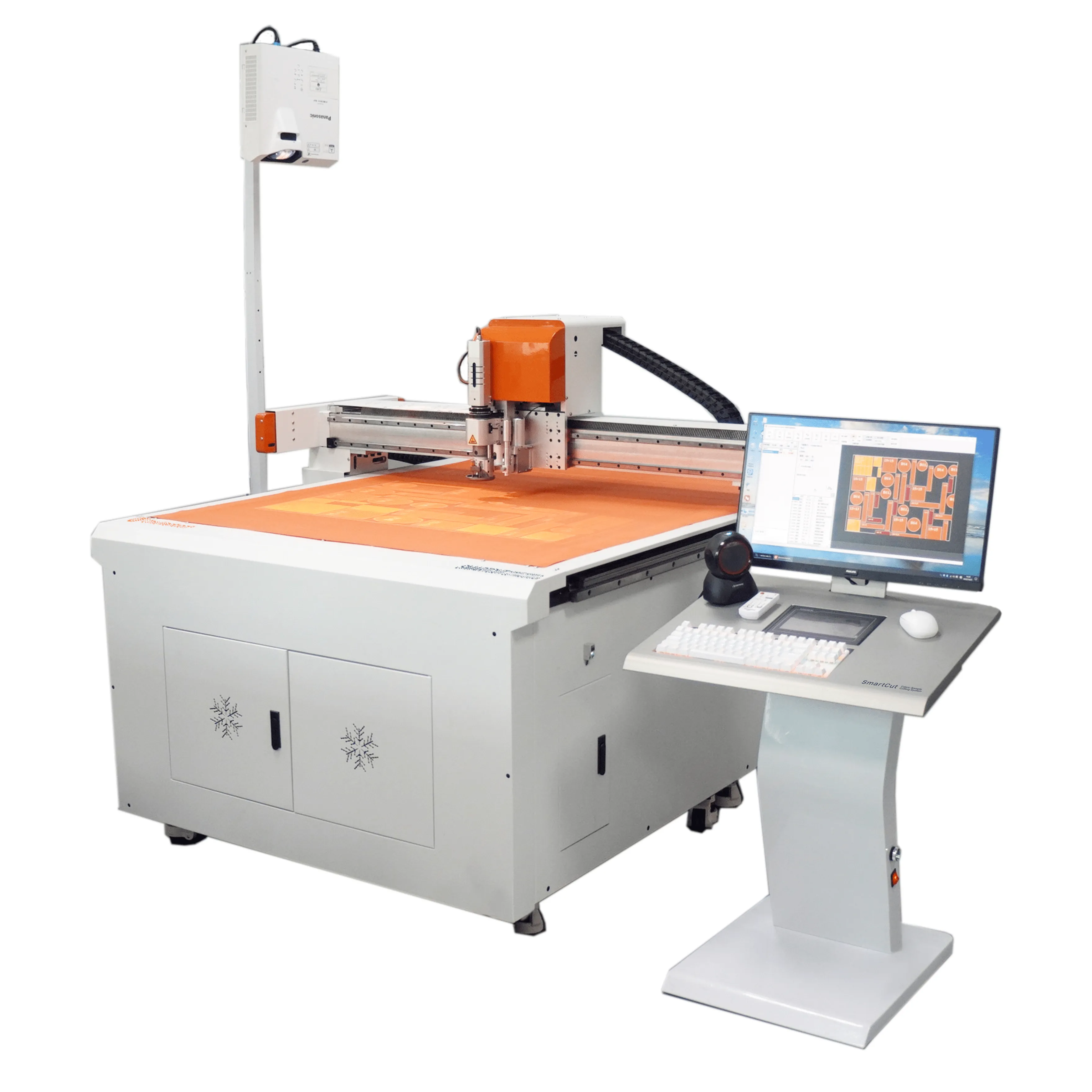 SmartCut Fabric Sample Cutting System
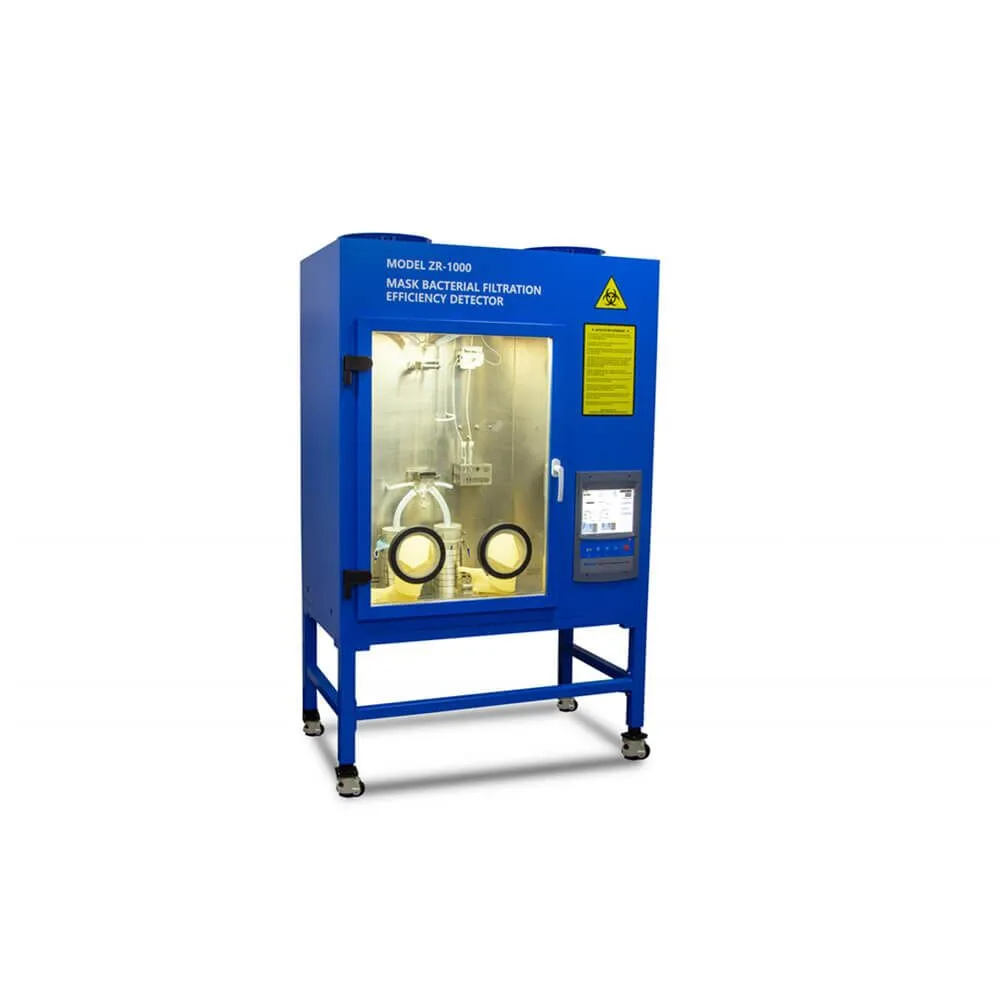 Masks Bacterial Filtration Efficiency Tester
Why request a quotation from TONNY
Founded in 2012 with a 60-person design and assembly team and worldwide supply. No prices are published and no registration is required to read a specification.
Tell us what you need to test.
Send the test method and the material. We will match the model, attach its specification table and reply with a written quotation - no prices published, no registration.