Preparing for ISO 22609 testing: from method to instrument setup
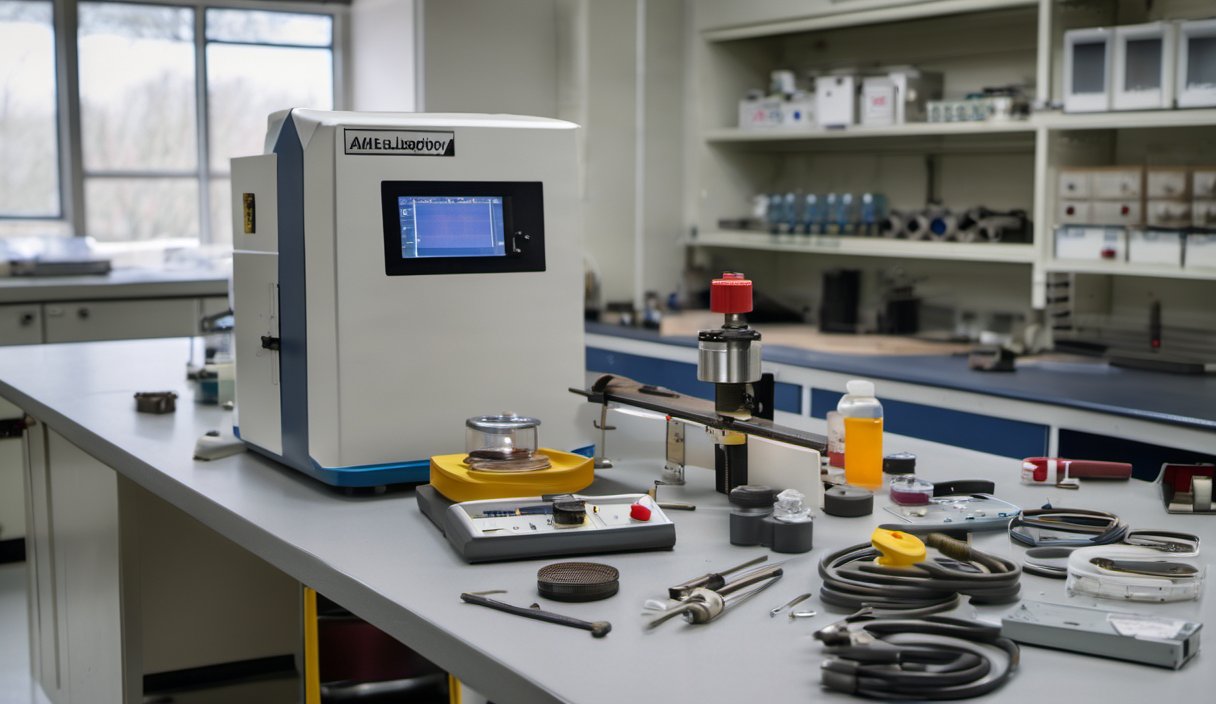
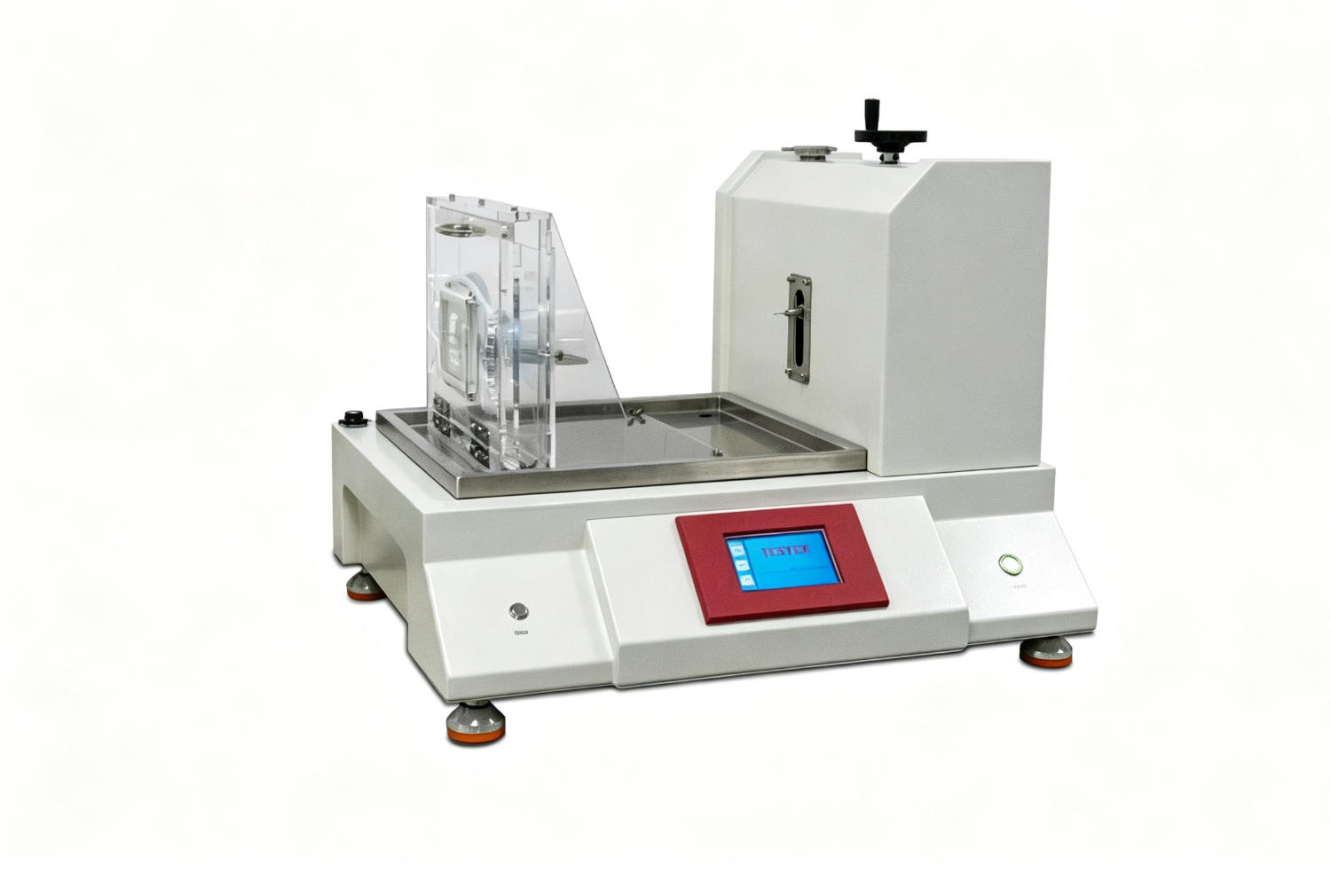
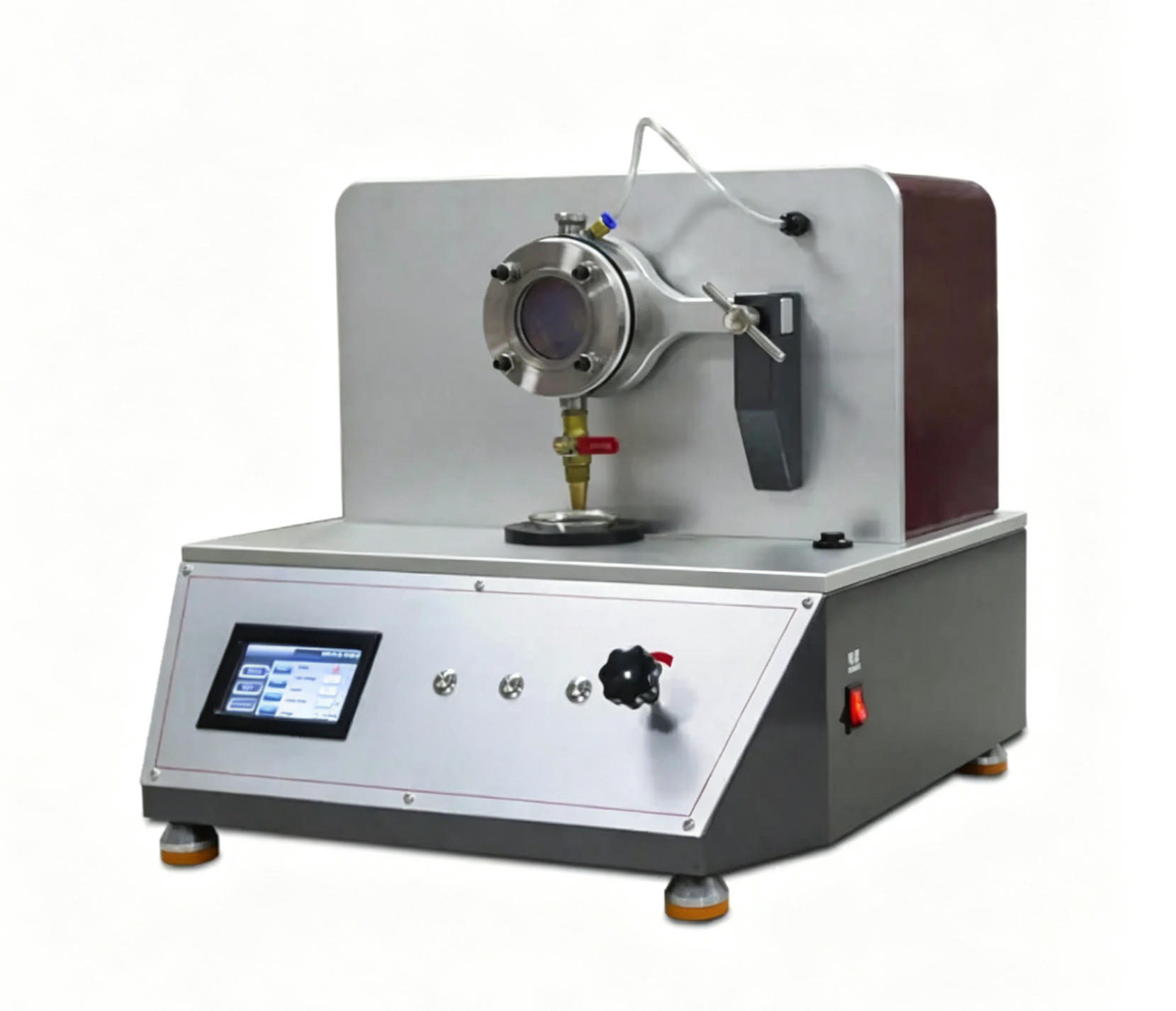
The TNG1044 and TNG1049 instruments are suitable for compliance with ISO 22609, as they provide the required parameters for synthetic blood penetration testing.
Confirming the Method Code
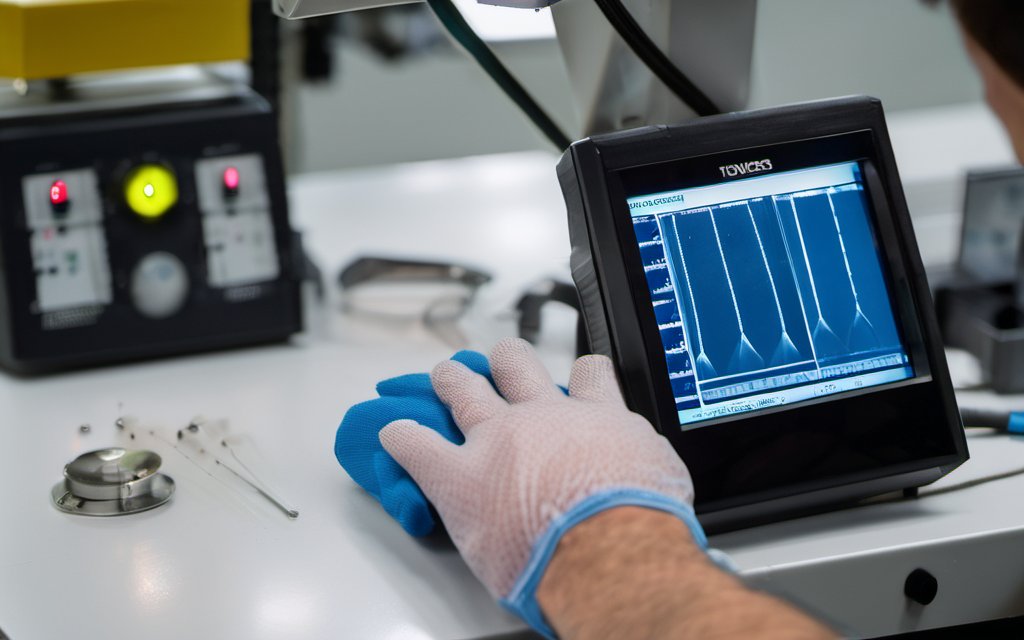
Before procurement, it is essential to confirm that the testing method aligns with ISO 22609. This standard specifies the procedures for evaluating the resistance of face masks to synthetic blood penetration. The TNG1044 and TNG1049 instruments are designed to meet these requirements, ensuring accurate and repeatable results. The TNG1044, in particular, is tailored for face masks, while the TNG1049 offers a general-purpose solution for synthetic blood penetration testing. Both models are part of the Air / Water / Vapour Permeability Testing category, which underscores their relevance to the standard.
Identifying the Required Measuring Range
The measuring range is a critical factor in selecting the appropriate instrument. For ISO 22609, the TNG1044 provides a blood spraying distance of (300 ± 10) mm, which is within the specified range for simulating real-world conditions. This distance ensures that the synthetic blood is applied at a consistent and standardized level, allowing for reliable comparisons between different materials. Additionally, the nozzle inner diameter of 0.84 mm and nozzle length of 12.7 mm contribute to the precision of the test, as they control the volume and distribution of the synthetic blood during application. These specifications are essential for replicating the conditions described in ISO 22609.
Checking the Published Specification Table

A thorough review of the published specifications is necessary to ensure that the selected instrument meets all the requirements of ISO 22609. The TNG1044 offers spraying speeds of 450 cm/s, 550 cm/s, and 635 cm/s, along with corresponding spraying times of 0.80 s, 0.66 s, and 0.57 s. These parameters allow for the simulation of varying levels of impact, which is crucial for assessing the performance of face masks under different conditions. The adjustable watching time of 10 seconds provides flexibility in observing the penetration process, ensuring that the test can be conducted accurately and efficiently. These specifications directly support the testing procedures outlined in ISO 22609.
Requesting a Quotation
Once the method code, measuring range, and specifications have been verified, the next step is to request a quotation. This should include the model number, the required specifications, and any additional features that may be relevant to the testing process. By anchoring each step in the supplied instrument data, the procurement and setup process can be streamlined, ensuring that the selected instrument is both compliant and suitable for the intended application.
Instrument models referenced
- TNG1044 Face Mask Synthetic Blood Penetration Tester (Air / Water / Vapour Permeability Testing). Published specifications include Blood spraying distance: (300 ± 10) mm; Nozzle inner diameter: 0.84 mm; Nozzle length: 12.7 mm.
- TNG1049 Synthetic Blood Penetration Tester (Air / Water / Vapour Permeability Testing).
Editorial note. This application note summarises the published scope of the standard and our documented model data. Configuration requirements vary between standard editions, and instruments support a method only with the appropriate fixtures and accessories. Please confirm the required configuration against the applicable edition of the standard before ordering; conformity of a given test result also depends on the specimen and the procedure followed.
Instruments referenced
Test standards referenced
Need the instrument for this method?
Send the standard number and the material. We reply with the matching model, its full specification table and a quotation.