ISO 22609 testing: the specifications that decide the fit

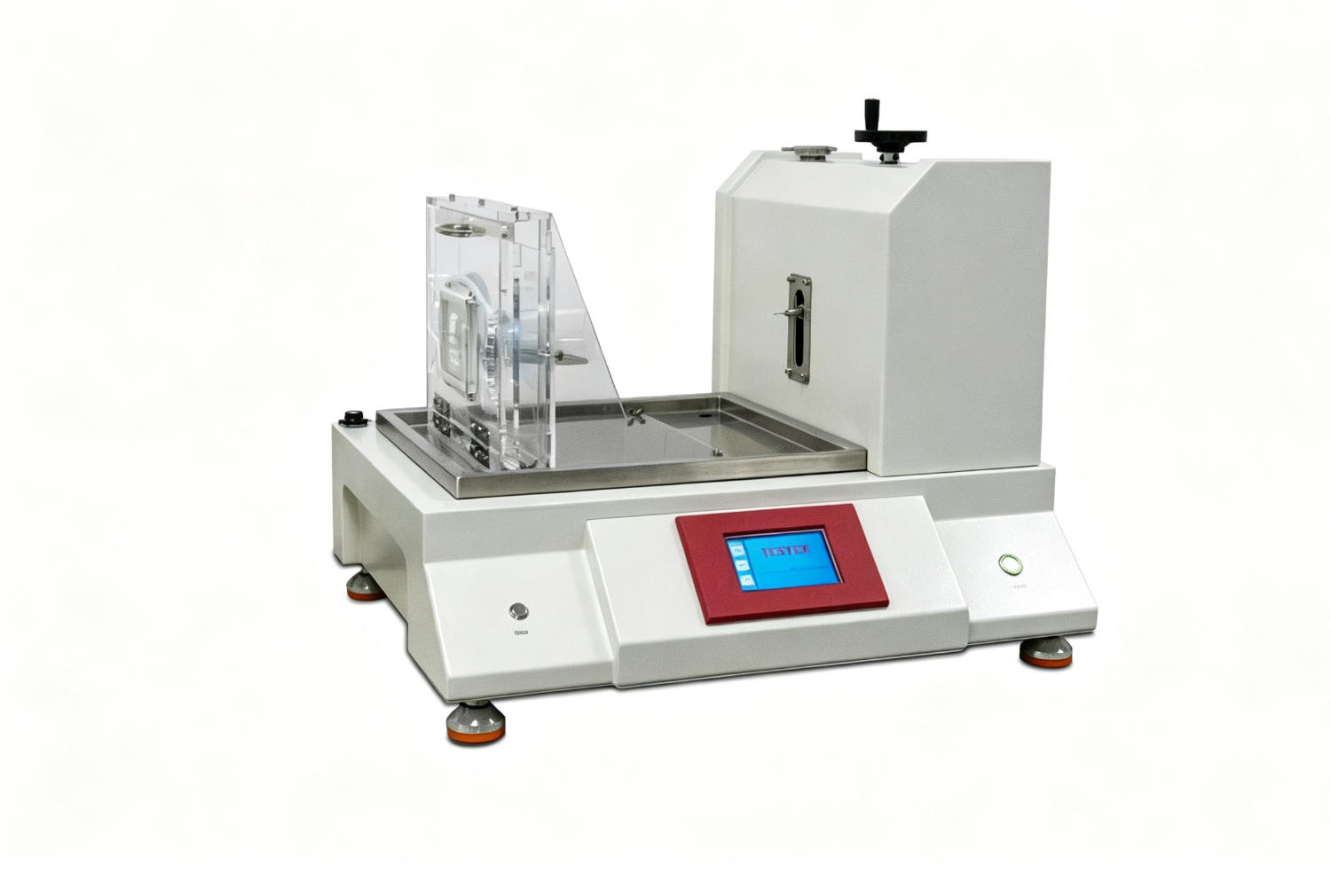
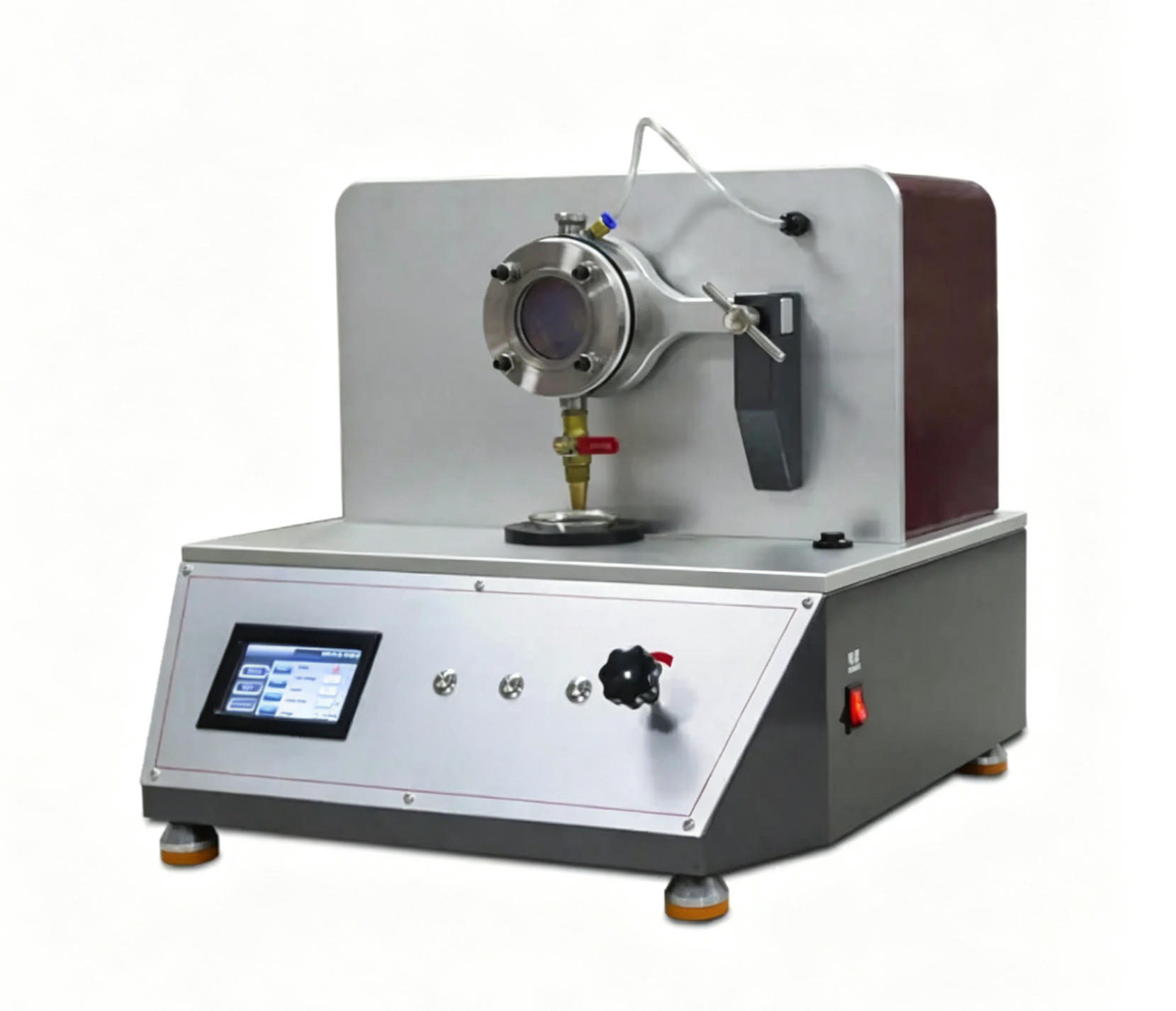
The TNG1044 and TNG1049 instruments are designed to meet the requirements of ISO 22609 for synthetic blood penetration testing, ensuring accurate and repeatable results through precise specification control.
Understanding Specification Tables for ISO 22609 Compliance
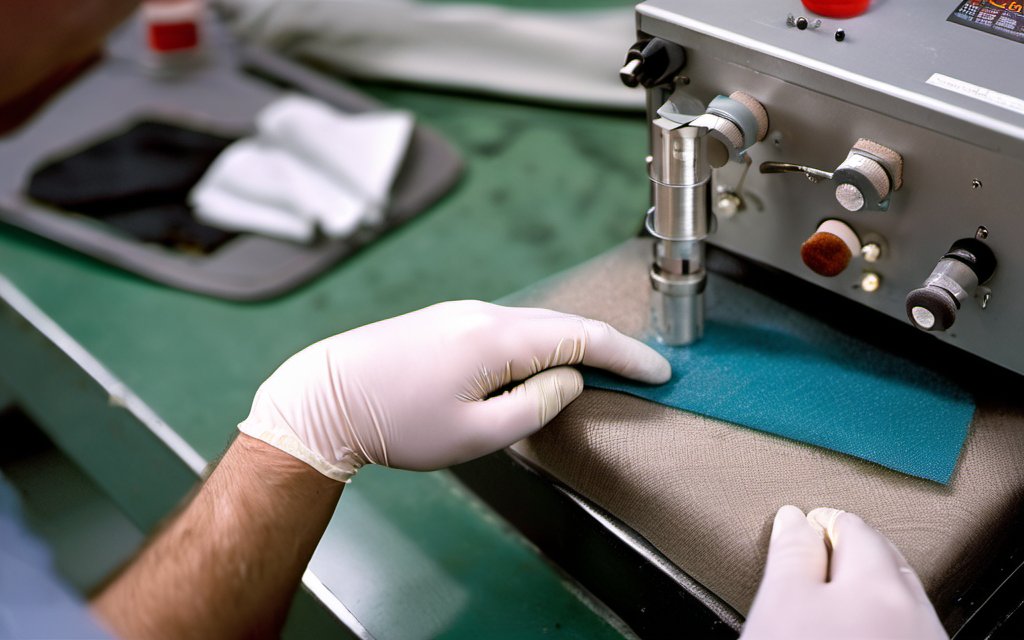
Reading a specification table is essential for ensuring that an instrument meets the required standards. Each label and value pair provides critical information about how the instrument performs during a test. For example, the TNG1044 Face Mask Synthetic Blood Penetration Tester has a blood spraying distance of (300 ± 10) mm. This specification ensures that the synthetic blood is applied at a consistent distance from the test sample, which is crucial for replicating real-world conditions where blood might spray from a wound. The distance directly affects the impact force and the distribution of the synthetic blood on the mask, thereby influencing the test outcome.
Another important specification is the nozzle inner diameter, which is 0.84 mm for the TNG1044. The diameter of the nozzle controls the flow rate and the size of the droplets sprayed onto the mask. A smaller diameter results in a more controlled and uniform spray, ensuring that the test conditions are consistent across multiple trials. This uniformity is vital for obtaining reliable and reproducible data, which is a fundamental requirement of ISO 22609.
Precision in Spraying Parameters
The TNG1044 also specifies spraying speed options of 450 cm/s, 550 cm/s, and 635 cm/s. These speeds allow the user to simulate different levels of impact, such as varying degrees of trauma or different types of exposure. The spraying speed affects the kinetic energy of the synthetic blood droplets, which in turn influences how the mask resists penetration. By offering multiple speed settings, the instrument supports a comprehensive evaluation of the mask's protective capabilities under various conditions.
Similarly, the spraying time is specified as 0.80 s, 0.66 s, and 0.57 s. This parameter determines the duration of the spray, which affects the volume of synthetic blood applied to the mask. Shorter spraying times may be used to simulate brief exposure events, while longer times can mimic prolonged contact. This flexibility ensures that the test can be tailored to the specific requirements of the standard and the type of protective equipment being evaluated.
Instrument Design for Standard Compliance

The TNG1049 Synthetic Blood Penetration Tester, while not having detailed specifications listed, is designed to complement the TNG1044 by providing a standardized testing environment. The design of both instruments ensures that all parameters are controlled and repeatable, which is essential for meeting the stringent requirements of ISO 22609. The combination of these instruments allows for a thorough and accurate assessment of the protective performance of face masks and other personal protective equipment.
Instrument models referenced
- TNG1044 Face Mask Synthetic Blood Penetration Tester (Air / Water / Vapour Permeability Testing). Published specifications include Blood spraying distance: (300 ± 10) mm; Nozzle inner diameter: 0.84 mm; Nozzle length: 12.7 mm.
- TNG1049 Synthetic Blood Penetration Tester (Air / Water / Vapour Permeability Testing).
Editorial note. This application note summarises the published scope of the standard and our documented model data. Configuration requirements vary between standard editions, and instruments support a method only with the appropriate fixtures and accessories. Please confirm the required configuration against the applicable edition of the standard before ordering; conformity of a given test result also depends on the specimen and the procedure followed.
Instruments referenced
Test standards referenced
Need the instrument for this method?
Send the standard number and the material. We reply with the matching model, its full specification table and a quotation.