Finding ISO 22609 equipment through Air / Water / Vapour Permeability

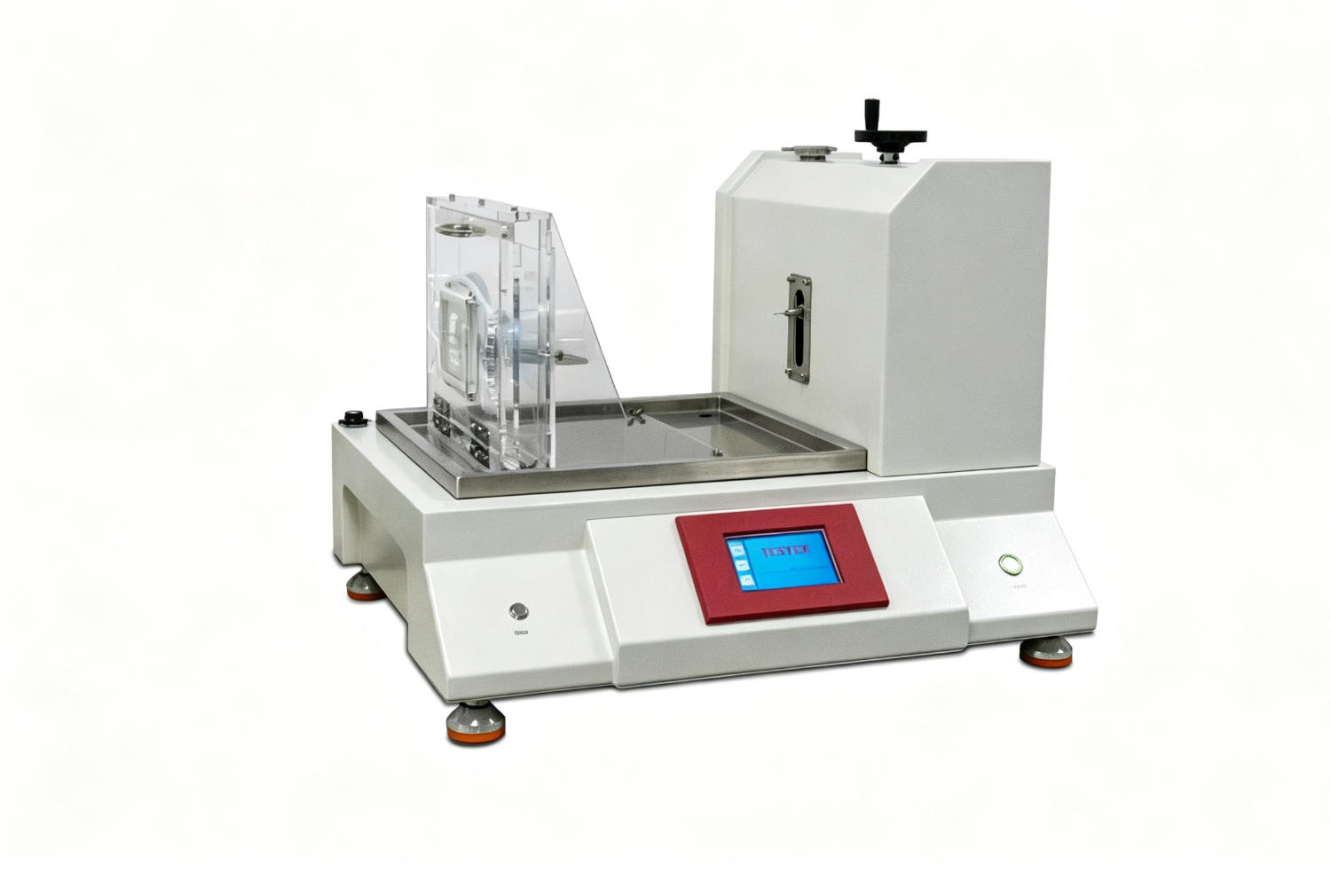
The Face Mask Synthetic Blood Penetration Tester (TNG1044) and Synthetic Blood Penetration Tester (TNG1049) are essential instruments for compliance with ISO 22609, which evaluates the resistance of face masks to synthetic blood penetration.
Compliance with ISO 22609

ISO 22609 outlines the procedures for testing the resistance of face masks to synthetic blood penetration, a critical factor in ensuring their effectiveness during medical and industrial applications. The test method requires precise control over variables such as spraying distance, nozzle dimensions, and spraying speed to accurately simulate real-world conditions. The Face Mask Synthetic Blood Penetration Tester (TNG1044) and Synthetic Blood Penetration Tester (TNG1009) are specifically designed to meet these requirements by incorporating specifications that align with the standard's parameters.
Instrument Specifications and Their Role in Testing
The Face Mask Synthetic Blood Penetration Tester (TNG1044) is equipped with a blood spraying distance of (300 ± 10) mm, which ensures that the synthetic blood is applied at the correct distance from the mask surface, as specified in ISO 22609. This distance is crucial for simulating the impact of blood droplets during a medical procedure. Additionally, the nozzle inner diameter of 0.84 mm and nozzle length of 12.7 mm are designed to produce a consistent and controlled spray pattern, ensuring that the test conditions are uniform and repeatable. These specifications support the standard's requirement for precise and reproducible testing, which is essential for accurate results.
Instrument Specifications and Their Role in Testing
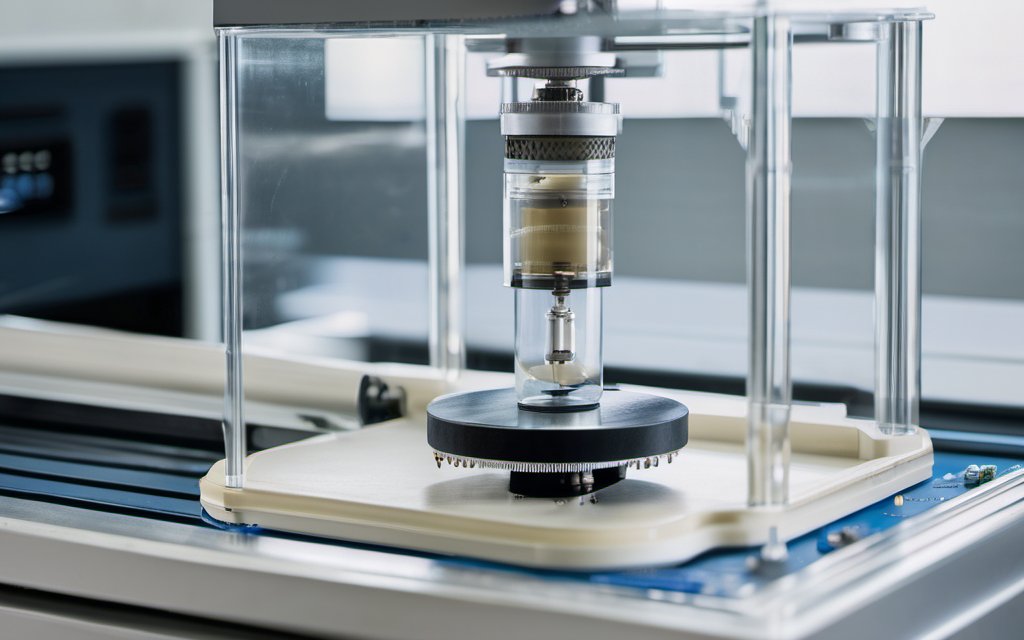
The Face Mask Synthetic Blood Penetration Tester (TNG1044) also features adjustable spraying speeds of 450 cm/s, 550 cm/s, and 635 cm/s, along with corresponding spraying times of 0.80 s, 0.66 s, and 0.57 s. These parameters allow the instrument to simulate different levels of blood droplet impact, as required by ISO 22609. The adjustable watching time of 10 seconds (adjustable) enables the user to observe the penetration of synthetic blood under controlled conditions, ensuring that the test results are both accurate and reliable. These specifications are critical for meeting the standard's requirements and ensuring that the test results are valid and comparable across different testing environments.
Instrument Specifications and Their Role in Testing
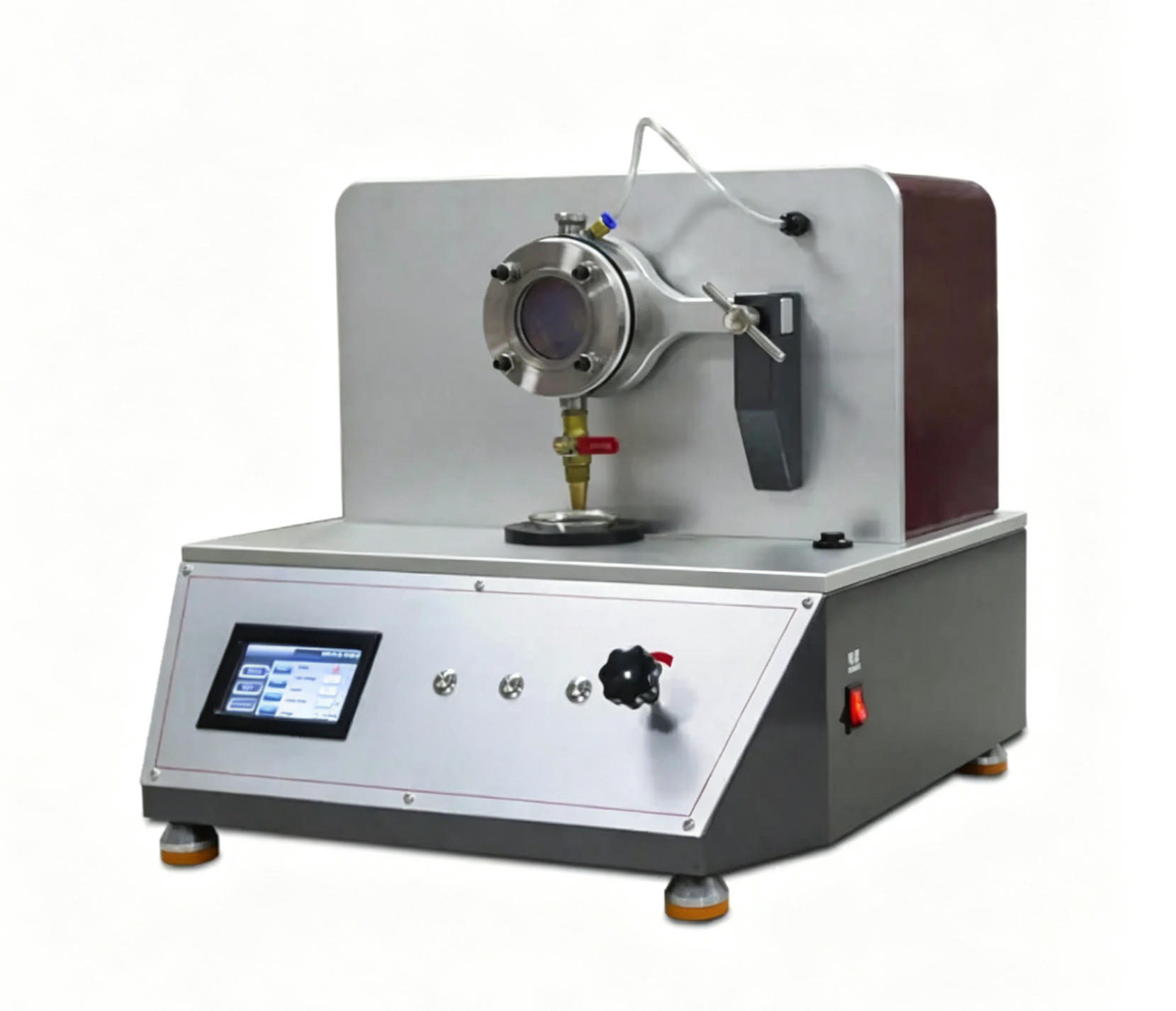
The Synthetic Blood Penetration Tester (TNG1049), while not as detailed in its specifications, is designed to complement the TNG1044 model by providing a dedicated platform for synthetic blood penetration testing. Its integration with the TNG1044 model ensures that the testing process is streamlined and efficient, allowing for consistent and reliable results. Both instruments are part of the Air / Water / Vapour Permeability Testing category, which underscores their role in evaluating the performance of protective equipment under various environmental conditions. By adhering to the specifications outlined in ISO 22609, these instruments provide a robust and standardized approach to testing, ensuring that face masks meet the necessary safety and performance criteria.
Instrument models referenced
- TNG1044 Face Mask Synthetic Blood Penetration Tester (Air / Water / Vapour Permeability Testing). Published specifications include Blood spraying distance: (300 ± 10) mm; Nozzle inner diameter: 0.84 mm; Nozzle length: 12.7 mm.
- TNG1049 Synthetic Blood Penetration Tester (Air / Water / Vapour Permeability Testing).
Editorial note. This application note summarises the published scope of the standard and our documented model data. Configuration requirements vary between standard editions, and instruments support a method only with the appropriate fixtures and accessories. Please confirm the required configuration against the applicable edition of the standard before ordering; conformity of a given test result also depends on the specimen and the procedure followed.
Instruments referenced
Test standards referenced
Need the instrument for this method?
Send the standard number and the material. We reply with the matching model, its full specification table and a quotation.