ISO 105-B02: which instrument fits and how to decide
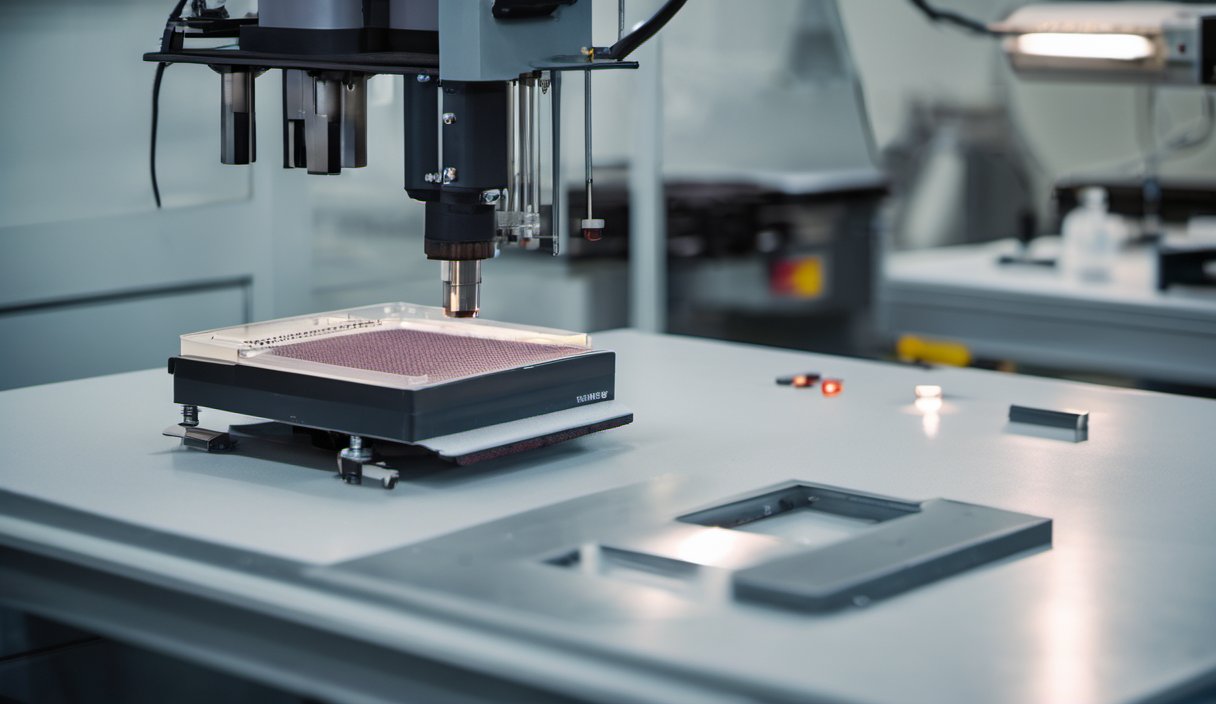
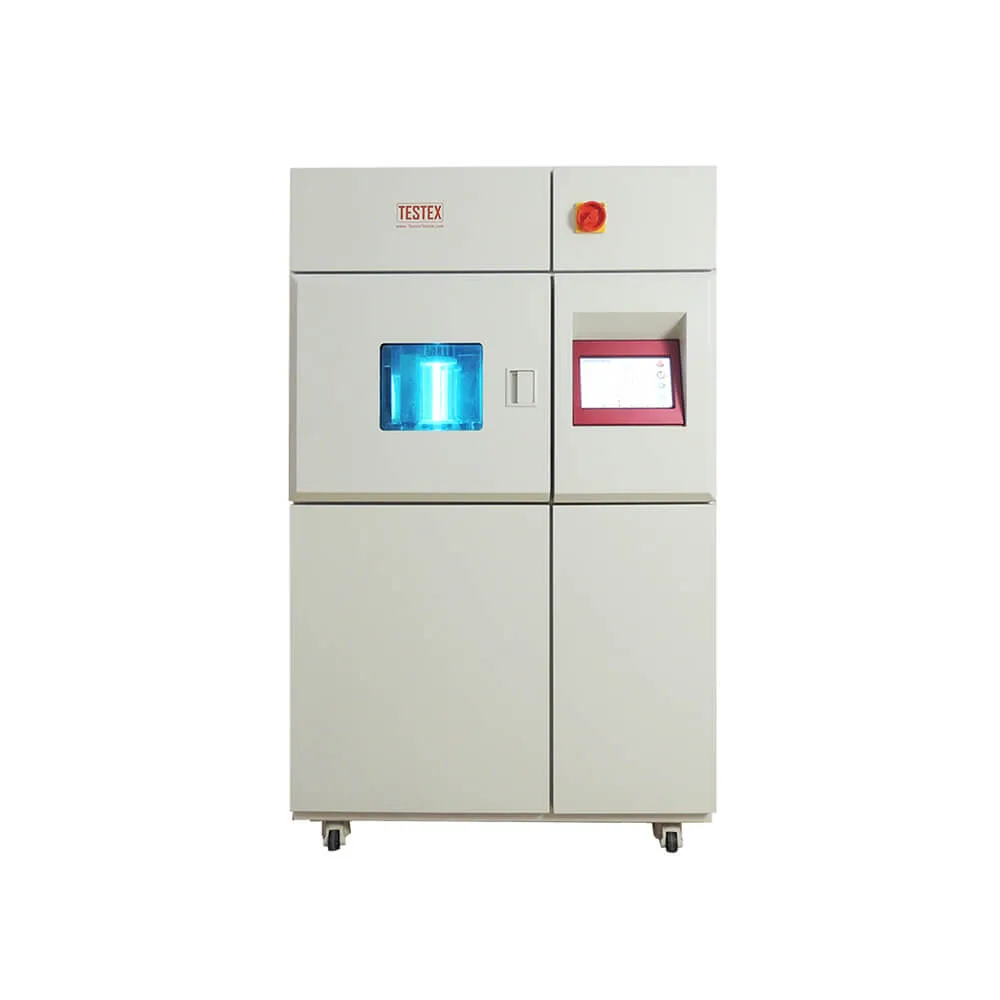
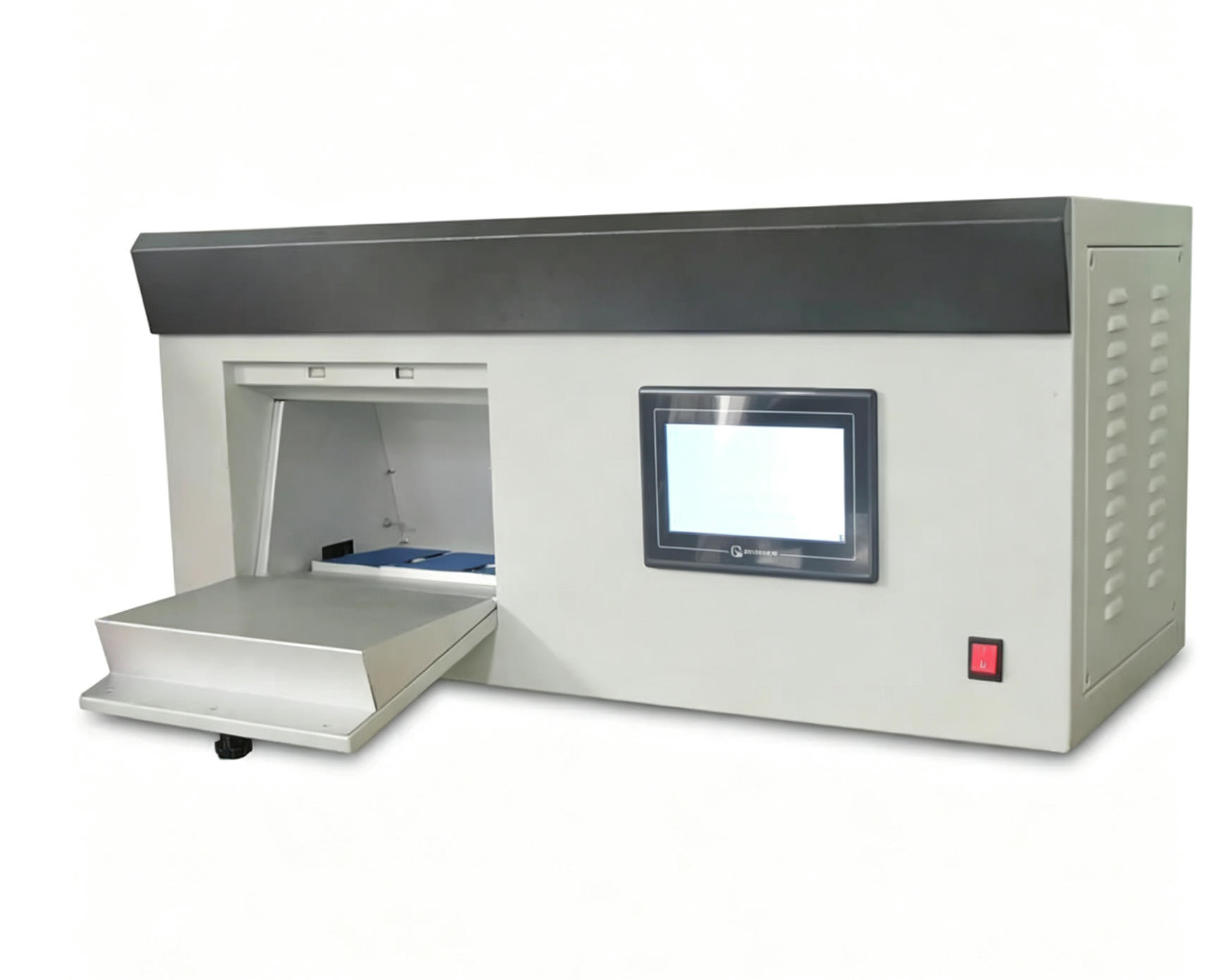
The Light Fastness Tester models TNG1032 and TNG1036 are suitable for testing in accordance with ISO 105-B02, as they meet the required specifications for irradiance, temperature, and sample handling.
Matching Specifications to ISO 105-B02 Requirements
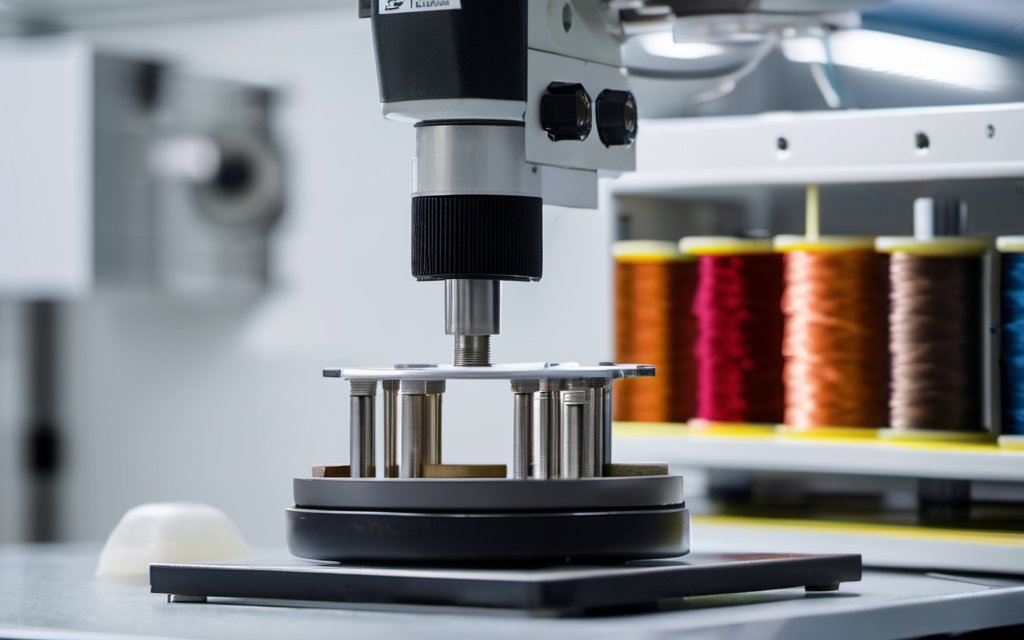
ISO 105-B02 outlines the procedures for determining the light fastness of textiles using artificial light sources. To support testing to this standard, instruments must accurately simulate the effects of light exposure, maintain precise temperature control, and support the required sample dimensions. The Light Fastness Tester models TNG1032 and TNG1036 are specifically designed to meet these requirements.
Irradiance and Light Source Accuracy
Both TNG1032 and TNG1036 feature a 2500W air-cooled long-arc xenon lamp, which closely mimics natural sunlight and is essential for simulating real-world light exposure conditions. The irradiance range of 0.80 to 1.50 W/m² at 420nm ensures that the light intensity can be adjusted to match the specific requirements of the test. Additionally, the irradiance accuracy of ±0.02 W/m² at 420nm helps ensure that the light output remains consistent and reliable, which is critical for obtaining accurate and reproducible results in accordance with ISO 105-B02.
Temperature Control and Sample Handling
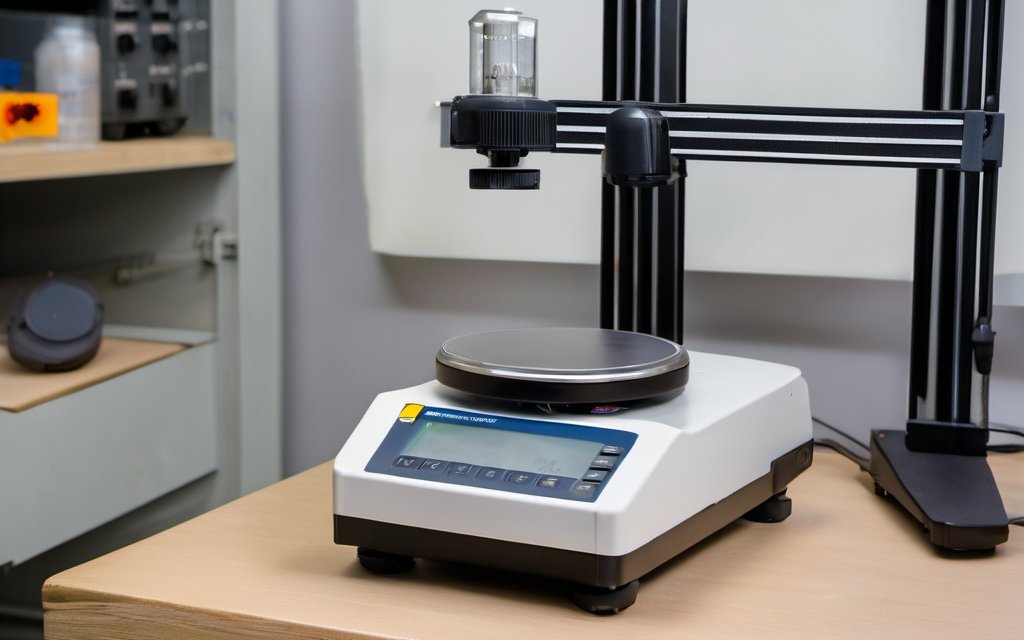
Temperature control is another key factor in light fastness testing. Both models offer a temperature range of 25 to 50°C with a resolution of 0.1°C, allowing precise control over the environmental conditions during testing. This level of accuracy is necessary to ensure that the test results are not influenced by temperature fluctuations, which can affect the degradation of materials.
Sample handling is also important for compliance. The TNG1032 and TNG1036 both support ISO and AATCC sample holders, accommodating samples of 175 x 45mm and 175 x 75mm respectively. This ensures that the samples can be placed and secured in a manner that aligns with the standard's requirements, facilitating accurate and consistent testing procedures.
Conclusion
In summary, the Light Fastness Tester models TNG1032 and TNG1036 are well-suited for testing in accordance with ISO 105-B02. Their precise irradiance control, accurate temperature regulation, and appropriate sample handling capabilities ensure that the testing process meets the necessary standards for light fastness evaluation. These specifications are essential for producing reliable and repeatable results, making these instruments a suitable choice for laboratories conducting color fastness testing.
Instrument models referenced
- TNG1032 Light Fastness Tester (Colour Fastness Testing). Published specifications include Working modes To simulate and reinforce the impact of the nature of the measured object, providing light and dark, temperature and humidity, raining and other quantitative indicators.; Irradiance 0.80 ~ 1.50W/m2 @ 420nm (340nm, 300~400nm, 300~800nm is offered on request), Digital set, automatic closed-loop compensation; Irradiance accuracy ± 0.02W/m2 @ 420nm.
- TNG1036 Light Fastness Tester (Colour Fastness Testing). Published specifications include Working modes To simulate and reinforce the impact of the nature of the measured object, providing light and dark, temperature and humidity, raining and other quantitative indicators.; Irradiance 0.80 ~ 1.50W/m2 @ 420nm (340nm, 300~400nm, 300~800nm is offered on request), Digital set, automatic closed-loop compensation; Irradiance accuracy ± 0.02W/m2 @ 420nm.
Editorial note. This application note summarises the published scope of the standard and our documented model data. Configuration requirements vary between standard editions, and instruments support a method only with the appropriate fixtures and accessories. Please confirm the required configuration against the applicable edition of the standard before ordering; conformity of a given test result also depends on the specimen and the procedure followed.
Instruments referenced
Test standards referenced
Need the instrument for this method?
Send the standard number and the material. We reply with the matching model, its full specification table and a quotation.