EN 14683: which instrument fits and how to decide
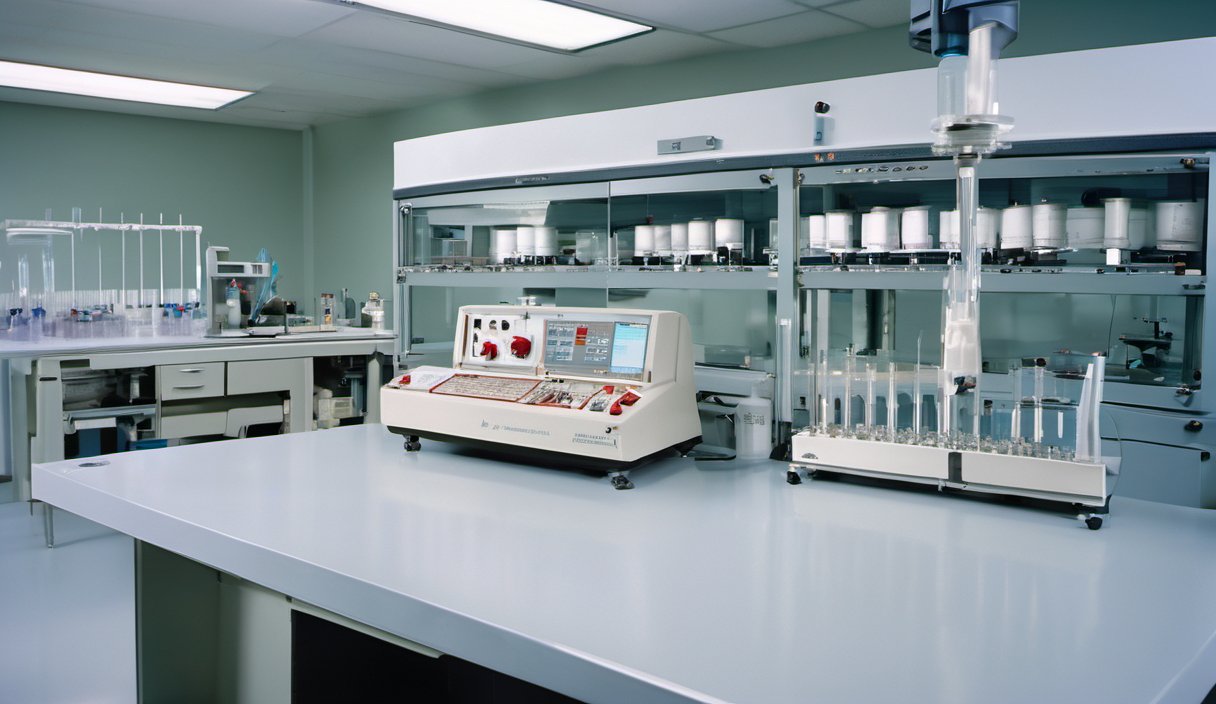
The TNG1047, TNG1044, and TNG1049 instruments are suitable for testing compliance with EN 14683 due to their specifications that align with the required performance criteria for bacterial filtration efficiency and synthetic blood penetration resistance.
Instrument Selection Based on EN 14683 Requirements
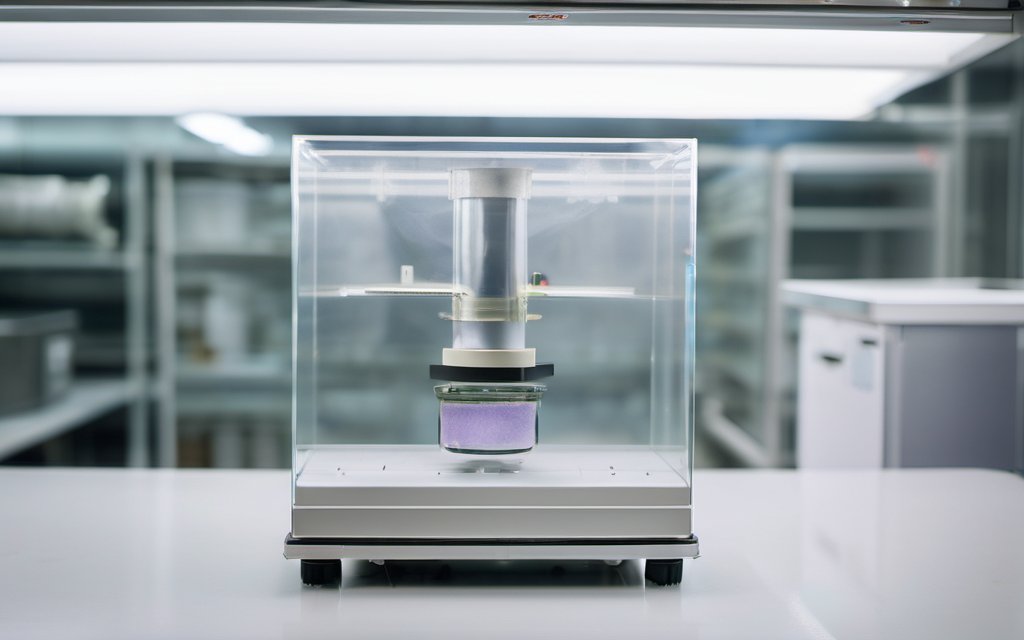
EN 14683 outlines the performance requirements for fluid-resistant face masks, emphasizing bacterial filtration efficiency (BFE) and synthetic blood penetration resistance. When selecting an instrument for testing compliance with this standard, it is essential to focus on specifications that directly relate to these performance criteria. The TNG1047, TNG1044, and TNG1049 instruments are specifically designed to meet these needs, with their specifications closely aligned with the test procedures defined in EN 14683.
Bacterial Filtration Efficiency Testing with TNG1047
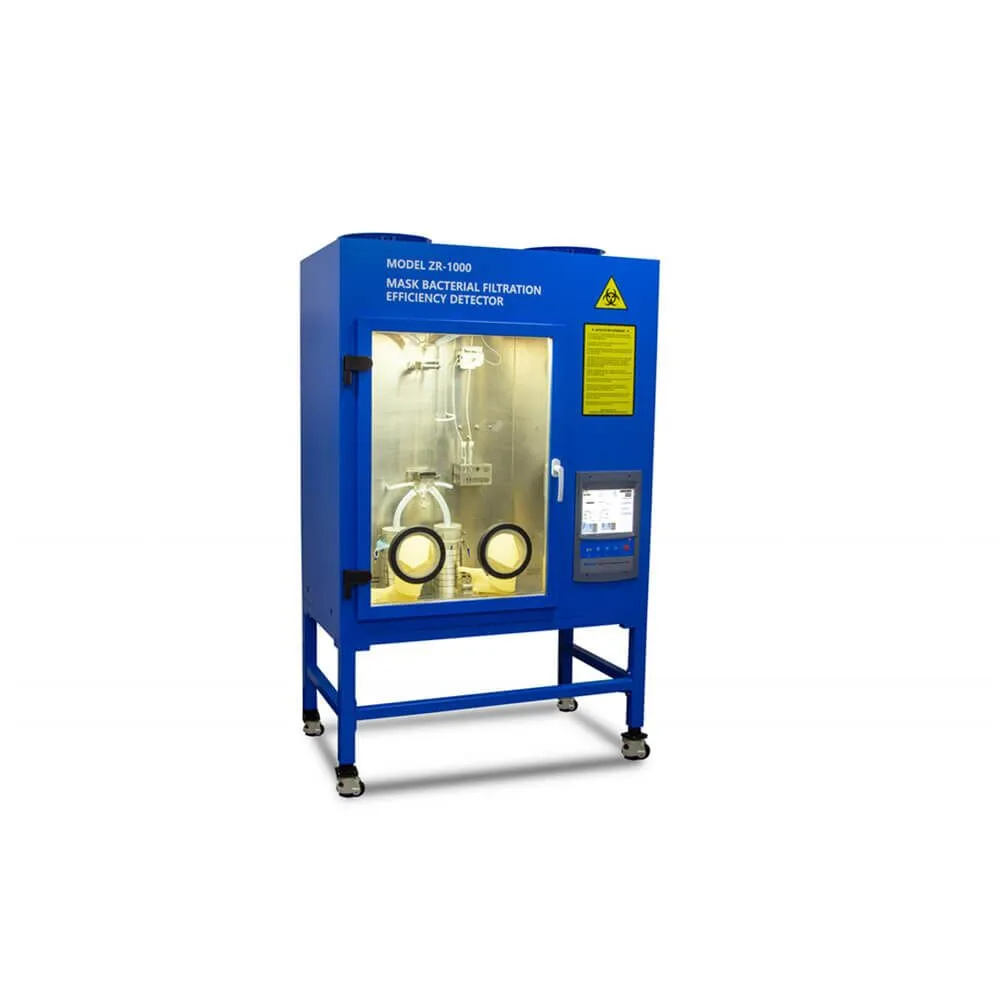
The TNG1047, known as the Masks Bacterial Filtration Efficiency Tester, is designed to assess the ability of face masks to filter out bacteria. This instrument is essential for testing compliance with EN 14683, which requires a minimum bacterial filtration efficiency of 98%. The TNG1047 has a sample flow rate of A and B set at 28.3 L/min, which matches the standard flow rate used in BFE testing. This flow rate ensures that the test conditions are consistent with those specified in EN 14683, allowing for accurate and reproducible results. Additionally, the peristaltic pump flow of (0.1–3.0) mL/min provides precise control over the aerosol delivery, ensuring that the test conditions remain within the required parameters.
Synthetic Blood Penetration Resistance Testing with TNG1044 and TNG1049

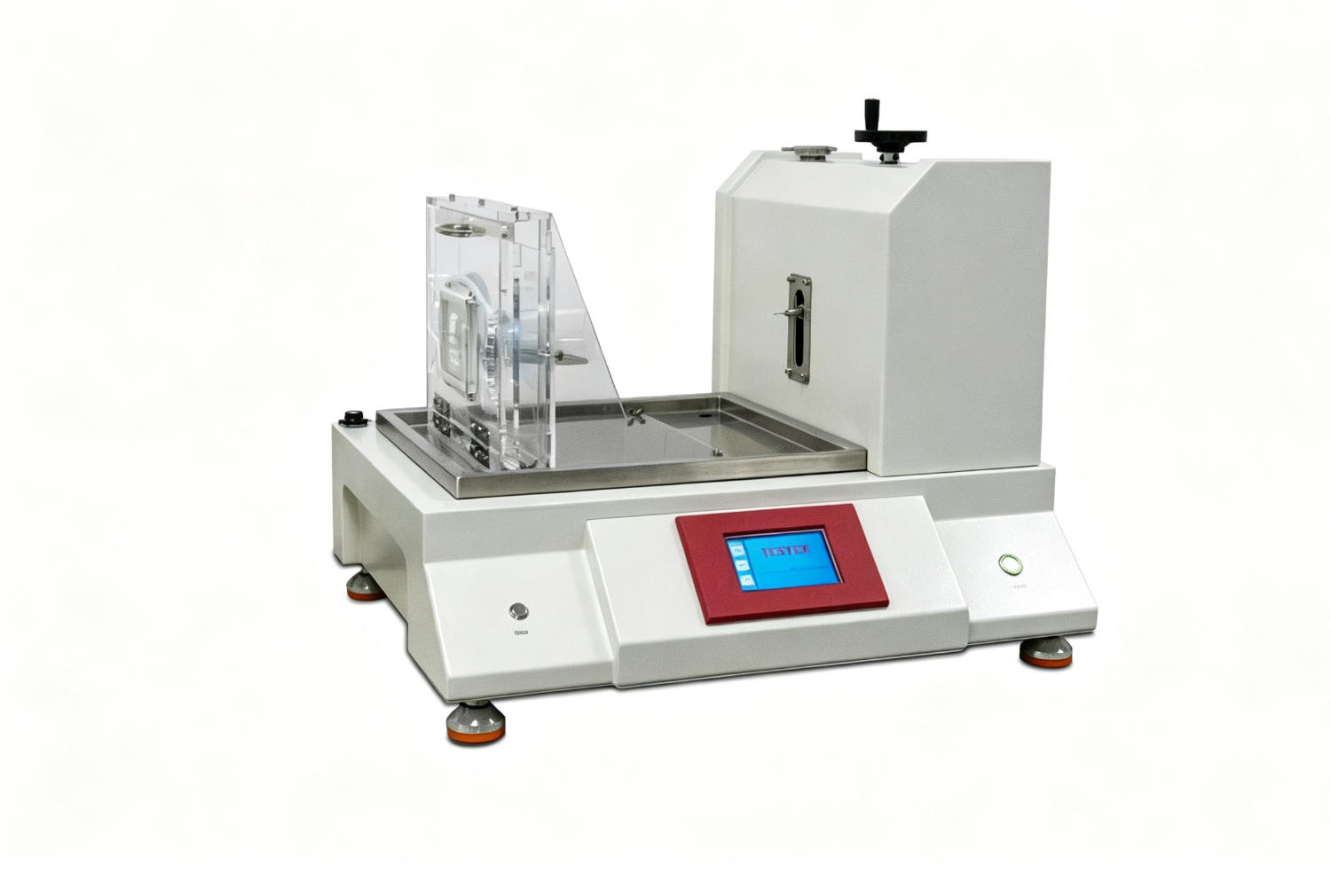
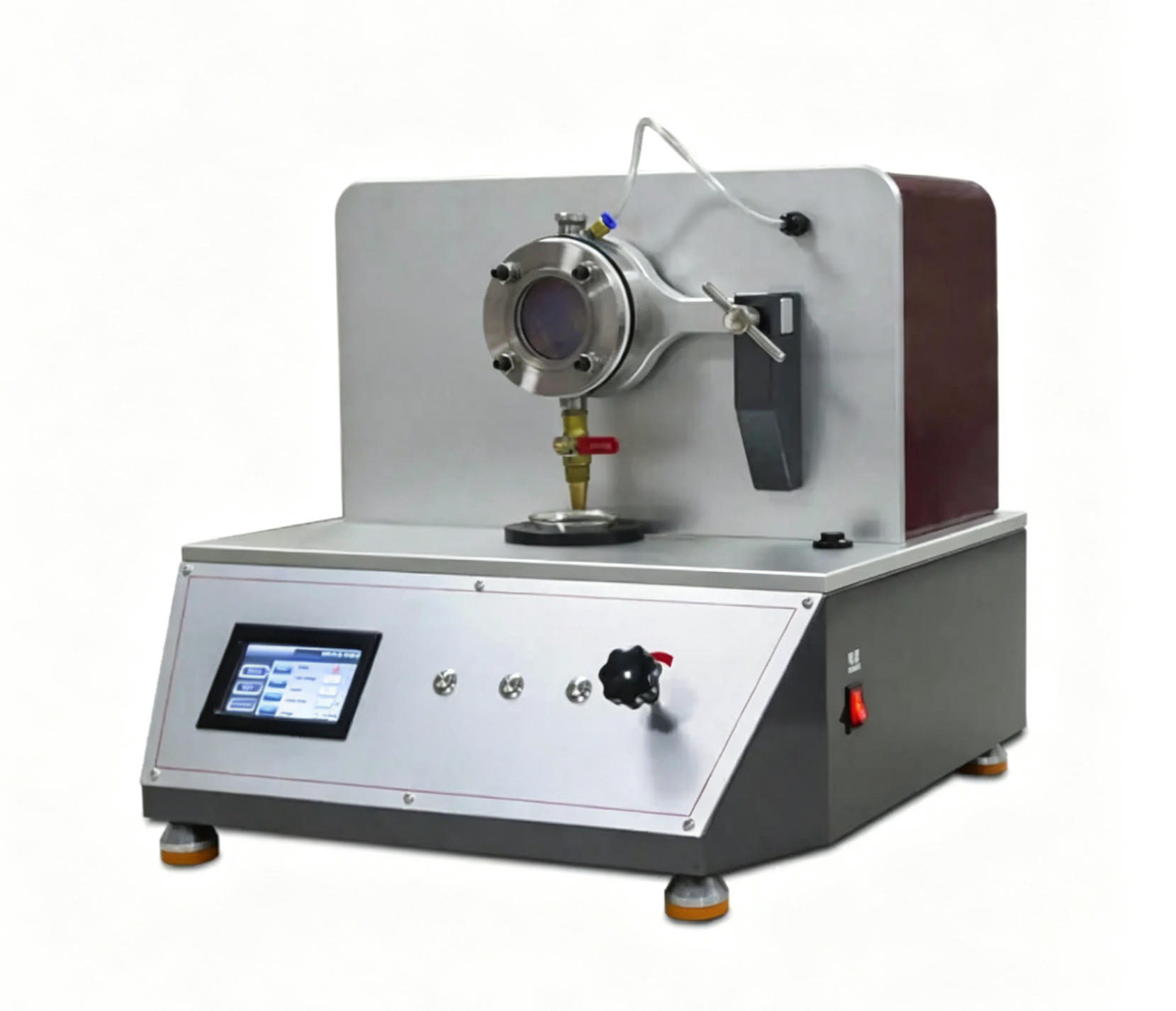
The TNG1044, Face Mask Synthetic Blood Penetration Tester, is designed to evaluate the resistance of face masks to synthetic blood penetration. This instrument is critical for testing compliance with EN 14683, which requires masks to resist penetration by synthetic blood under specific conditions. The TNG1044 has a blood spraying distance of (300 ± 10) mm, which aligns with the standard test conditions for synthetic blood penetration. The nozzle inner diameter of 0.84 mm and nozzle length of 12.7 mm ensure that the synthetic blood is delivered in a consistent and controlled manner, replicating real-world conditions. The spraying speed and time settings of 450 cm/s, 550 cm/s, 635 cm/s, and corresponding spraying times of 0.80 s, 0.66 s, 0.57 s allow for the evaluation of the mask's resistance under varying conditions. The TNG1049, Synthetic Blood Penetration Tester, also supports these tests, providing additional flexibility and precision in evaluating synthetic blood penetration resistance.
Conclusion
The TNG1047, TNG1044, and TNG1049 instruments are well-suited for testing compliance with EN 14683 due to their specifications that align with the required performance criteria. The TNG1047 ensures accurate bacterial filtration efficiency testing, while the TNG1044 and TNG1049 provide precise synthetic blood penetration resistance evaluation. These instruments are essential for manufacturers seeking to ensure their products meet the stringent requirements of EN 14683.
Instrument models referenced
- TNG1047 Masks Bacterial Filtration Efficiency Tester (Air / Water / Vapour Permeability Testing). Published specifications include Main parameters Scope; Sample Flow Rate of A 28.3L/min; Sample Flow Rate of B 28.3L/min.
- TNG1044 Face Mask Synthetic Blood Penetration Tester (Air / Water / Vapour Permeability Testing). Published specifications include Blood spraying distance: (300 ± 10) mm; Nozzle inner diameter: 0.84 mm; Nozzle length: 12.7 mm.
- TNG1049 Synthetic Blood Penetration Tester (Air / Water / Vapour Permeability Testing).
Editorial note. This application note summarises the published scope of the standard and our documented model data. Configuration requirements vary between standard editions, and instruments support a method only with the appropriate fixtures and accessories. Please confirm the required configuration against the applicable edition of the standard before ordering; conformity of a given test result also depends on the specimen and the procedure followed.
Instruments referenced
Test standards referenced
Need the instrument for this method?
Send the standard number and the material. We reply with the matching model, its full specification table and a quotation.