Finding EN 14683 equipment through Air / Water / Vapour Permeability
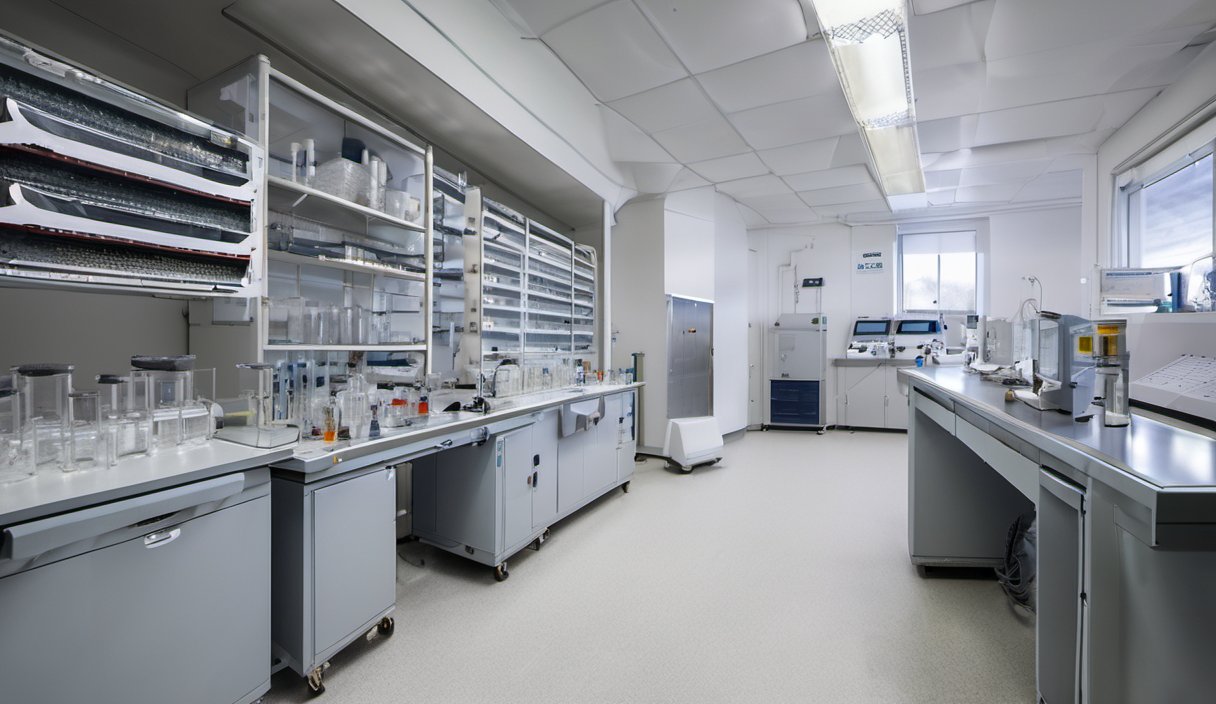
The EN 14683 standard requires testing of medical face masks for bacterial filtration efficiency (BFE) and synthetic blood penetration resistance, and the instruments TNG1047, TNG1044, and TNG1049 are specifically designed to meet these requirements.
Compliance with EN 14683 Standard
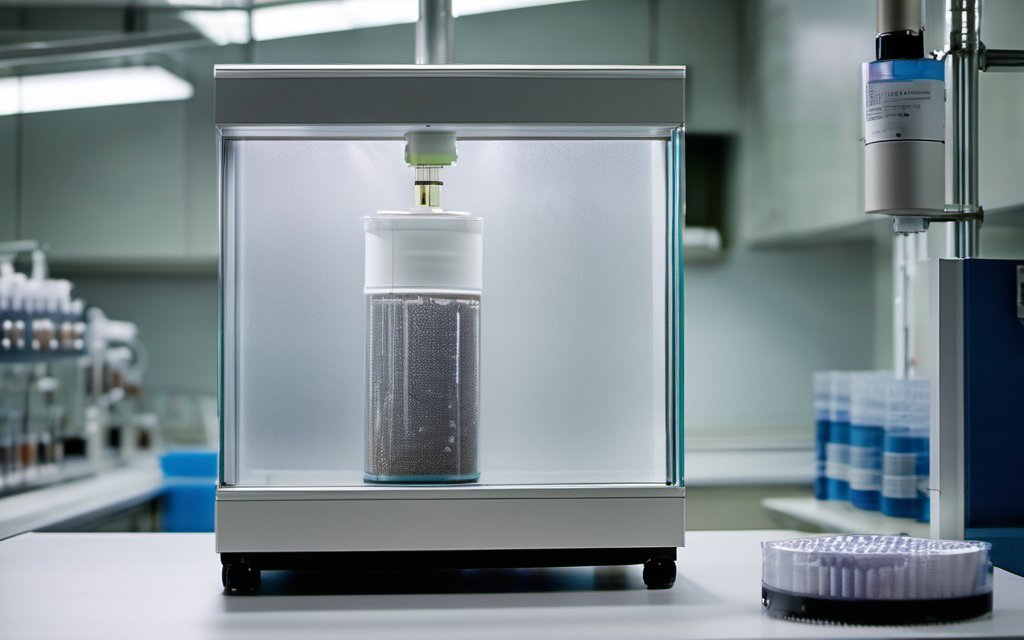
The EN 14683 standard outlines the performance criteria for medical face masks, ensuring they provide adequate protection against bacterial particles and synthetic blood. This standard is critical for medical device manufacturers and regulatory bodies to verify the safety and effectiveness of face masks. The instruments used for testing must align with the specified parameters to ensure accurate and reproducible results.
Bacterial Filtration Efficiency Testing with TNG1047
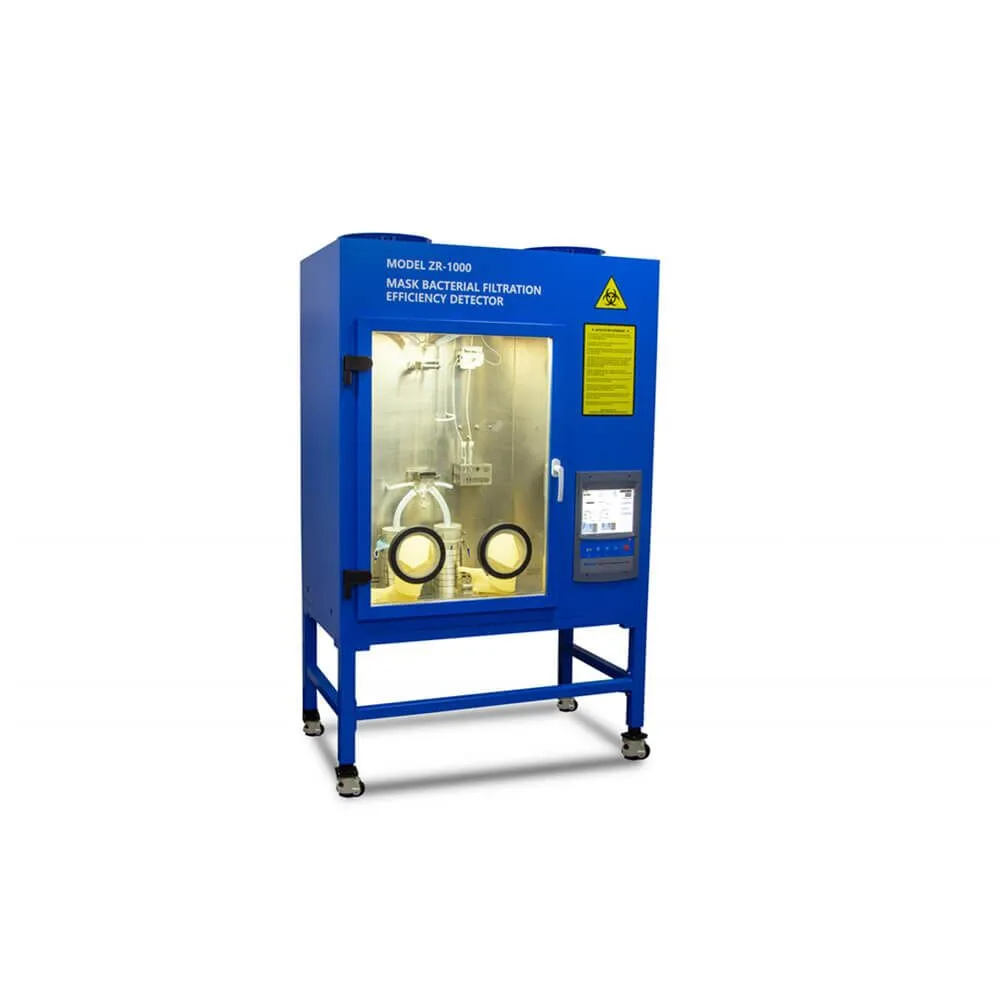
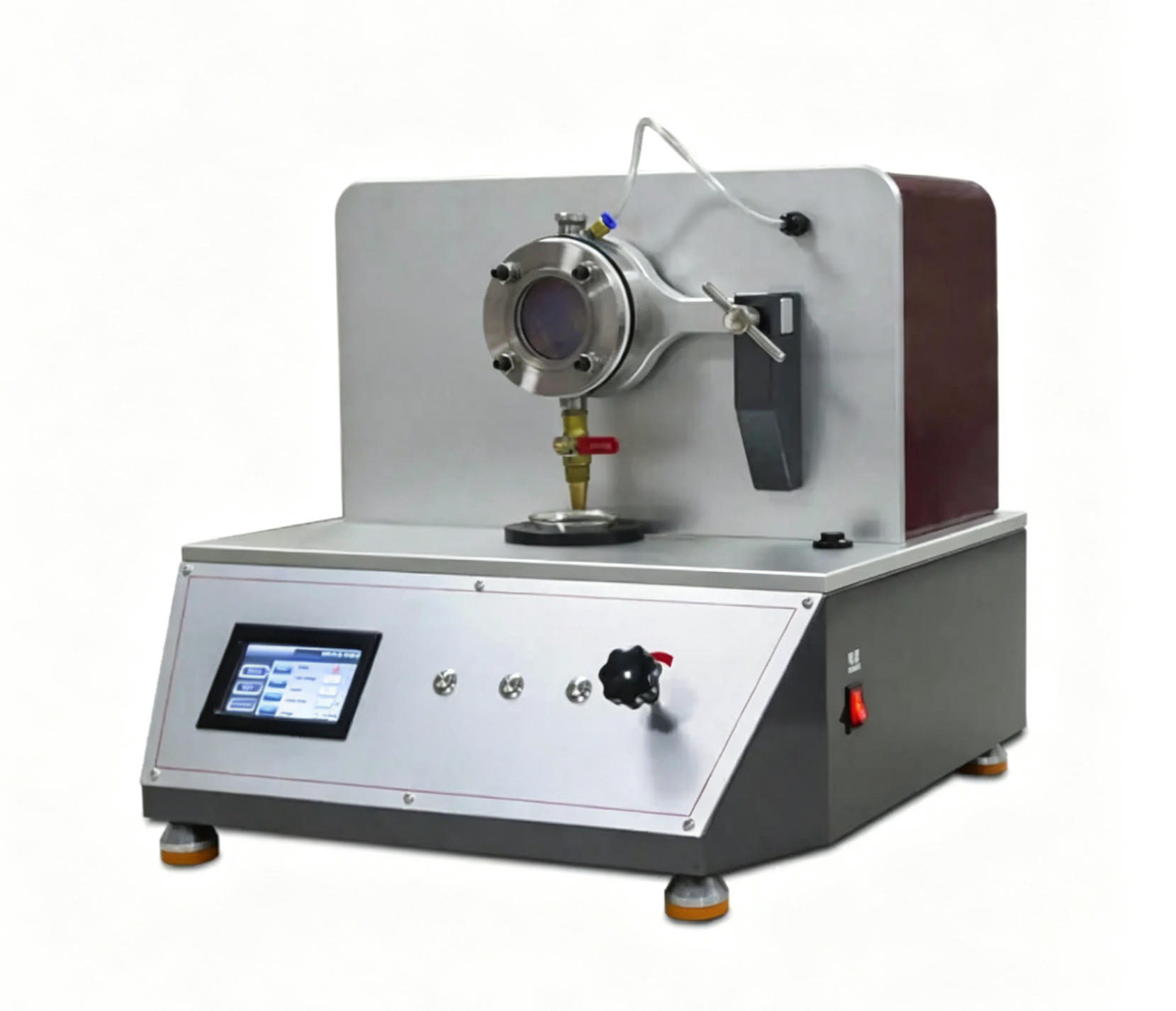
The TNG1047 Masks Bacterial Filtration Efficiency Tester is designed to evaluate the ability of medical face masks to filter out bacterial particles. This instrument supports the EN 14683 standard by providing precise control over the test conditions. For instance, the Sample Flow Rate of A and Sample Flow Rate of B are both set at 28.3 L/min, which is the standard flow rate specified in the EN 14683 standard. This flow rate ensures that the test is conducted under consistent and reproducible conditions, allowing for accurate measurement of bacterial filtration efficiency. Additionally, the Front pressure of flow meter A is set within the range of (-20 to 0) kPa, which helps maintain stable airflow and prevents any external interference during the test. These specifications ensure that the test results are reliable and meet the required standards for medical face masks.
Synthetic Blood Penetration Testing with TNG1044
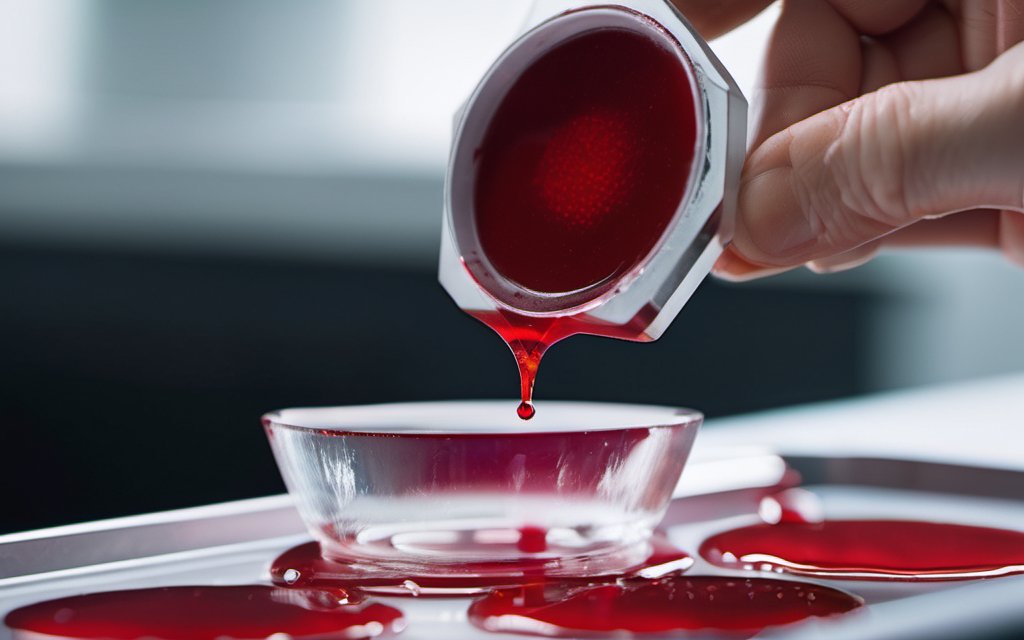
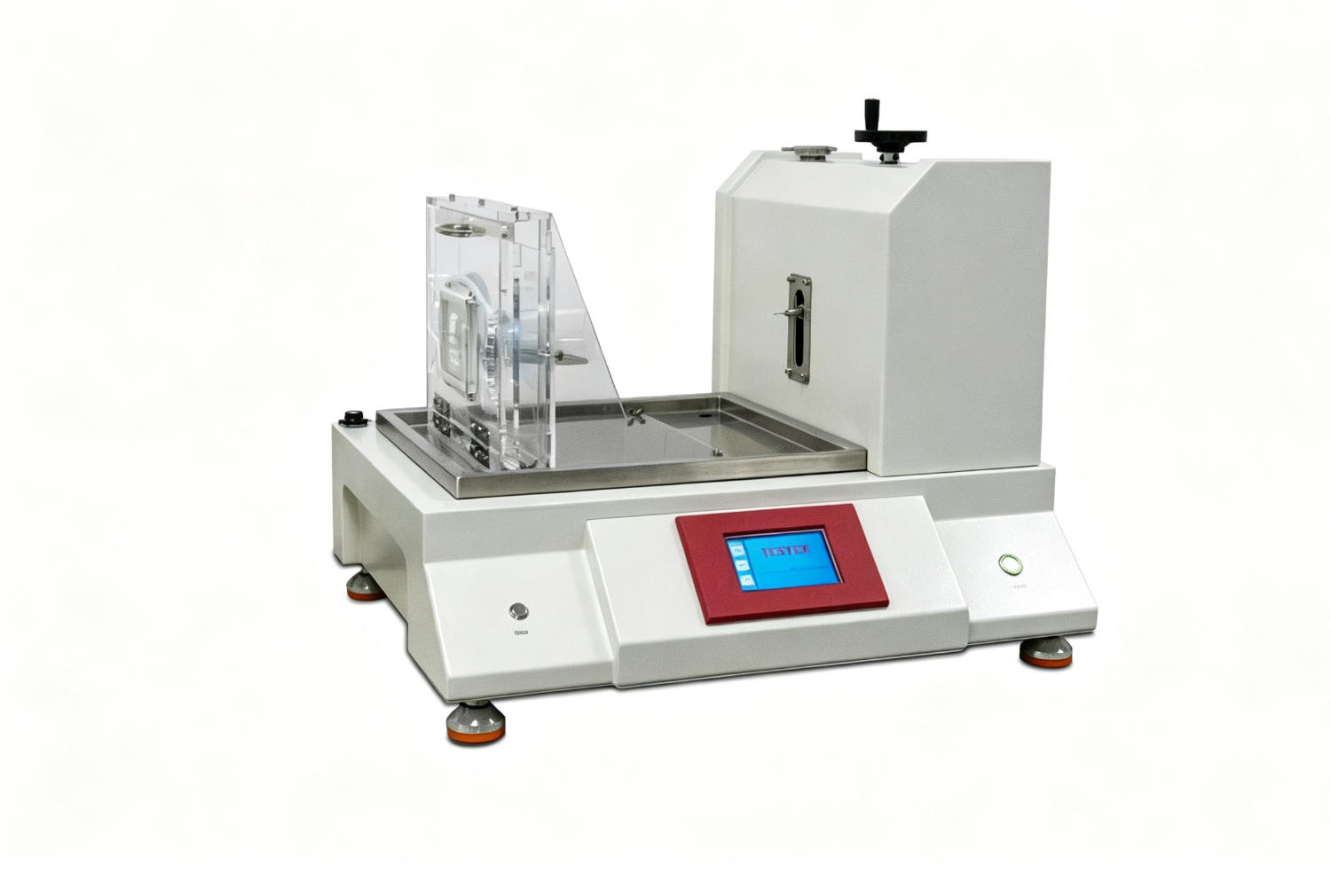
The TNG1044 Face Mask Synthetic Blood Penetration Tester is used to assess the resistance of face masks to synthetic blood penetration. This instrument is essential for ensuring that masks can provide adequate protection against bodily fluids. The Blood spraying distance is set at (300 ± 10) mm, which simulates the conditions under which a mask might be exposed to synthetic blood during use. The Nozzle inner diameter of 0.84 mm and Nozzle length of 12.7 mm are also critical, as they ensure that the synthetic blood is delivered in a manner that closely mimics real-world scenarios. The Spraying speed and Spraying time are adjustable, allowing for different test conditions that reflect various levels of exposure. These specifications ensure that the test results are both accurate and representative of the mask's performance under real-world conditions.
Additional Testing with TNG1049
The TNG1049 Synthetic Blood Penetration Tester is another instrument used for synthetic blood penetration testing. While it does not have detailed specifications listed, its role in the testing process is to provide a controlled environment for assessing the mask's resistance to fluid penetration. This instrument complements the TNG1044 by offering additional testing capabilities, ensuring comprehensive evaluation of the mask's protective properties.
Instrument models referenced
- TNG1047 Masks Bacterial Filtration Efficiency Tester (Air / Water / Vapour Permeability Testing). Published specifications include Main parameters Scope; Sample Flow Rate of A 28.3L/min; Sample Flow Rate of B 28.3L/min.
- TNG1044 Face Mask Synthetic Blood Penetration Tester (Air / Water / Vapour Permeability Testing). Published specifications include Blood spraying distance: (300 ± 10) mm; Nozzle inner diameter: 0.84 mm; Nozzle length: 12.7 mm.
- TNG1049 Synthetic Blood Penetration Tester (Air / Water / Vapour Permeability Testing).
Editorial note. This application note summarises the published scope of the standard and our documented model data. Configuration requirements vary between standard editions, and instruments support a method only with the appropriate fixtures and accessories. Please confirm the required configuration against the applicable edition of the standard before ordering; conformity of a given test result also depends on the specimen and the procedure followed.
Instruments referenced
Test standards referenced
Need the instrument for this method?
Send the standard number and the material. We reply with the matching model, its full specification table and a quotation.