ASTM F1862 testing: the specifications that decide the fit
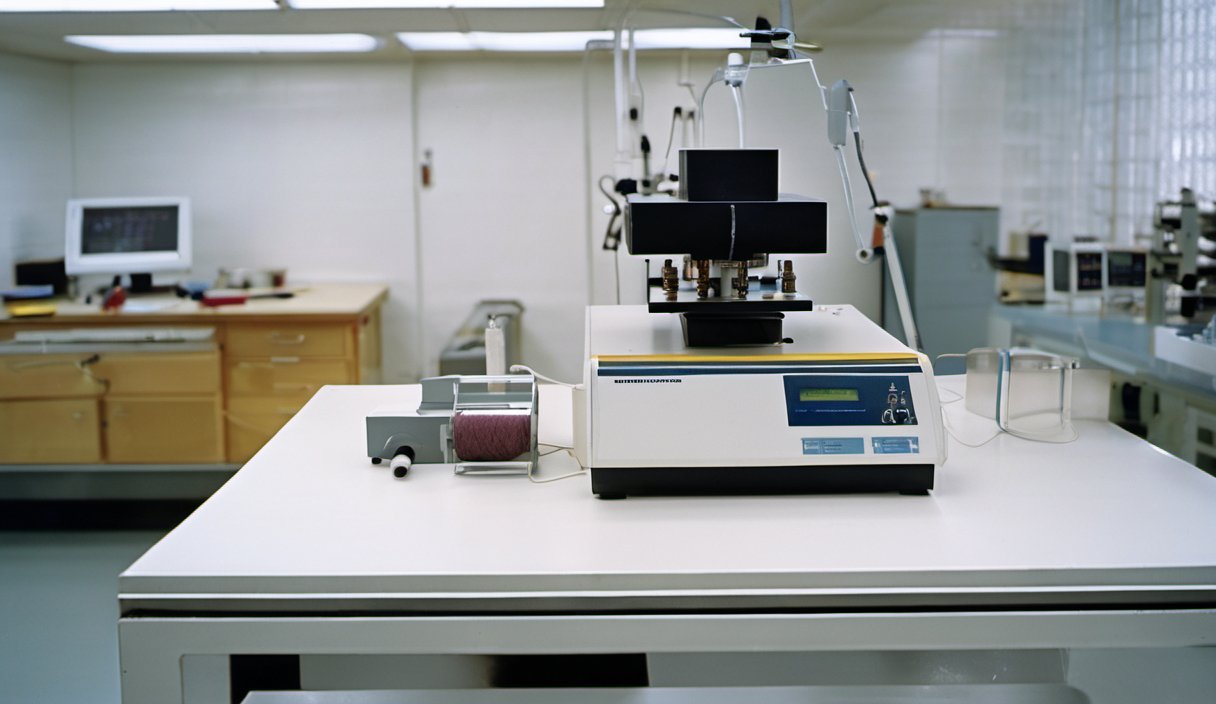
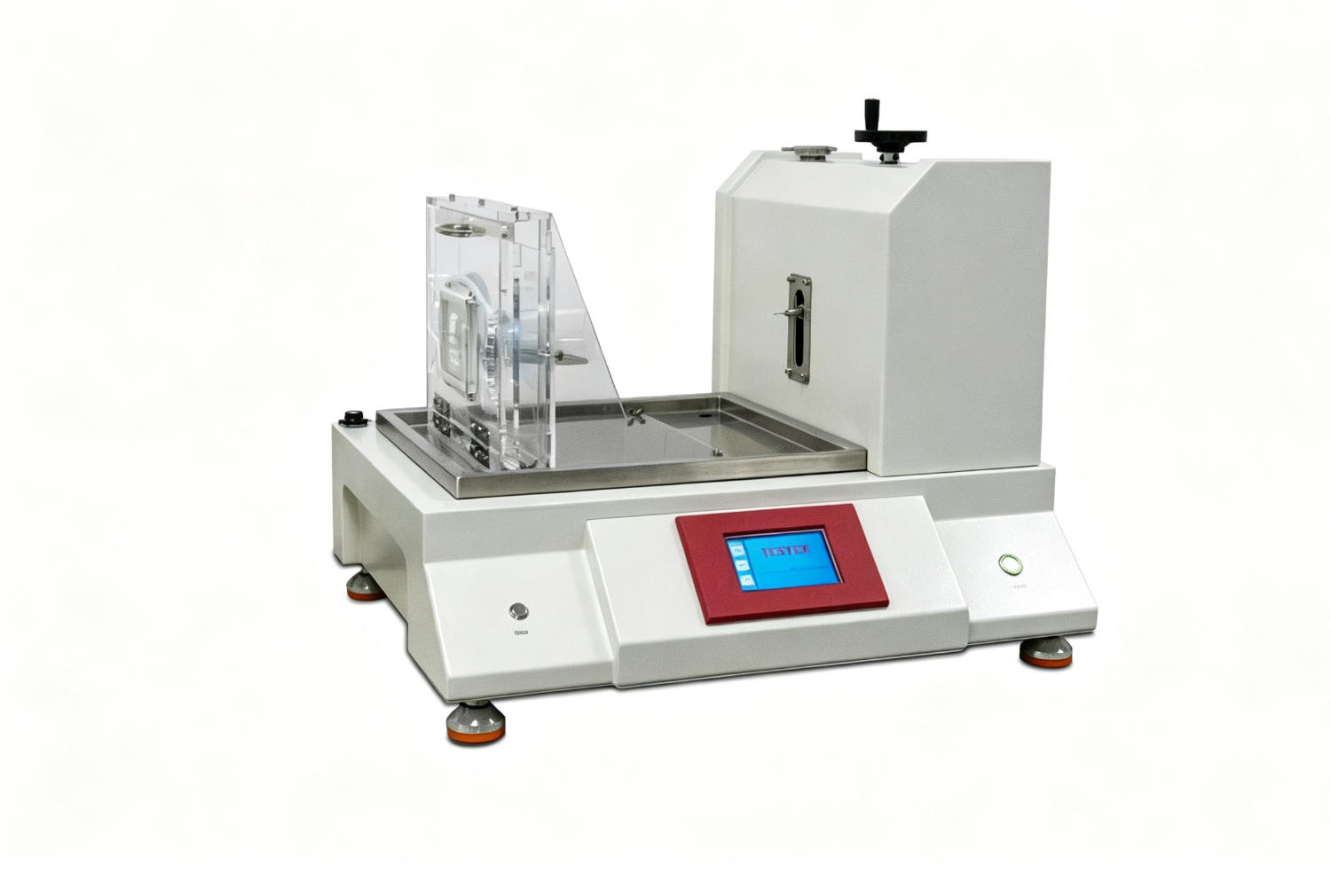
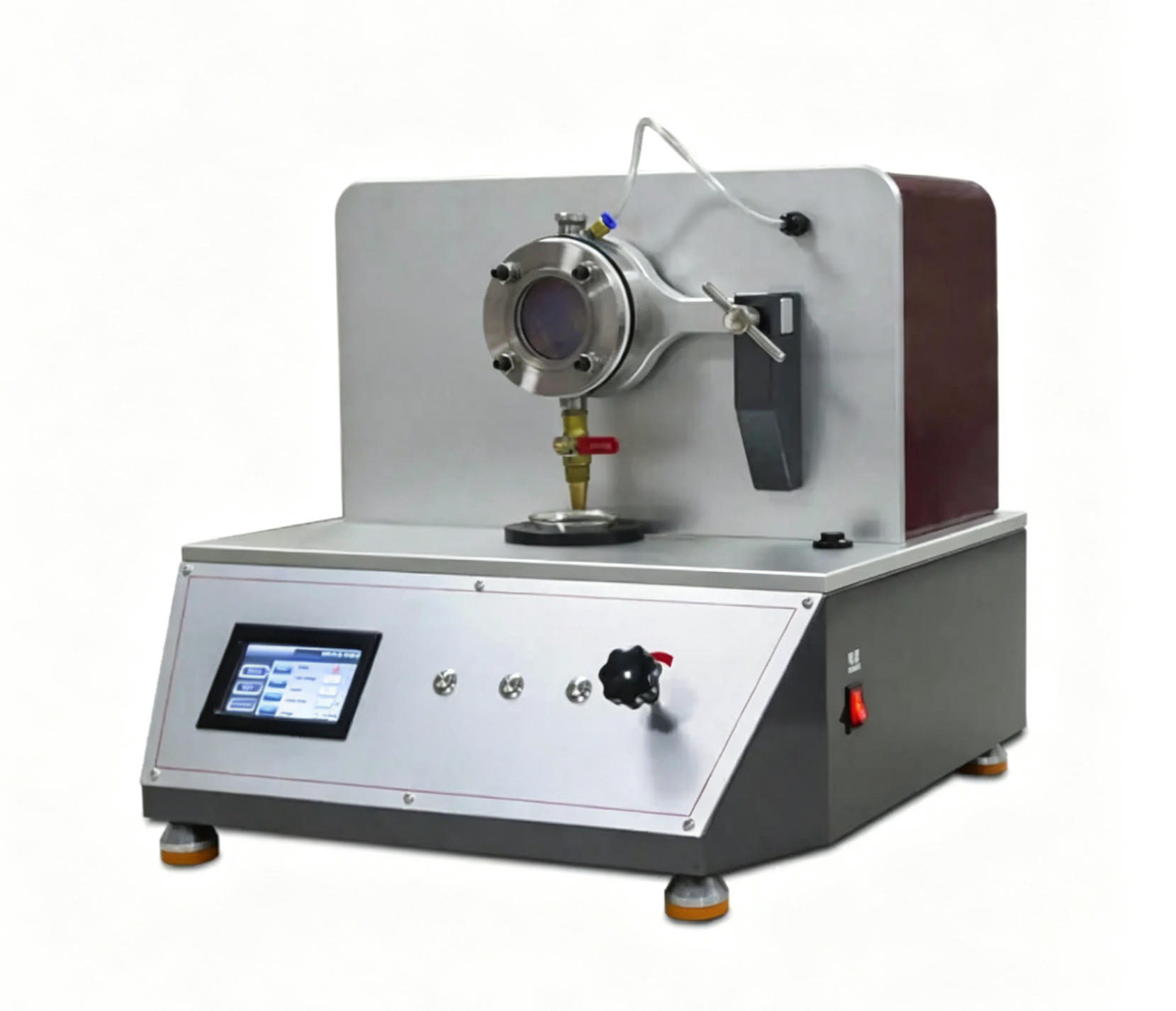
The Face Mask Synthetic Blood Penetration Tester (TNG1044) and Synthetic Blood Penetration Tester (TNG1049) are designed to meet the requirements of ASTM F1862, ensuring accurate and repeatable results for evaluating the performance of respiratory protective equipment.
Understanding Specifications in ASTM F1862 Testing
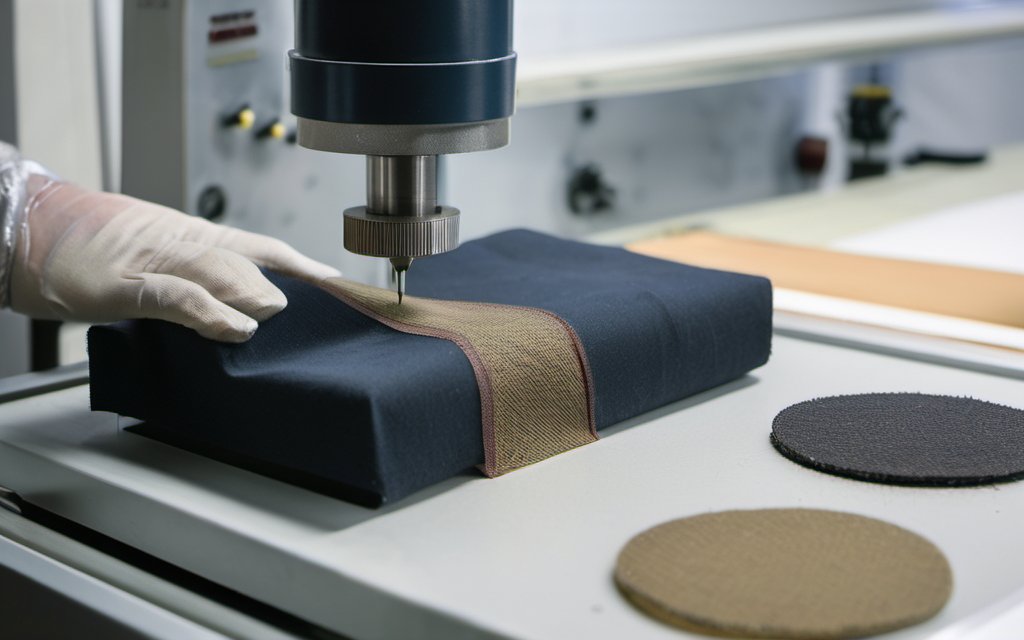
When interpreting the specifications for ASTM F1862 testing, it is essential to focus on the parameters that directly influence the simulation of real-world conditions. For the Face Mask Synthetic Blood Penetration Tester (TNG1044), the blood spraying distance is set at (300 ± 10) mm. This specification ensures that the synthetic blood is delivered at a consistent distance from the test specimen, mimicking the impact of bodily fluids during a real-life scenario. The controlled distance helps maintain uniformity in the test setup, allowing for accurate comparisons between different materials and designs.
Another critical specification is the nozzle inner diameter, which is 0.84 mm. This dimension is crucial because it affects the flow rate and pressure of the synthetic blood during the test. A smaller diameter ensures that the liquid is delivered with sufficient force to simulate the impact of blood droplets, while also preventing excessive splatter that could skew the results. The nozzle's size is specifically chosen to align with the standards for simulating realistic fluid dynamics in the testing environment.
How Specifications Support ASTM F1862 Compliance
The spraying speed of the TNG1044 is set at 450 cm/s, 550 cm/s, or 635 cm, which provides flexibility in simulating different levels of fluid impact. This variability allows testers to replicate a range of conditions, from low to high velocity, ensuring that the equipment is evaluated under a spectrum of potential exposure scenarios. The spraying speed directly influences the kinetic energy of the synthetic blood, which is a key factor in determining how effectively a mask can prevent penetration.
The spraying time is specified as 0.80 s, 0.66 s, or 0.57 s, depending on the selected spraying speed. This parameter is vital for controlling the duration of exposure, ensuring that the test conditions remain consistent across multiple trials. A shorter spraying time at higher speeds helps simulate the rapid impact of blood droplets, while longer times at lower speeds allow for a more gradual application, both of which are relevant to the ASTM F1862 standard.
Importance of Adjustable Parameters
The watching time is set at 10 seconds and is adjustable, which allows for the observation of the test specimen over a defined period. This feature is essential for assessing the time-dependent performance of the material, such as how quickly it begins to show signs of degradation or penetration. The ability to adjust this time ensures that the test can be tailored to the specific requirements of the material being evaluated, enhancing the accuracy and relevance of the results.
Instrument models referenced
- TNG1044 Face Mask Synthetic Blood Penetration Tester (Air / Water / Vapour Permeability Testing). Published specifications include Blood spraying distance: (300 ± 10) mm; Nozzle inner diameter: 0.84 mm; Nozzle length: 12.7 mm.
- TNG1049 Synthetic Blood Penetration Tester (Air / Water / Vapour Permeability Testing).
Editorial note. This application note summarises the published scope of the standard and our documented model data. Configuration requirements vary between standard editions, and instruments support a method only with the appropriate fixtures and accessories. Please confirm the required configuration against the applicable edition of the standard before ordering; conformity of a given test result also depends on the specimen and the procedure followed.
Instruments referenced
Test standards referenced
Need the instrument for this method?
Send the standard number and the material. We reply with the matching model, its full specification table and a quotation.