ASTM D3511 tester models and their published ranges
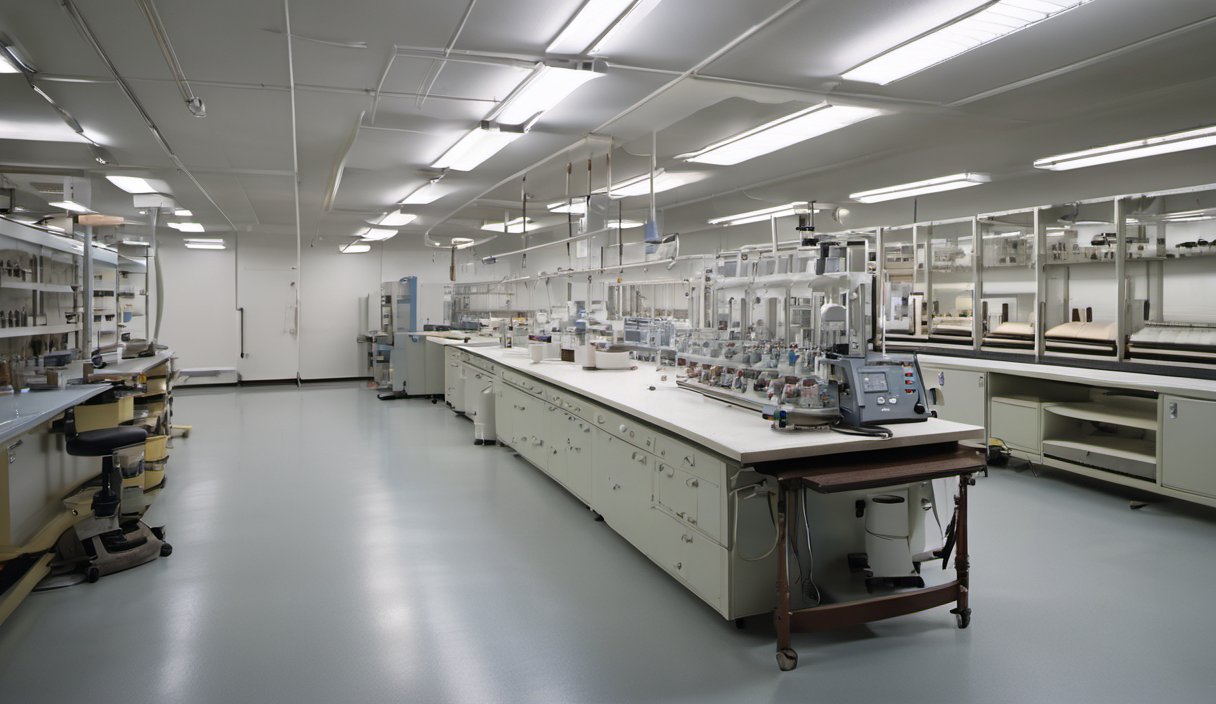
The Brush or Sponge Pilling Tester (TNG1005) is designed to meet the requirements of ASTM D3511 for evaluating pilling resistance in textile materials.
Comparison of TNG1005 Specifications to ASTM D3511
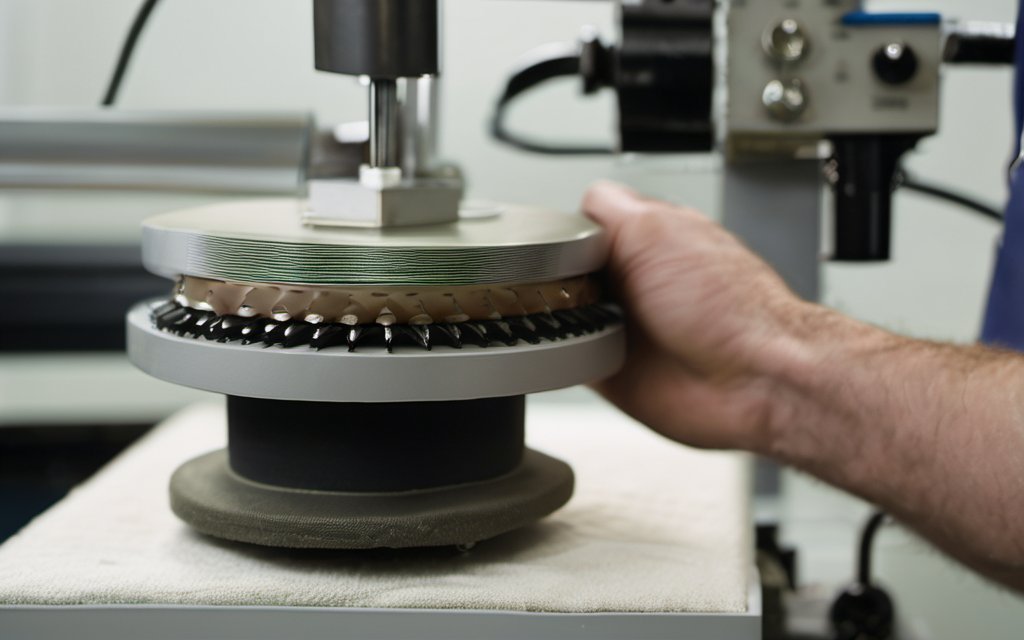
The TNG1005, a Brush or Sponge Pilling Tester, is specifically engineered to comply with ASTM D3511, which outlines the procedures for determining the pilling resistance of textile materials. This standard ensures that the testing process is consistent and reliable, allowing for accurate comparisons between different fabric samples. The TNG1005's specifications are aligned with the requirements of ASTM D3511, ensuring that the test results are both valid and repeatable.
One of the key specifications of the TNG1005 is its power supply, which is rated at 220/110 V with a frequency of 50/60 Hz. This wide range of voltage and frequency compatibility ensures that the instrument can be used in various laboratory environments without the need for additional power conversion equipment. This specification supports the testing process by maintaining stable operation under different electrical conditions, which is essential for producing consistent and reliable test results as required by ASTM D3511.
Another important specification of the TNG1005 is its physical dimensions, with a length of 1220 mm and a width of 560 mm. These dimensions are crucial for ensuring that the test area is adequately sized to accommodate the sample material while allowing for proper movement and interaction with the testing elements. The specified size helps in maintaining the integrity of the test setup, which is necessary for adhering to the standardized testing procedures outlined in ASTM D3511.
Physical Design and Operational Reliability
The TNG1005 is built with a robust design that ensures long-term operational reliability. Its physical dimensions, as specified, are not only important for the test setup but also for the ease of handling and installation in a laboratory setting. The length and width of the instrument are carefully chosen to provide sufficient space for the sample to be tested without any physical constraints that could affect the test results.
The power supply specification of 220/110 V with a frequency of 50/60 Hz is another critical aspect of the TNG1005's design. This ensures that the instrument can be used in both high and low voltage environments, making it versatile for different laboratory setups. The stability of the power supply is essential for maintaining the accuracy of the test results, as any fluctuations in power could potentially affect the performance of the testing elements.
Compliance and Standardization

The TNG1005 is designed to meet the exacting requirements of ASTM D3511, ensuring that the testing process is both standardized and repeatable. The specifications of the instrument are aligned with the standard's requirements, providing a reliable and consistent method for evaluating pilling resistance in textile materials. This alignment is crucial for ensuring that the test results are comparable across different laboratories and testing environments, which is a fundamental aspect of standardization.
In conclusion, the TNG1005 Brush or Sponge Pilling Tester is a well-designed instrument that meets the specifications required by ASTM D3511. Its power supply and physical dimensions are carefully chosen to ensure operational reliability and accurate test results, making it a suitable choice for laboratories conducting pilling resistance tests.
Instrument models referenced
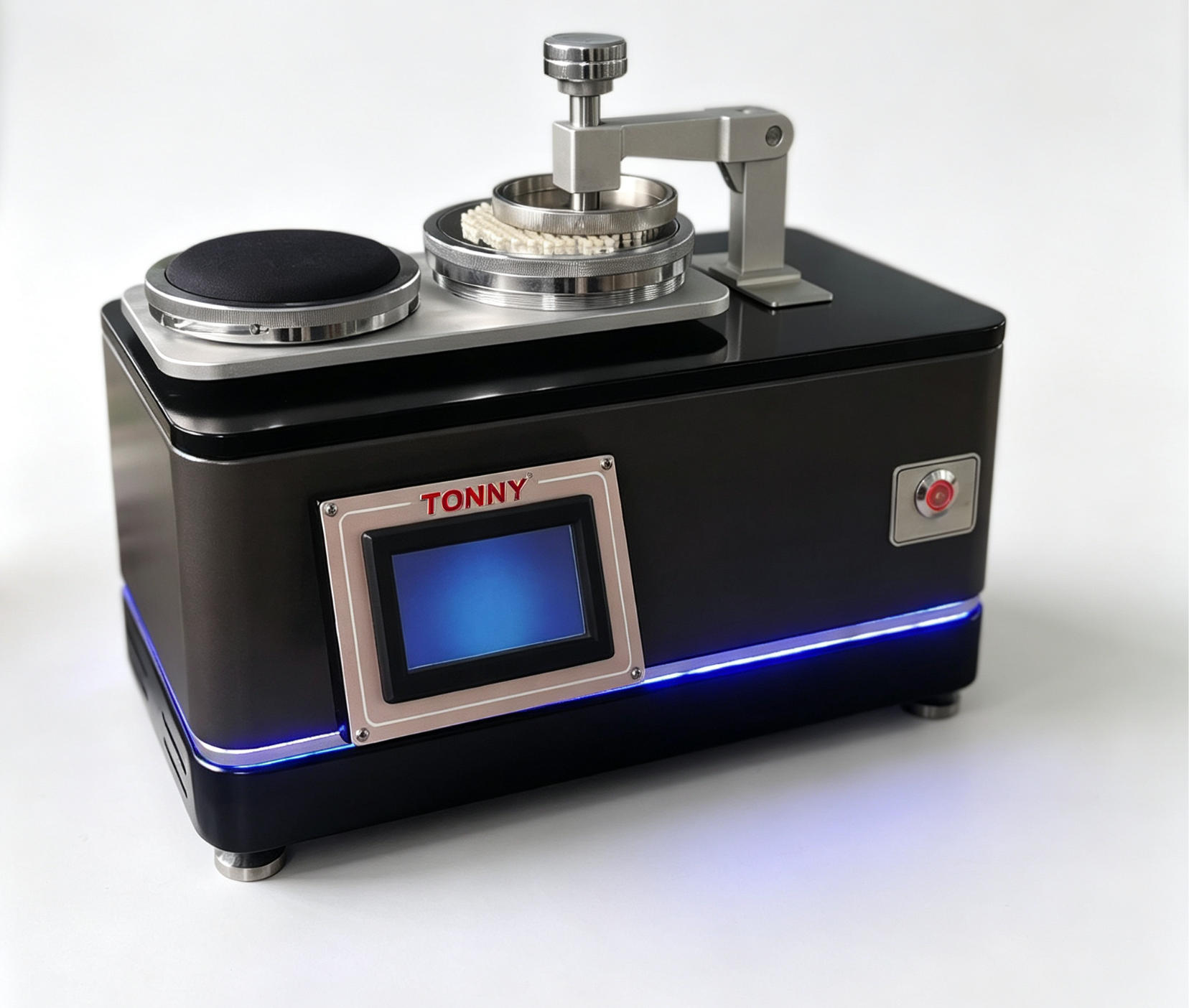
- TNG1005 Brush or Sponge Pilling Tester (Abrasion / Pilling / Snagging Testing). Published specifications include 220/110 V 50/60 Hz; Length: 1220 mm Width: 560 mm.
Editorial note. This application note summarises the published scope of the standard and our documented model data. Configuration requirements vary between standard editions, and instruments support a method only with the appropriate fixtures and accessories. Please confirm the required configuration against the applicable edition of the standard before ordering; conformity of a given test result also depends on the specimen and the procedure followed.
Instruments referenced
Test standards referenced
Need the instrument for this method?
Send the standard number and the material. We reply with the matching model, its full specification table and a quotation.