ASTM D1424 FAQ: instruments, ranges and method scope

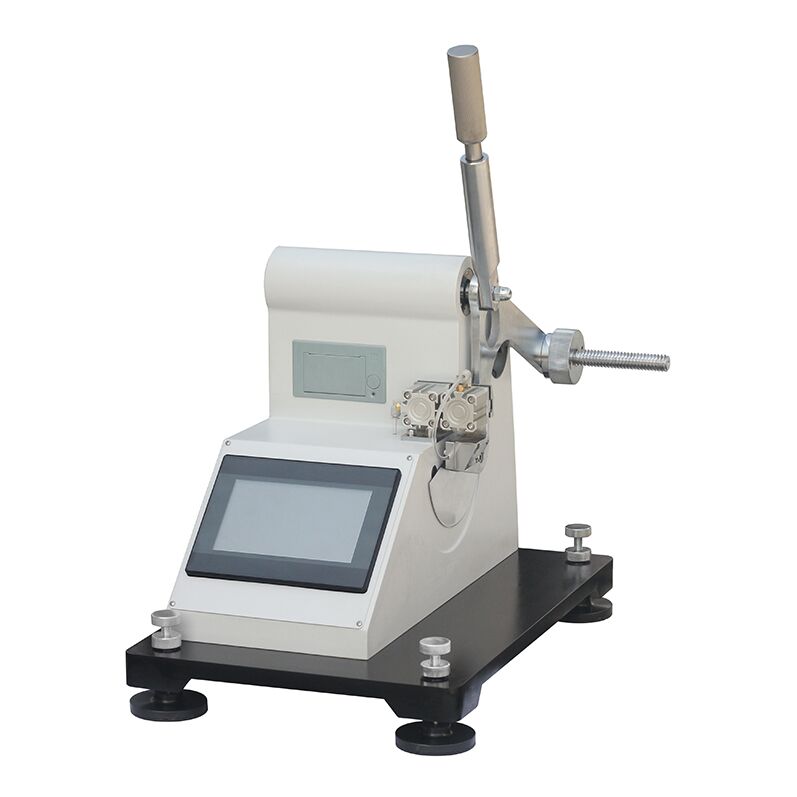
The Elmendorf Tear Tester (TNG1017) is designed to meet the requirements of ASTM D1424 for determining the tear strength of plastic films and thin plastic sheets.
How does the Elmendorf Tear Tester (TNG1017) meet the requirements of ASTM D1424?
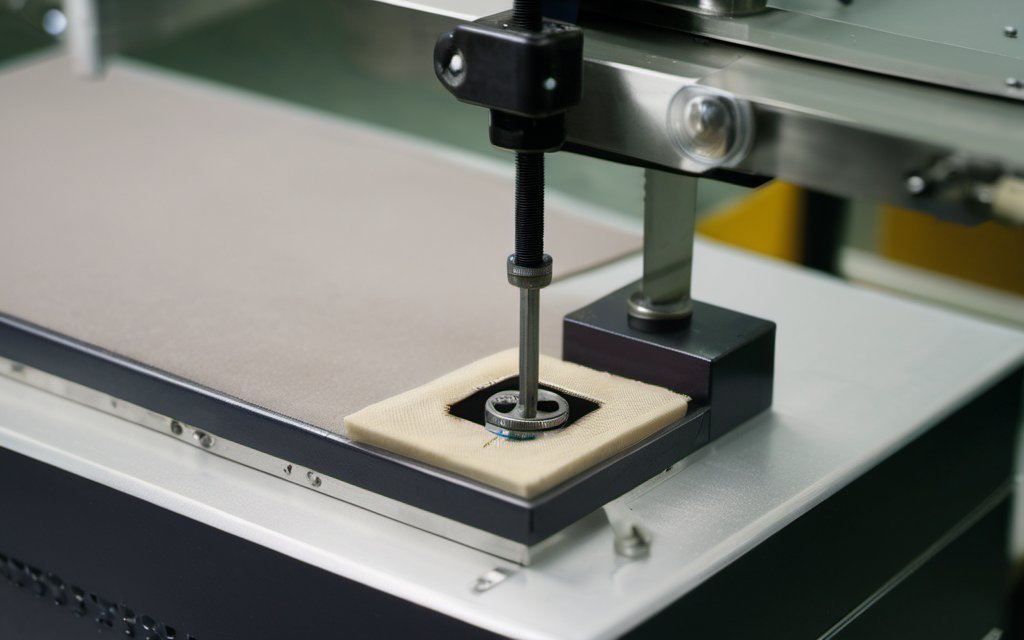
The Elmendorf Tear Tester (TNG1017) is specifically designed to perform the tear strength test as outlined in ASTM D1424. This standard requires a device that can measure the force needed to propagate a tear in a material. The TNG1017 is equipped with a calibrated blade and a load cell that accurately measures the force applied during the test, ensuring compliance with the standard's specifications.
What are the key specifications of the Elmendorf Tear Tester (TNG1017)?
The Elmendorf Tear Tester (TNG1017) has a power supply of 220/110 V at 50/60 Hz, ensuring compatibility with various electrical systems worldwide. Its physical dimensions are 580 mm in length and 420 mm in width, providing a stable and compact design suitable for laboratory environments.
What power requirements does the Elmendorf Tear Tester (TNG1017) have?
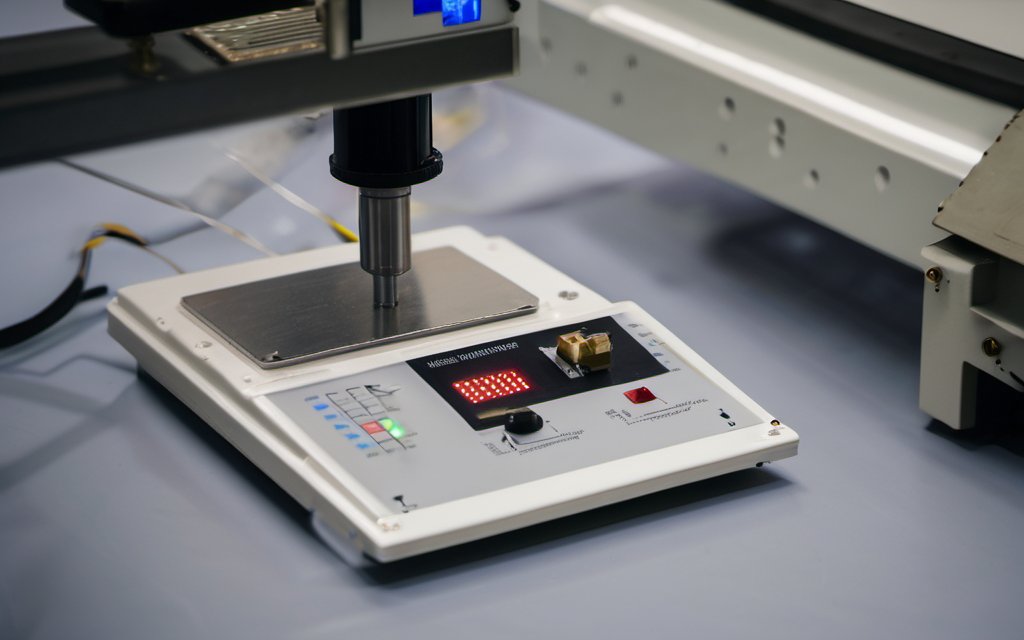
The Elmendorf Tear Tester (TNG1017) operates on a power supply of 220/110 V at 50/60 Hz. This dual-voltage capability allows the instrument to be used in different regions without the need for additional adapters, ensuring consistent performance across various testing environments.
What are the physical dimensions of the Elmendorf Tear Tester (TNG1017)?
The Elmendorf Tear Tester (TNG1017) has a length of 580 mm and a width of 420 mm. These dimensions ensure that the instrument is both space-efficient and stable during operation, making it suitable for use in standard laboratory setups. The compact size also facilitates easy handling and setup, improving overall testing efficiency.
Instrument models referenced
- TNG1017 Elmendorf Tear Tester (Bursting / Tear / Tensile Strength Testing). Published specifications include 220/110 V 50/60 Hz; Length: 580 mm Width: 420 mm.
Editorial note. This application note summarises the published scope of the standard and our documented model data. Configuration requirements vary between standard editions, and instruments support a method only with the appropriate fixtures and accessories. Please confirm the required configuration against the applicable edition of the standard before ordering; conformity of a given test result also depends on the specimen and the procedure followed.
Instruments referenced
Test standards referenced
Need the instrument for this method?
Send the standard number and the material. We reply with the matching model, its full specification table and a quotation.