AATCC 8 testing: the specifications that decide the fit
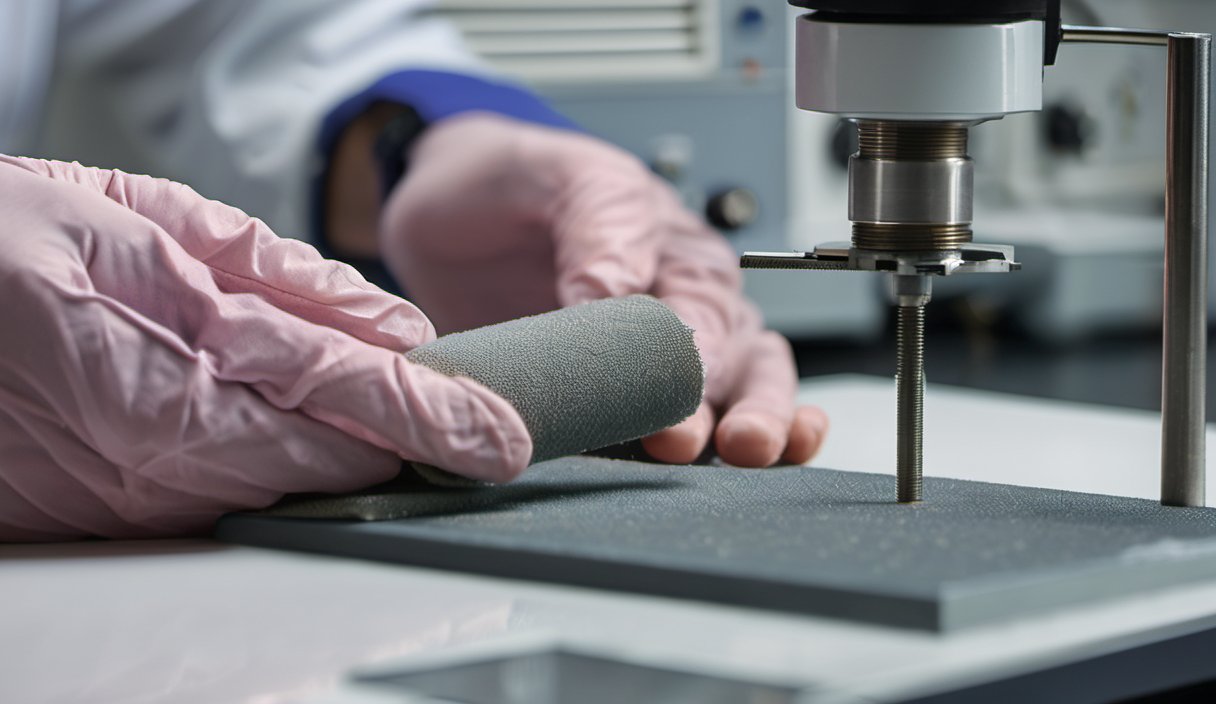
The Crockmeter (TNG1029) is designed to meet the requirements of AATCC 8, which evaluates the color fastness of textiles to rubbing.
Understanding Specification Tables
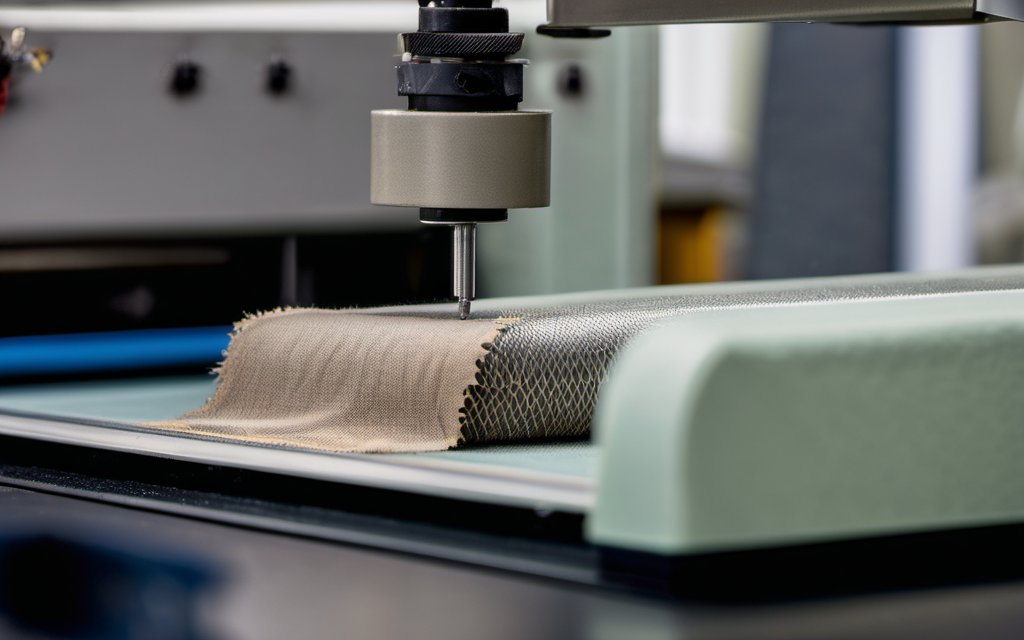
When reviewing a specification table for an instrument like the Crockmeter (TNG1029), it is essential to identify the key parameters that define its performance in relation to the standard. For instance, the "Type of Crockmeter" is specified as "Electronic Crockmeter," which ensures that the instrument operates with precision and consistency, as required by AATCC 8. This type of crockmeter is engineered to provide accurate and repeatable results, which is crucial for reliable color fastness testing.
Another important specification is the "Rubbing head," which is set at 16 mm. This dimension is critical because it determines the contact area between the rubbing head and the fabric sample. The 16 mm size is specifically chosen to simulate the rubbing action that occurs during normal use, ensuring that the test conditions closely mimic real-world scenarios. This helps in obtaining results that are both relevant and reproducible.
Key Specifications and Their Role in Testing
The "Vertical pressure" of the Crockmeter (TNG1029) is set at 9N +/- 10%. This value is directly related to the force applied to the fabric during the rubbing process. The vertical pressure is a key factor in determining how the fabric withstands rubbing without color transfer. By maintaining a consistent pressure, the instrument ensures that the test results are not influenced by variations in applied force, thus adhering to the standardized conditions outlined in AATCC 8.
Additionally, the "Rubbing stroke" is specified as 104 mm. This measurement refers to the distance the rubbing head travels during each cycle of the test. The 104 mm stroke length is designed to replicate the natural movement of rubbing, providing a realistic simulation of the forces that textiles encounter in everyday use. This specification ensures that the test accurately reflects the conditions under which color fastness is assessed, thereby supporting the validity of the results.
Ensuring Compliance with AATCC 8
The Crockmeter (TNG1029) is equipped with a "Counter" that can measure up to 1 ~ 999,999 times and automatically stops. This feature is vital for tracking the number of rubbing cycles performed during a test, which is a key requirement in AATCC 8. The counter ensures that the test is conducted for the exact number of cycles specified, maintaining the integrity of the test procedure. Furthermore, the "Net Weight" of the instrument is 11 kg, which is important for stability during testing, ensuring that the instrument remains level and does not introduce any external variables that could affect the results. These specifications collectively support the Crockmeter's ability to meet the rigorous requirements of AATCC 8, providing reliable and consistent color fastness testing.
Instrument models referenced
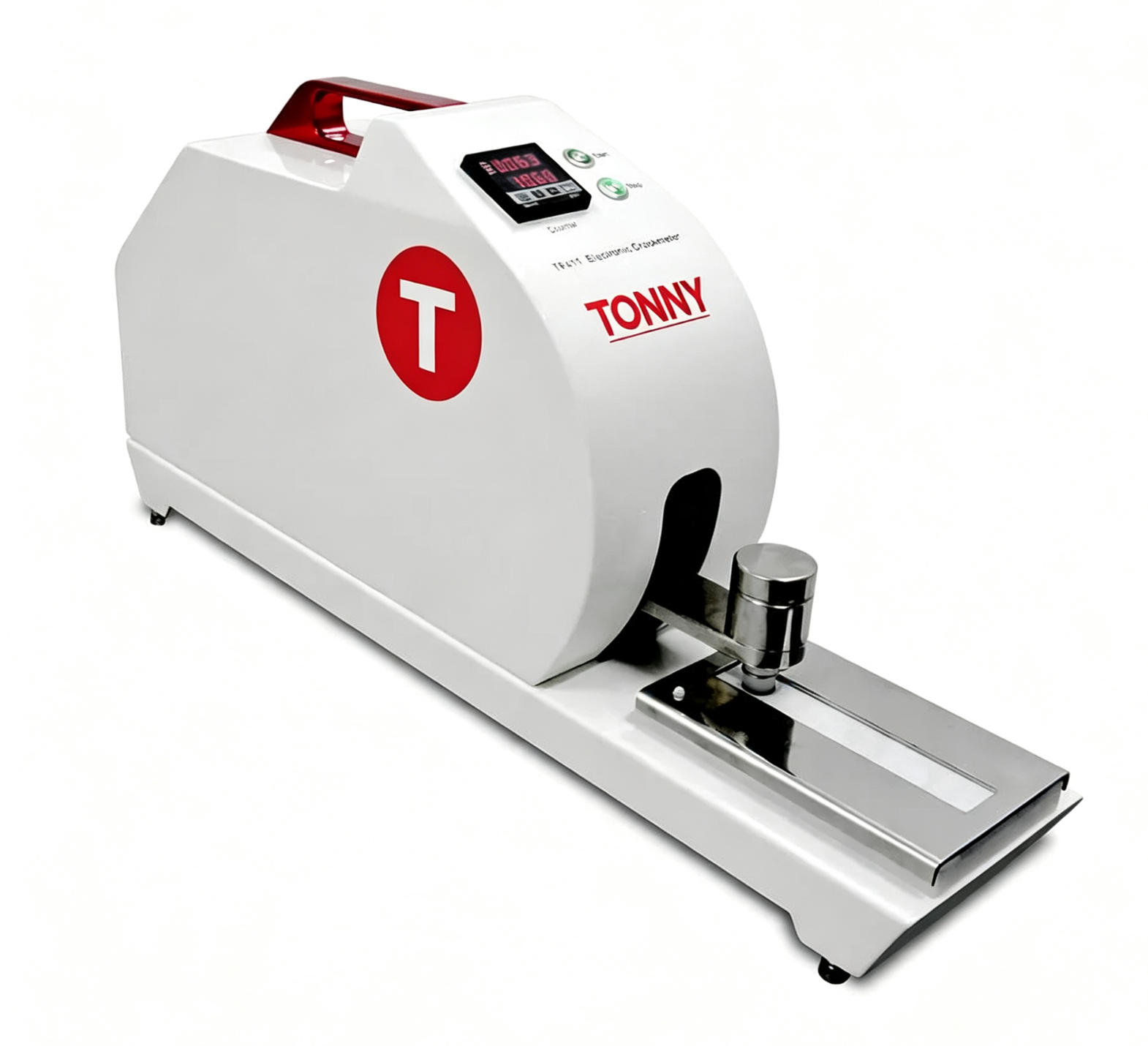
- TNG1029 Crockmeter (Colour Fastness Testing). Published specifications include Type of Crockmeter Electronic Crockmeter; Rubbing head 16 mm; Vertical pressure 9N+/-10%.
Editorial note. This application note summarises the published scope of the standard and our documented model data. Configuration requirements vary between standard editions, and instruments support a method only with the appropriate fixtures and accessories. Please confirm the required configuration against the applicable edition of the standard before ordering; conformity of a given test result also depends on the specimen and the procedure followed.
Instruments referenced
Test standards referenced
Need the instrument for this method?
Send the standard number and the material. We reply with the matching model, its full specification table and a quotation.