AATCC 8: which instrument fits and how to decide
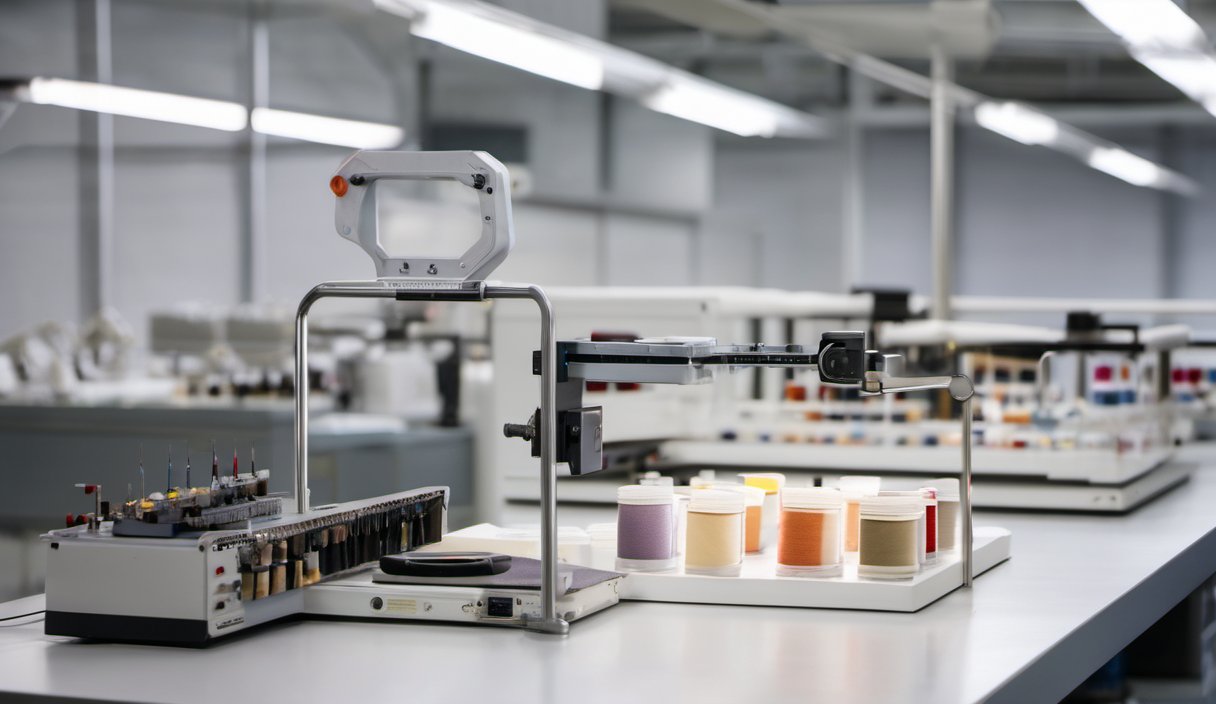
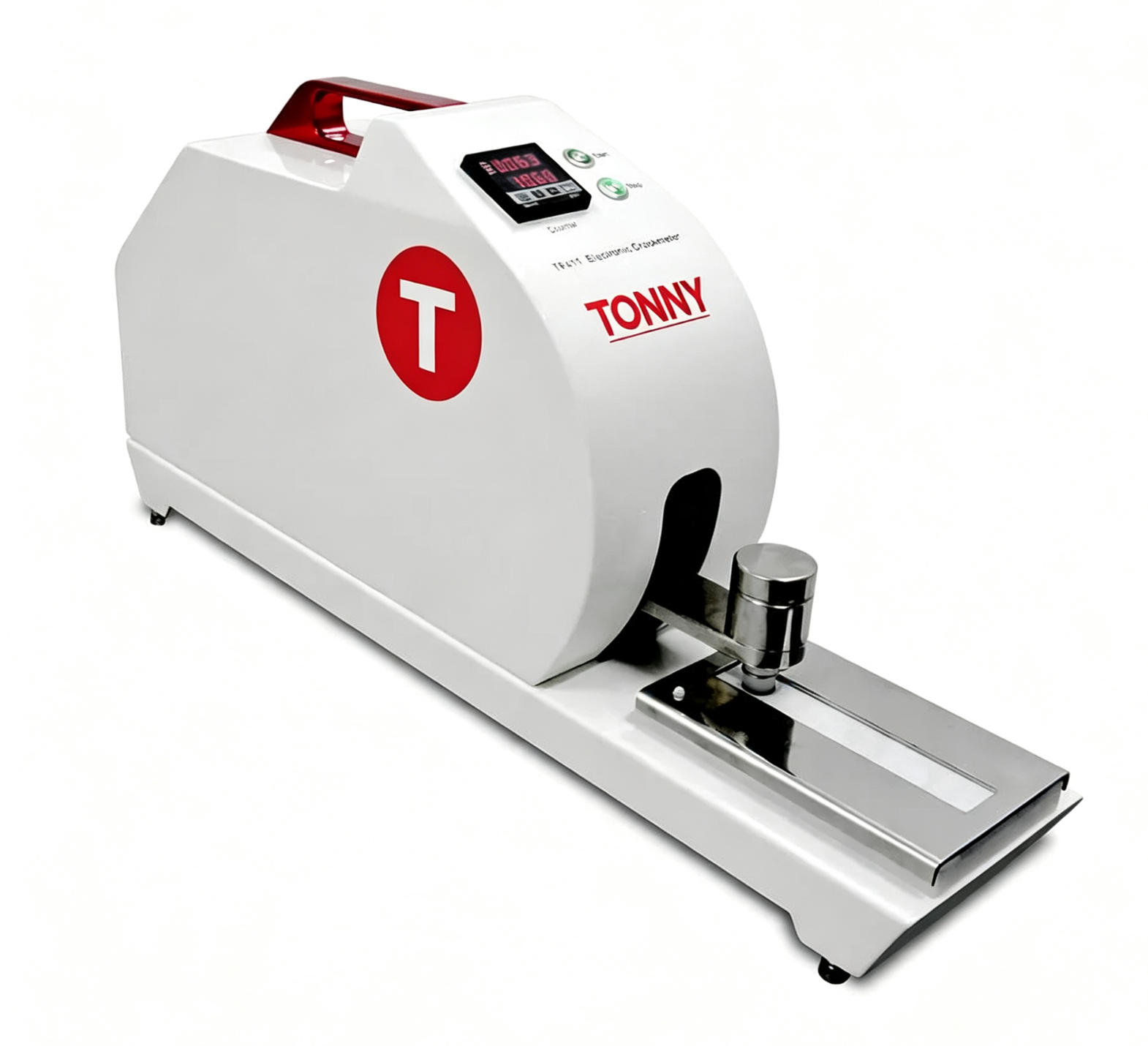
The Crockmeter (TNG1029) is the appropriate instrument for testing in accordance with AATCC 8 due to its precise specifications that align with the standard's requirements for colour fastness to rubbing.
Matching Specifications to AATCC 8 Requirements
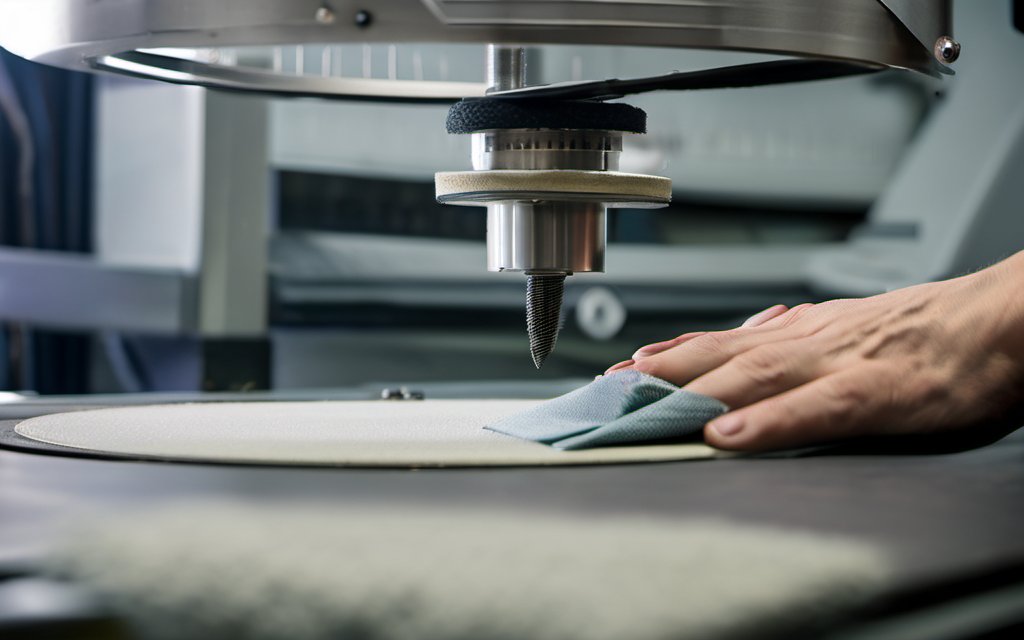
AATCC 8 outlines the procedure for evaluating the colour fastness of textiles to rubbing. This standard requires that the testing instrument provides consistent and repeatable results by maintaining specific mechanical parameters during the rubbing process. The Crockmeter (TNG1029) is designed to meet these requirements through its electronic operation and precise mechanical settings.
One critical specification for the Crockmeter is the type of rubbing head, which is specified as "16 mm". This dimension ensures that the rubbing action is standardized, allowing for accurate comparison of results across different samples and testing environments. The 16 mm rubbing head is essential for simulating the mechanical stress that textiles undergo during real-world use, thus providing relevant and reliable data.
Another important specification is the vertical pressure, which is set at "9N+/-10%". This pressure level is crucial for replicating the force applied during rubbing, ensuring that the test conditions are consistent with the standard's requirements. The vertical pressure must be accurately controlled to prevent over or under stressing the textile samples, which could lead to inaccurate results.
Instrument Design and Operational Capabilities
The Crockmeter (TNG1029) is an electronic device that offers enhanced precision and repeatability compared to manual methods. The instrument's counter, which can measure up to "1 ~ 999,999 times, automatically stop", ensures that the rubbing process can be accurately monitored and repeated without human error. This feature is particularly useful for long-duration tests or when multiple samples need to be tested under identical conditions.
The rubbing stroke of "104 mm" is another key specification that aligns with AATCC 8. This stroke length is designed to mimic the natural movement of rubbing, providing a realistic simulation of how textiles are subjected to wear and tear. The consistent stroke length ensures that each test is performed under the same conditions, which is vital for maintaining the integrity of the test results.
Conclusion and Instrument Selection
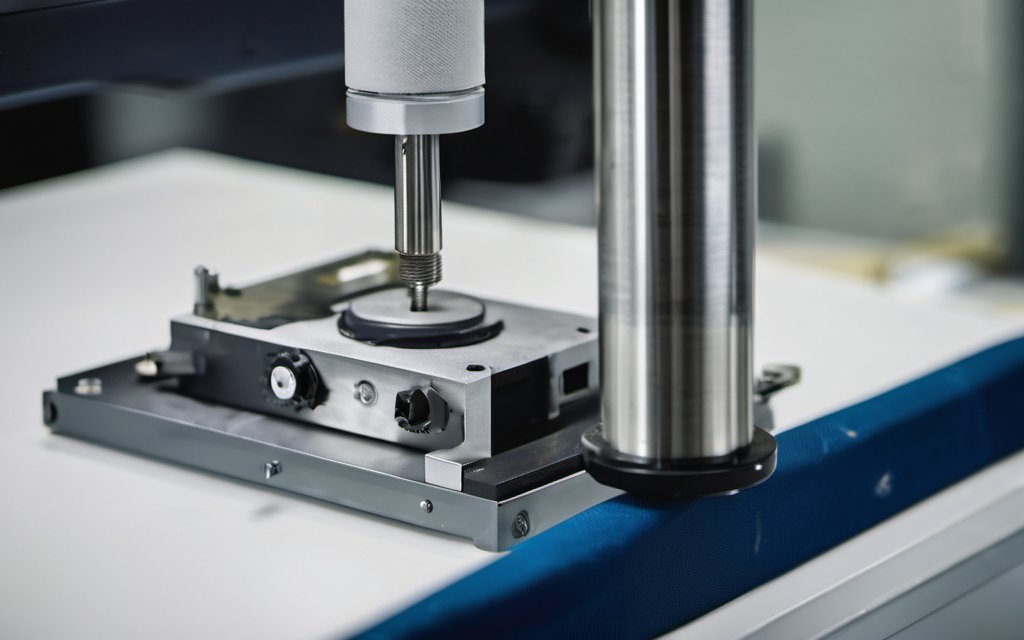
Selecting the correct instrument for AATCC 8 testing is essential for obtaining accurate and reliable results. The Crockmeter (TNG1029) meets all the necessary specifications, including the rubbing head size, vertical pressure, rubbing stroke, and counter functionality, making it the ideal choice for this standard. Its design and operational capabilities ensure that the testing process is both efficient and precise, supporting the requirements of AATCC 8.
Instrument models referenced
- TNG1029 Crockmeter (Colour Fastness Testing). Published specifications include Type of Crockmeter Electronic Crockmeter; Rubbing head 16 mm; Vertical pressure 9N+/-10%.
Editorial note. This application note summarises the published scope of the standard and our documented model data. Configuration requirements vary between standard editions, and instruments support a method only with the appropriate fixtures and accessories. Please confirm the required configuration against the applicable edition of the standard before ordering; conformity of a given test result also depends on the specimen and the procedure followed.
Instruments referenced
Test standards referenced
Need the instrument for this method?
Send the standard number and the material. We reply with the matching model, its full specification table and a quotation.