AATCC 16-2003 testing: the specifications that decide the fit
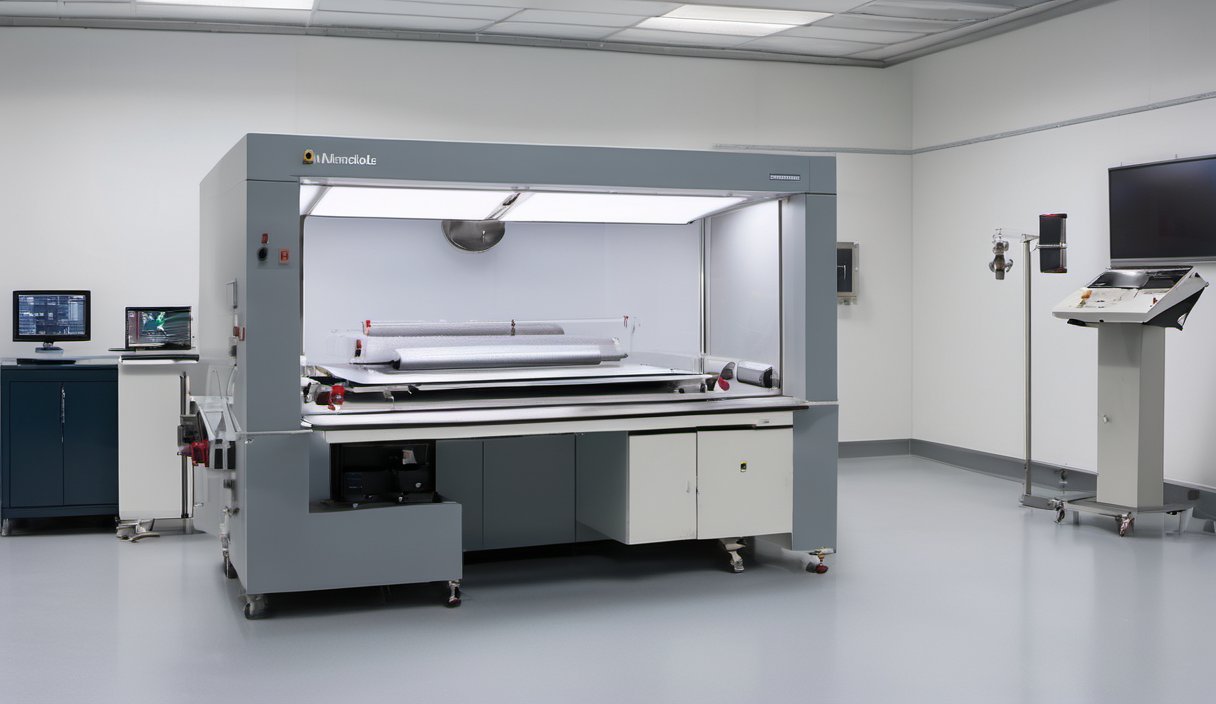
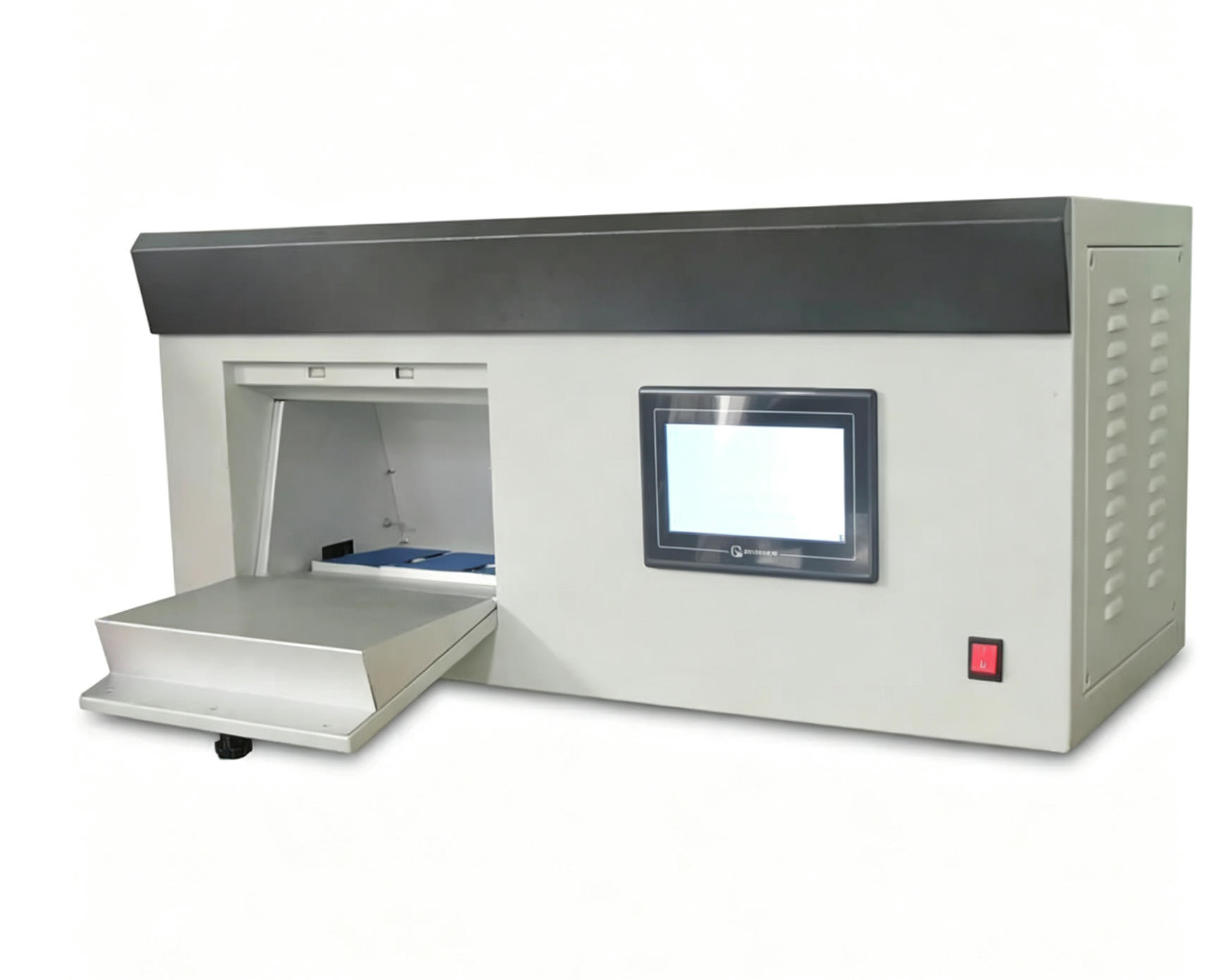
The Light Fastness Testers TNG1032 and TNG1036 are designed to meet the requirements of AATCC 16-2003, ensuring accurate and repeatable results in color fastness testing.
Understanding Specifications for AATCC 16-2003 Compliance
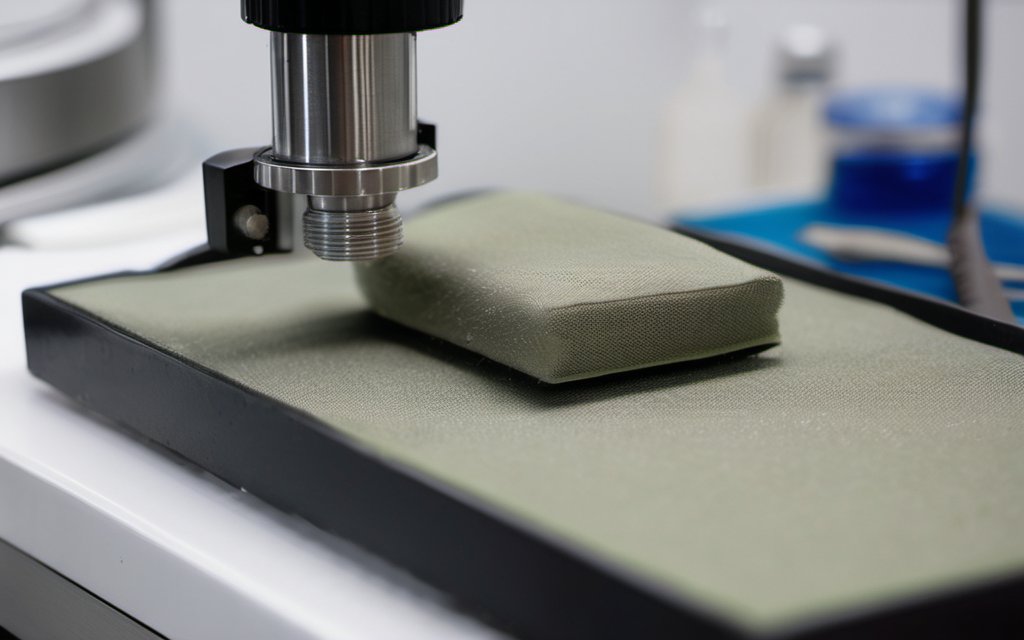
To ensure accurate and repeatable results in color fastness testing under AATCC 16-2003, it is essential to understand how the specifications of the Light Fastness Testers TNG1032 and TNG1036 align with the standard. One key specification is the irradiance, which is set at 0.80 to 1.50 W/m² at 420 nm. This range is critical because it simulates the natural light exposure that textiles undergo, allowing for a realistic assessment of color degradation. The irradiance accuracy of ±0.02 W/m² at 420 nm ensures that the light intensity remains consistent throughout the test, minimizing variability and enhancing the reliability of the results.
Another important specification is the light source, which is a 2500W air-cooled long-arc xenon lamp. This type of lamp closely mimics the spectral distribution of sunlight, making it ideal for simulating the effects of natural light exposure. The xenon lamp's ability to produce a broad spectrum of light is crucial for accurately assessing how different wavelengths affect color fastness, which is a fundamental requirement of AATCC 16-2003.
Sample Holder Compatibility and Test Setup
The sample holders provided with the TNG1032 and TNG1036 are designed to accommodate various sample sizes, including ISO/GB 16 Pcs for samples measuring 175 x 45mm and AATCC 8 Pcs for samples measuring 175 x 75mm. This compatibility ensures that the test setup can be tailored to the specific requirements of the samples being tested, which is essential for adhering to the AATCC 16-2003 standard. The ability to hold different sample sizes allows for a more comprehensive analysis, as different materials may require different testing configurations.
The temperature range of 25 to 50 ℃ with a resolution of 0.1 ℃ is another critical specification. This range allows for the simulation of various environmental conditions that textiles might encounter, ensuring that the test results are relevant to real-world scenarios. The precise temperature control is vital for maintaining the integrity of the test conditions, which directly impacts the accuracy of the color fastness assessment.
Ensuring Compliance with AATCC 16-2003
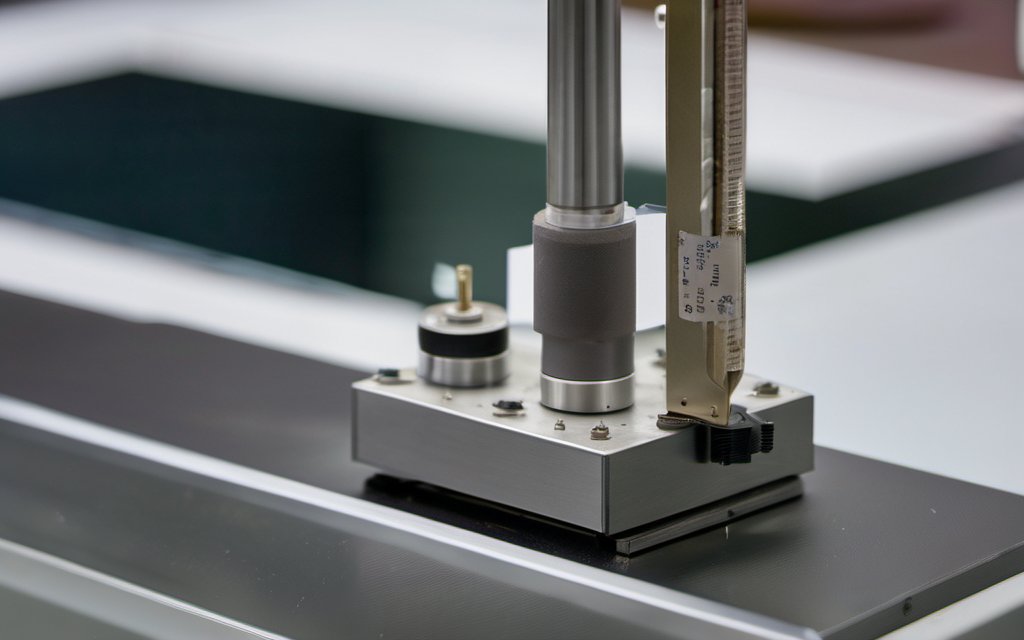
By adhering to the specifications outlined in the AATCC 16-2003 standard, the Light Fastness Testers TNG1032 and TNG1036 provide reliable and repeatable results. The combination of accurate irradiance control, a suitable light source, and compatible sample holders ensures that the testing process is both efficient and effective. These specifications not only support the requirements of the standard but also contribute to the overall quality and reliability of the color fastness testing process.
Instrument models referenced
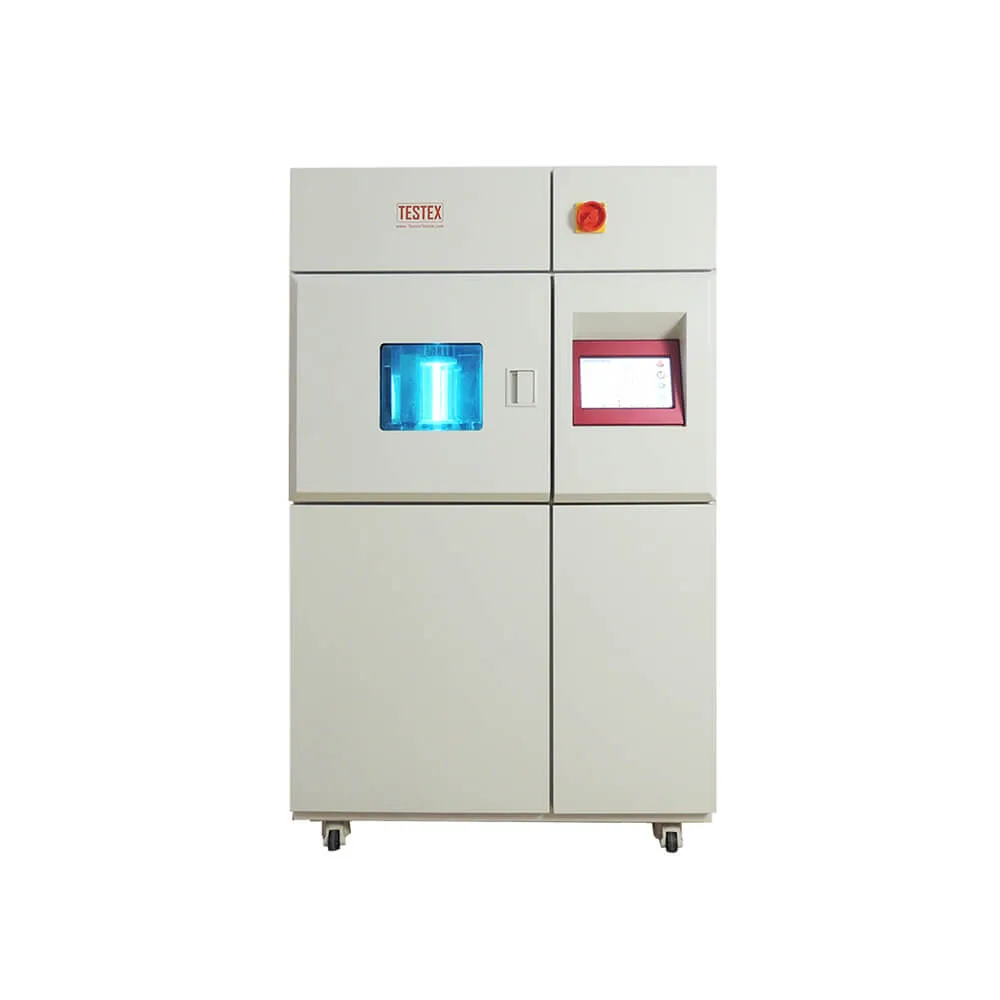
- TNG1032 Light Fastness Tester (Colour Fastness Testing). Published specifications include Working modes To simulate and reinforce the impact of the nature of the measured object, providing light and dark, temperature and humidity, raining and other quantitative indicators.; Irradiance 0.80 ~ 1.50W/m2 @ 420nm (340nm, 300~400nm, 300~800nm is offered on request), Digital set, automatic closed-loop compensation; Irradiance accuracy ± 0.02W/m2 @ 420nm.
- TNG1036 Light Fastness Tester (Colour Fastness Testing). Published specifications include Working modes To simulate and reinforce the impact of the nature of the measured object, providing light and dark, temperature and humidity, raining and other quantitative indicators.; Irradiance 0.80 ~ 1.50W/m2 @ 420nm (340nm, 300~400nm, 300~800nm is offered on request), Digital set, automatic closed-loop compensation; Irradiance accuracy ± 0.02W/m2 @ 420nm.
Editorial note. This application note summarises the published scope of the standard and our documented model data. Configuration requirements vary between standard editions, and instruments support a method only with the appropriate fixtures and accessories. Please confirm the required configuration against the applicable edition of the standard before ordering; conformity of a given test result also depends on the specimen and the procedure followed.
Instruments referenced
Test standards referenced
Need the instrument for this method?
Send the standard number and the material. We reply with the matching model, its full specification table and a quotation.