Preparing for JIS L1096 Item 8.4 Method B testing: from method to instrument setup
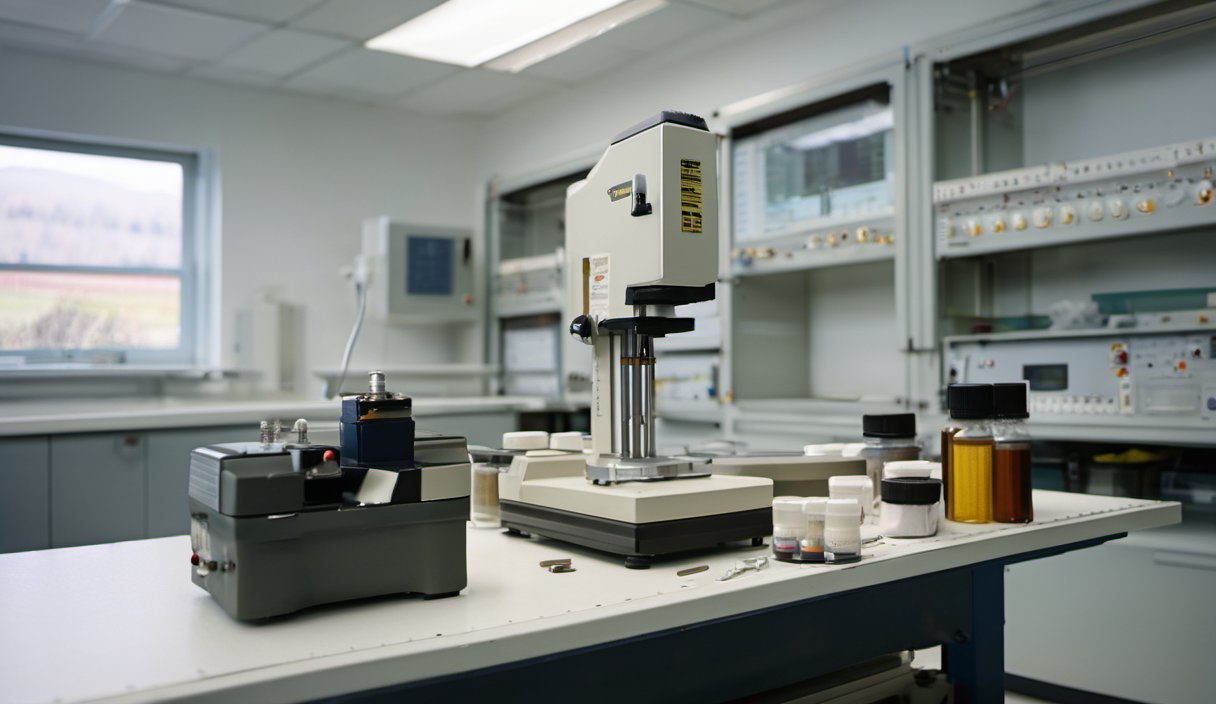
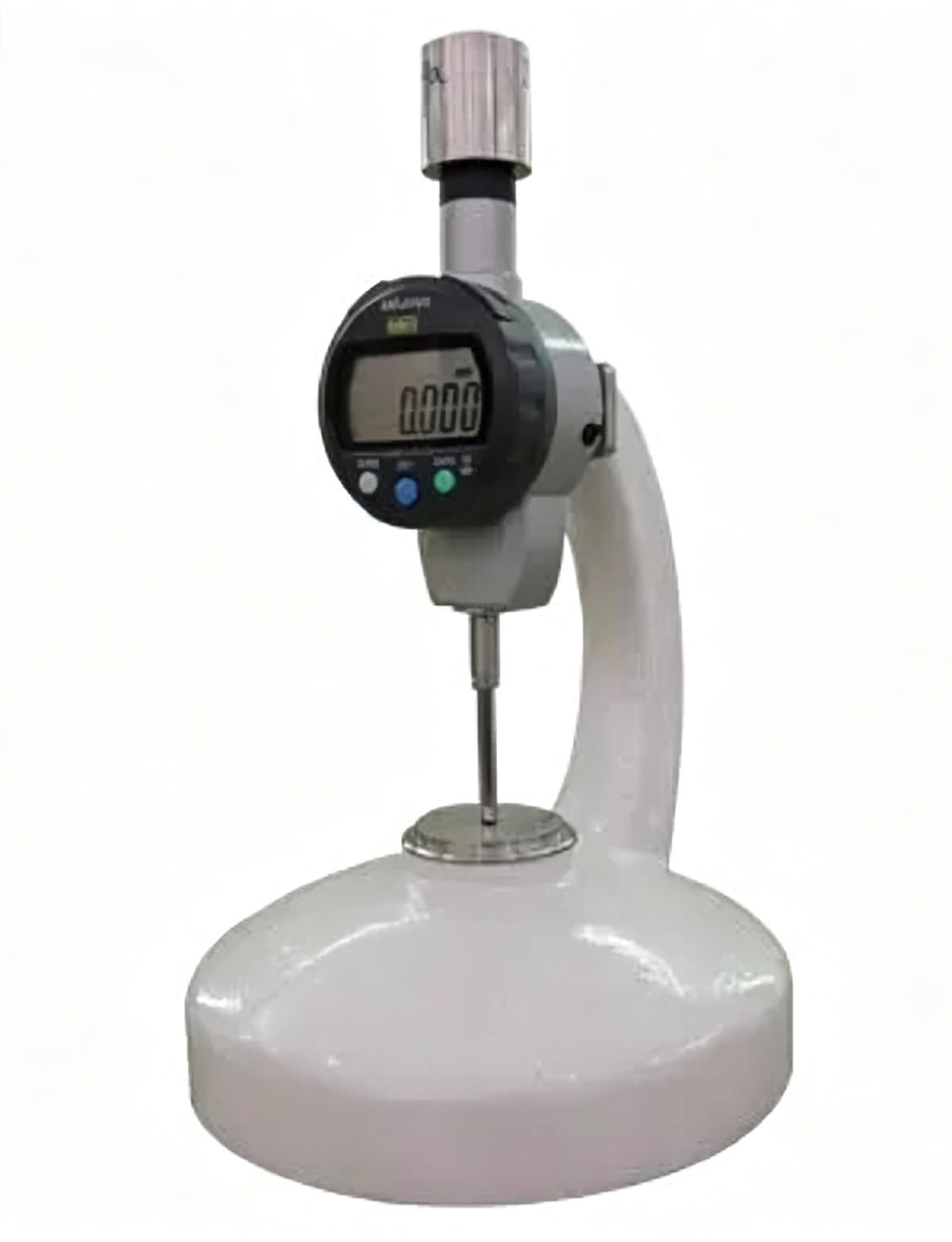
The Digital Thickness Gauge (TNG1089) and Fabric Thickness Tester (TNG1094) are suitable for compliance with JIS L1096 Item 8.4 Method B, as their specifications align with the required parameters for thickness measurement in textile testing.
Confirming the Method Code
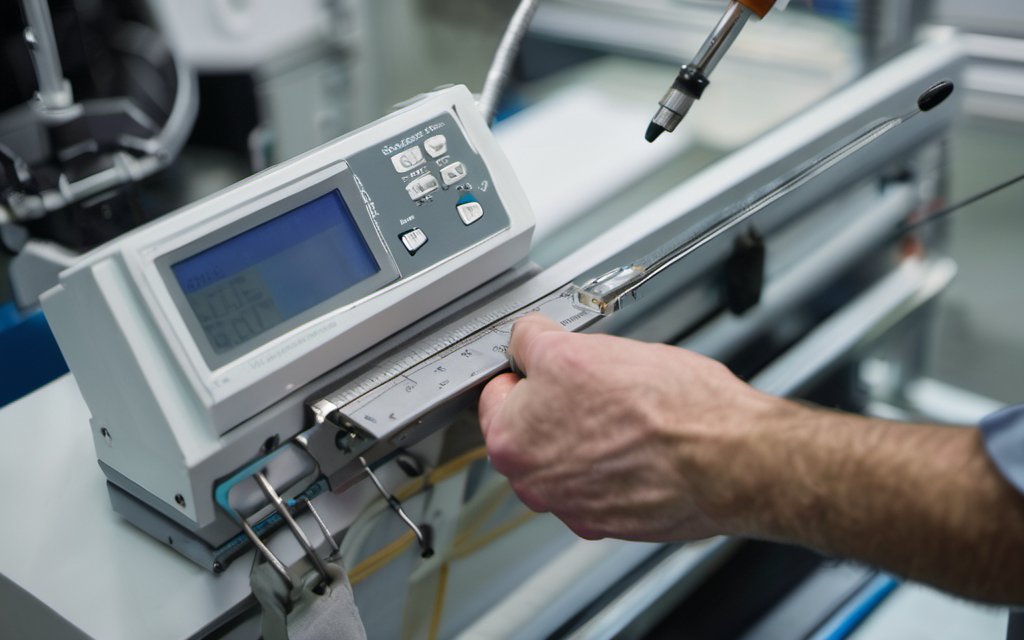
Before procurement, it is essential to confirm that the testing method aligns with the standard code. JIS L1096 Item 8.4 Method B specifies the procedure for measuring fabric thickness using a specific pressing foot area and load weight. The TNG1089 and TNG1094 both support this method, as they offer a pressing foot area of 2000mm² and load weights of 5cN x 1 and 10cN × 2, which are consistent with the standard's requirements. These specifications ensure that the test results are reliable and reproducible, meeting the necessary accuracy and precision levels.
Identifying the Required Measuring Range
The measuring range is a critical parameter for selecting the appropriate instrument. According to JIS L1096 Item 8.4 Method B, the thickness of the fabric must be measured within a specific range to ensure accurate results. The TNG1089 and TNG1094 both have a range of 0.01~25mm, which covers the typical thickness values for most textile materials. This range allows for precise measurement of both thin and thick fabrics, ensuring that the test results are within the acceptable limits defined by the standard. The measuring accuracy of 0.01mm further supports the requirement for high precision in thickness measurement.
Checking the Published Specification Table
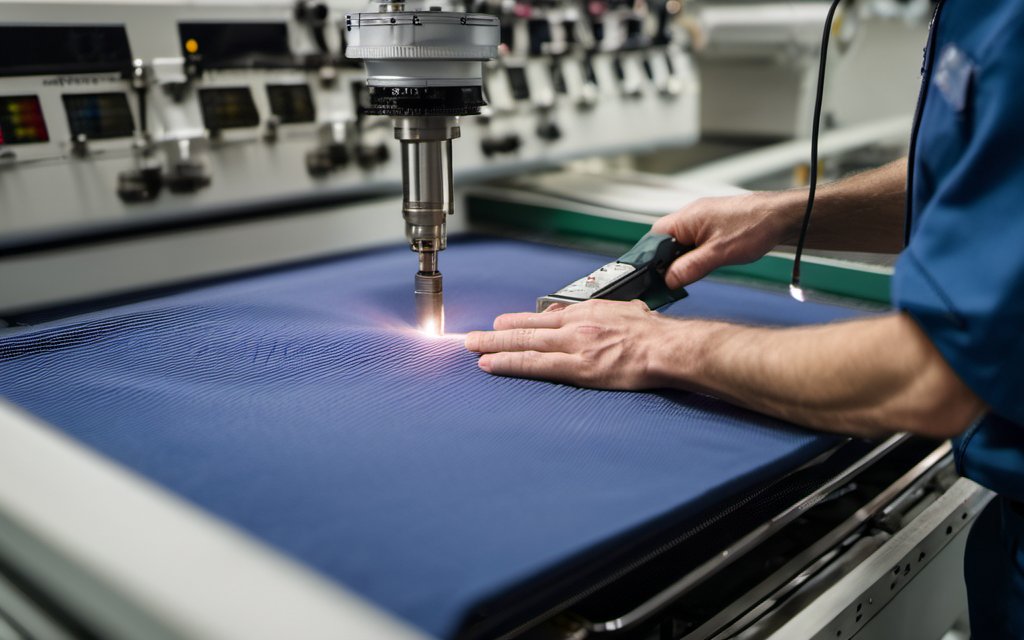
The published specifications of the TNG1089 and TNG1094 provide essential information for verifying compliance with JIS L1096 Item 8.4 Method B. The lowering speed of the pressing foot is set at 1.72 mm/s, which is crucial for maintaining consistent pressure during the test. This speed ensures that the fabric is compressed uniformly, preventing any variations in the measurement due to uneven pressure distribution. Additionally, the pressing duration of 10s and 30s allows for the measurement of both short-term and long-term thickness, providing a comprehensive assessment of the fabric's properties. These specifications are vital for ensuring that the test conditions are standardized and that the results are reliable and repeatable.
Requesting a Quotation
Once the method code, measuring range, and specifications have been verified, the next step is to request a quotation. The procurement team should ensure that the quotation includes all the necessary details, such as the model number, specifications, and any additional features required for compliance with JIS L1096 Item 8.4 Method B. This step is crucial for confirming that the selected instruments meet the required standards and that the testing process is both accurate and efficient. By anchoring each step in the supplied instrument data, the procurement and setup process can be streamlined, ensuring that the laboratory is equipped with the right tools for reliable and compliant testing.
Instrument models referenced
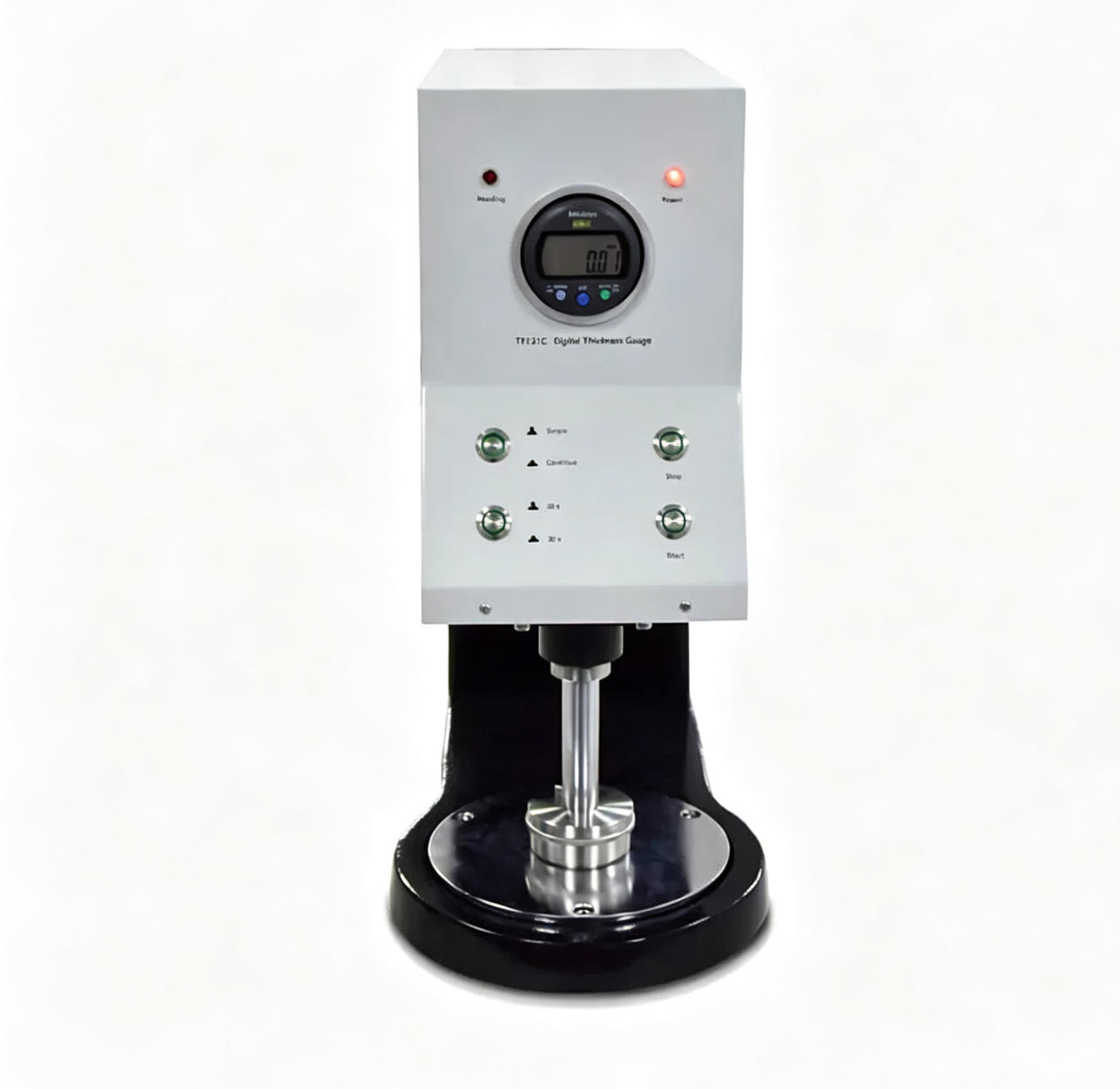
- TNG1089 Digital Thickness Gauge (Fineness / Thickness / Length / Density Testing).
- TNG1094 Fabric Thickness Tester(Gauge) /B (Fineness / Thickness / Length / Density Testing).
Editorial note. This application note summarises the published scope of the standard and our documented model data. Configuration requirements vary between standard editions, and instruments support a method only with the appropriate fixtures and accessories. Please confirm the required configuration against the applicable edition of the standard before ordering; conformity of a given test result also depends on the specimen and the procedure followed.
Instruments referenced
Test standards referenced
Need the instrument for this method?
Send the standard number and the material. We reply with the matching model, its full specification table and a quotation.