JIS L1096 Item 8.4 Method B: which instrument fits and how to decide
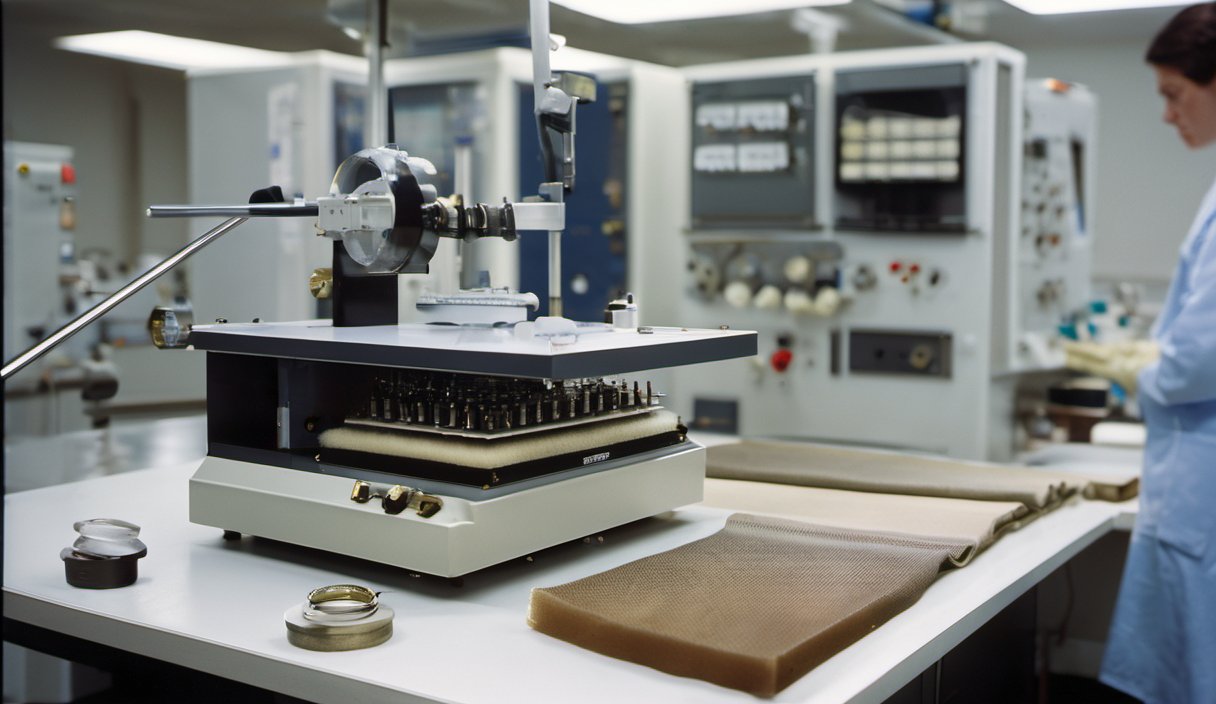
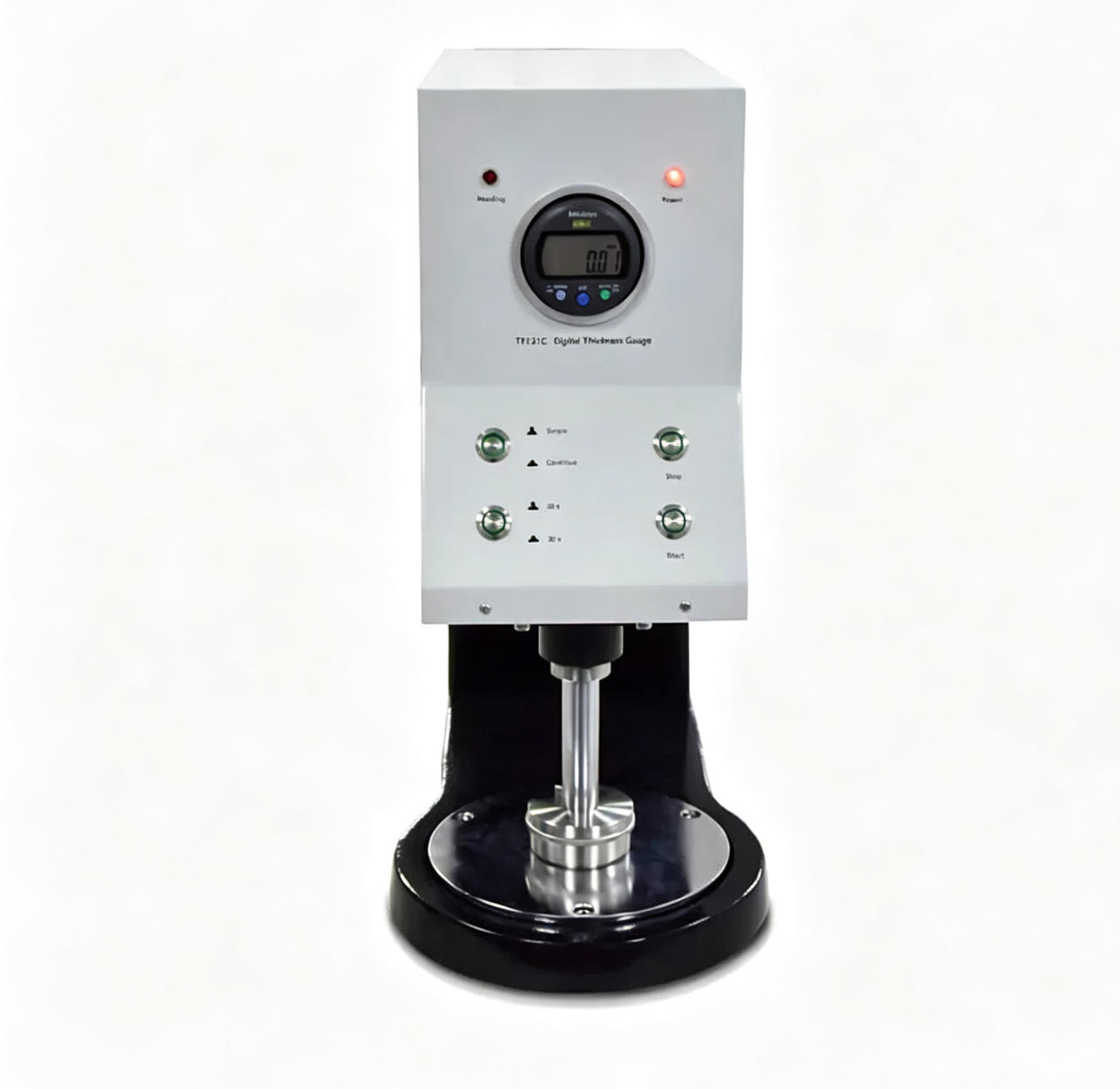
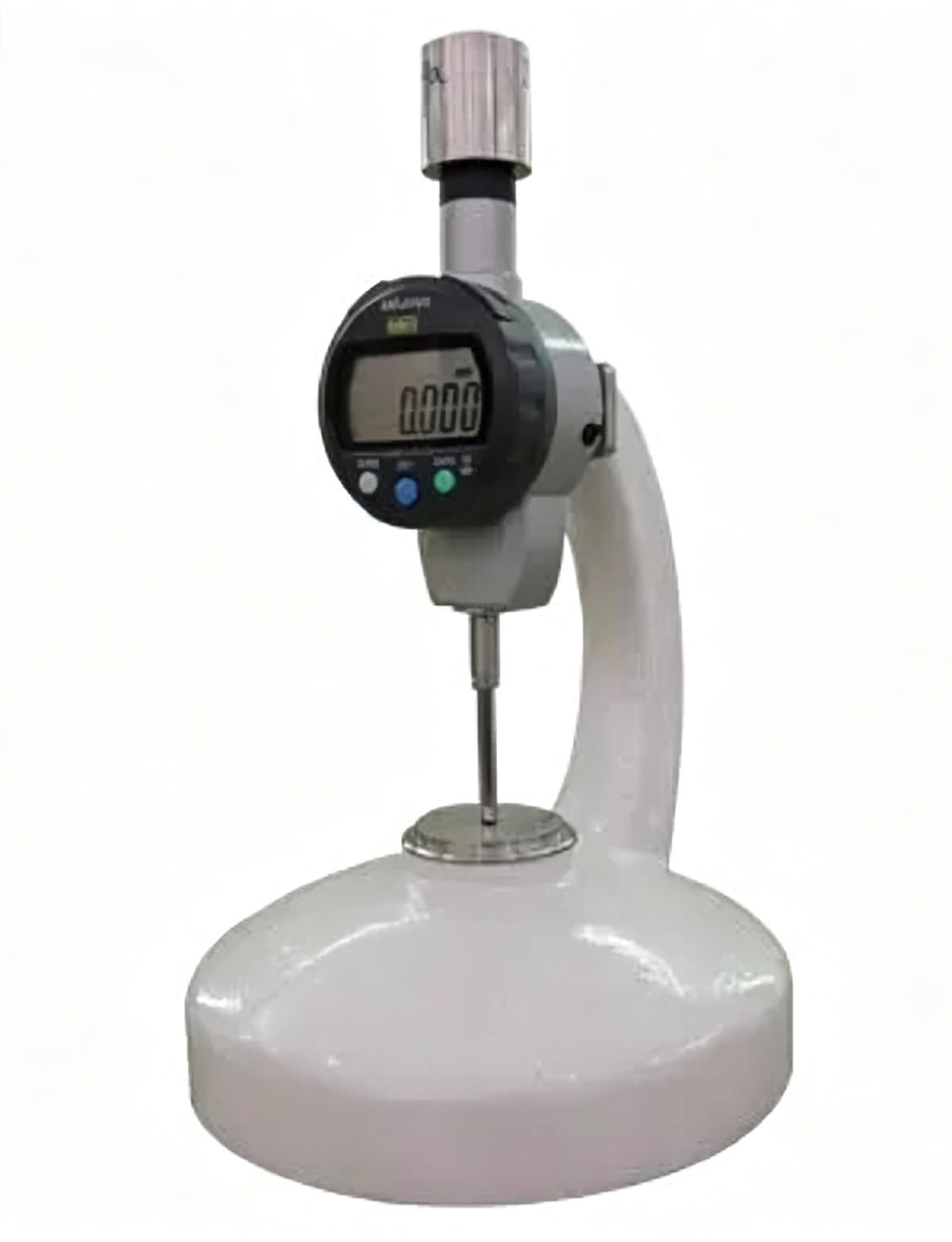
The Digital Thickness Gauge (TNG1089) and Fabric Thickness Tester (TNG1094) are suitable for testing in accordance with JIS L1096 Item 8.4 Method B.
Matching Instrument Specifications to JIS L1096 Item 8.4 Method B
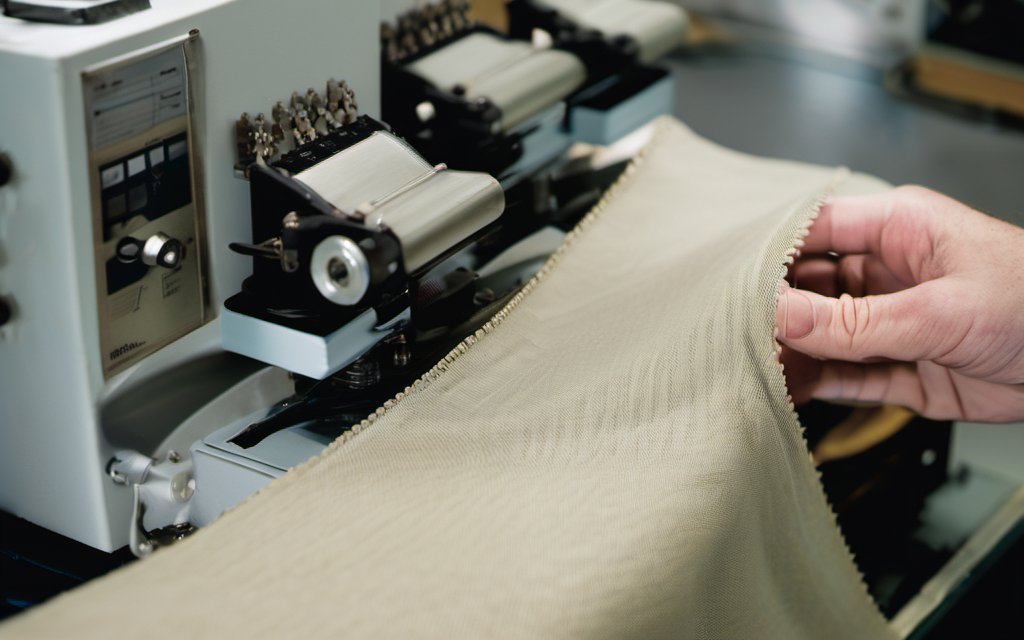
When selecting an instrument for testing under JIS L1096 Item 8.4 Method B, it is essential to focus on the specifications that directly relate to the method's requirements. The standard specifies the measurement of fabric thickness using a defined pressing foot area and load weight. The Digital Thickness Gauge (TNG1089) and Fabric Thickness Tester (TNG1094) both meet these criteria with their specified pressing foot areas and load weights.
The pressing foot area is a critical specification for ensuring accurate and consistent measurements. Both instruments offer pressing foot areas of 100mm², 2000mm², 2500mm², and 10000mm². This range allows for the selection of an appropriate area that matches the test requirements of JIS L1096 Item 8.4 Method B. The specified pressing foot area ensures that the force is applied uniformly across the sample, which is essential for obtaining reliable thickness measurements.
The load weight is another key specification that must align with the method's requirements. Both instruments provide a range of load weights, including 2cN x 2, 5cN x 1, 10cN × 2, 50cN × 2, 100cN x 1, 400cN x 1, and 1000cN × 2. This range allows for the application of the required load to the sample, ensuring that the measurement is taken under the specified conditions. The load weight is crucial for achieving the necessary compression to measure the fabric's thickness accurately.
Measuring Accuracy and Pressing Speed
The measuring accuracy of both instruments is specified as 0.01mm, which is essential for meeting the precision requirements of JIS L1096 Item 8.4 Method B. This level of accuracy ensures that the measurements are reliable and consistent, which is critical for quality control and compliance with the standard. The specified measuring accuracy allows for the detection of small variations in thickness, which is important for assessing the quality of the fabric.
The pressing speed of the pressing foot is also a critical specification. Both instruments have a pressing speed of 1.72 mm/s, which is designed to ensure that the force is applied gradually and uniformly to the sample. This controlled pressing speed helps to prevent any distortion of the sample during the measurement process, ensuring that the results are accurate and representative of the actual thickness of the fabric.
Conclusion
In conclusion, the Digital Thickness Gauge (TNG1089) and Fabric Thickness Tester (TNG1094) are both suitable for testing in accordance with JIS L1096 Item 8.4 Method B. Their specifications, including pressing foot area, load weight, measuring accuracy, and pressing speed, align with the requirements of the standard. These specifications ensure that the measurements are accurate, consistent, and reliable, which is essential for compliance with the method. By selecting an instrument with these specifications, laboratories can ensure that their testing procedures meet the necessary standards for quality control and compliance.
Instrument models referenced
- TNG1089 Digital Thickness Gauge (Fineness / Thickness / Length / Density Testing).
- TNG1094 Fabric Thickness Tester(Gauge) /B (Fineness / Thickness / Length / Density Testing).
Editorial note. This application note summarises the published scope of the standard and our documented model data. Configuration requirements vary between standard editions, and instruments support a method only with the appropriate fixtures and accessories. Please confirm the required configuration against the applicable edition of the standard before ordering; conformity of a given test result also depends on the specimen and the procedure followed.
Instruments referenced
Test standards referenced
Need the instrument for this method?
Send the standard number and the material. We reply with the matching model, its full specification table and a quotation.