ISO 9073: testing scope and instrument selection
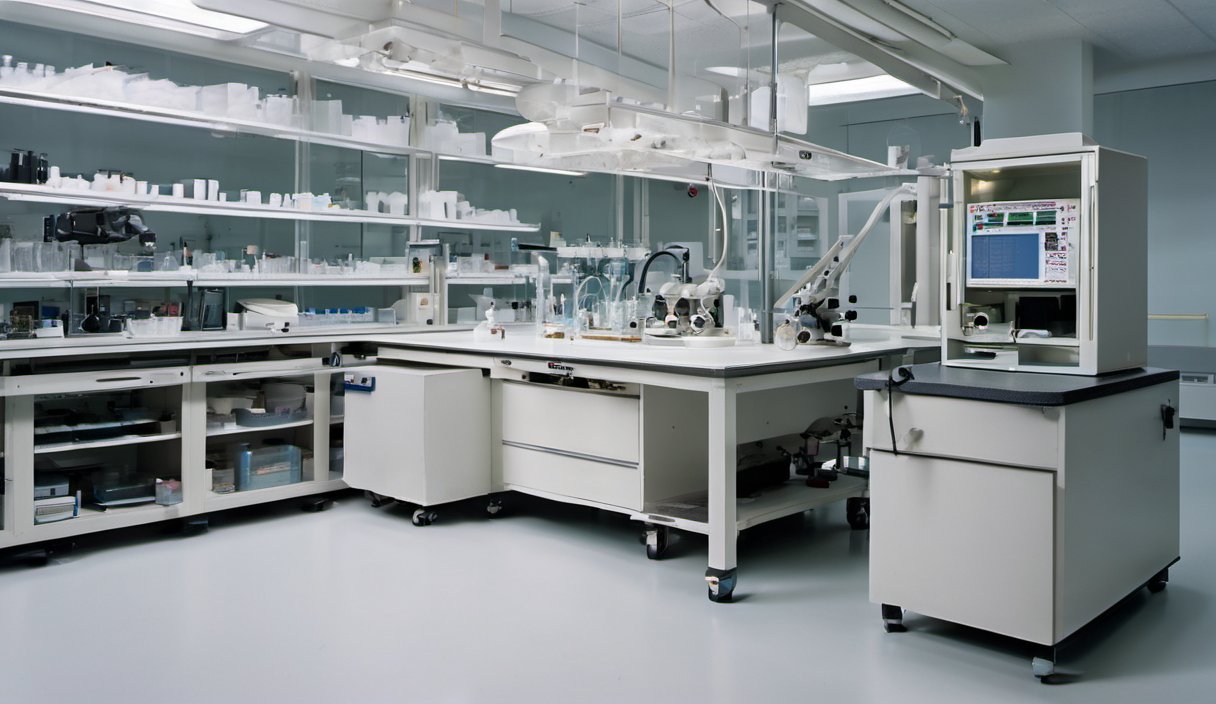
Compliance with ISO 9073: Key to Accurate Material Testing The SmartPull Tensile Tester (Dual Column Type) and Air Permeability Tester are essential tools for achieving compliance with ISO 9073, which sets the standard for testing the mechanical properties of nonwoven fabrics and other porous materials. These instruments are designed to provide precise and repeatable results, ensuring that test data meets the required specifications for quality control and material evaluation.
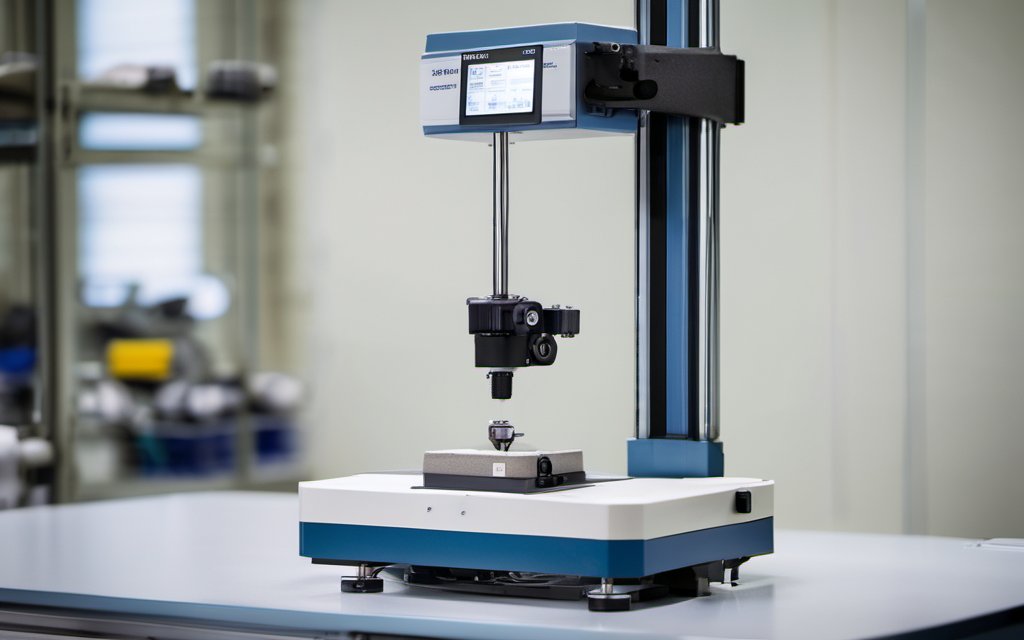
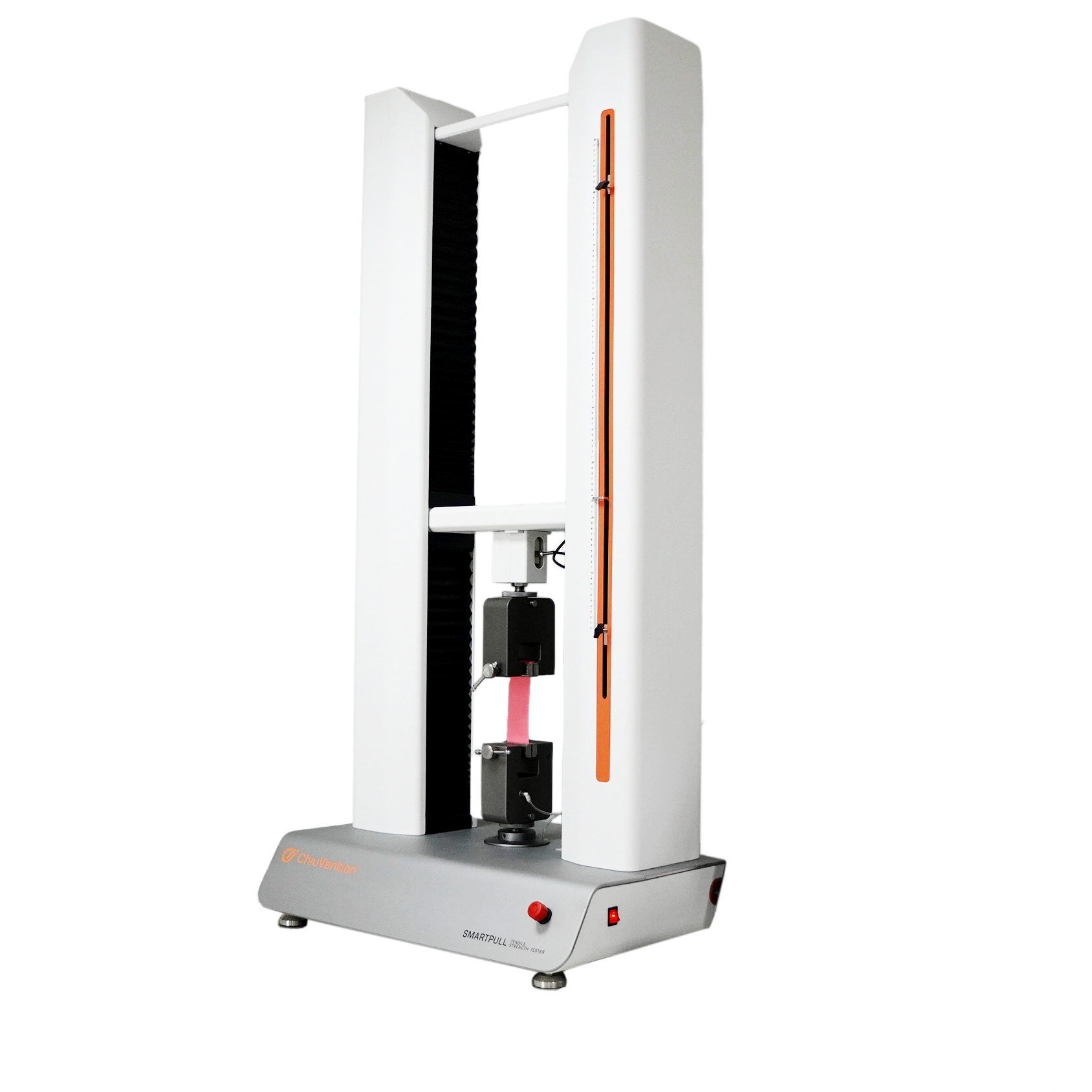
TNG1019: SmartPull Tensile Tester (Dual Column Type) The TNG1019 SmartPull Tensile Tester is specifically designed for Bursting, Tear, and Tensile Strength Testing. One of its key specifications is its test capacity of 1000 kg, which ensures that it can handle a wide range of material samples, including those with high tensile strength. This capacity is crucial for accurately measuring the breaking point of materials that may require significant force to rupture. Another important specification is the travel accuracy of ≤1%, which helps ensure that the movement of the testing jaws is consistent and reliable, minimizing measurement errors. This level of precision is essential for meeting the stringent requirements of ISO 9073, where small variations in test results can affect the final assessment of material performance. The travel speed range of 1mm/min to 500mm/min allows for flexibility in testing different material types, ensuring that the test conditions can be adjusted to match the specific requirements of the material being evaluated. The speed accuracy of ≤1% further supports this by ensuring that the speed at which the test is conducted remains consistent, which is vital for obtaining repeatable and reliable results.
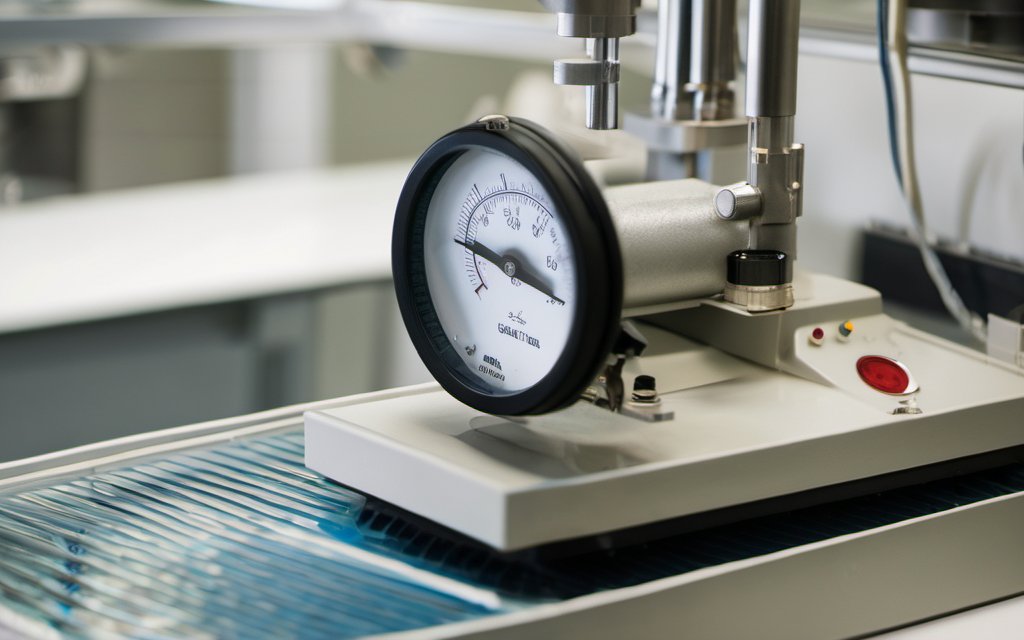
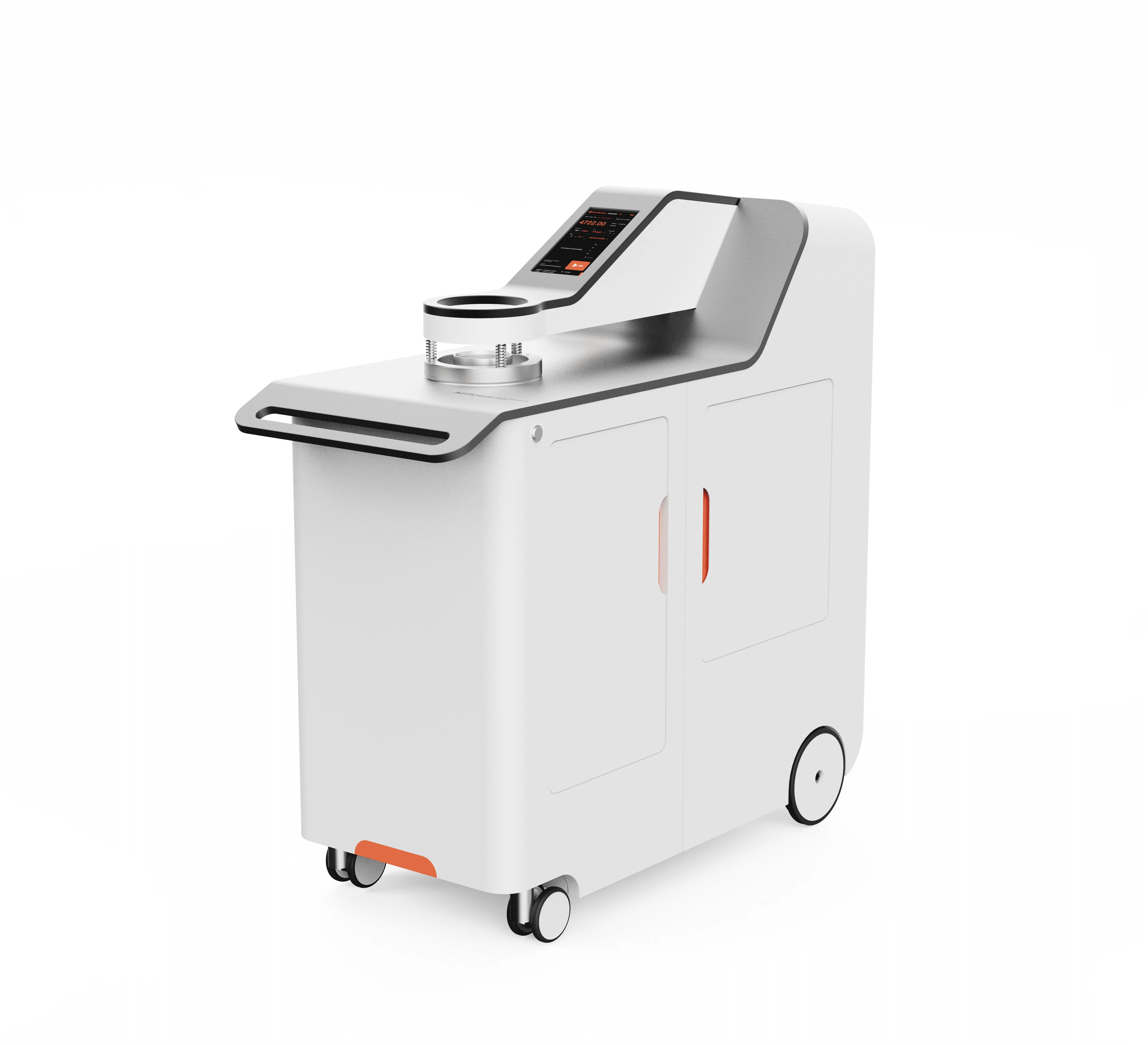
TNG1051: Air Permeability Tester The TNG1051 Air Permeability Tester is designed for Air, Water, and Vapour Permeability Testing. A critical specification is the test head size of 20 cm², which is standard for many permeability tests and ensures that the sample area is consistent across different tests. This helps in achieving uniform results and facilitates comparison between different materials. The test pressure range of 10~2,500 Pa allows for the evaluation of materials under various pressure conditions, which is necessary for determining their permeability characteristics under different environmental conditions. The air velocity range of 0.6~10,000 mm/s (20 cm²) provides the flexibility to test materials with varying permeability levels. This wide range ensures that the instrument can accommodate a broad spectrum of materials, from highly permeable to nearly impermeable, all while adhering to the standards set by ISO 9073. The ability to measure sample thickness from 0~10 mm with customizable fixtures further enhances the versatility of the TNG1051, making it suitable for a wide range of applications.
Conclusion The TNG1019 and TNG1051 instruments are essential for achieving compliance with ISO 9073. Their precise specifications ensure accurate and repeatable test results, which are critical for material evaluation and quality control in the manufacturing industry.
Editorial note. This application note summarises the published scope of the standard and our documented model data. Configuration requirements vary between standard editions, and instruments support a method only with the appropriate fixtures and accessories. Please confirm the required configuration against the applicable edition of the standard before ordering; conformity of a given test result also depends on the specimen and the procedure followed.
Instruments referenced
Test standards referenced
Need the instrument for this method?
Send the standard number and the material. We reply with the matching model, its full specification table and a quotation.