ISO 5084 testing: the specifications that decide the fit
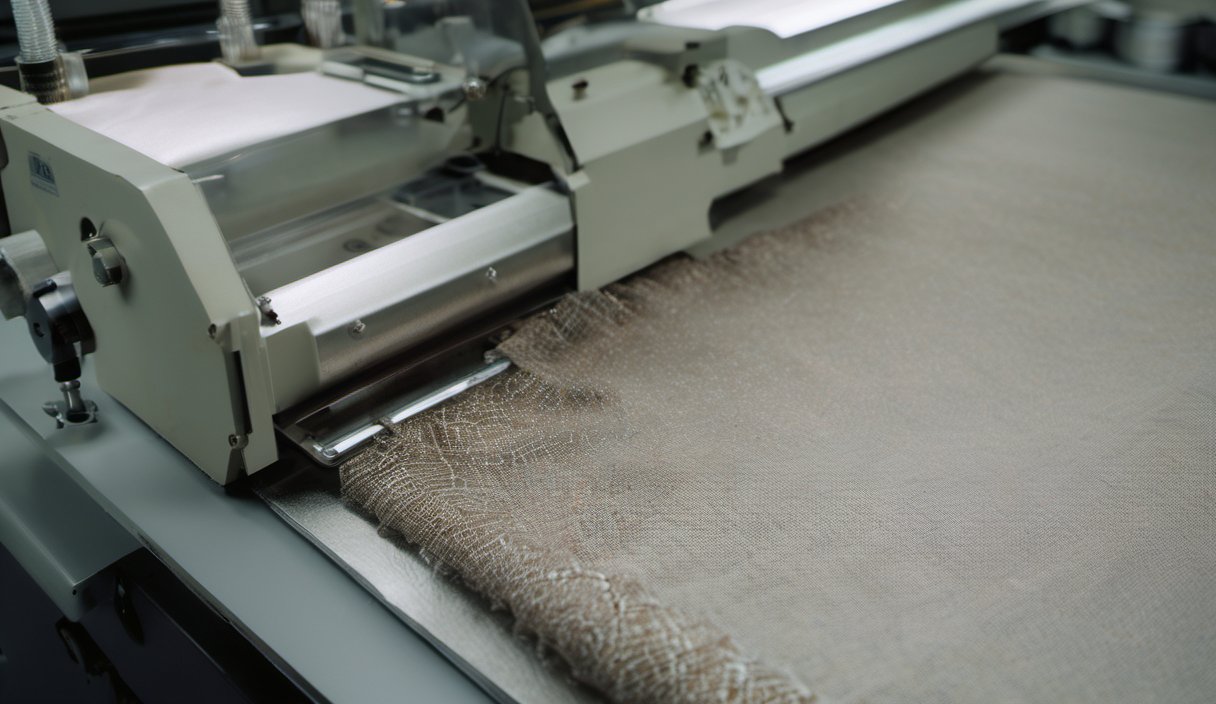
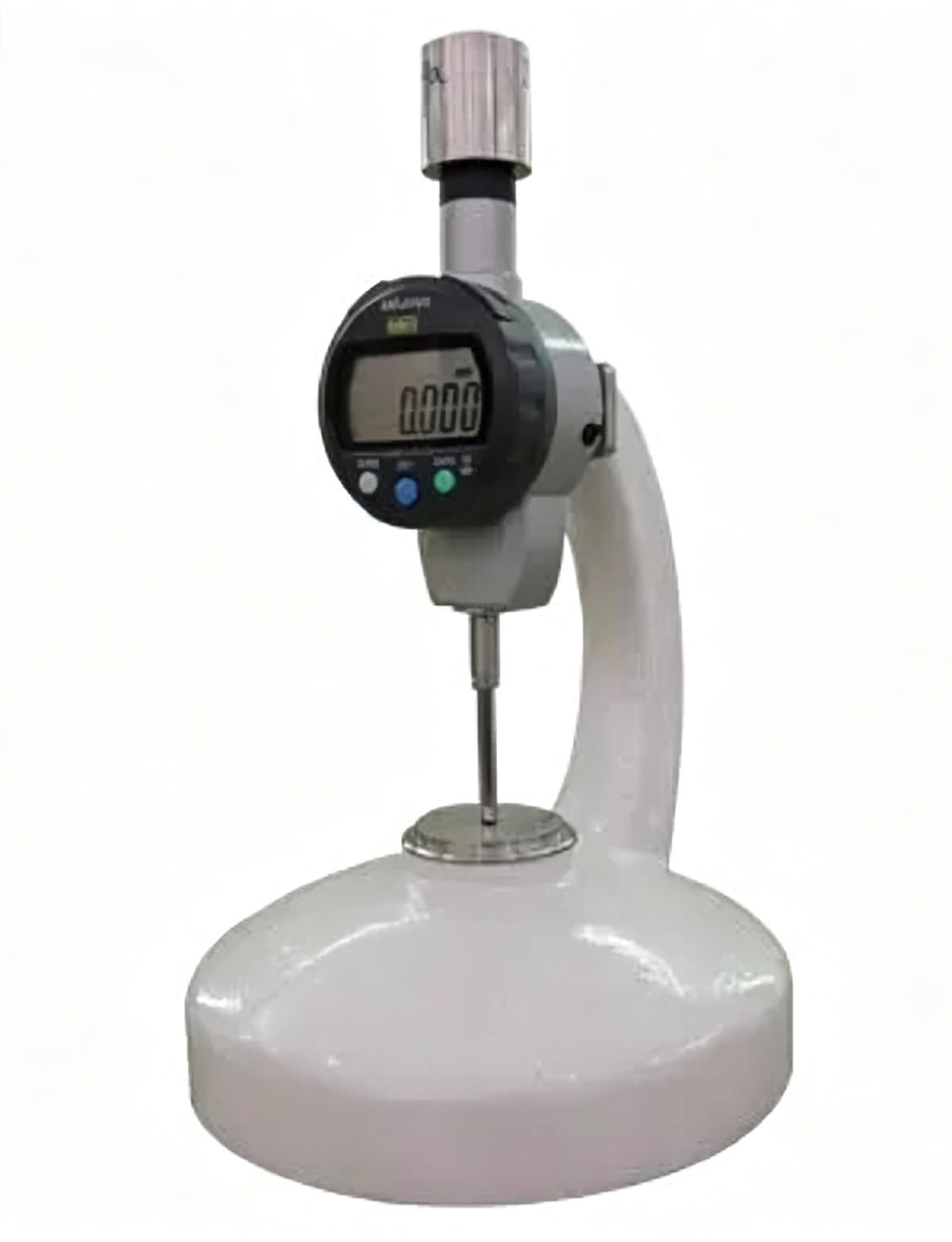
The Digital Thickness Gauge (TNG1089) and Fabric Thickness Tester (TNG1094) are designed to meet the requirements of ISO 5084, ensuring accurate and repeatable measurements of fabric thickness.
Understanding Specification Tables
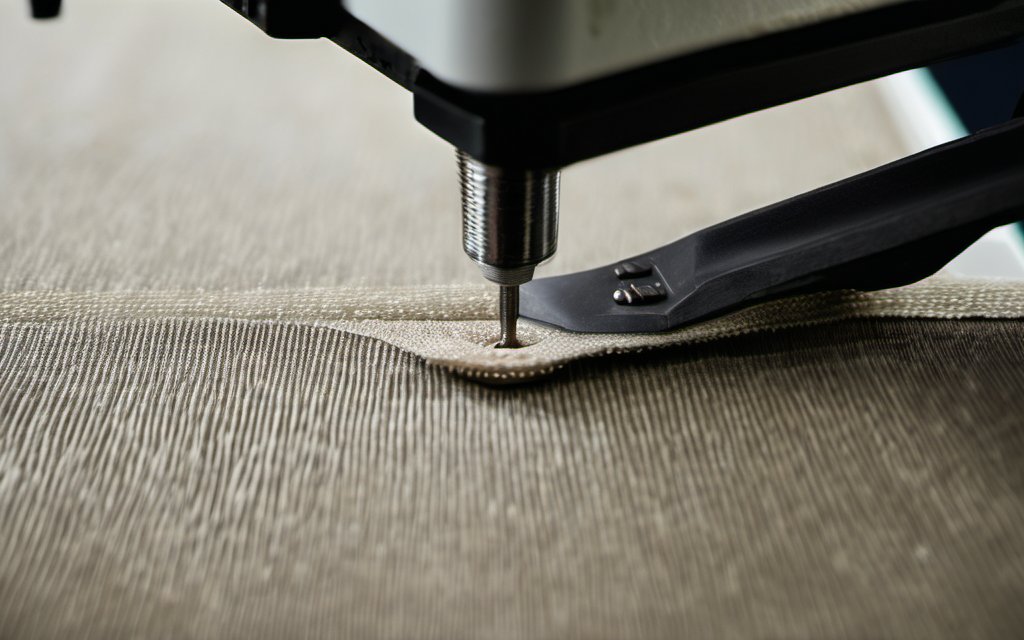
Reading a specification table is essential for selecting the right instrument for a given standard. For instance, the measuring accuracy of the Digital Thickness Gauge (TNG1089) is specified as 0.01mm, which is critical for ensuring that the measurements are precise enough to meet the tolerances required by ISO 5084. This level of accuracy allows for reliable detection of small variations in fabric thickness, which is vital for quality control in textile manufacturing. Similarly, the area of pressing foot is listed as 100mm², 2000mm², 2500mm², 10000mm², providing flexibility in test setups. The choice of pressing foot area affects the pressure distribution across the sample, which in turn influences the measurement consistency and the ability to simulate real-world conditions accurately.
Compliance with ISO 5084
ISO 5084 outlines the procedures for determining the thickness of textiles, emphasizing the need for standardized measurement conditions. The lowering speed of the pressing foot is set at 1.72 mm/s for both TNG1089 and TNG1094. This controlled speed ensures that the force is applied uniformly and consistently, preventing any premature compression of the sample that could skew the results. Additionally, the load weight options, such as 2cN x 2, 5cN x 1, 10cN × 2, allow for the application of different pressures depending on the material's thickness and density, ensuring that the test conditions are representative of actual use scenarios. These specifications are crucial for maintaining the integrity of the test results and ensuring compliance with the ISO 5084 standard.
Practical Application in Testing
In a typical test setup, the pressing duration is set to 10s or 30s, which allows for the measurement of both immediate and sustained thickness under load. This feature is particularly useful for assessing how the material behaves under different time frames, which is important for applications where the material may be subjected to prolonged pressure. The combination of these specifications—measuring accuracy, pressing foot area, load weight, and pressing duration—ensures that the instruments can provide reliable and repeatable data, supporting the rigorous requirements of ISO 5084. By adhering to these specifications, laboratories can confidently use TNG1089 and TNG1094 to conduct accurate thickness measurements, contributing to the overall quality and consistency of textile products.
Instrument models referenced
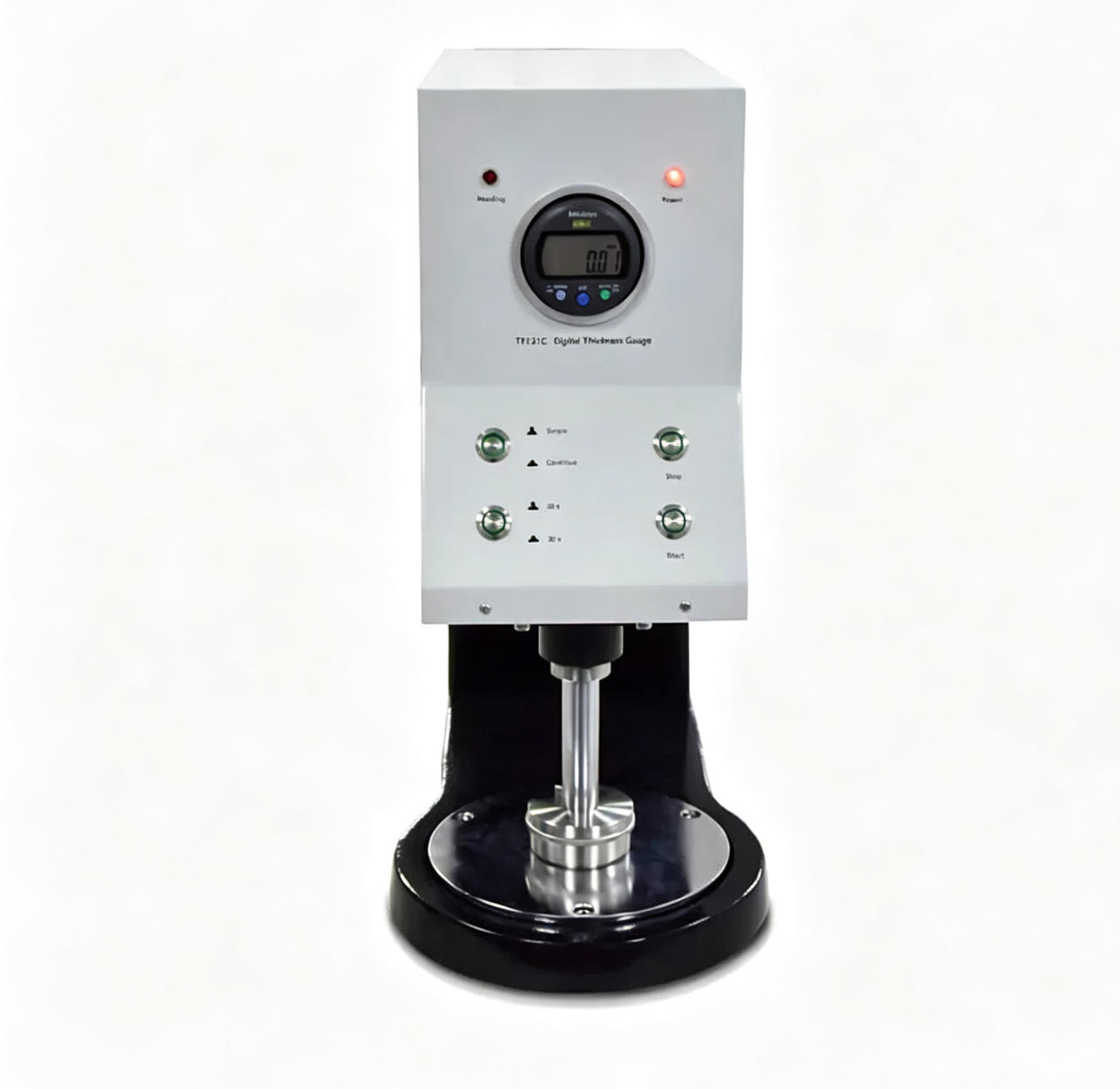
- TNG1089 Digital Thickness Gauge (Fineness / Thickness / Length / Density Testing).
- TNG1094 Fabric Thickness Tester(Gauge) /B (Fineness / Thickness / Length / Density Testing).
Editorial note. This application note summarises the published scope of the standard and our documented model data. Configuration requirements vary between standard editions, and instruments support a method only with the appropriate fixtures and accessories. Please confirm the required configuration against the applicable edition of the standard before ordering; conformity of a given test result also depends on the specimen and the procedure followed.
Instruments referenced
Test standards referenced
Need the instrument for this method?
Send the standard number and the material. We reply with the matching model, its full specification table and a quotation.