GB/T 24218.2 Method A testing: the specifications that decide the fit

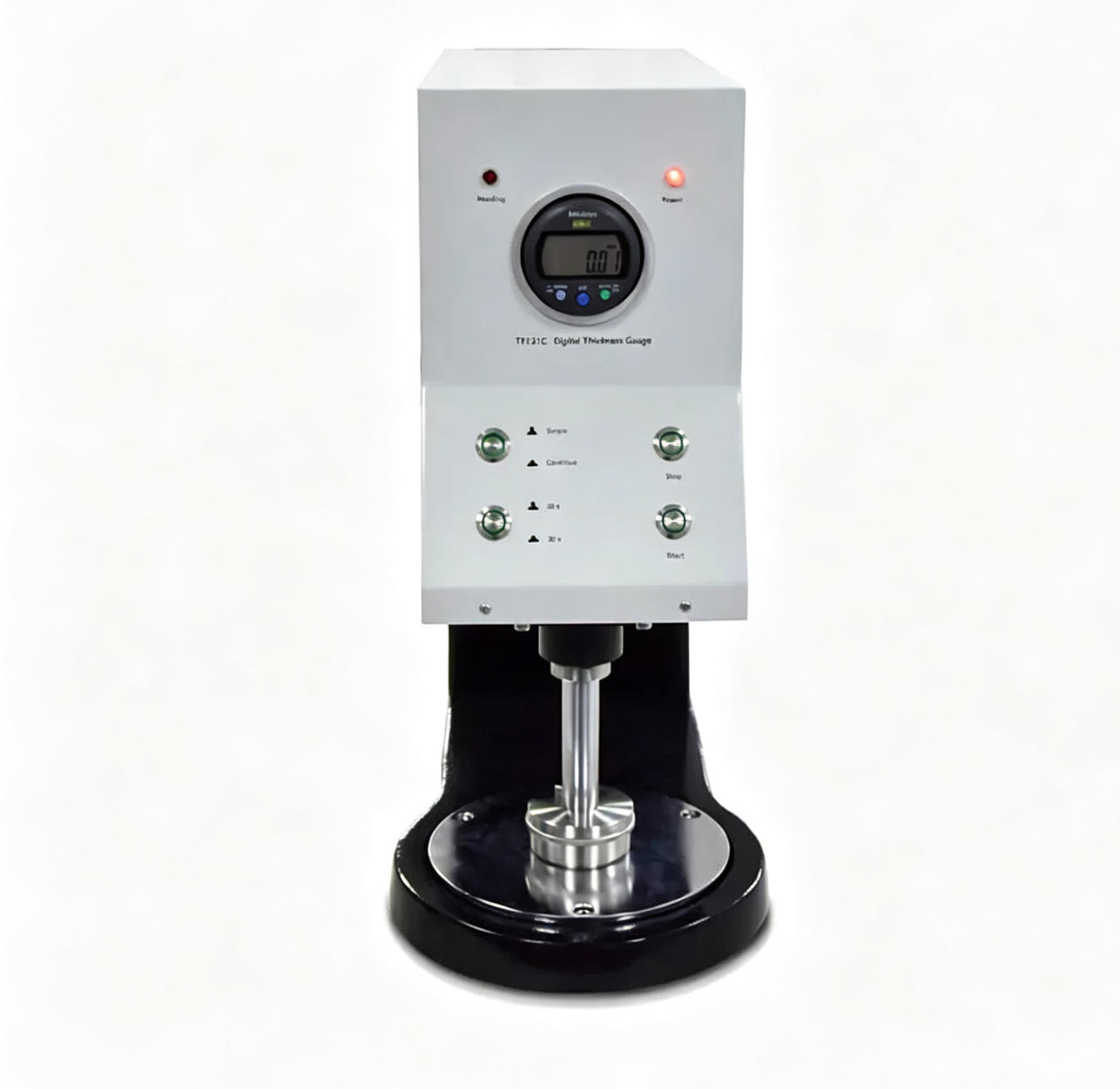
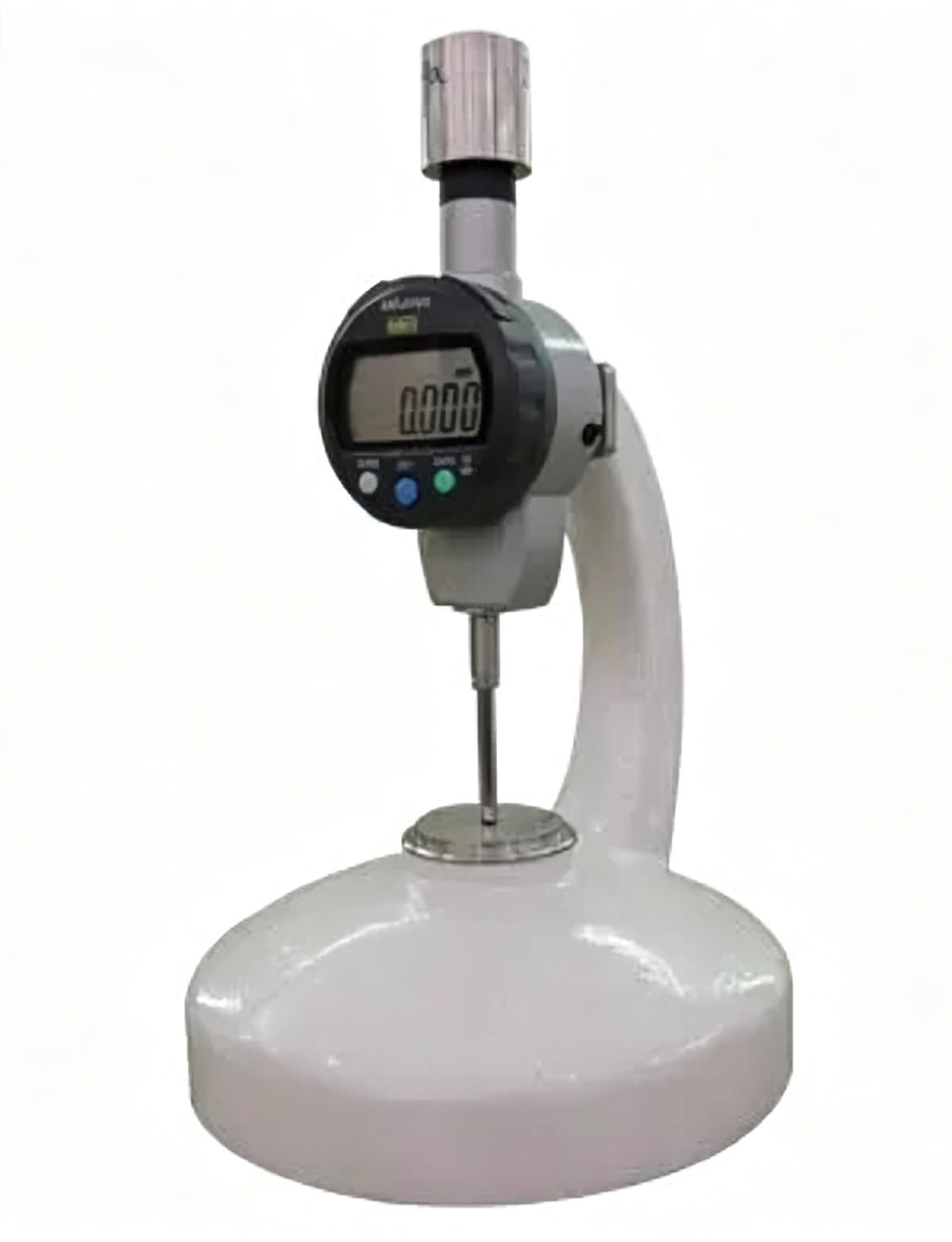
The Digital Thickness Gauge (TNG1089) and Fabric Thickness Tester (TNG1094) are essential tools for compliance with GB/T 24218.2 Method A, ensuring accurate and repeatable thickness measurements for textile materials.
Understanding Specification Tables
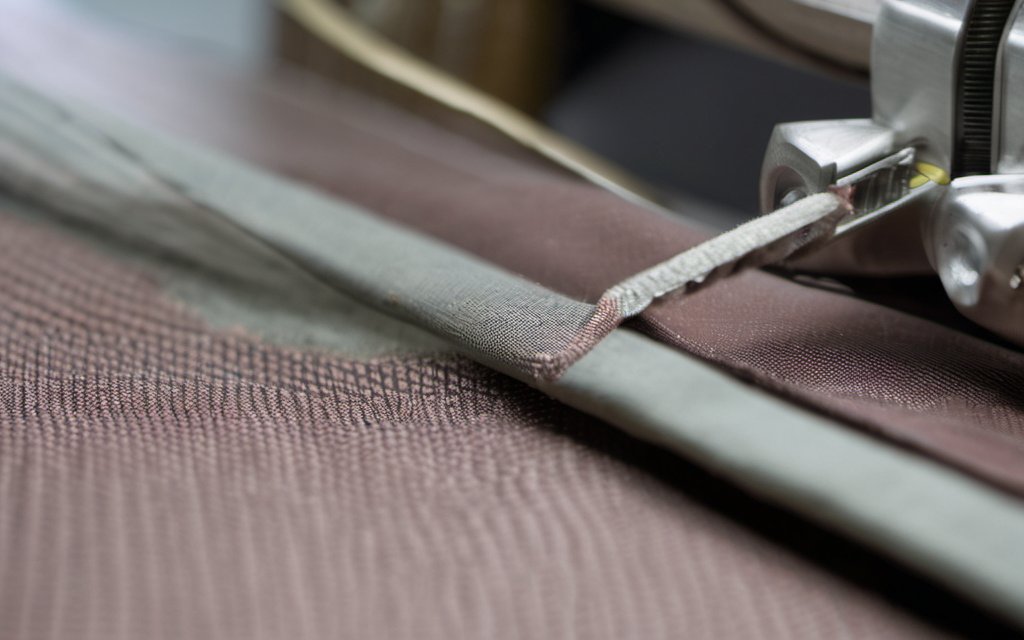
Reading a specification table is crucial for selecting the right instrument for a given standard. Each label and value pair provides specific information about the instrument's capabilities. For instance, the measuring accuracy of the Digital Thickness Gauge (TNG1089) is 0.01mm, which ensures that the instrument can detect minute variations in thickness, a critical requirement for GB/T 24218.2 Method A. This level of precision allows for reliable data collection, ensuring that the test results meet the required tolerances.
Another important specification is the area of the pressing foot, which is available in 100mm², 2000mm², 2500mm², and 10000mm² for both TNG1089 and TNG1094. The pressing foot area determines the contact surface between the instrument and the material being tested. A smaller area, such as 100mm², is suitable for testing thin and delicate materials, while a larger area, like 10000mm², is used for thicker or more robust materials. This flexibility ensures that the instrument can adapt to various test conditions, thereby supporting the requirements of GB/T 24218.2 Method A.
Instrument Specifications and Their Role in Testing
The lowering speed of the pressing foot is set at 1.72 mm/s for both instruments. This controlled speed ensures that the force is applied uniformly and consistently, preventing any sudden impacts that could distort the measurement. The uniform application of force is vital for obtaining accurate and reproducible results, which is a fundamental aspect of GB/T 24218.2 Method A.
The load weight options for the Digital Thickness Gauge (TNG1089) include 2cN x 2, 5cN x 1, 10cN × 2, 50cN × 2, 100cN x 1, 400cN x 1, and 1000cN × 2. These different load weights allow the instrument to apply the appropriate pressure based on the material's thickness and density. For example, a higher load weight, such as 1000cN × 2, is suitable for testing thicker materials, while a lower load weight, like 2cN x 2, is appropriate for very thin fabrics. This range of load weights ensures that the instrument can meet the diverse requirements of the GB/T 24218.2 Method A standard.
Ensuring Compliance with GB/T 24218.2 Method A
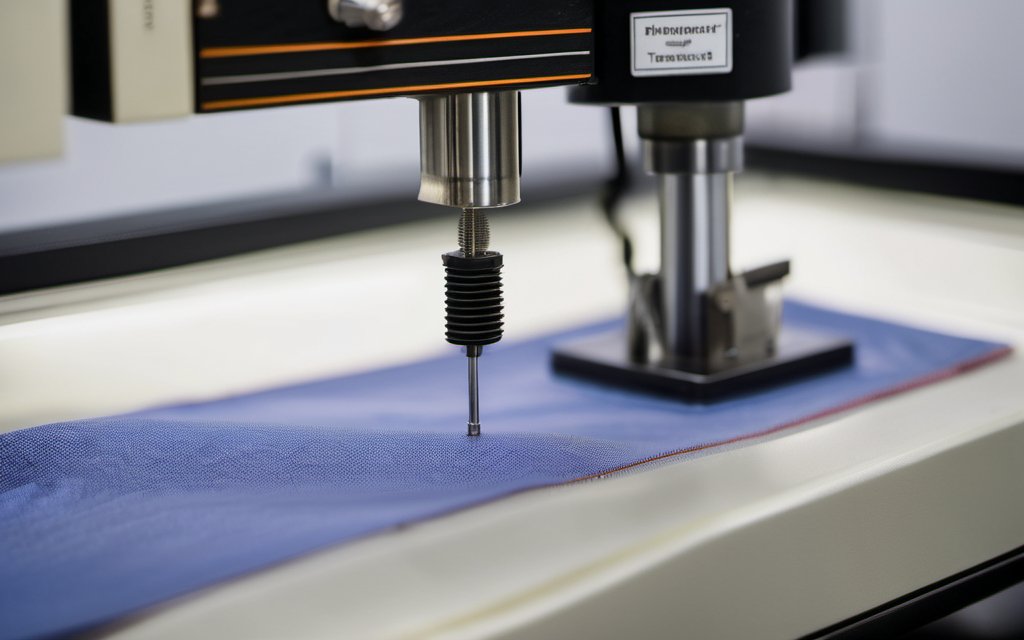
The pressing duration is set to 10s or 30s for both instruments. This parameter controls how long the force is applied to the material, which affects the measurement accuracy. A shorter pressing duration, such as 10s, is suitable for materials that require a quick response, while a longer duration, like 30s, allows for more thorough compression and measurement. This flexibility in pressing duration ensures that the instruments can be calibrated to meet the specific needs of the GB/T 24218.2 Method A standard, providing reliable and consistent test results.
Instrument models referenced
- TNG1089 Digital Thickness Gauge (Fineness / Thickness / Length / Density Testing).
- TNG1094 Fabric Thickness Tester(Gauge) /B (Fineness / Thickness / Length / Density Testing).
Editorial note. This application note summarises the published scope of the standard and our documented model data. Configuration requirements vary between standard editions, and instruments support a method only with the appropriate fixtures and accessories. Please confirm the required configuration against the applicable edition of the standard before ordering; conformity of a given test result also depends on the specimen and the procedure followed.
Instruments referenced
Test standards referenced
Need the instrument for this method?
Send the standard number and the material. We reply with the matching model, its full specification table and a quotation.