ASTM D3885 FAQ: instruments, ranges and method scope

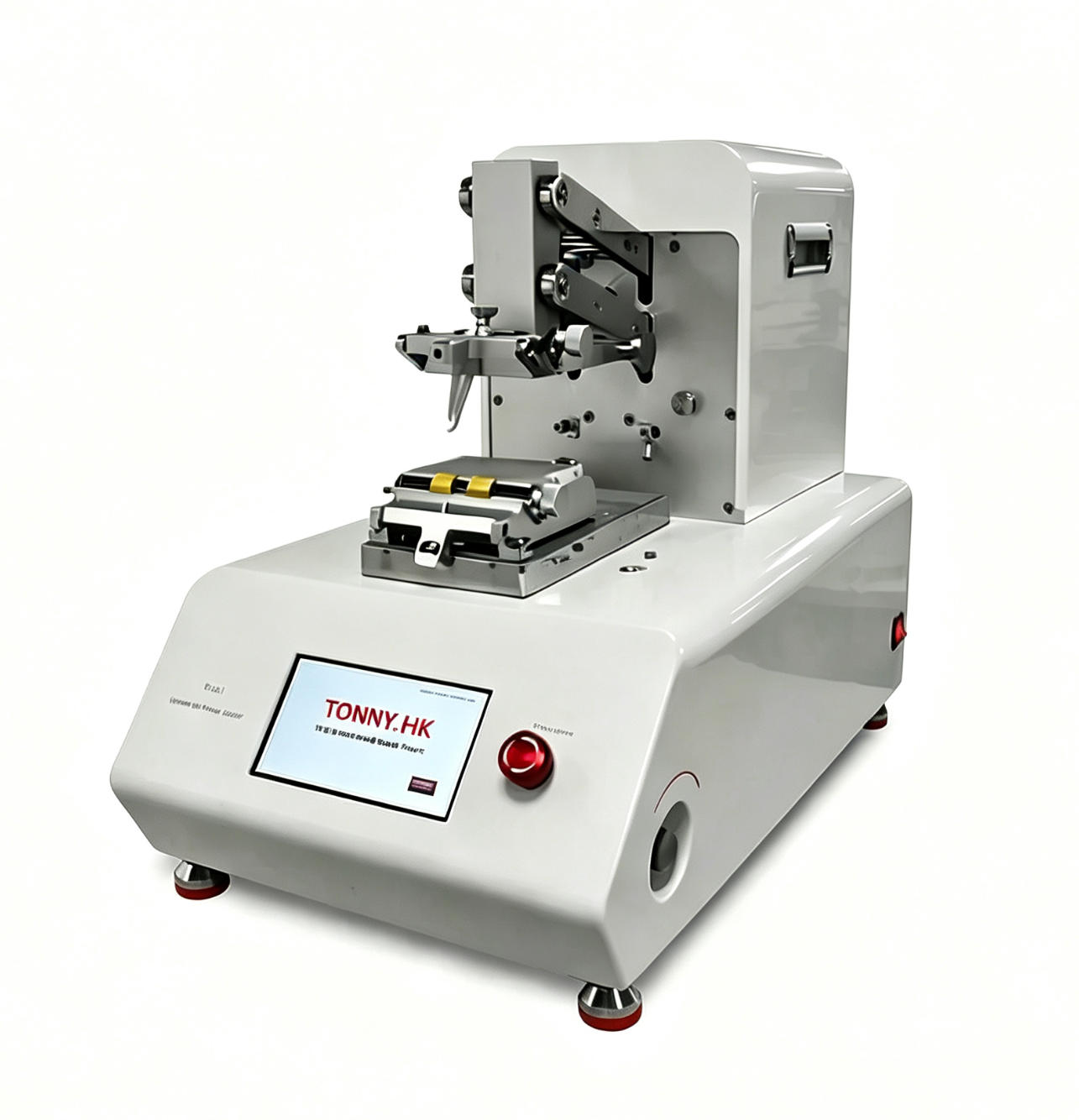
The Universal Wear Tester (TNG1003) is a critical instrument for compliance with ASTM D3885, offering precise control and measurement necessary for evaluating fabric abrasion resistance.
What is the role of the Universal Wear Tester in ASTM D3885 testing?
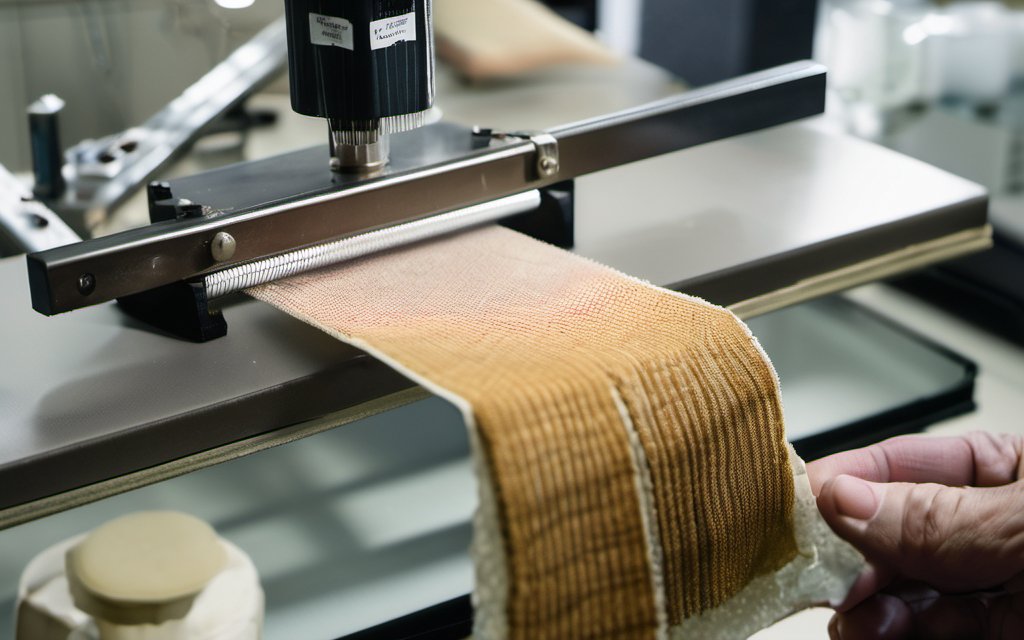
The Universal Wear Tester (TNG1003) is designed to perform abrasion resistance testing as specified in ASTM D3885. This standard assesses the durability of textiles under repeated mechanical stress. The TNG1003 provides accurate measurement of fabric wear through its adjustable rotation speed and measuring range, ensuring reliable results.
What are the key specifications of the TNG1003 that support ASTM D3885?
The TNG1003 has a measuring range of 25mm, which is essential for quantifying the extent of fabric wear during testing. Additionally, the instrument supports various abrasion kits, including depth abrasion kits, which are required for ASTM D3885. These specifications ensure that the testing process aligns with the standard's requirements for accuracy and consistency.
What optional accessories are available for the TNG1003 and how do they support testing?
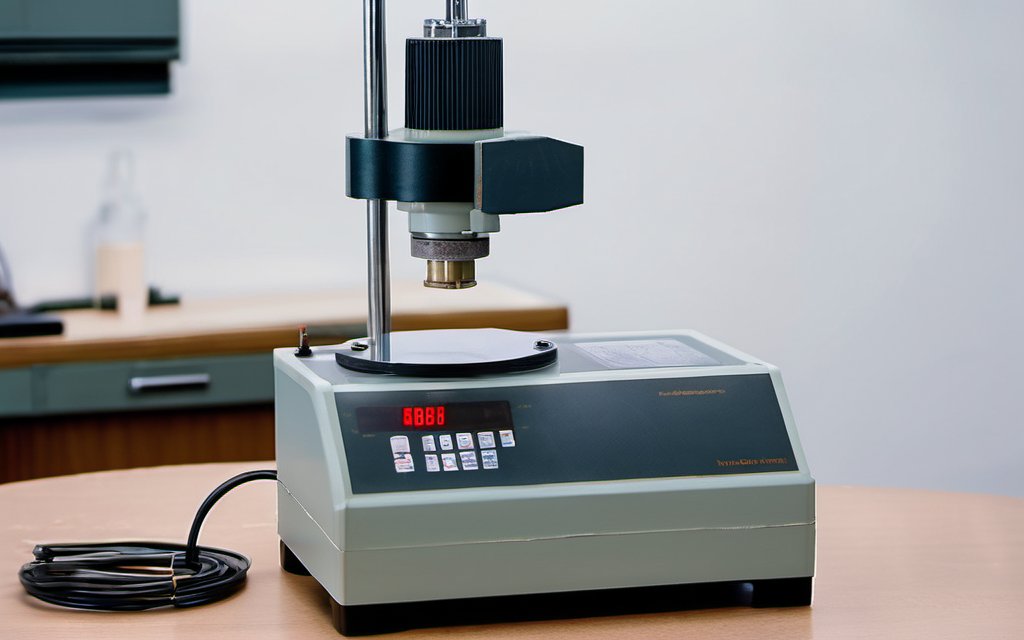
The TNG1003 offers optional accessories such as abrasive rolls (e.g., ‘0’ 50 yd/roll and ‘600A’ 50 yd/roll), which are necessary for simulating different levels of abrasion as defined in ASTM D3885. These accessories allow for precise control over the test conditions, ensuring that the results are representative of real-world wear scenarios.
How does the TNG1003 support testing to multiple standards?
The TNG1003 is compatible with several standards, including ASTM D3885, ASTM D3514, and AATCC 119. This versatility allows the instrument to be used for a range of testing applications, from abrasion resistance to pilling and snagging. The inclusion of photographic standards for ASTM D3514 further enhances the instrument's ability to meet the requirements of multiple testing protocols.
Instrument models referenced
- TNG1003 Universal Wear Tester (Abrasion / Pilling / Snagging Testing).
Editorial note. This application note summarises the published scope of the standard and our documented model data. Configuration requirements vary between standard editions, and instruments support a method only with the appropriate fixtures and accessories. Please confirm the required configuration against the applicable edition of the standard before ordering; conformity of a given test result also depends on the specimen and the procedure followed.
Instruments referenced
Test standards referenced
Need the instrument for this method?
Send the standard number and the material. We reply with the matching model, its full specification table and a quotation.