ASTM D3776 testing: the specifications that decide the fit
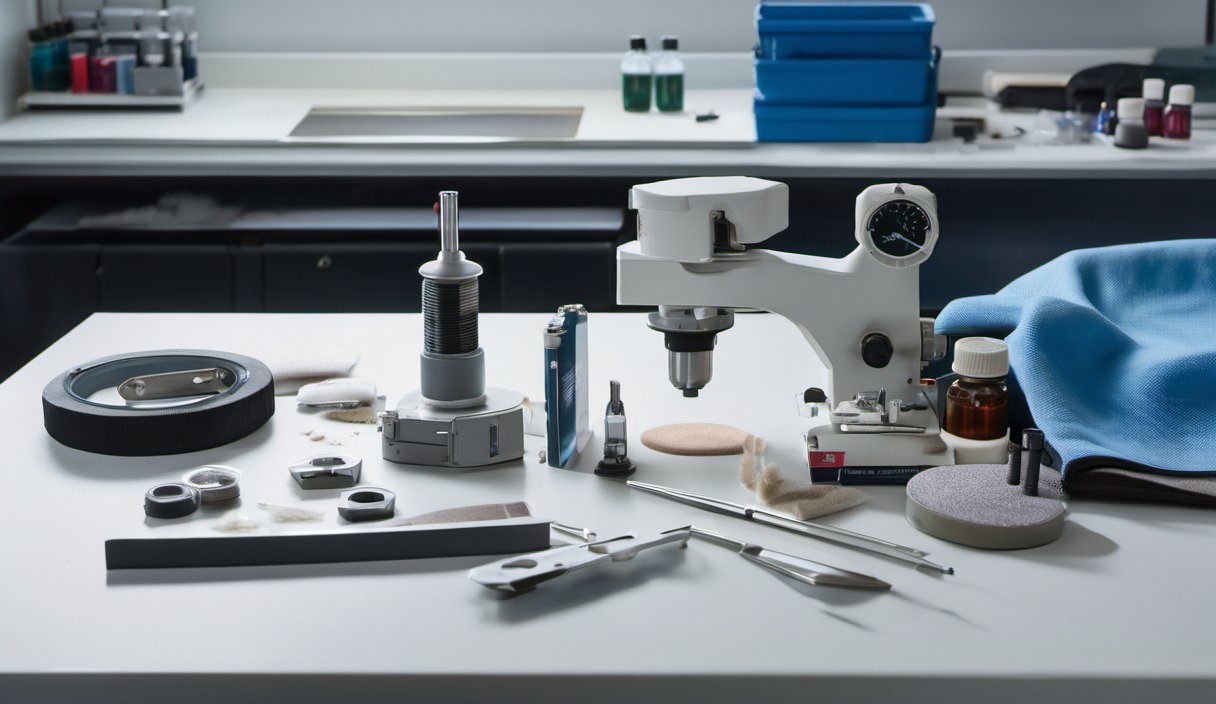
The Fabric Scale and Pneumatic Sample Press are essential instruments for conducting tests in accordance with ASTM D3776, ensuring accurate and reliable results for GSM testing.
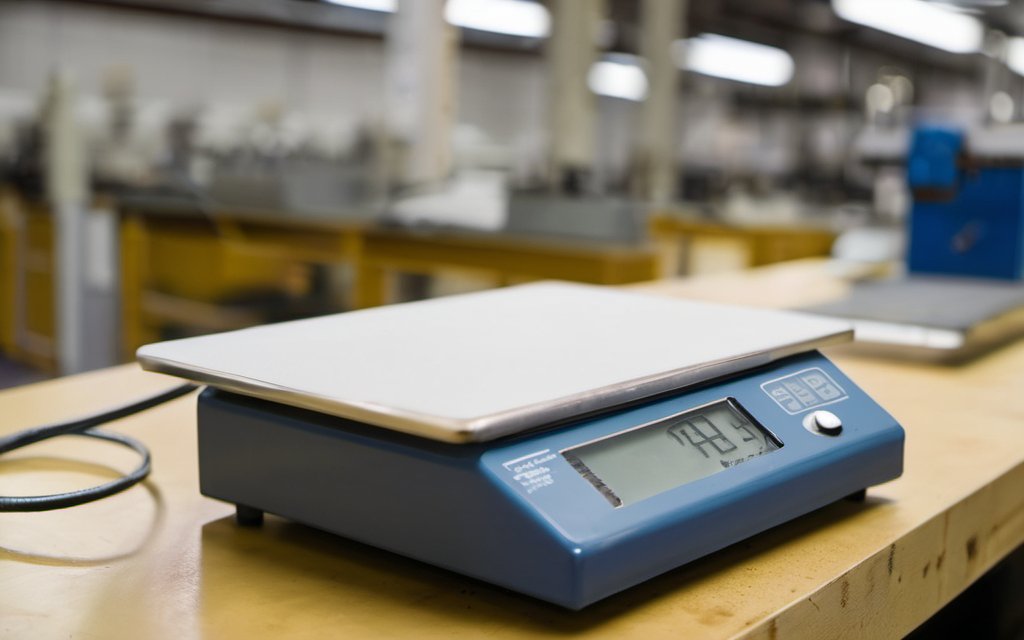
Understanding Specification Tables Reading a specification table is crucial for selecting the right instrument for a given test standard. Each label and value pair provides critical information about the instrument's capabilities and limitations. For instance, the Fabric Scale (TNG1103) has a specification labeled "Length" with a value of "210 mm." This dimension is important because it determines the maximum size of the fabric sample that can be measured accurately. The length of the scale ensures that the sample is fully extended and measured without distortion, which is essential for maintaining the integrity of the test results under ASTM D3776. Another key specification for the Fabric Scale is "220/110 V, 50/60 Hz," which refers to the power supply requirements. This information is vital for ensuring that the instrument operates correctly in different electrical environments. The voltage and frequency specifications help ensure that the instrument functions as intended, providing consistent and accurate measurements during testing.
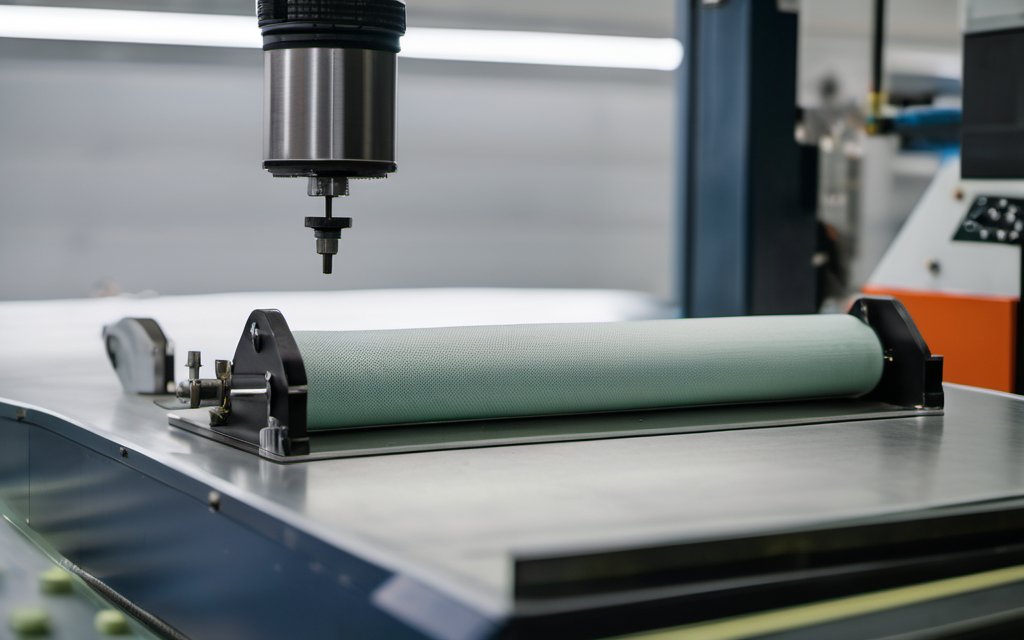
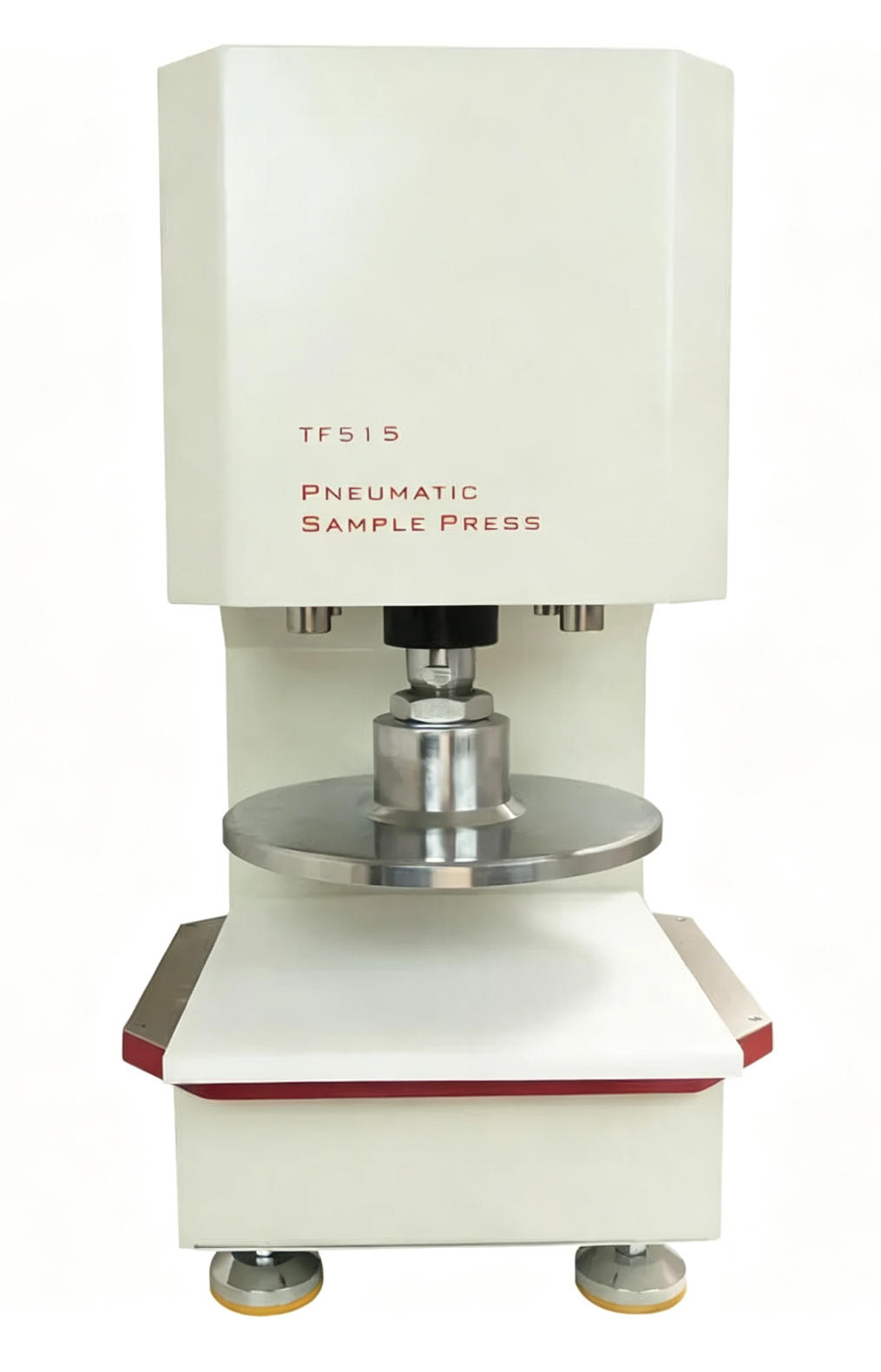
Ensuring Compliance with ASTM D3776 The Pneumatic Sample Press (TNG1104) is another critical instrument for ASTM D3776 testing. One of its key specifications is "0.5-0.6 Mpa," which indicates the pressure range it can apply to the sample. This pressure range is specifically designed to simulate the conditions required by ASTM D3776, ensuring that the sample is compressed appropriately without causing damage. The pressure control is essential for achieving uniform compression, which is necessary for accurate GSM measurements. Additionally, the "Length" specification for the Pneumatic Sample Press is "400 mm." This measurement is important because it defines the maximum size of the sample that can be processed by the instrument. A longer length allows for larger samples to be tested, which is beneficial for applications where the material's properties need to be assessed over a greater area. The length specification ensures that the instrument can handle a variety of sample sizes, providing flexibility in testing procedures.
Instrument Specifications and Test Setup Both the Fabric Scale and Pneumatic Sample Press are designed with specifications that directly support the requirements of ASTM D3776. The "Length" specifications for both instruments ensure that the samples are measured and compressed within the necessary dimensions, maintaining the accuracy of the test results. The power supply specifications for the Fabric Scale ensure that the instrument operates reliably in different environments, while the pressure range of the Pneumatic Sample Press helps ensure that the samples are compressed under the correct conditions. By carefully considering the specifications provided in the tables, users can select the appropriate instruments for their testing needs. These specifications are not just numerical values but are integral to the accuracy and reliability of the test results, ensuring compliance with the ASTM D3776 standard.
Editorial note. This application note summarises the published scope of the standard and our documented model data. Configuration requirements vary between standard editions, and instruments support a method only with the appropriate fixtures and accessories. Please confirm the required configuration against the applicable edition of the standard before ordering; conformity of a given test result also depends on the specimen and the procedure followed.
Instruments referenced
Test standards referenced
Need the instrument for this method?
Send the standard number and the material. We reply with the matching model, its full specification table and a quotation.