ASTM D2256 testing: the specifications that decide the fit
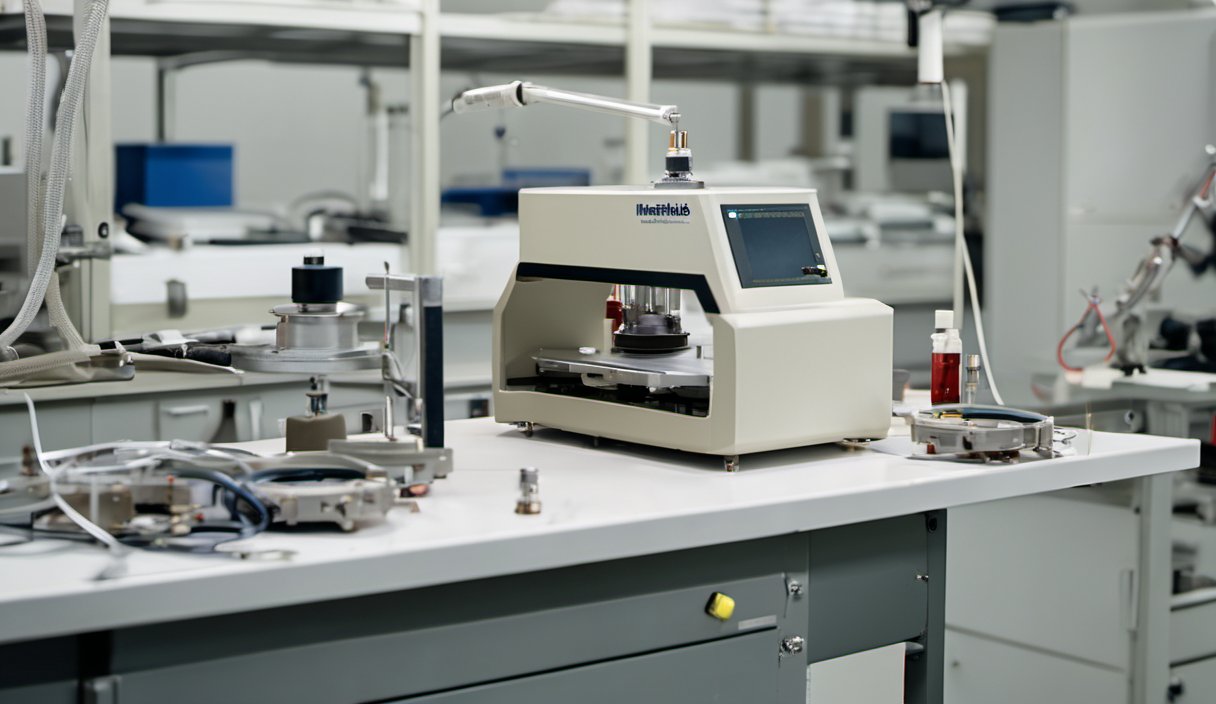
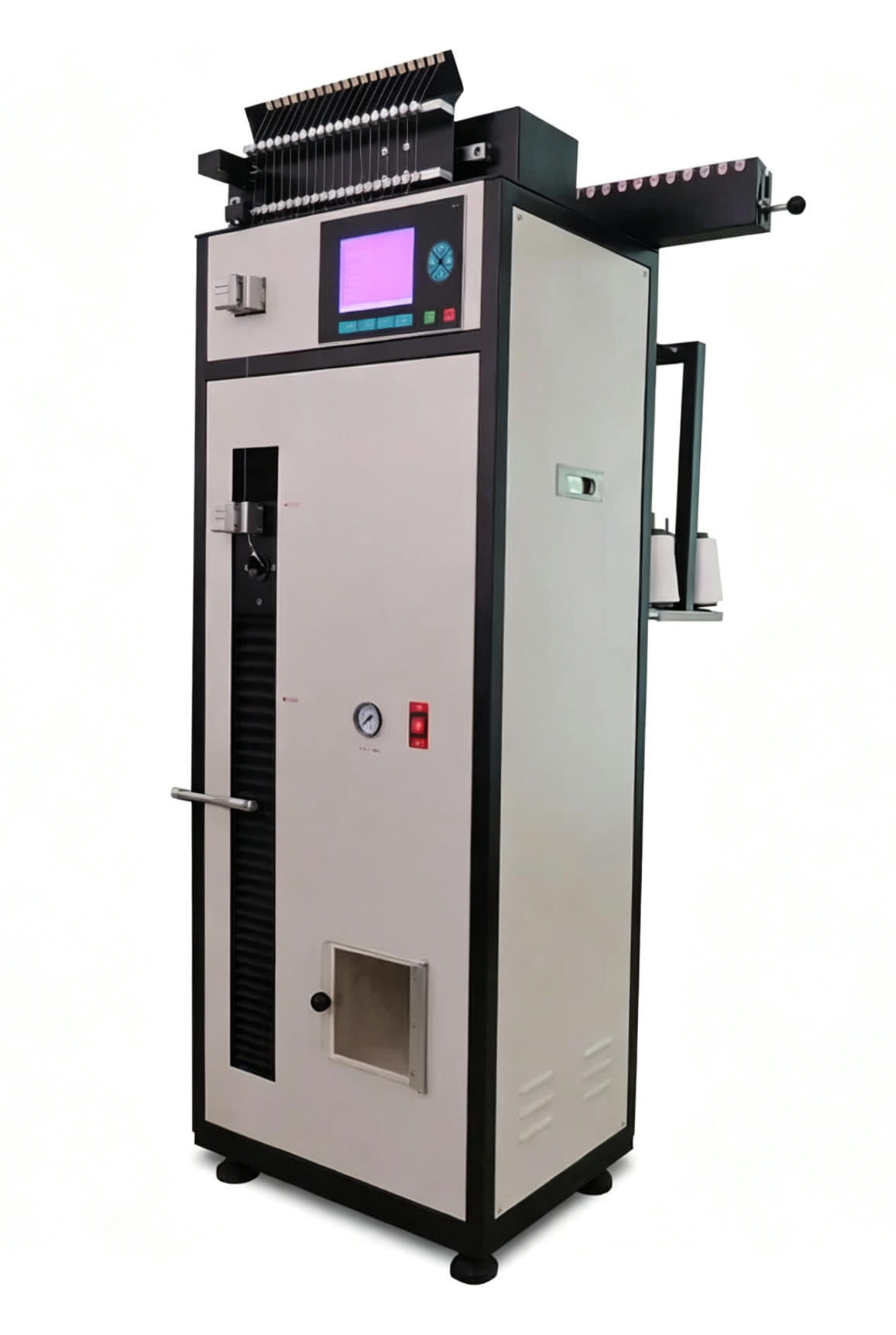
The Automatic Single Yarn Strength Tester (TNG1021) is designed to meet the requirements of ASTM D2256 for determining the breaking strength of single yarns, ensuring accurate and repeatable results through its precise specifications.
Understanding the Test Range and Accuracy

The TNG1021 Automatic Single Yarn Strength Tester is specifically engineered to comply with ASTM D2256, which outlines the procedures for evaluating the tensile strength of single yarns. One of the key specifications is the test range, which is set at 20cN ~ 6000cN. This wide range allows the instrument to accommodate various yarn types, from fine and delicate fibers to thick and strong industrial yarns. The accuracy of the instrument is specified as ≤ 1% F. S, ensuring that the measured values are reliable and consistent, which is critical for meeting the precision requirements of ASTM D2256.
Sampling Range and Pre-Tension Load
Another important specification is the sampling range, which is 0 ~ 9m. This allows the user to test yarn samples of different lengths without the need for frequent adjustments, improving efficiency and reducing the potential for human error. The pre-tension load is adjustable between 0 ~ 100cN, enabling the operator to apply the appropriate initial tension based on the yarn type and testing requirements. Proper pre-tension is essential to ensure that the yarn is uniformly stretched during the test, which directly impacts the accuracy of the breaking strength measurement.
Elongation Range and Gauge Length Options

The elongation range of the TNG1021 is 800mm, which provides sufficient space for the yarn to stretch before breaking. This is crucial for accurately measuring the elongation at break, a key parameter in ASTM D2256. The gauge length options are 250mm (stretching rate 220%) and 500mm (stretching rate 160%), allowing the user to select the appropriate gauge length based on the yarn's characteristics. A shorter gauge length increases the stretching rate, which is suitable for testing finer yarns, while a longer gauge length provides a more gradual stretch, ideal for thicker yarns. These specifications ensure that the test setup is optimized for the specific yarn being evaluated, supporting the standards set by ASTM D2256.
Conclusion
By incorporating the specified parameters such as test range, accuracy, sampling range, pre-tension load, elongation range, and gauge length options, the TNG1021 Automatic Single Yarn Strength Tester ensures that the testing process adheres to the ASTM D2256 standard. These specifications are not only essential for accurate measurement but also for maintaining consistency and reliability in the testing environment. Understanding how each specification contributes to the test setup is vital for users to ensure that their results are both valid and compliant with industry standards.
Instrument models referenced
- TNG1021 Automatic Single Yarn Strength Tester (Bursting / Tear / Tensile Strength Testing). Published specifications include Test range 20cN ~ 6000cN; Accuracy ≤ 1% F. S; Sampling range 0 ~ 9m.
Editorial note. This application note summarises the published scope of the standard and our documented model data. Configuration requirements vary between standard editions, and instruments support a method only with the appropriate fixtures and accessories. Please confirm the required configuration against the applicable edition of the standard before ordering; conformity of a given test result also depends on the specimen and the procedure followed.
Instruments referenced
Test standards referenced
Need the instrument for this method?
Send the standard number and the material. We reply with the matching model, its full specification table and a quotation.