ASTM D1729 testing: the specifications that decide the fit
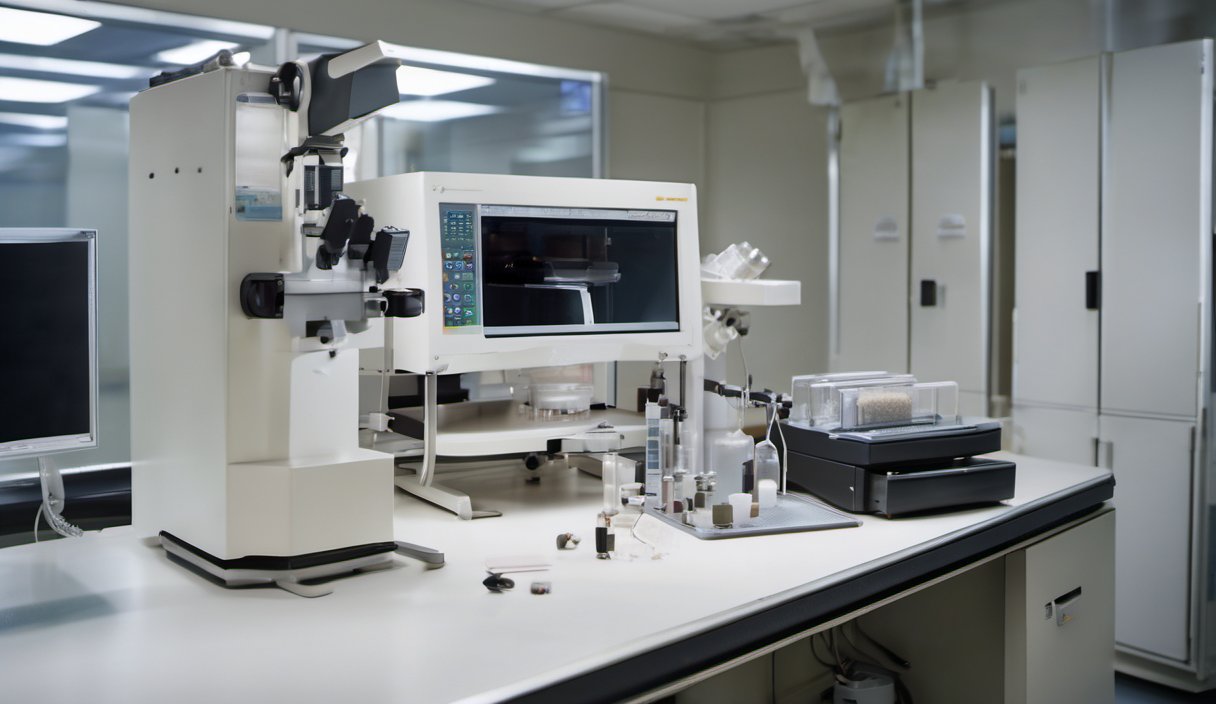
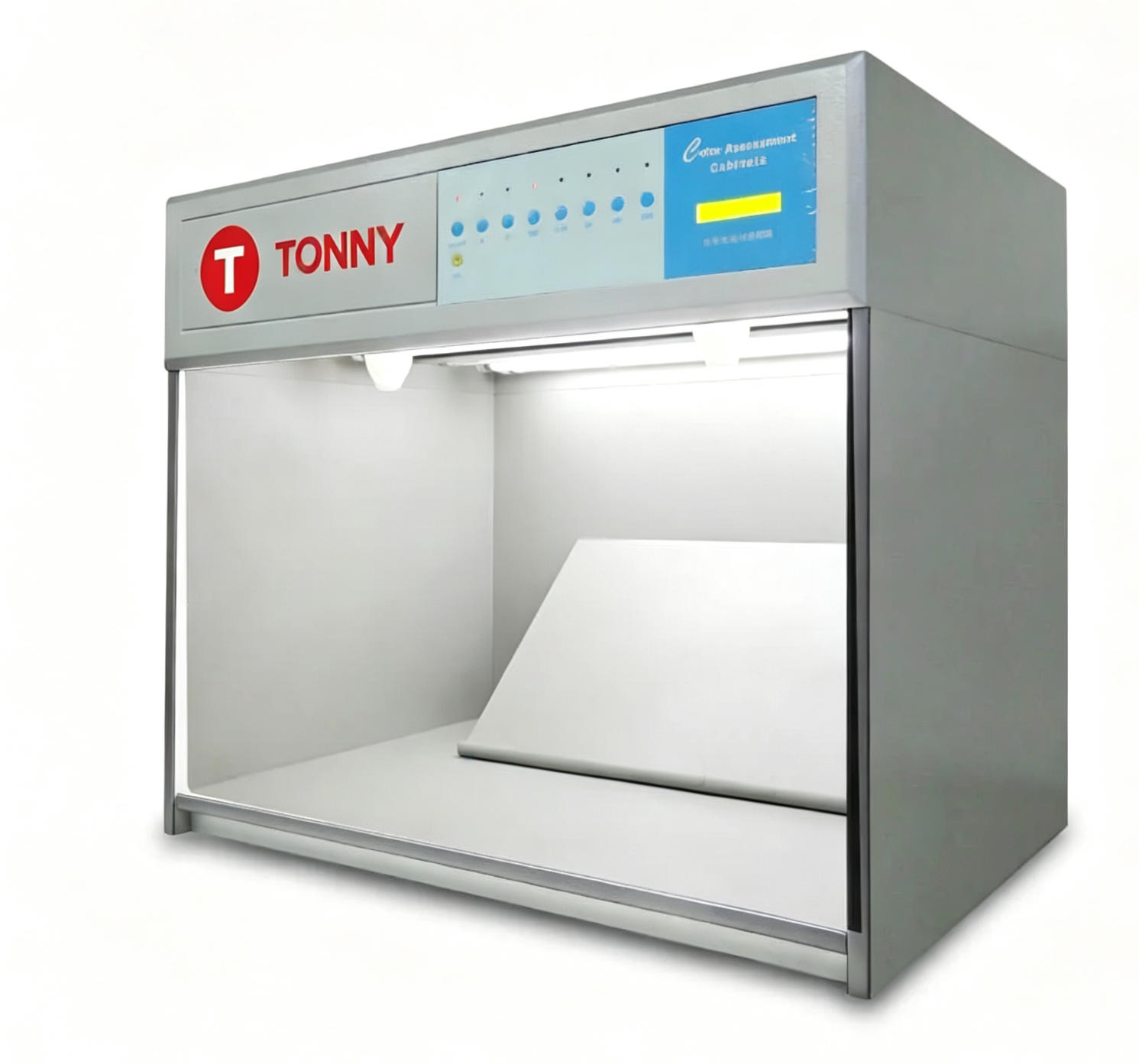
The Color Matching Cabinet /B/C/D (TNG1031) is a suitable instrument for testing in accordance with ASTM D1729 due to its precise light source configurations and power supply compatibility.
Understanding Light Source Specifications in ASTM D1729
ASTM D1729 outlines the procedures for determining the color fastness of dyed or printed fabrics to light. A critical aspect of this standard is the use of standardized light sources to simulate different lighting conditions. The TNG1031 Color Matching Cabinet /B/C/D provides multiple light source options, including D65, TL84, CWF, F/A, UV, and U30. These light sources are essential for replicating natural daylight, fluorescent lighting, and UV exposure, which are all specified in the standard.
For example, the D65 light source is used to simulate daylight at noon in the northern hemisphere, which is a common condition for assessing color fastness. The specification for D65 is crucial because it ensures that the test results are consistent and comparable across different laboratories. Similarly, the TL84 light source is used to simulate fluorescent lighting, which is prevalent in many indoor environments. By including both D65 and TL84, the TNG1031 allows for a comprehensive evaluation of color fastness under various lighting conditions, as required by ASTM D1729.
Power Supply Compatibility and Testing Environment
Another important specification for the TNG1031 is its power supply compatibility, which is listed as 220/110 V at 50/60 Hz. This dual-voltage capability ensures that the instrument can be used in a wide range of geographical locations without the need for additional voltage conversion equipment. The 50/60 Hz frequency specification is also critical, as it ensures that the instrument operates within the standard electrical frequency ranges used in both North America and Europe.
This power supply specification is vital for maintaining the stability and accuracy of the light sources during testing. Variations in voltage or frequency can affect the intensity and spectrum of the light emitted, which in turn can impact the color fastness results. By adhering to the 220/110 V and 50/60 Hz specifications, the TNG1031 ensures that the testing environment remains consistent, thereby supporting the reliability of the test results as required by ASTM D1729.
Interpreting Specification Tables for Test Setup
When reading a specification table for an instrument like the TNG1031, it is important to identify the key parameters that directly relate to the test standard. For instance, the light source options listed in the specifications are directly tied to the lighting conditions specified in ASTM D1729. Each light source corresponds to a specific type of illumination that must be used in the test setup to ensure accurate and reproducible results.
Similarly, the power supply specifications are critical for ensuring that the instrument operates within the required electrical parameters. These specifications help in setting up the testing environment correctly, which is essential for maintaining the integrity of the test results. By carefully interpreting these specification tables, users can ensure that their testing procedures are aligned with the requirements of ASTM D1729, thereby enhancing the accuracy and reliability of their color fastness assessments.
Instrument models referenced
- TNG1031 Color Matching Cabinet /B/C/D (Colour Fastness Testing). Published specifications include Item/Model Light Sources; D65, TL84, CWF, F/A,UV, U30; D65, TL84, CWF, F, A, UV, U30.
Editorial note. This application note summarises the published scope of the standard and our documented model data. Configuration requirements vary between standard editions, and instruments support a method only with the appropriate fixtures and accessories. Please confirm the required configuration against the applicable edition of the standard before ordering; conformity of a given test result also depends on the specimen and the procedure followed.
Instruments referenced
Test standards referenced
Need the instrument for this method?
Send the standard number and the material. We reply with the matching model, its full specification table and a quotation.