Preparing for AATCC 66 testing: from method to instrument setup
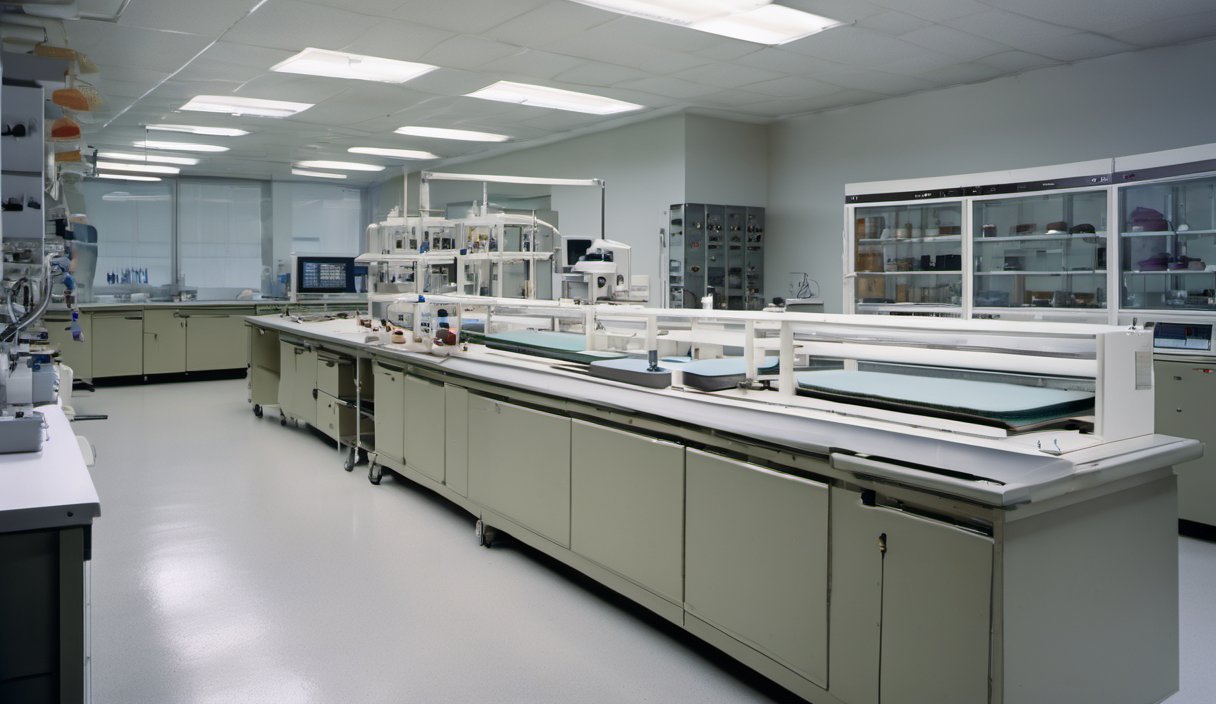
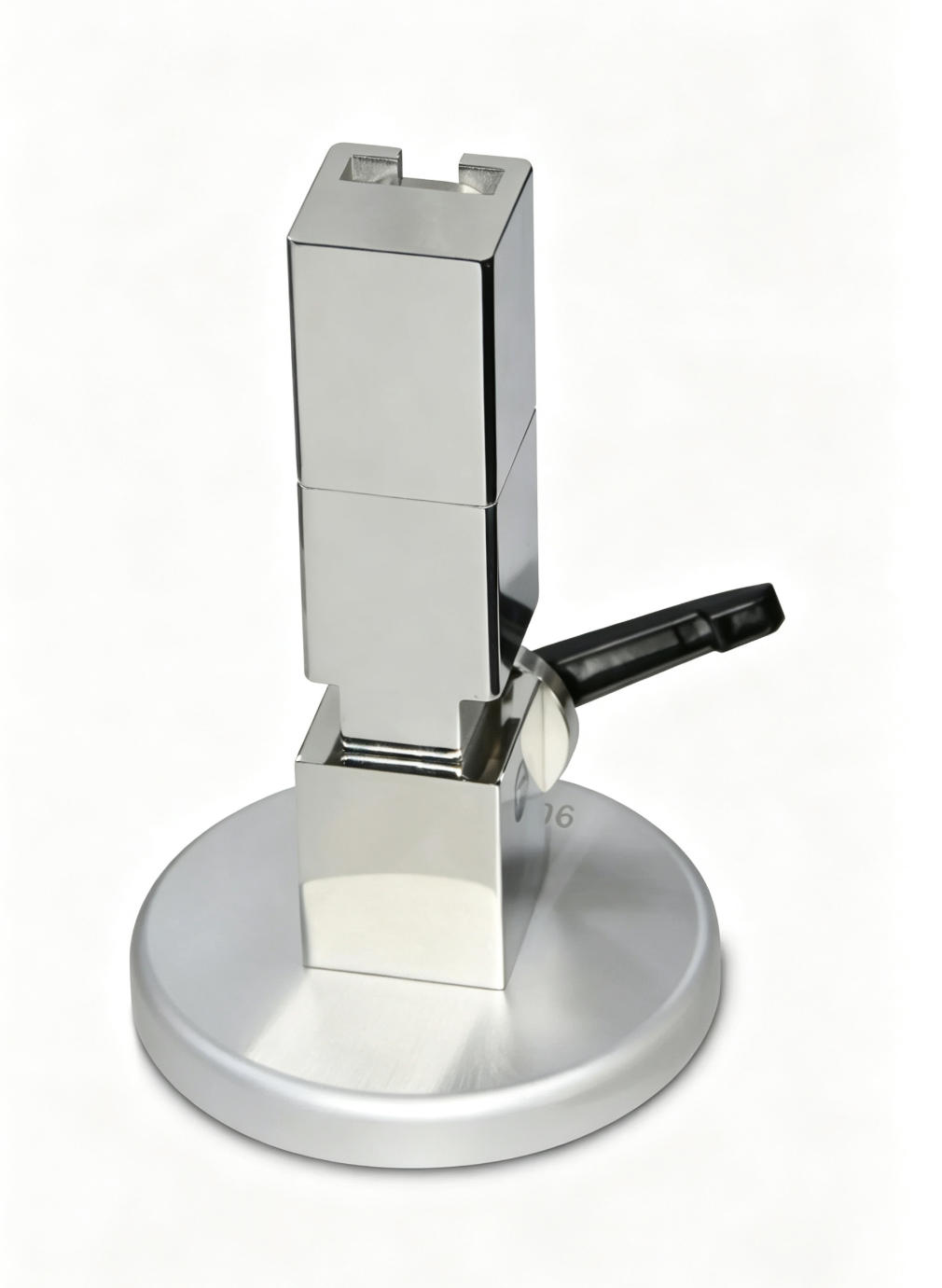
The Crease Recovery Tester (TNG1087) is the essential instrument for compliance with AATCC 66, offering precise control over test parameters to ensure accurate measurement of fabric crease recovery.
Confirming the Method Code
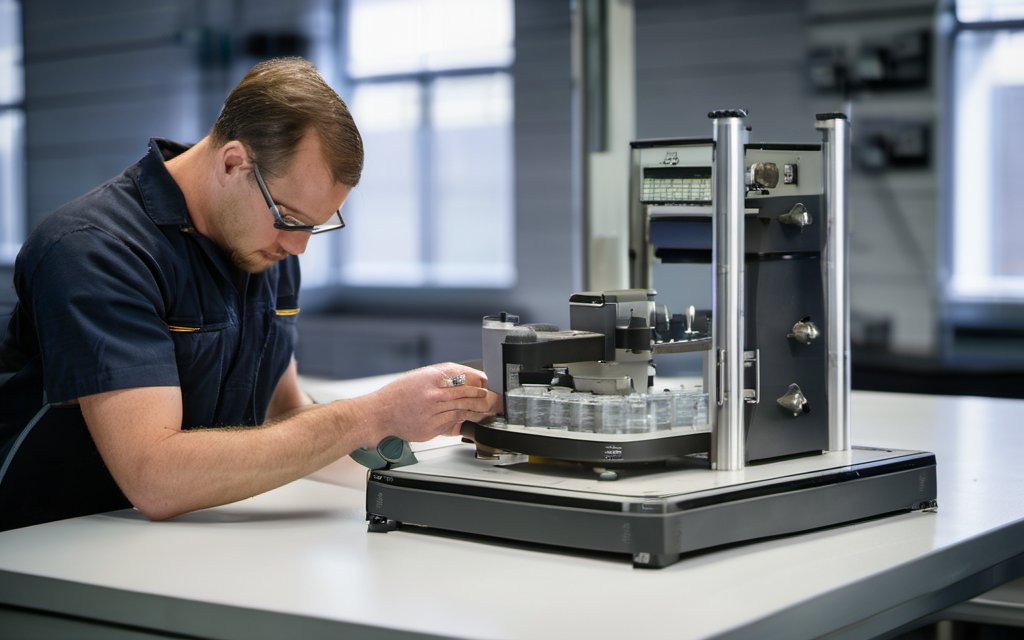
Before procurement, it is critical to verify that the test method aligns with AATCC 66. This standard specifies the procedure for evaluating the recovery of fabric from creasing, which is essential for assessing fabric quality and performance in real-world conditions. The TNG1087 is specifically designed for this purpose, and its compliance with AATCC 66 is explicitly stated in its specifications. Ensuring that the method code matches the standard is the first step in selecting the correct instrument.
Identifying the Required Measuring Range
The TNG1087 has a specified weight capacity of 4.5 kg, which is crucial for accurately simulating the forces applied during crease recovery testing. This weight ensures that the test conditions are consistent with those defined in AATCC 66, allowing for reliable and repeatable results. Additionally, the instrument's test length is set at 250 mm, which corresponds to the standard's requirement for the distance between the clamps. These specifications ensure that the instrument can perform the test within the required parameters, providing data that is both valid and comparable across different samples and laboratories.
Checking the Published Specification Table
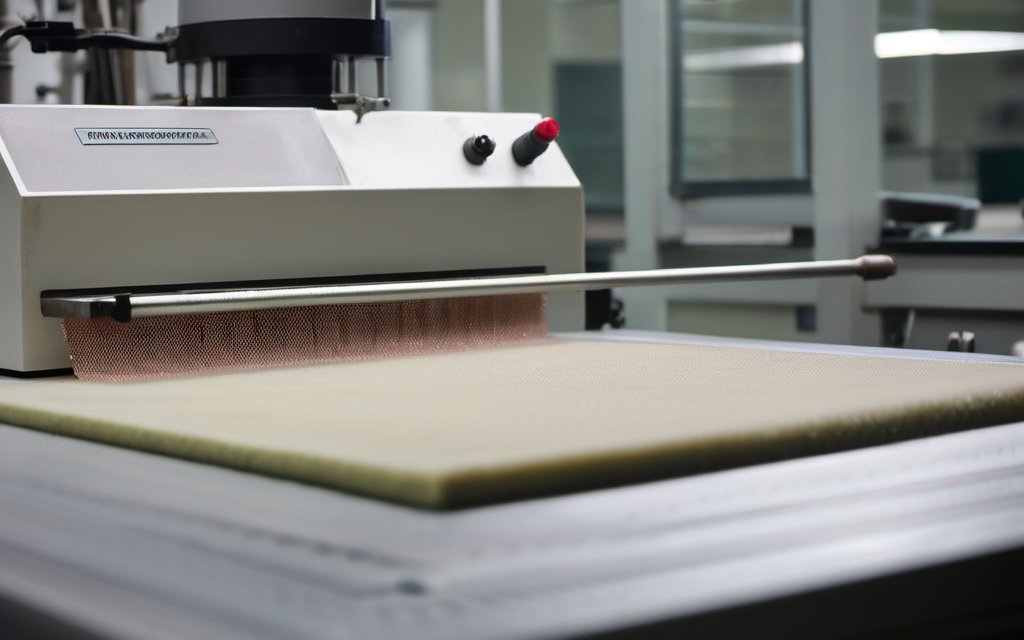
The TNG1087's specifications, including its weight capacity and test length, are clearly listed in the manufacturer's published tables. These values are directly tied to the AATCC 66 standard, ensuring that the instrument is suitable for the intended application. By cross-referencing the instrument's specifications with the standard's requirements, procurement teams can confirm that the selected model meets all necessary criteria. This step is vital for ensuring that the instrument will function correctly and produce data that is recognized and accepted within the industry.
Requesting a Quotation
Once the method code, measuring range, and specifications have been verified, the next step is to request a quotation. The quotation should include details about the TNG1087 model, its specifications, and its compliance with AATCC 66. This information ensures that the procurement process is transparent and that the selected instrument is both appropriate and cost-effective for the intended testing needs. Always confirm that the quotation reflects the exact model number and specifications provided in the manufacturer's documentation.
Instrument models referenced
- TNG1087 Crease Recovery Tester (Flexing Testing). Published specifications include Length: 250 mm; Standard:ISO 2313-1 AATCC 66.
Editorial note. This application note summarises the published scope of the standard and our documented model data. Configuration requirements vary between standard editions, and instruments support a method only with the appropriate fixtures and accessories. Please confirm the required configuration against the applicable edition of the standard before ordering; conformity of a given test result also depends on the specimen and the procedure followed.
Instruments referenced
Test standards referenced
Need the instrument for this method?
Send the standard number and the material. We reply with the matching model, its full specification table and a quotation.