AATCC 66 testing: the specifications that decide the fit
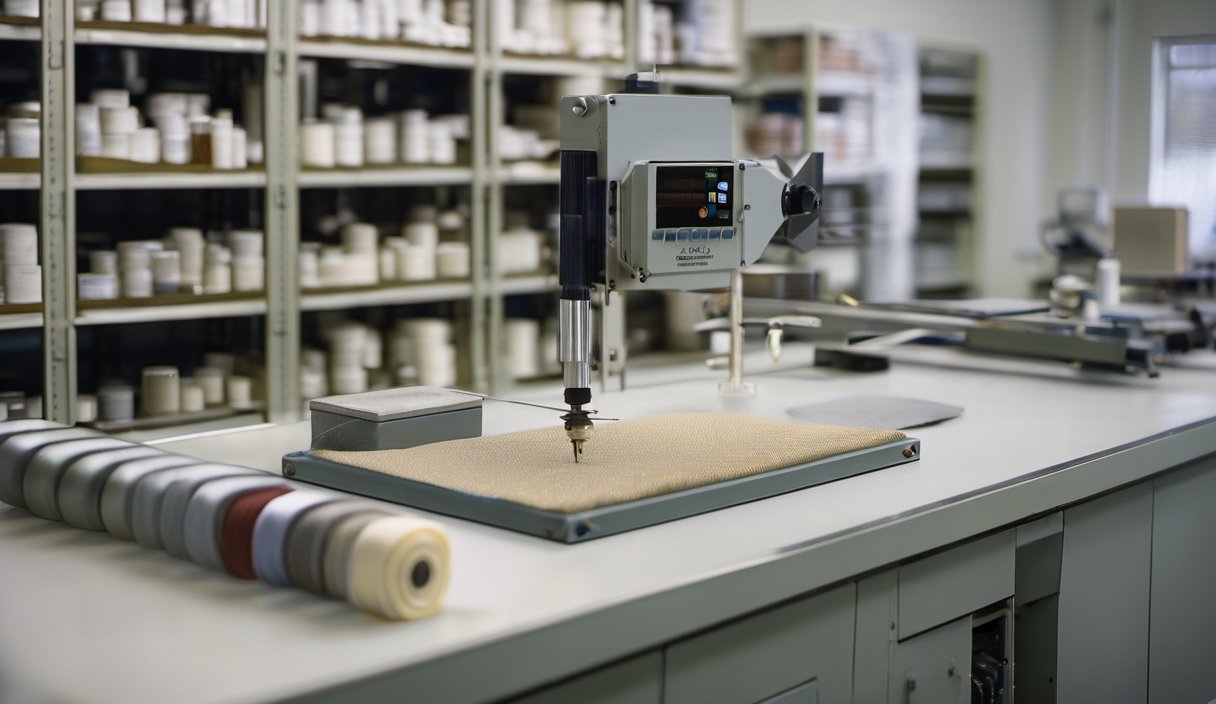
The Crease Recovery Tester (TNG1087) is designed to meet the requirements of AATCC 66, providing accurate and repeatable measurements of fabric crease recovery.
Understanding Specification Tables
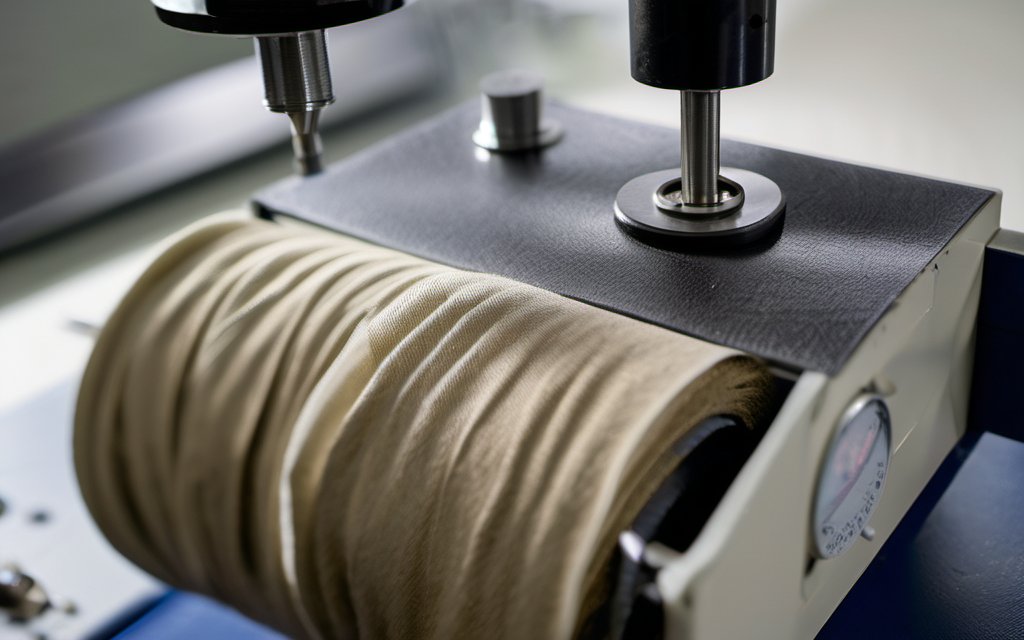
Reading a specification table is essential for ensuring that an instrument meets the required standards for testing. Each label in the table represents a specific parameter that affects the accuracy and reliability of the test results. For instance, the TNG1087 Crease Recovery Tester has a specification labeled "Length:" with a value of "250 mm." This measurement is critical because it determines the distance over which the fabric is folded and then allowed to recover. A consistent length ensures that the test is conducted under uniform conditions, which is necessary for comparing results across different samples and laboratories.
Another important specification is "4.5 kg," which refers to the weight of the mass used to apply pressure to the folded fabric. This weight is crucial because it simulates the force that a fabric might experience during normal use, such as when a person folds a piece of clothing. The 4.5 kg mass ensures that the test conditions are representative of real-world scenarios, thereby enhancing the relevance and applicability of the test results.
Compliance with AATCC 66
The TNG1087 is specifically designed to comply with AATCC 66, which outlines the procedures for determining the crease recovery of fabrics. This standard requires that the test be conducted using a specified method to ensure consistency and comparability of results. The "Standard:ISO 2313-1" specification indicates that the instrument is also compliant with the ISO standard, which further validates its use in international testing environments.
The "Length:" specification of 250 mm is directly aligned with the requirements of AATCC 66, as it ensures that the fabric is folded to a consistent dimension before the test. This consistency is vital for obtaining reliable data, as variations in the fold length can lead to discrepancies in the measurement of crease recovery. Similarly, the 4.5 kg mass is specified to apply a uniform pressure, which is necessary for the accurate assessment of how well the fabric recovers from a crease.
Practical Application in Testing
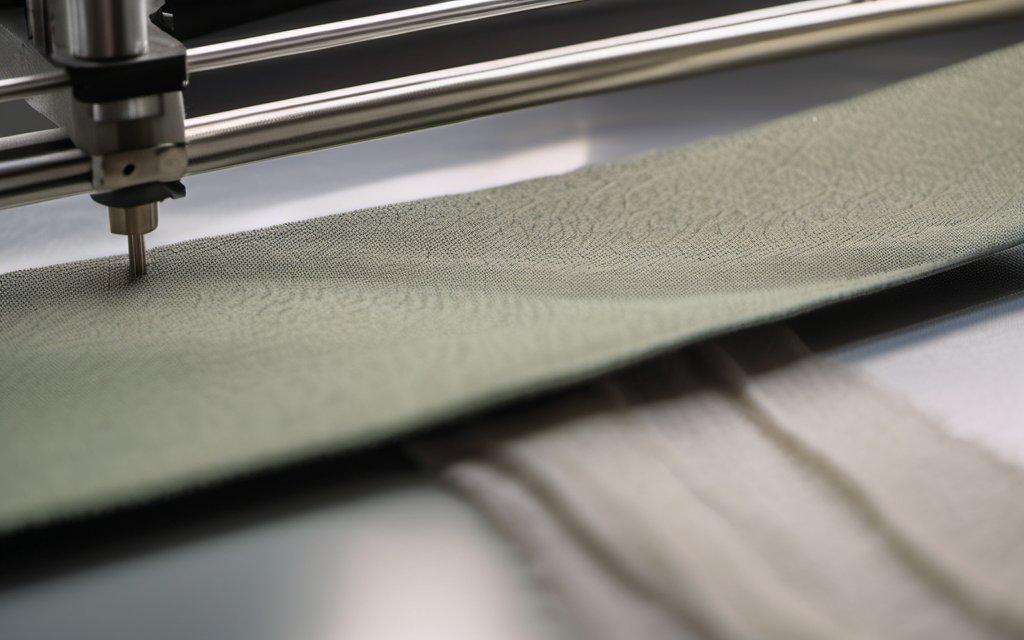
In a laboratory setting, the TNG1087's specifications are used to set up the test environment correctly. The 250 mm length ensures that the fabric is folded to the required dimension, while the 4.5 kg mass applies the necessary pressure to simulate real-world conditions. These specifications are not arbitrary; they are based on extensive research and industry standards to ensure that the test results are both accurate and meaningful. By adhering to these specifications, laboratories can confidently use the TNG1007 to conduct tests that meet the requirements of AATCC 66, providing valuable insights into the performance of textiles under various conditions.
Instrument models referenced
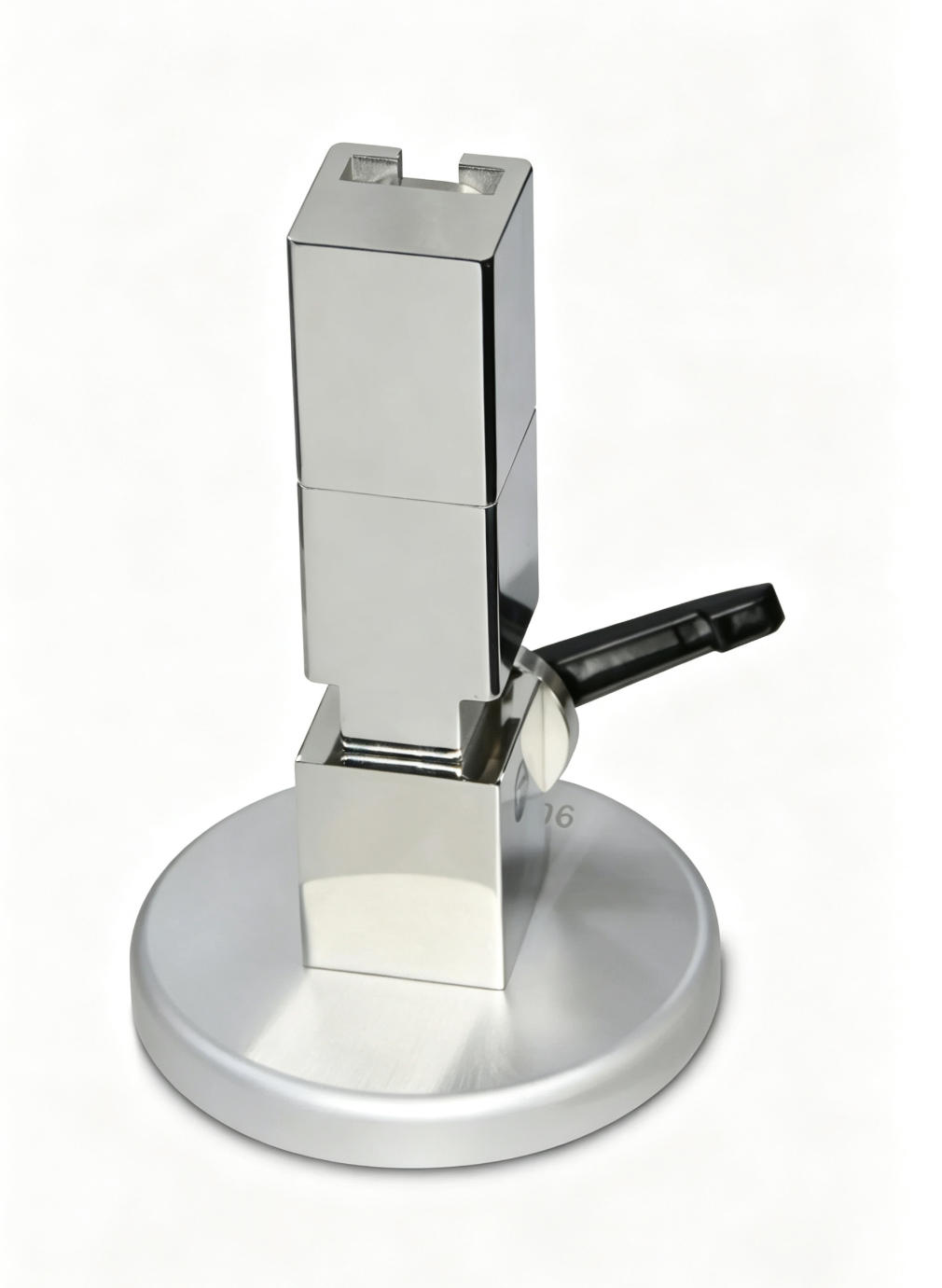
- TNG1087 Crease Recovery Tester (Flexing Testing). Published specifications include Length: 250 mm; Standard:ISO 2313-1 AATCC 66.
Editorial note. This application note summarises the published scope of the standard and our documented model data. Configuration requirements vary between standard editions, and instruments support a method only with the appropriate fixtures and accessories. Please confirm the required configuration against the applicable edition of the standard before ordering; conformity of a given test result also depends on the specimen and the procedure followed.
Instruments referenced
Test standards referenced
Need the instrument for this method?
Send the standard number and the material. We reply with the matching model, its full specification table and a quotation.