AATCC 66: which instrument fits and how to decide
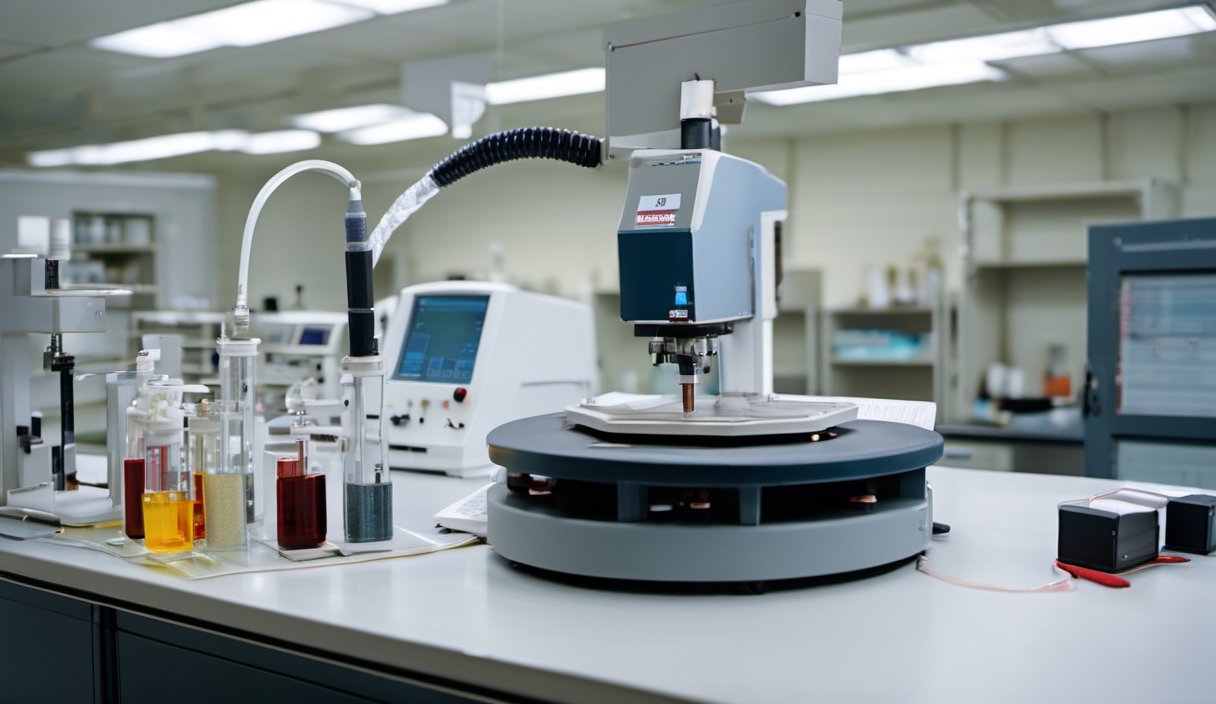
The Crease Recovery Tester (TNG1087) is the recommended instrument for testing in accordance with AATCC 66, as it meets the required specifications for flexing testing.
Matching Specifications to AATCC 66
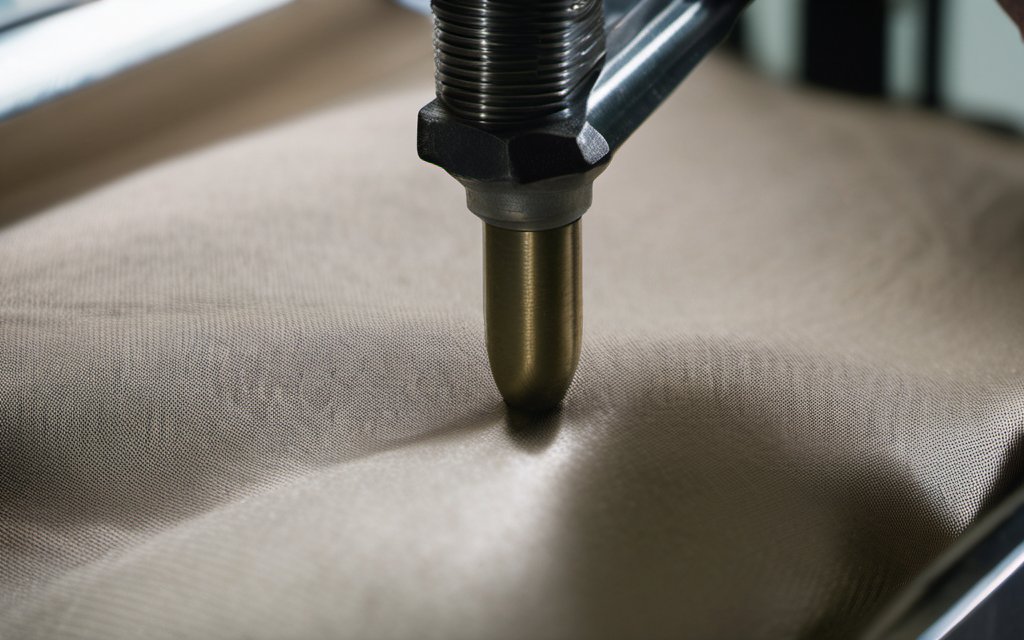
AATCC 66 outlines the procedures for determining the crease recovery angle of textile fabrics. This standard is crucial for evaluating how well a fabric recovers from creasing, which is an important factor in assessing fabric quality and performance. When selecting an instrument to perform this test, it is essential to match the instrument's specifications with the requirements of the standard. The Crease Recovery Tester (TNG1087) is specifically designed for this purpose and includes several key specifications that align with AATCC 66.
One of the critical specifications for the TNG1087 is its load capacity of 4.5 kg. This value ensures that the instrument can apply the necessary force to simulate the creasing process accurately. The 4.5 kg load is in line with the standard's requirement for consistent and reproducible results. Another important specification is the length of 250 mm, which corresponds to the standard's requirement for the length of the test specimen. This ensures that the test is conducted under uniform conditions, enhancing the reliability of the results.
Instrument Specifications and Their Relevance to AATCC 66
The TNG1087's adherence to the standard AATCC 66 is further supported by its compliance with ISO 2313-1. This international standard provides additional guidelines that complement AATCC 66, ensuring that the testing process is consistent across different laboratories and regions. The integration of ISO 2313-1 into the TNG1087's specifications demonstrates the instrument's versatility and reliability in meeting global testing standards.
The 4.5 kg load capacity and 250 mm length are not arbitrary values; they are carefully chosen to replicate the conditions specified in AATCC 66. These specifications ensure that the test results are not only accurate but also comparable across different testing environments. By using the TNG1087, laboratories can confidently produce data that meets the requirements of AATCC 66, facilitating quality control and product development in the textile industry.
Conclusion and Instrument Selection
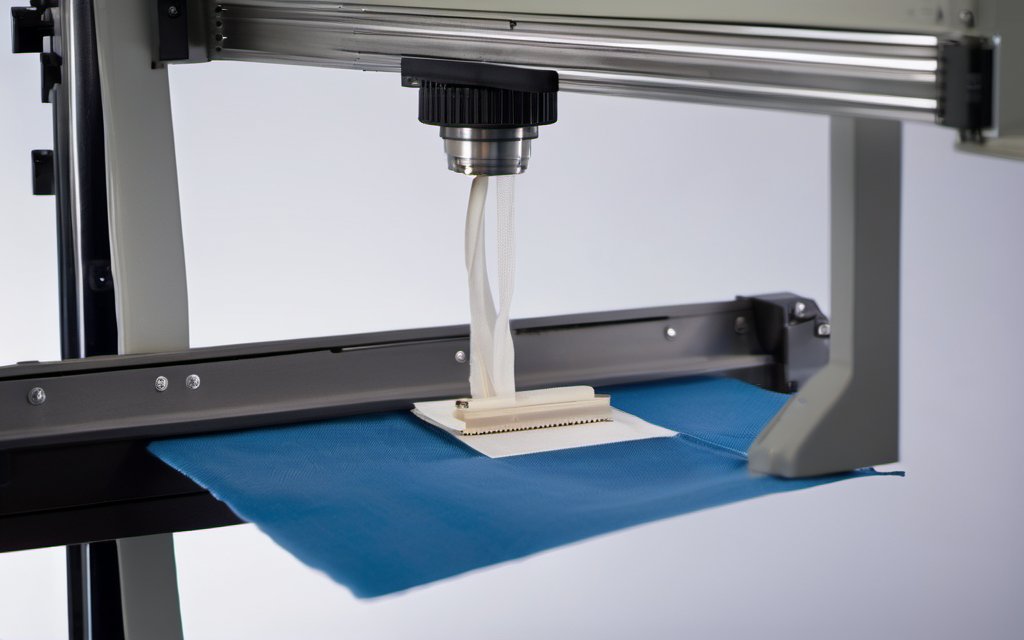
In conclusion, the Crease Recovery Tester (TNG1087) is the most suitable instrument for testing in accordance with AATCC 66 due to its precise specifications and alignment with the standard's requirements. The 4.5 kg load and 250 mm length are essential for ensuring accurate and reproducible results. When selecting an instrument for this test, it is crucial to verify that it meets these specifications, as they directly support the testing procedures outlined in AATCC 66. The TNG1087's compliance with both AATCC 66 and ISO 2313-1 further reinforces its suitability for this application.
Instrument models referenced
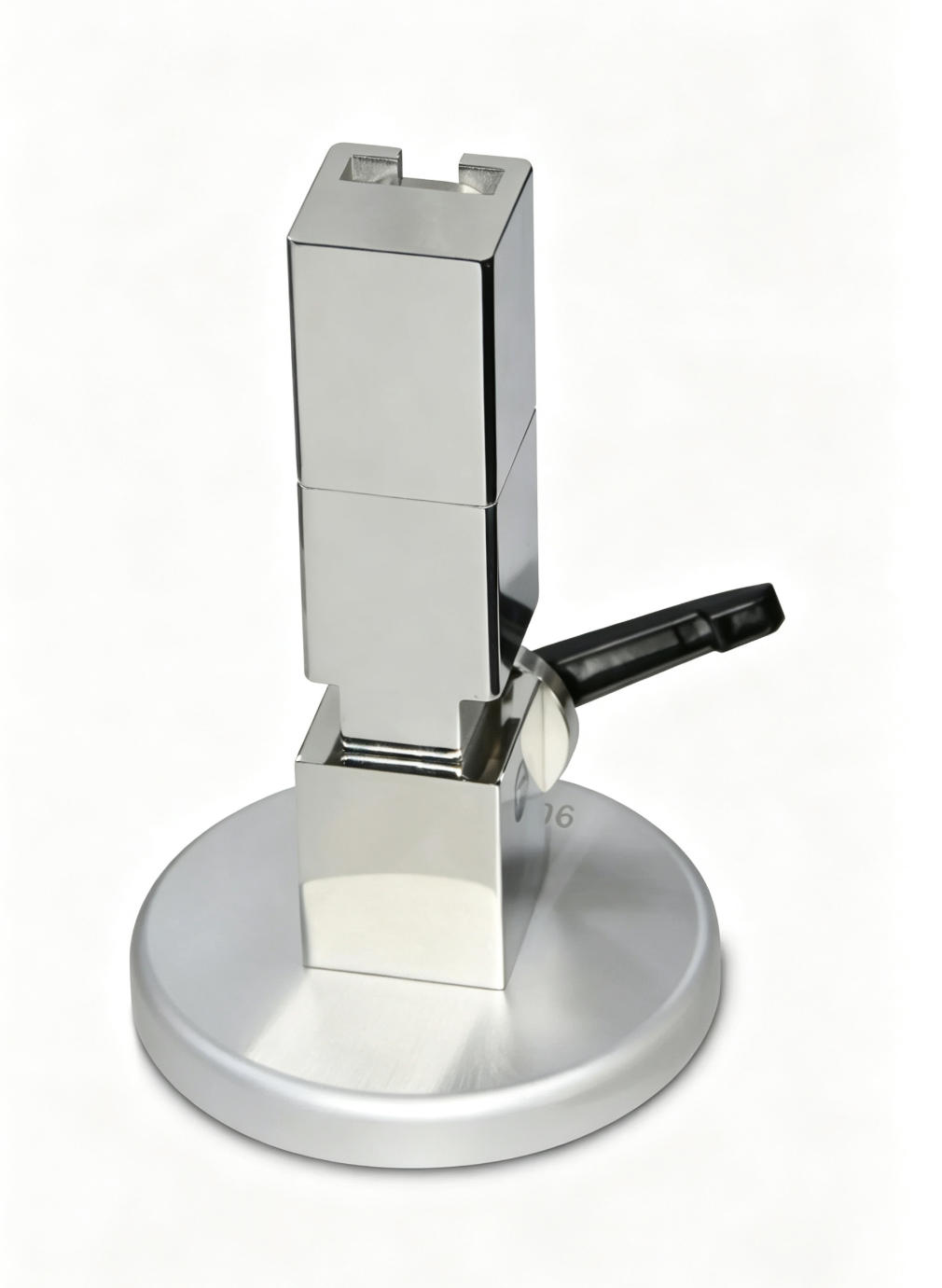
- TNG1087 Crease Recovery Tester (Flexing Testing). Published specifications include Length: 250 mm; Standard:ISO 2313-1 AATCC 66.
Editorial note. This application note summarises the published scope of the standard and our documented model data. Configuration requirements vary between standard editions, and instruments support a method only with the appropriate fixtures and accessories. Please confirm the required configuration against the applicable edition of the standard before ordering; conformity of a given test result also depends on the specimen and the procedure followed.
Instruments referenced
Test standards referenced
Need the instrument for this method?
Send the standard number and the material. We reply with the matching model, its full specification table and a quotation.