Finding AATCC 66 equipment through Flexing
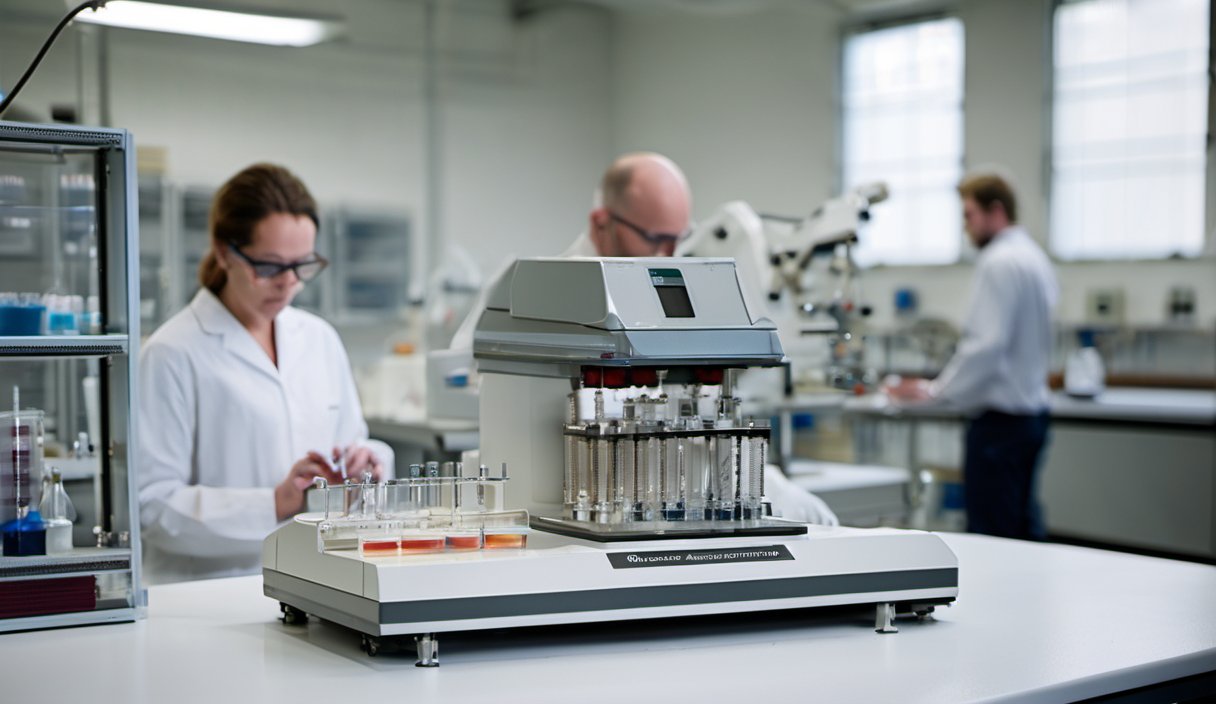
The Crease Recovery Tester (TNG1087) is the appropriate instrument for performing tests in accordance with AATCC 66, which evaluates the crease recovery angle of textile fabrics.
Understanding AATCC 66 and Its Testing Requirements
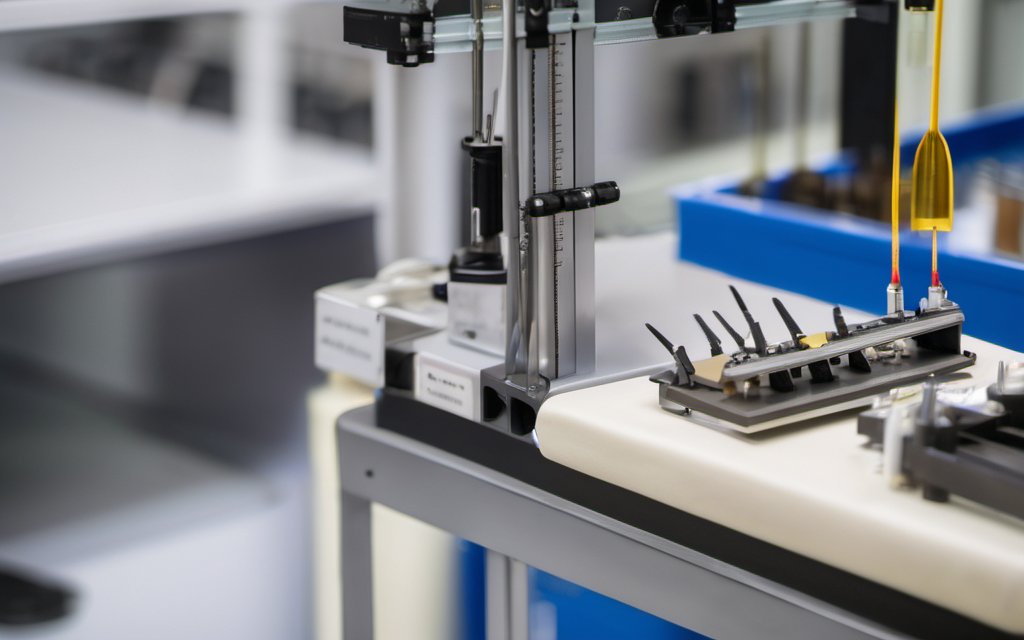
AATCC 66 is a widely recognized standard that measures the crease recovery angle of woven and knitted fabrics. This test is crucial for assessing how well a fabric can recover from creasing, which directly impacts the fabric's appearance and usability in garments. The standard requires a controlled environment and precise mechanical action to simulate the creasing and recovery process. The test method involves applying a specific force to a fabric sample and measuring the angle of recovery after the force is removed.
The Role of the Crease Recovery Tester (TNG1087) in Meeting AATCC 66
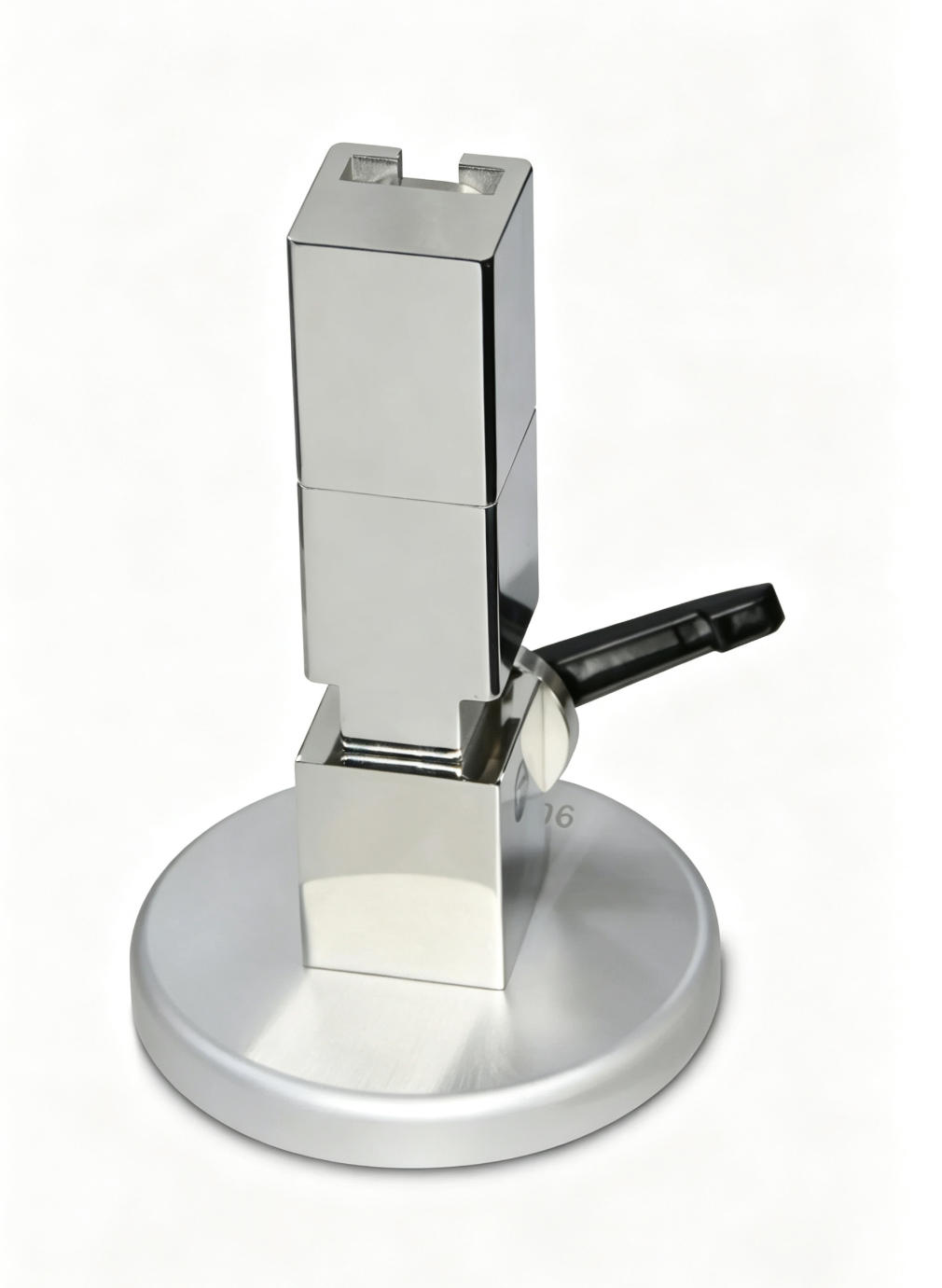
The TNG1087 Crease Recovery Tester is specifically designed for the testing requirements outlined in AATCC 66. It falls under the category of Flexing Testing, which includes instruments that apply mechanical stress to materials to evaluate their physical properties. The TNG1087 is equipped with a 4.5 kg weight, ensuring the correct force is applied to the fabric sample during the test. Additionally, the tester has a length of 250 mm, which is essential for accurately positioning and measuring the fabric sample. These specifications are directly aligned with the requirements of AATCC 66, ensuring that the test results are reliable and repeatable.
Key Specifications and Their Significance in Testing AATCC 66
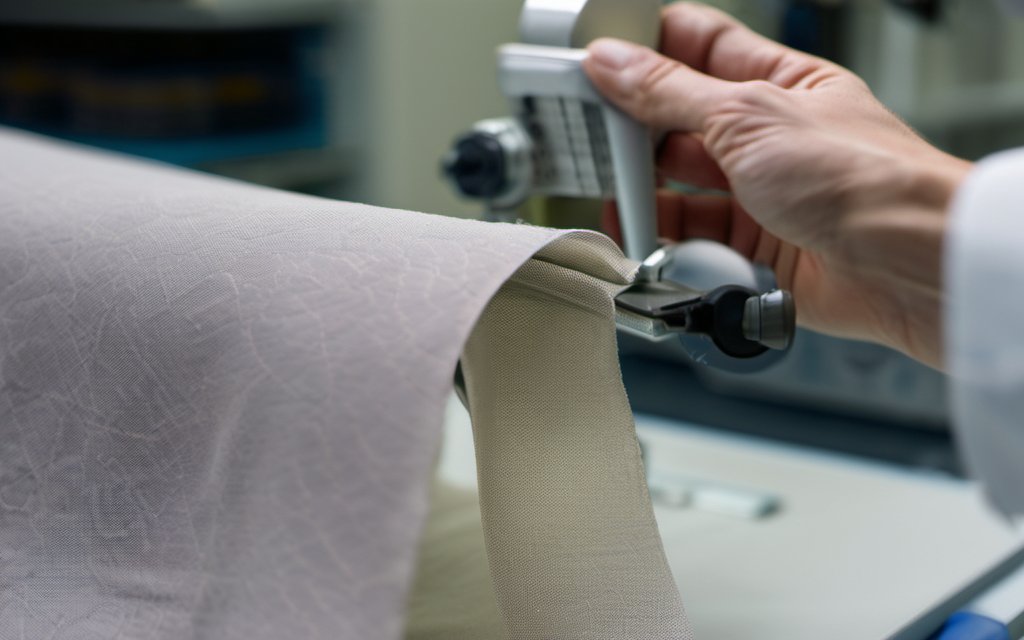
The 4.5 kg weight on the TNG1087 is critical for applying the standardized force required by AATCC 66. This ensures that the creasing action is consistent across all test samples, allowing for accurate comparisons. The 250 mm length of the tester is also vital, as it provides the correct dimensions for the fabric sample, ensuring that the measurement of the crease recovery angle is precise. These specifications are not arbitrary; they are based on the standard's requirements and are necessary for obtaining valid and reproducible test results. By adhering to these specifications, the TNG1087 ensures that the testing process is both compliant with AATCC 66 and scientifically sound.
Instrument models referenced
- TNG1087 Crease Recovery Tester (Flexing Testing). Published specifications include Length: 250 mm; Standard:ISO 2313-1 AATCC 66.
Editorial note. This application note summarises the published scope of the standard and our documented model data. Configuration requirements vary between standard editions, and instruments support a method only with the appropriate fixtures and accessories. Please confirm the required configuration against the applicable edition of the standard before ordering; conformity of a given test result also depends on the specimen and the procedure followed.
Instruments referenced
Test standards referenced
Need the instrument for this method?
Send the standard number and the material. We reply with the matching model, its full specification table and a quotation.