AATCC 128 testing: the specifications that decide the fit
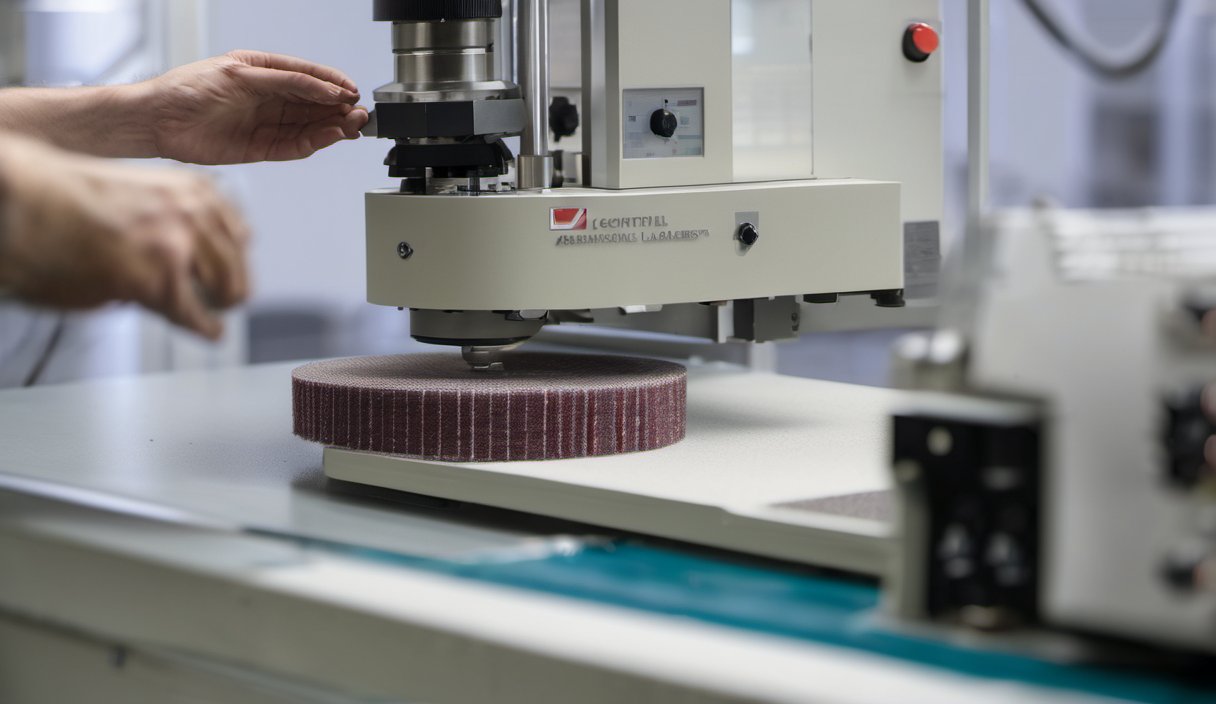
The AATCC Wrinkle Recovery Tester (TNG1088) is designed to meet the requirements of AATCC 128, ensuring accurate and repeatable results for wrinkle recovery testing in textiles.
Understanding Specification Tables
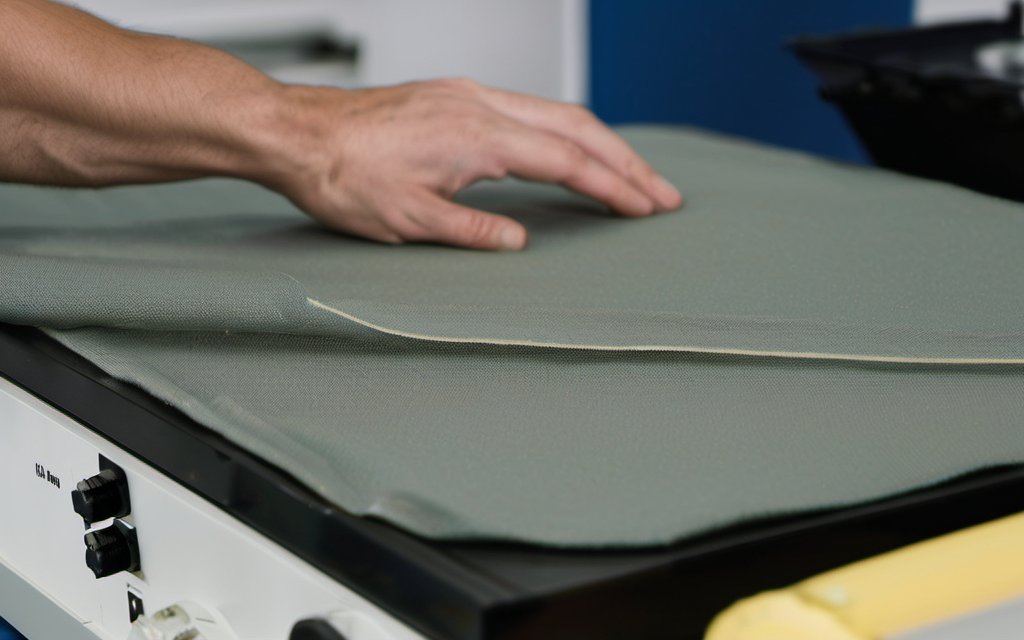
Reading a specification table is essential for selecting the right instrument for a given standard. Each label and value pair provides critical information about the instrument's capabilities and limitations. For instance, the TNG1088 has a specification labeled "5 kg" with a value indicating the maximum load it can handle. This value is crucial because it ensures the instrument can apply the necessary force during testing without exceeding mechanical limits, which could compromise data accuracy. Another important specification is "φ" with a value of "150 mm," which refers to the diameter of the testing surface. This dimension is vital for maintaining consistent contact between the fabric sample and the testing surface, ensuring uniform stress application and reliable results.
Instrument Specifications and Standard Compliance
The TNG1088 is specifically designed to comply with AATCC 128, which outlines the procedures for determining the wrinkle recovery angle of fabrics. The "Standards" specification clearly states "AATCC 128," confirming the instrument's alignment with this standard. This alignment is essential for laboratories that require adherence to specific testing protocols, ensuring that results are comparable across different testing environments. Additionally, the "Optional standard" specification lists "ENKA 3061," which allows the instrument to be used for alternative testing methods if required. This flexibility is beneficial for laboratories that may need to conduct tests according to multiple standards, enhancing the instrument's versatility.
Ensuring Accurate and Repeatable Results
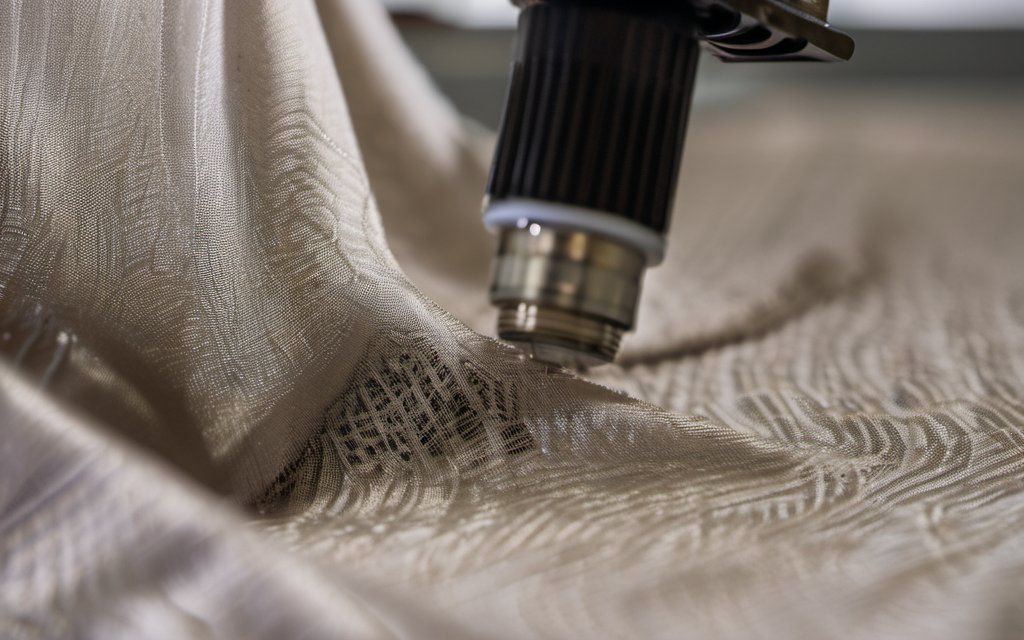
The specifications of the TNG1088 are not just numerical values; they are integral to the testing process. The "5 kg" load capacity ensures that the instrument can handle the required force for wrinkle recovery testing, preventing any potential damage to the sample or the testing apparatus. The "φ" value of "150 mm" helps ensure that the testing surface is appropriately sized to accommodate standard fabric samples, ensuring that the applied force is distributed evenly. These specifications collectively support the accuracy and repeatability of test results, which are fundamental to meeting the requirements of AATCC 128. By adhering to these specifications, the TNG1088 provides a reliable tool for laboratories conducting wrinkle recovery testing, ensuring that the data collected is both valid and consistent.
Instrument models referenced
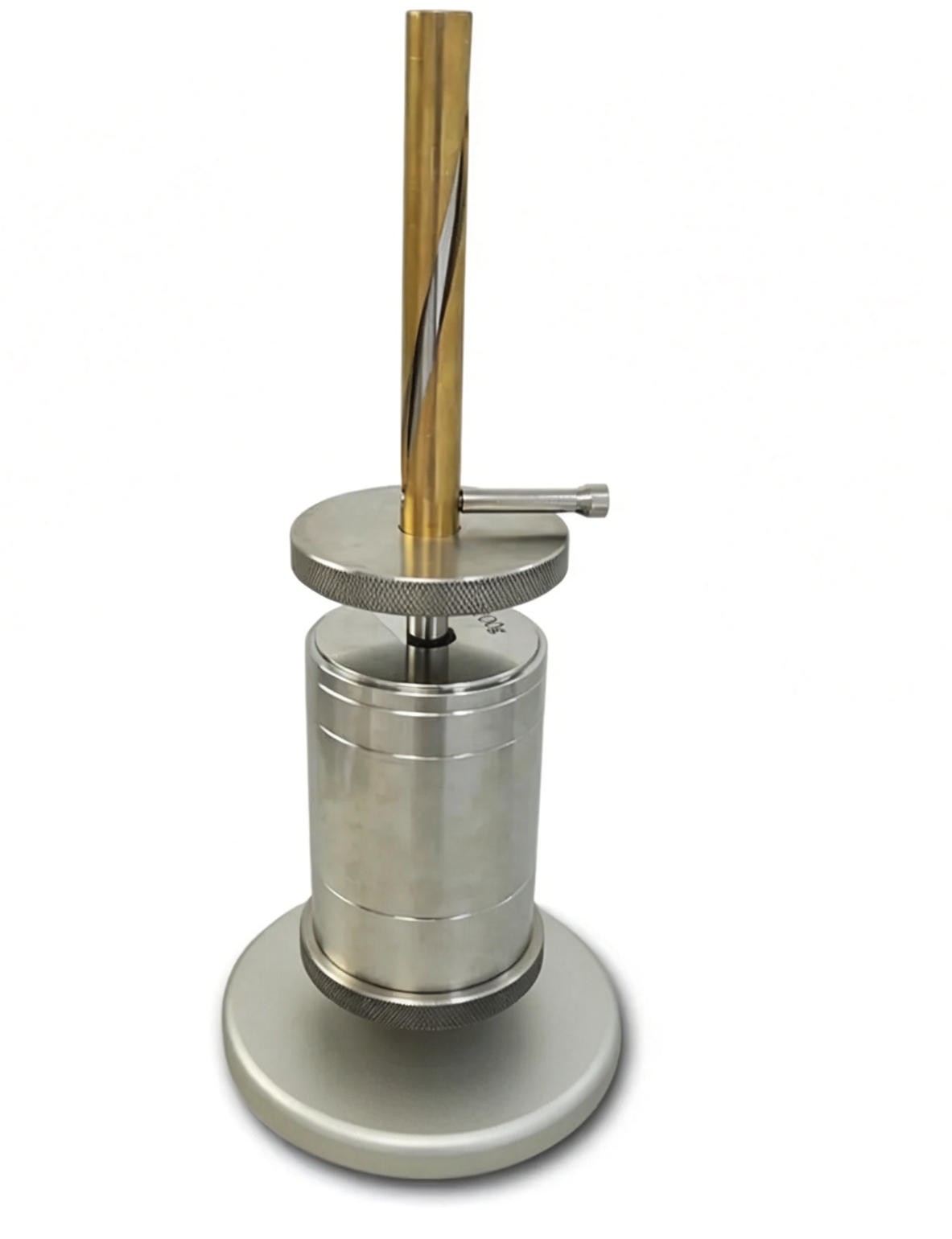
- TNG1088 AATCC Wrinkle Recovery Tester (Flexing Testing). Published specifications include φ 150 mm; Standards AATCC 128.
Editorial note. This application note summarises the published scope of the standard and our documented model data. Configuration requirements vary between standard editions, and instruments support a method only with the appropriate fixtures and accessories. Please confirm the required configuration against the applicable edition of the standard before ordering; conformity of a given test result also depends on the specimen and the procedure followed.
Instruments referenced
Test standards referenced
Need the instrument for this method?
Send the standard number and the material. We reply with the matching model, its full specification table and a quotation.