AATCC 119: which instrument fits and how to decide
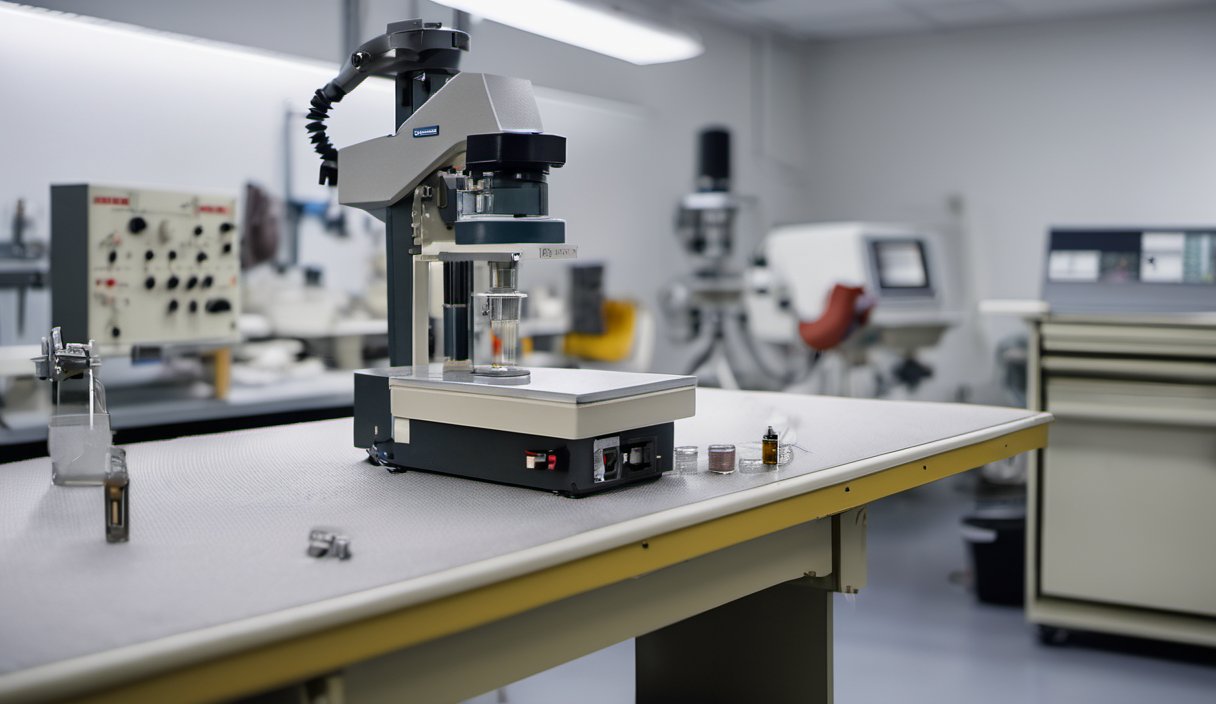
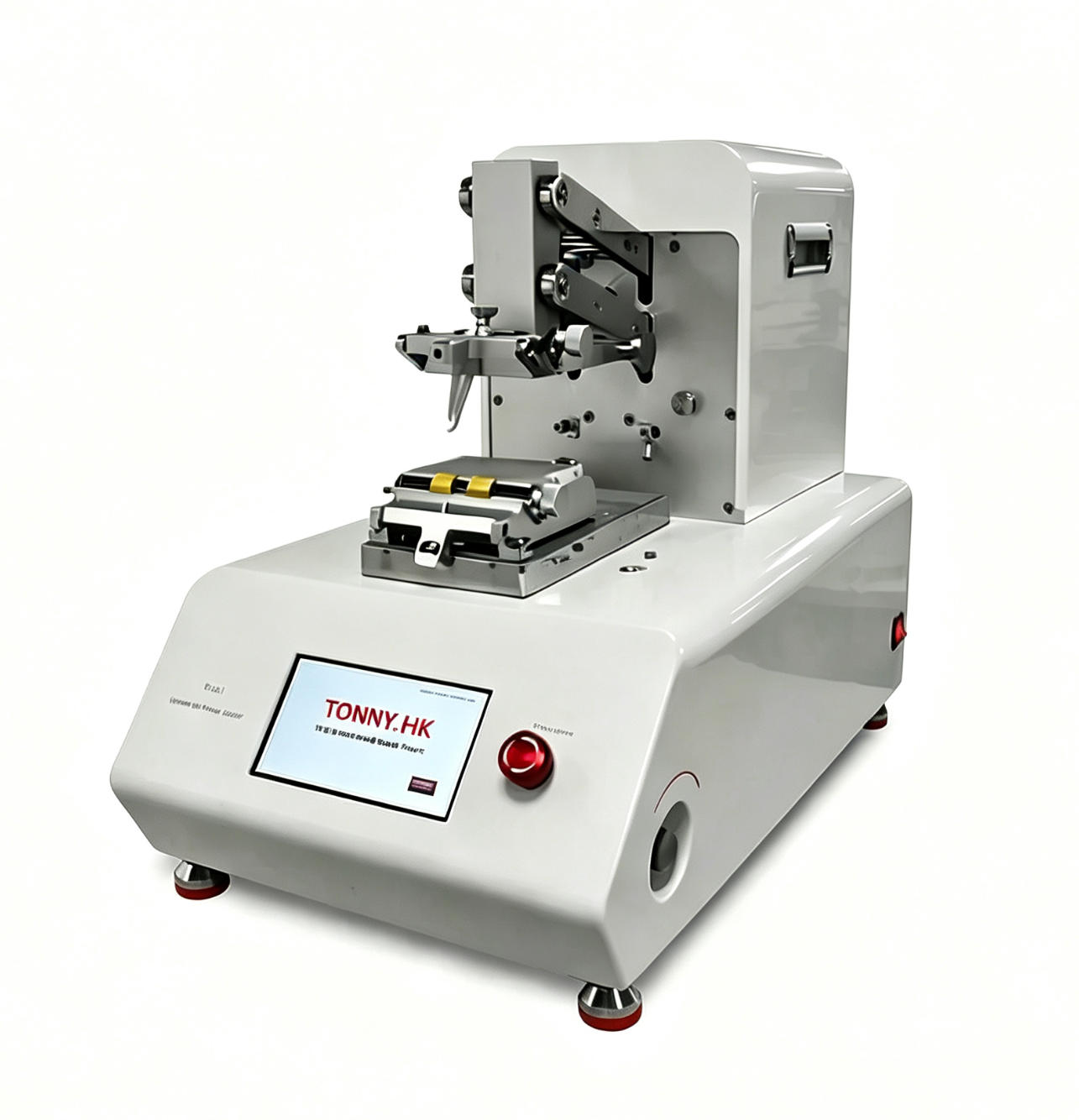
The Universal Wear Tester (TNG1003) is the recommended instrument for compliance with AATCC 119 due to its precise specifications and alignment with the standard's testing requirements.
Matching Instrument Specifications to AATCC 119
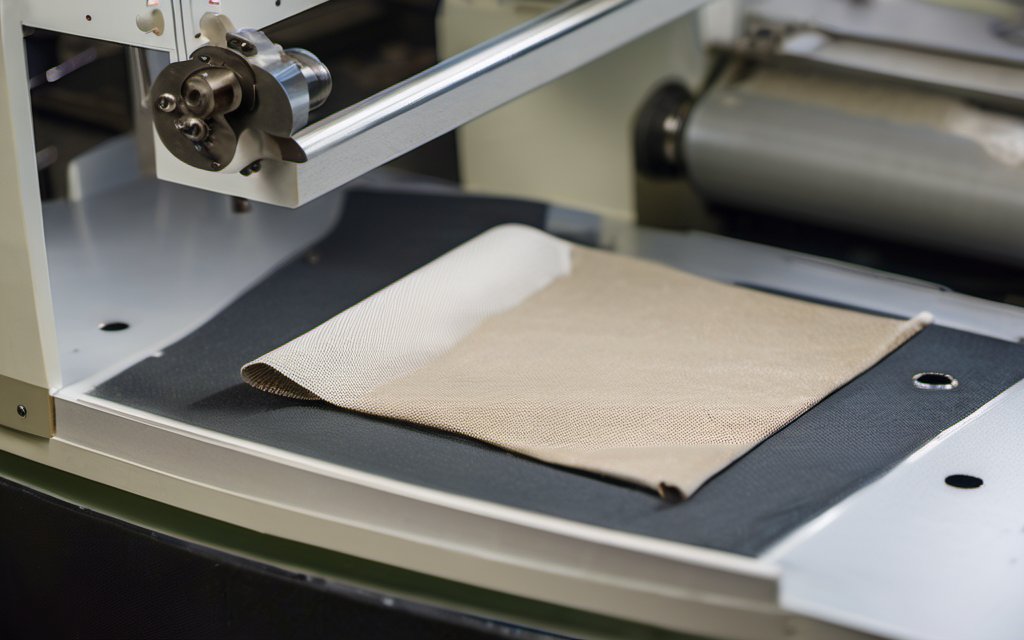
AATCC 119 outlines the procedures for evaluating the abrasion resistance of textile materials, particularly focusing on the effects of repeated rubbing and abrasion. When selecting an instrument for this method, it is crucial to match the equipment's specifications with the standard's requirements. The Universal Wear Tester (TNG1003) is specifically designed for abrasion, pilling, and snagging testing, making it a suitable choice for AATCC 119. Two key specifications of the TNG1003 that support compliance with this standard are the measuring range of 25mm and the compatibility with ASTM D3514, ASTM D3885, ASTM D3886, AATCC 119, and AATCC 120. The measuring range ensures that the instrument can accurately capture the extent of material degradation during testing, while the alignment with ASTM D3514 is essential for the evaluation of fabric abrasion resistance.
Instrument Specifications and Their Relevance
The TNG1003's measuring range of 25mm is critical for AATCC 119 because it allows for the precise measurement of fabric wear over a defined area. This specification ensures that the instrument can detect even minor changes in fabric integrity, which is vital for assessing abrasion resistance. Additionally, the compatibility with ASTM D3514 is significant because this standard is often referenced in AATCC 119 for the evaluation of fabric abrasion resistance. The TNG1003's ability to meet these standards ensures that the test results are reliable and consistent with industry benchmarks.
Optional Attachments and Their Role in Testing

The TNG1003 offers optional attachments that enhance its versatility for different testing scenarios. For instance, the frosting attachment and edge and fold abrasion clamp are useful for simulating various types of abrasion that fabrics might encounter. These attachments allow for a more comprehensive assessment of material durability, which is essential for compliance with AATCC 1109. The availability of different abrasive rolls, such as the '0' 50 yd/roll, '600A' 50 yd/roll, and '320J' 50 yd/roll, ensures that the instrument can be adapted to different testing conditions, providing accurate and relevant results. By incorporating these optional components, the TNG1003 supports a wide range of testing applications, making it a versatile and reliable choice for laboratories adhering to AATCC 119.
Instrument models referenced
- TNG1003 Universal Wear Tester (Abrasion / Pilling / Snagging Testing).
Editorial note. This application note summarises the published scope of the standard and our documented model data. Configuration requirements vary between standard editions, and instruments support a method only with the appropriate fixtures and accessories. Please confirm the required configuration against the applicable edition of the standard before ordering; conformity of a given test result also depends on the specimen and the procedure followed.
Instruments referenced
Test standards referenced
Need the instrument for this method?
Send the standard number and the material. We reply with the matching model, its full specification table and a quotation.